Having trouble viewing this email? Read it on the web.
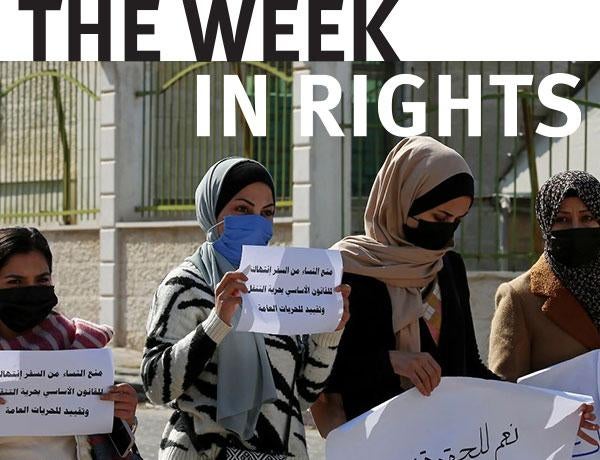
| Women hold signs during a protest a decision by the Supreme Judicial Council to allow male guardians to ban unmarried women from traveling out of the Gaza Strip, in Gaza City, Palestine, February 16, 2021. © 2021 AP Photos/Adel Hana |
|
|
|
Curbs to Women’s Mobility in the Middle East & North AfricaYou can’t travel abroad. You can’t move freely inside your own country. You’re an adult, but your male guardian has denied you permission to do these things. This is the absurd reality for many women across the Middle East and North Africa, where countries have discriminatory rules allowing men – typically a woman’s father, brother, or husband – to dictate whether a woman can travel, obtain a passport, or even work. A new HRW report gives country-by-country details on these restrictions. And while authorities often claim these rules exist to protect women, what the rules actually do is deprive women of their rights and enable men to control and abuse them at will. Some countries have thankfully eased these restrictions after much campaigning by women’s rights activists. Saudi Arabia now allows women over age 21, like men, to obtain passports and travel without guardian permission. But women’s rights activists are still fighting for women’s freedoms. In Qatar, for example, rules still require unmarried women under age 25 to show permission from their male guardians to travel abroad, while Qatari men from age 18 do not. In Jordan, Kuwait, Qatar, and Saudi Arabia, many women can be arrested or forced to return home if a male guardian reports them “absent.” In Saudi Arabia and Yemen, women are still not allowed to leave prison without a male guardian’s approval. Even as women’s rights activists win some freedoms, authorities across the region are working to take others away. But rolling back women’s rights doesn’t just harm women – it also hurts children, families, and society. Read More |
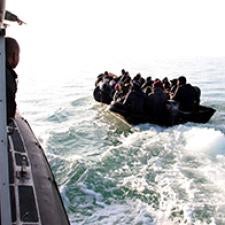
| Tunisian authorities, including the coast guard, have committed serious abuses against Black African migrants, refugees, and asylum seekers. Read More |
|
| Because of colonial-era laws still on the books, LGBT people in Saint Vincent and the Grenadines face violence and discrimination in their daily life including physical and verbal assaults, family violence, homelessness, workplace harassment, bullying, and sexual violence. Read More |
|
| As many countries around the world are facing threats from deadly extreme heat, public health officials should ensure pregnant people are considered among those most at risk. Read More |
|
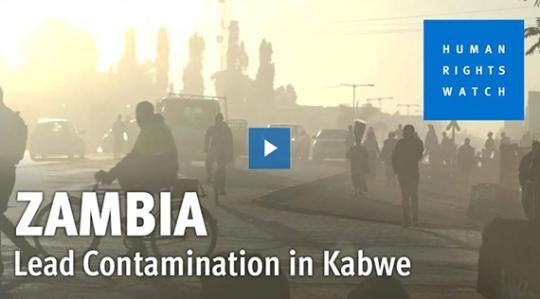
Youth Activists Urge Action on Toxic Lead Waste in Zambia More than 25 years after a former lead and zinc mine in Kabwe, Zambia was closed, its toxic waste remains.
Children living near the mine are especially vulnerable, as they absorb 4 to 5 times more lead than adults. Exposure to lead can be fatal.
Hear youth activists from Environment Africa describe life in a dangerously polluted town and what needs to happen to fix the situation. As one of the group’s members, Mwelwa Lungu put it, “This is Kabwe, this is our home. And we are entitled to live in a clean, healthy, and sustainable environment that doesn’t make us sick.” Watch |
Test Your Human Rights Knowledge
Know your human rights news? Take our weekly quiz and see how you stack up. Find It Here |







Geen opmerkingen:
Een reactie posten