Having trouble viewing this email? Read it on the web.
| Dark clouds and stormy seas foreshadow future climate change impacts on the island of Gardi Sugdub. © 2023 Pamela Vacacurva for Human Rights Watch |
|
|
|
Indigenous Community in Panama Needs Support to RelocateAn indigenous community on a tiny island in Panama is in a race against the clock to relocate as rising sea levels erode their land and threaten to wash away homes and livelihoods. The Guna Indigenous people, who have lived on the small, flat, and overcrowded island of Gardi Sugdub for over a century, began planning to relocate to the mainland in 2010. But no one has actually moved there. Long-promised support from Panama’s government to assist in relocation efforts has been delayed numerous times, leaving the community in limbo. In the past, living on Gardi Sugdub presented a refuge from the illnesses and colonial restrictions of Panama’s mainland. But there is no longer room to expand, and floods are making life harder for the island’s residents, affecting housing, health, education, and culture. The inevitable rise in sea levels has made relocation a necessary measure of last resort. The government promised to have a new location ready by September of this year, but it recently pushed that date to February 2024. |
| WATCH: Rising Sea Levels Threaten Indigenous Community in Panama |
|
|
|
Also, there are problems with the government’s proposed relocation site that would threaten residents’ rights. Plans for water, sewage, and trash management at the site and at a nearby model school are inadequate. The new site experiences erosion during floods and lacks shade to protect people from the heat, and the proposed site for a small health center had not yet been prepared for construction. Gardi Sugdub is not alone: Thirty-eight other coastal Indigenous communities in Panama may require relocation because of a combination of overcrowding and sea level rise. Over 400 communities globally have completed or are undertaking relocation because of natural hazards, including those expected to increase in frequency and intensity because of climate change. Planned relocation is a measure of last resort with serious risks, and affected communities should be part of the process. But residents of Gardi Sugdub – who have repeatedly asked for transparency – have been kept in the dark. “I might not even see this relocation happen in my lifetime,” one elder in the community said. “All other leaders who started the project have died in this process.” It’s not too late for the government to create a blueprint that coastal communities in Panama and globally can turn to as they confront the climate crisis. Read More |
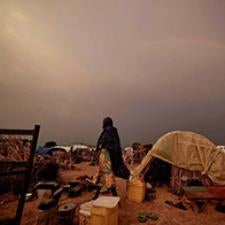
| Nusra and Khadija share the bond of being cousins and of living in the same small town in West Darfur. Now they share a darker bond: both are survivors of sexual violence in Sudan’s conflict Sudan. Read More |
|
| Bangladesh police indiscriminately fired rubber bullets, tear gas, and water cannons, and beat opposition party supporters with batons during protests in late July. Read More |
|
| The most recent outbreak of hostilities in Gaza in May might have faded from memory for many, but the wounds are still fresh. People with disabilities remain among the most affected. Read More |
|
Test Your Human Rights Knowledge This week marked the third anniversary of the 2020 Beirut blast. But where in the city did the explosion occur? Take Our Weekly Quiz |







Geen opmerkingen:
Een reactie posten