Having trouble viewing this email? Read it on the web.
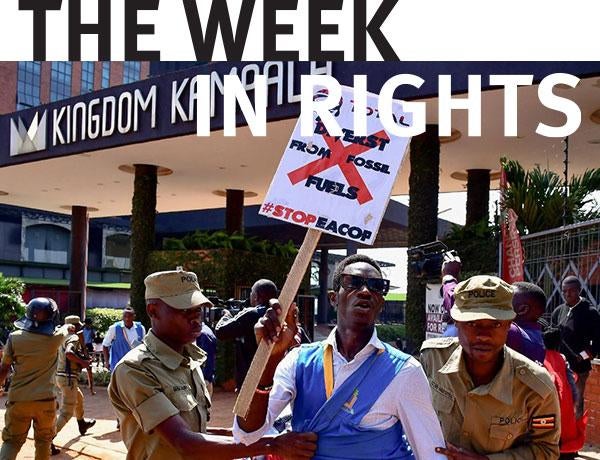
| Ugandan security officials detain a protester during a march against the construction of the East African Crude Oil Pipeline in Kampala, Uganda, October 4, 2022. © 2022 Reuters/Abubaker Lubowa |
|
|
|
In Uganda, Protesting an Oil Pipeline is Dangerous WorkActivists and environmental defenders in Uganda are facing harassment, intimidation, arrests, and unlawful detention, for protesting an oil pipeline project that has devastated thousands of people’s livelihoods in Uganda and risks worsening the global climate crisis. The East Africa Crude Oil Pipeline is one of the largest and most controversial fossil fuel projects in the world. When completed, it will include hundreds of wells, hundreds of kilometers of roads, camps and other infrastructures, and the longest heated crude oil pipeline in the world, connecting oilfields in western Uganda with the port of Tanga in eastern Tanzania. Who is Behind it? The project, operated by French fossil fuel giant TotalEnergies, undermines global climate goals that can only be met – and the worst impacts of the climate crisis averted – if no new fossil fuel projects are undertaken. But the pipeline’s construction presents a more immediate crisis for the 100,000-plus people in Uganda and Tanzania who live in the pipeline’s path and will lose their land for its development. |
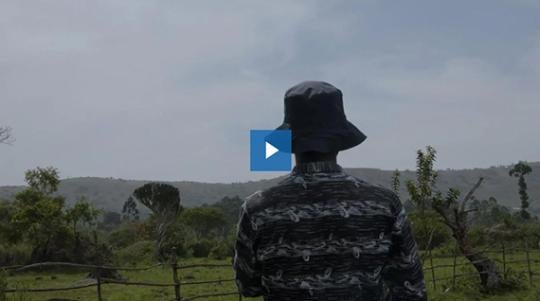
| WATCH: Resisting Fossil Fuel Development in Uganda |
|
|
|
Unfair Compensation Local groups are working to assist people, whose land has been acquired for the pipeline, to secure fair compensation from Uganda’s government. Many people have received inadequate compensation, faced pressure and harassment from local officials, or been threatened for rejecting compensation offers. Crackdown on Activists There has been a crackdown on activists opposing the pipeline. One environmental defender we spoke to said, “They threaten us, they close our offices. They tell us repeatedly not to work on oil.” Organizations working near Uganda’s two oilfields are at particular risk. “There are no embassies here, we have little…media [here], there are no lawyers or big NGOs here, the UN isn’t here and no one here respects the law…it’s a small area – everyone knows who we are,” one person told us. Because of global opposition to the pipeline, many financial institutions and insurance companies have refused to support it. The pipeline’s potentially dire consequences for the environment and human rights should inspire more to do the same. Read More |
International Humanitarian Law in Israel and Gaza |
| For years, Pamela has been locked up in “what looked like a prison cell” in a prayer camp in Ghana. The room is bare, urine is on the floor, and she has no mattress. Her experience reflects that of many people with real or perceived mental health conditions. Read More |
|
| COP28, the 28th annual United Nations Climate Change Conference is set to begin November 30 in the United Arab Emirates, despite concerns over the host country’s climate-related policies and its human rights record. Why This Matters |
|
| Since April 2023, Islamist armed groups and the army have killed and otherwise abused numerous civilians in central and northern Mali, where violence has intensified since the country’s May 2021 coup. Read More |
|
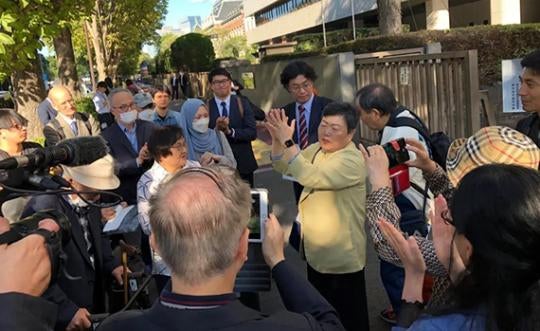
| Eiko Kawasaki and other plaintiffs celebrate outside a courthouse in Tokyo, Japan, October 30, 2023. © 2023 Kanae Doi/Human Rights Watch |
|
|
|
It’s Official: No “Paradise” in North Korea In a landmark ruling this week, a Japanese high court found the North Korean government liable for human rights violations against Koreans and Japanese citizens it had enticed to relocate to North Korea through its “Paradise on Earth” campaign. Between 1959 and 1984, approximately 93,000 ethnic Koreans and Japanese migrated from Japan to North Korea under the so-called “repatriation program.” When they arrived, they quickly realized the utopian promises were false. This week’s long-sought victory comes a decade after 81-year-old Eiko Kawsaki and three others first pursued justice for being misled into a life of absolute hardship. Read More |
Want to test your human rights knowledge? Take our quiz and see how you stack up. Find It Here |






Geen opmerkingen:
Een reactie posten