Having trouble viewing this email? Read it on the web.
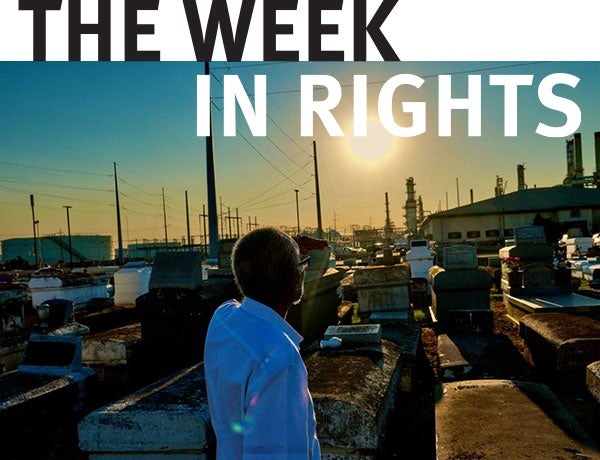
| Robert Taylor in Reserve, Saint John the Baptist Parish, in Louisiana’s Cancer Alley. October 17, 2023. © 2023 Eli Reed for Human Rights Watch |
|
|
|
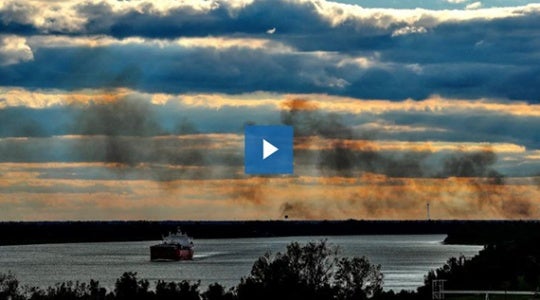
Life in a Fossil Fuel Sacrifice ZoneIn “Cancer Alley,” an 85-mile stretch along the banks of the Mississippi River between New Orleans and Baton Rouge, communities exist side by side with some 200 fossil fuel and petrochemical operations. The industry has devastated the health, lives, and environment of the people there, whose well-being has been sacrificed to fossil fuels. A new Human Rights Watch report documents how residents of Cancer Alley, parts of which have the highest risk of cancer from industrial air pollution in the United States, suffer the effects of extreme pollution produced by the fossil fuel and petrochemical industry. Many residents shared stories of entire communities devastated by cancer, the deaths of family and friends, missed days of work and school due to illness, and children rushed to emergency rooms suffering from asthma attacks. They also described other harms to their health, including miscarriages, high-risk pregnancies, infertility, the poor health of newborns, and respiratory ailments. |
| WATCH: Louisiana's 'Sacrifice Zone' |
|
|
|
These harms are disproportionately borne by the area’s Black residents, who, along with other human rights advocates, have spent decades calling on authorities to do something. “We’re dying from inhaling the industries’ pollution,” said Sharon Lavigne, 71, a resident of Saint James Parish. “I feel like it’s a death sentence. Like we are getting cremated, but not getting burnt.” Louisiana has consistently failed to address the harm from fossil fuel and petrochemical operations, enforce federal government standards, and protect local residents’ health. The US Environmental Protection Agency (EPA) has also failed Louisiana’s residents by allowing the state to evade its legal responsibilities. In December, governments at the United Nations COP28 climate conference agreed to begin transitioning away from fossil fuels, recognized to be the climate crisis' primary driver. Governments should also end any new petrochemical projects. Doing so could help stave off extreme climate threats in years to come. For residents of Cancer Alley and other “sacrifice zones,” it’s a matter of life and death. Read More |
| Haitians need a rights-based international response amid a surge in killings and kidnappings, rampant sexual violence, and a severe food crisis. Read More |
|
| As the US and UK carry out airstrikes in Yemen, neither the US nor UK has ensured accountability for likely war crimes they and their partners have committed in Yemen for years. Read More |
|
| In 2023, Reporters Without Borders ranked Greece 107th in its press freedom index, the worst in the EU. This week’s court hearing in a defamation suit against media professionals who exposed a major surveillance program will test Greece's commitment to media freedom. Read More |
|
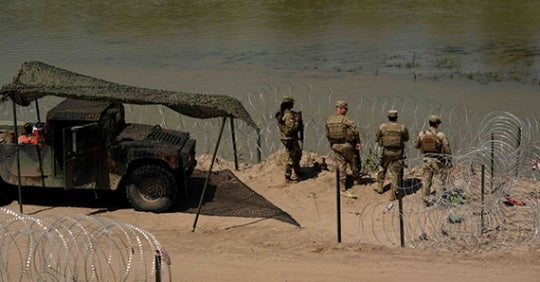
In this new section, we’ll be highlighting positive human rights stories. Here’s what we’re looking at this week. Victory at the US Border As the US congress continues to debate changes to policy at its southern border, the US Supreme Court this week delivered a victory for migrants and asylum seekers, allowing federal agencies to remove harmful and lethal razor wire placed along the border by Texas state agencies. As Vicki Gaubeca put it, “The preservation of life is paramount.” Another Canadian Province to End Immigration Detention in Jails
Since the launch of the #WelcomeToCanada campaign, eight Canadian provinces have said they would end the use of their provincial jails to incarcerate migrants and asylum seekers. Now, a ninth province has also done so, leaving just one more to go. |
Want to test your human rights knowledge? Take our quiz and see how you stack up. Find It Here |






Geen opmerkingen:
Een reactie posten