Having trouble viewing this email? Read it on the web.
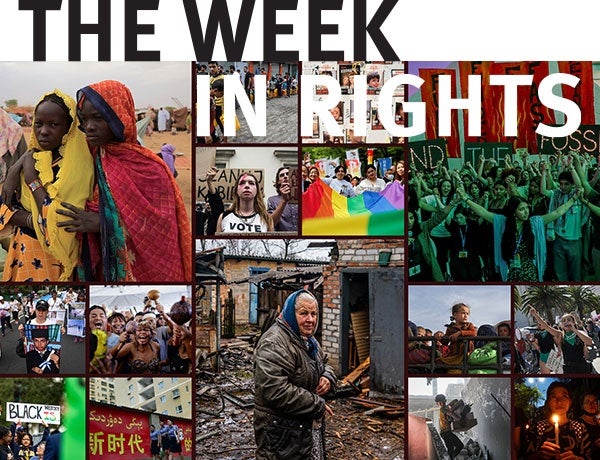
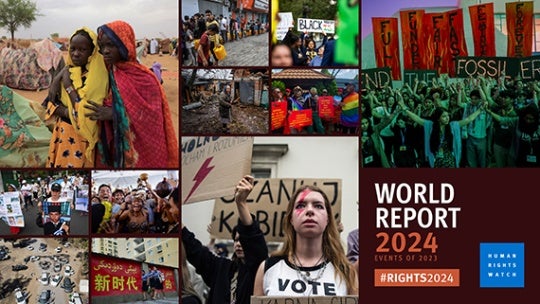
The State of Human Rights Around the WorldThis week, Human Rights Watch launched its World Report, an annual review of the state of human rights around the world. Now in its 34th edition, the 740-page World Report examines human rights conditions in more than 100 countries. One trend has been clear over the past year: Global leaders have failed to take strong stands to protect rights, often with deadly consequences. Governments’ selective outrage and transactional diplomacy in the face of some of the worst conflicts and crises in recent memory carried profound costs for peoples’ rights. Renewed armed conflict between the Israeli government and Hamas caused tremendous suffering, as did ongoing conflicts in Ukraine, Myanmar, Ethiopia, and the Sahel. Last year was also the hottest since global records began in 1880 and the onslaught of wildfires, drought, and storms wreaked havoc on communities from Bangladesh to Libya to Canada. Meanwhile, economic inequality rose around the world - as did anger about the policy decisions that have left so many people struggling to survive. |
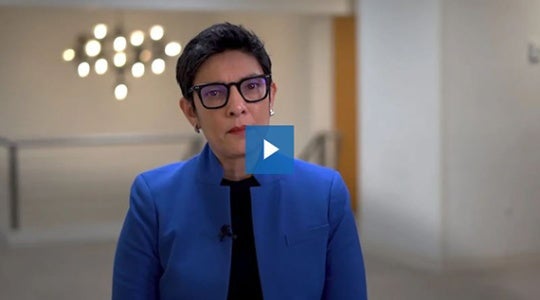
| WATCH: Global rights crises deepen as world leaders shy away |
|
|
|
In her keynote essay to the World Report, Human Rights Watch Executive Director Tirana Hassan called out world leaders for looking the other way when universal rights principles are violated. “Every time a country overlooks these universal and globally accepted principles, someone pays a price, and that price is sometimes peoples’ lives.” But as Tirana also notes, protection of rights advanced on multiple fronts in 2023, showing the power of the global human rights framework when governments uphold their obligations. In a milestone decision, in November, the International Court of Justice ordered the Syrian government to prevent torture and other abuses. The Japanese parliament passed its first law to protect LGBT people from “unfair discrimination.” And in Mexico, a coalition of civil society advocates persuaded Congress to pass a law establishing full legal capacity, benefiting millions of people with disabilities and older people. In 2024, governments should use principled diplomacy to have a meaningful impact for people whose rights are being violated. As Tirana wrote, “Upholding human rights consistently, across the board, no matter who the victims are or where the rights violations are being committed, is the only way to build the world we want to live in.” Read the World Report |
Download Your Copy of the World Report Want to learn more? Download a free copy of the World Report here. |





Geen opmerkingen:
Een reactie posten