Having trouble viewing this email? Read it on the web.
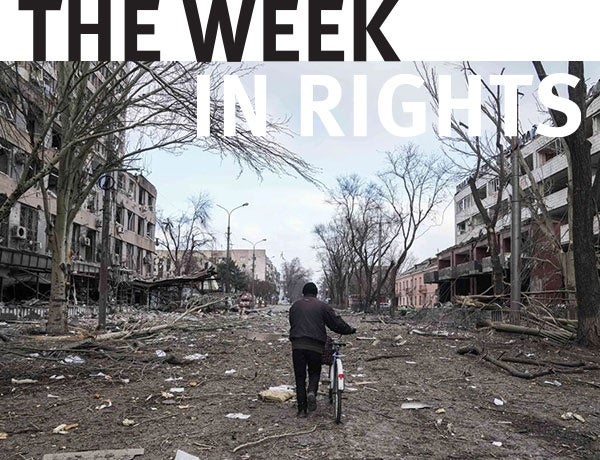
| Universytets’ka Street in central Mariupol, Ukraine, on March 10, 2022, a day after Russian aircraft attacked the area. © 2022 AP Photo/Evgeniy Maloletka |
|
|
|
Russia’s Devastation of MariupolIn February 2022, Russia launched its full-scale invasion of Ukraine. During their initial assault, they laid siege to Mariupol, a vibrant city in the country’s southeast that celebrated the arts and music and was once home to large iron and steel factories. Now, only its charred remains are left behind. For eight weeks, Russian forces bombed and shelled Mariupol as they clashed with Ukraine’s military. Residents cowered in basements, living in fear of airstrikes. By mid-April, when Russian forces had almost full control of the city, thousands of civilians were dead and thousands of buildings, including high-rise apartments, hospitals, and schools, were damaged or lay in ruins. About 400,000 residents had fled the city by mid-May. Those who remained spent months without electricity, running water, or health care. For the past two years, from many angles and a variety of tools, Human Rights Watch, along with Ukrainian human rights group Truth Hounds and visual investigations agency SITU Research, documented the assault on Mariupol. We interviewed more than 200 Mariupol residents, mostly those who had fled, analyzed dozens of satellite images, and reviewed 850 photos and videos to piece together the story of Mariupol’s destruction. |
| WATCH: The Devastation of Mariupol |
|
|
|
The result is a new 224-page report, a digital multimedia feature, and a 20-minute video that showcase 3D recreations of damaged buildings, image analysis, and eyewitness testimonies of loss and devastation in the city. The evidence is grim. For example, analysis of the city’s main cemeteries found that more than 10,000 people were buried in Mariupol between March 2022 and February 2023. By comparing the growth in graves with the city’s normal mortality rate, our teams estimate that at least 8,000 people died from fighting or war-related causes, though how many of those were civilians remains unknown. We also identified Russian and Russia-affiliated military units operating in Mariupol at the time, and we name ten senior Russian commanders involved in the attacks. As occupying forces work to strip away markers of Ukrainian identity in the city, we’re launching a new campaign. Help us call for #JusticeForMariupol. Our investigation may lay out the evidence of the devastation Russian forces wrought, but now it’s up to governments and international bodies to see that justice is carried out. See the Feature Here |
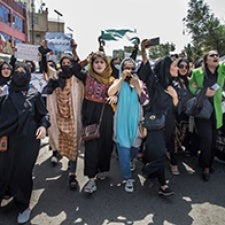
| Afghan women are putting their lives on the line to oppose Taliban abuses. But the world should also stand with them because the events in Afghanistan—and the world’s response—have deep implications for gender equality everywhere. Read More |
|
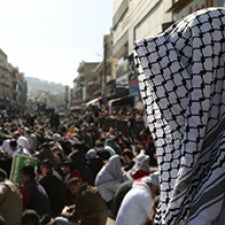
| Jordanian authorities have arrested and harassed scores of people who participated in pro-Palestine protests across the country or engaged in online advocacy, charging some of them under a new, widely criticized cybercrimes law. Read More |
|
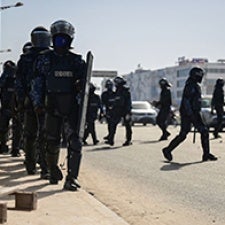
| “It is a leap into the void,” said one prominent Senegalese human rights activist. “The brutal, unconstitutional delay of the election plunges Senegal into uncertainty and violence.” Read More |
|
| Guillermo Barraza sits during the pre-taping of his news program “La Verdrag” in Mexico City, October 11, 2023. © 2023 AP Photo/Aurea Del Rosario |
|
|
|
Sometimes, the world feels grim. That’s why we’re also highlighting positive human rights stories. Here’s what we’re looking at this week. Drag Performer Makes TV History in Mexico Guillermo Barraza, a 32-year-old journalist, made history last week as the first-ever drag queen to host a news program for Mexican TV. As Mexico remains one of the deadliest places in the world for journalists, and LGBT people face significant risks of violence and harassment, Barraza’s appearance as his drag character Amanda marked a great milestone. Australia’s New Sanctions on Myanmar a Step Forward
Last week, Australia was one of several countries to impose new sanctions against Myanmar on the third anniversary of the military coup. The additions include two banks that fund the junta and its arms purchases, and three other entities that help supply jet fuel that the military has used to carry out unlawfully indiscriminate airstrikes against civilians. |
A Human Rights Guide to the 2024 US Elections From racial discrimination to border policy, learn more about the human rights issues we want candidates and voters to focus on as the 2024 US elections begin to heat up. Read Our Guide Here |
Want to test your human rights knowledge? Take our quiz and see how you stack up. Find It Here |







Geen opmerkingen:
Een reactie posten