What's the plan to deal with crime? The wave of violence that hit the city last week has posed tough questions for the security forces, but getting a definitive response is like drawing blood from a stone.
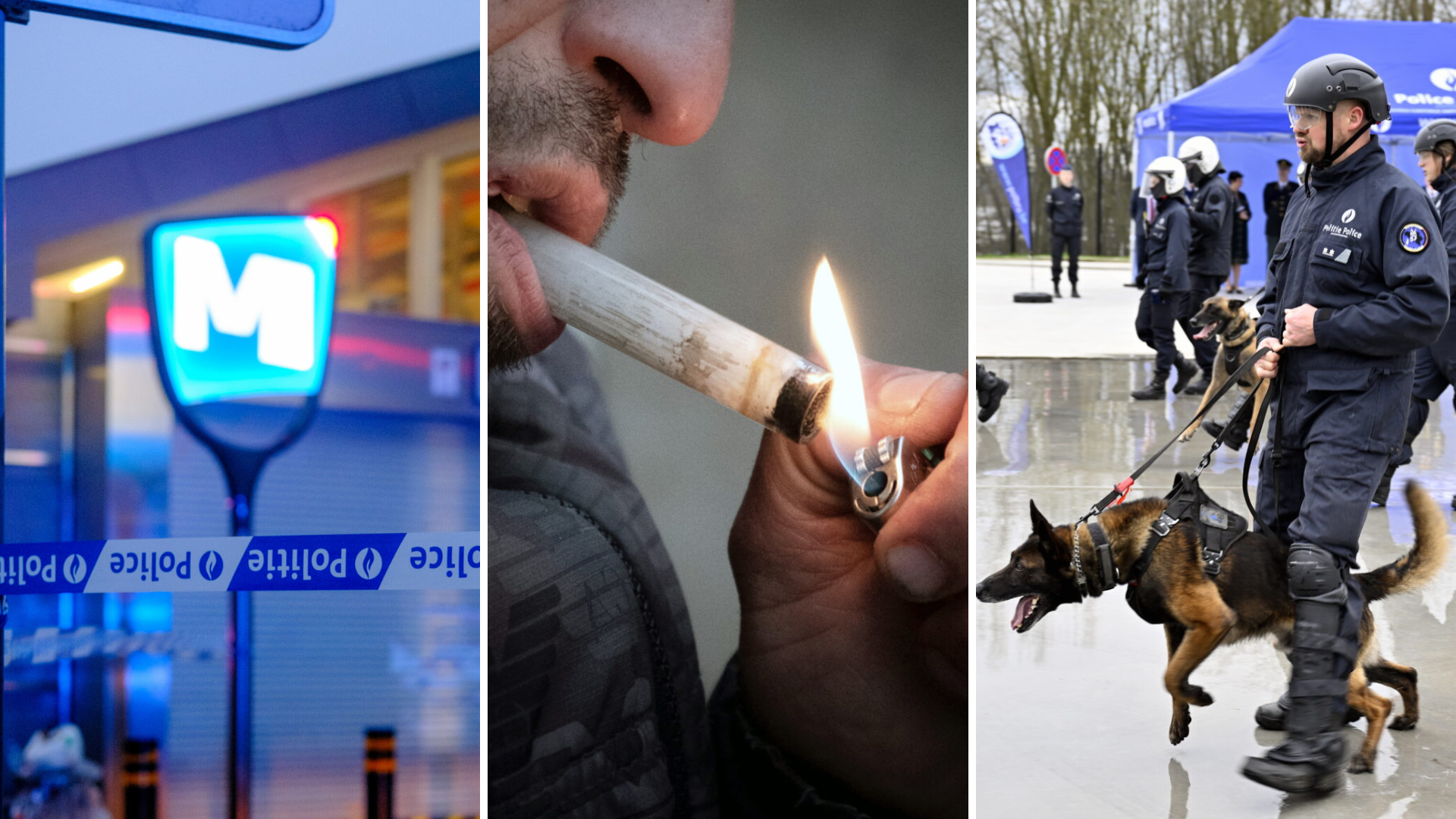
This sort of violence is nothing new in Brussels, steps have been taken to combat it in the past. But clearly these aren't enough to prevent gang wars from playing out in public. Not even close, you might argue, if there is such disregard for police that people can visibly carry assault rifles in metro stations.
Various structural issues create such a hotbed for criminal activity – complex problems that interlink to make tackling the gang wars so hard. But there's a point where the public starts to ask What are you going to do about it? rather than being fed a detailed account of why the situation is such as it is.
Answering these questions is undeniably difficult, but such is the onus of a position of responsibility. Officials in Brussels are adept at deflecting responsibility, explaining the limits of their authority, which never seem to quite encompass the problem at hand.
Yesterday, the Mayor of Anderlecht told The Brussels Times that the shootings that took place in his commune were not a local issue, highlighting the national dimensions that call for a response at a higher level. Last year, the Capital Region introduced a "hotspot" system that identified 15 key areas where police would concentrate efforts. But Clemenceau and Peterbos, where the shootings took place last week, are designated hotspots and still were the site of shootings – Clemenceau on two consecutive nights.
So is there an actual strategy? Or is it just marketing? And who will actually answer these questions? We'll keep you posted.


Geen opmerkingen:
Een reactie posten