Public safety in Brussels is one of the greatest concerns of the city's residents, with the issue consistently in the top three priorities of party manifestos for the local elections in October. This time last year, the capital saw a spate of shootings and street violence as rival gangs quite openly waged turf wars.
Many voiced concerns about the apparent impunity of those involved, with police unable to catch the perpetrators or deal a structural blow to the criminal networks behind the trafficking. The feelings of insecurity grew when several innocent bystanders were caught in crossfire during drive-bys. The rise in violence is matched by a rise in gun seizures, indicating an arms race that forces of law and order are failing to suppress.
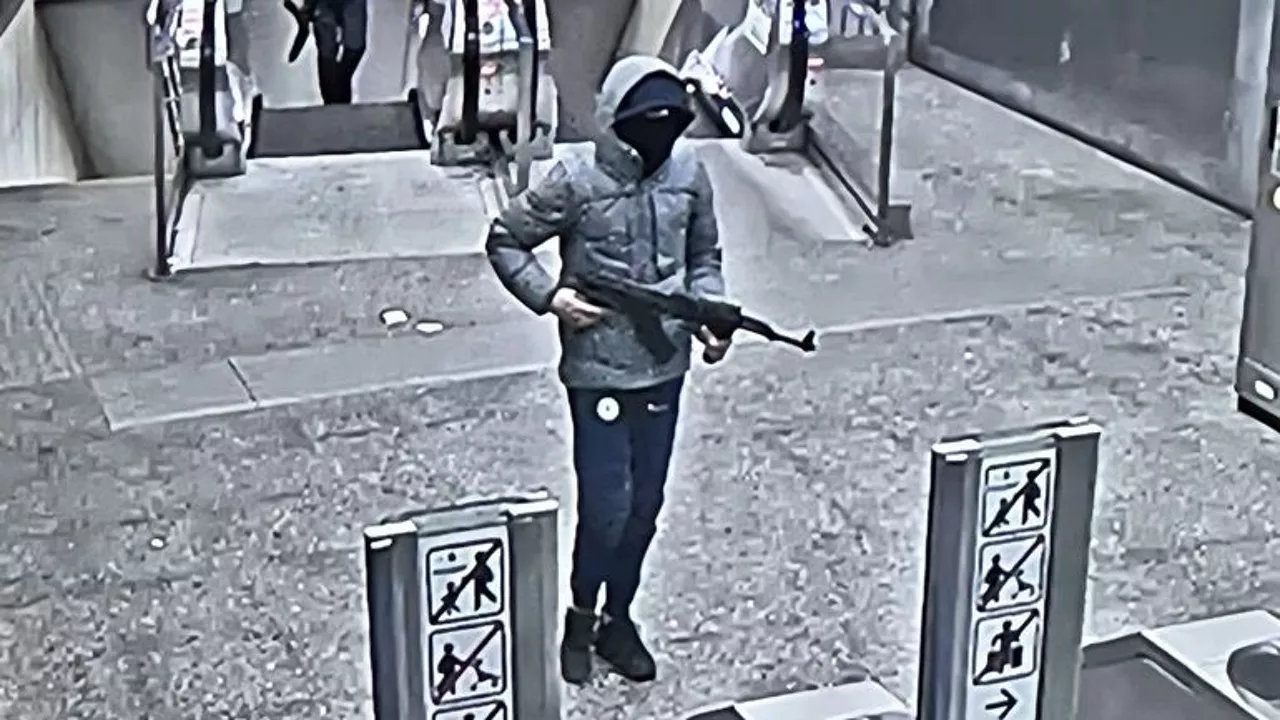
Wednesday morning saw another shooting, this time in Clémenceau metro station. The assailants are caught on camera brazenly brandishing assault rifles and firing near the entrance. Police report that no one was injured and the station was closed. But this latest episode once more highlights the challenge in Brussels.
It also comes in the context of proposals to reform the capital's police forces, which currently are split into six zones and fall under the jurisdiction of municipal mayors. Plans to centralise the police have previously been shot down by mayors, who insist that this would undermine the authority of local leaders and endanger the effectiveness of police forces. But with every shooting, this argument loses weight.
Still, francophone parties are refusing to give any ground on the debate, presenting it as a "full-scale assault on the Brussels Region" and a plot by Flemish nationalist parties to claw power away from the mayors. This has resulted in a bitter stand-off as the francophone Socialist Party – which lost badly at the national level but is still the second-strongest party in the capital's French-speaking electoral college – rejects any call to compromise so long as the Flemish nationalists N-VA are part of the Dutch-speaking college.
It's a block that has so far proven impossible to overcome, leaving Belgium's capital with no regional government and enfeebled in the face of growing crime.




Geen opmerkingen:
Een reactie posten