Belgium was once a pioneer in nuclear power, with the energy of the future featuring strongly at the 1958 World's Fair and leaving its mark on the Brussels skyline in the form of the Atomium – the city's most visited tourist site.
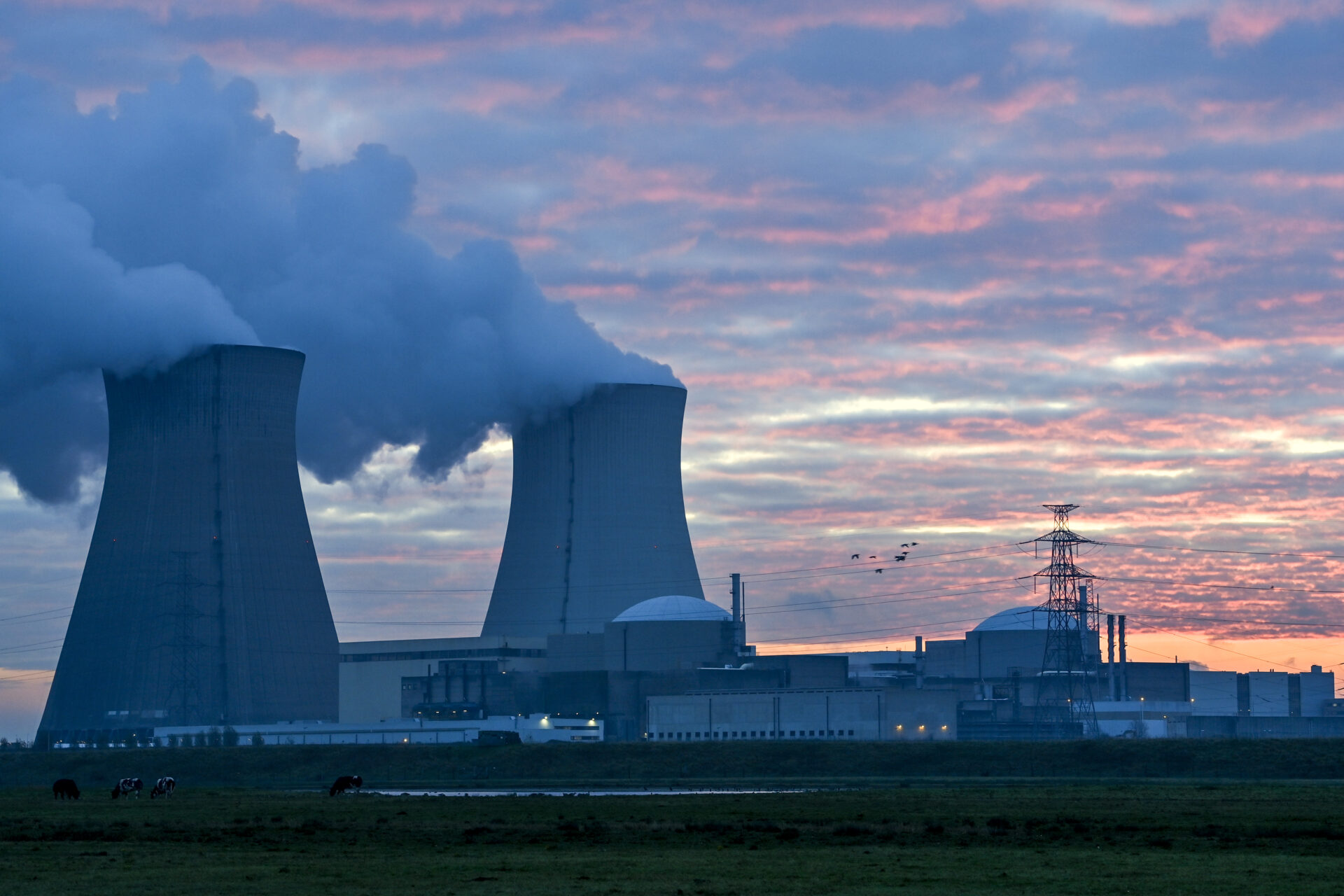
But Belgium's love affair with nuclear is going cold, with Valentine's Day 2025 marking the end of Doel 1 and leaving just four reactors operational. Doel 1 had already been splitting atoms ten years longer than initially intended – realising how important the reactor was to the country's energy mix, Charles Michel's government extended its lifespan in 2015.
The promise of a highly concentrated electricity source that doesn't release greenhouse gases was perhaps ahead of its time in the 1950s, as the world moved from the coal-burning phase to the era of oil. But in an increasingly electrified context in which electricity demand will double by 2050, having power sources that we can control (unlike renewables) and belong to Belgium (unlike plants in France, for example), it seems amiss to turn our backs on the nuclear proposition.
It's a lack of foresight that is now coming to bear, as favour for nuclear is strong within the new Federal Government. Although the Arizona coalition hopes to prevent the phasing out of two more reactors later this year (which will leave Belgium with only two reactors), the operator has quashed these ambitions, insisting that it is too late to turn back on the plan to pull these plants offline.
Anti-nuclear sentiment flourished in Belgium, as elsewhere in Europe, as campaigns for nuclear disarmament gained popularity. Sadly the distinction between weapons and energy was overlooked as activists insisted that the technology behind both applications should have no place in the modern world.
Standard-bearers for this crusade were green political parties, who fought hard to debase nuclear power. In Belgium, this led to a law in 2003 that paved the way for the phase-out we are witnessing today. Last year I spoke to the former Energy Minister Tinne Van der Straeten (Flemish Greens), who expressed concern about the long-term issue of nuclear waste.
"A technology that gives us waste like that isn’t much different from energies that emit greenhouse gas; we can’t continue to emit CO2, because that will stay in the atmosphere for so many years. Nuclear also poses a long-term problem."
It's an argument that already seemed dated and will look even more misguided as Belgium grows more dependent on energy imports. And it serves as a warning that in affairs of national energy security, emotions should be left at the door.




Geen opmerkingen:
Een reactie posten