


Good morning,
Signing off on a trade deal with India is a major coup for EU Commission chief Ursula von der Leyen. The agreement, which will be announced on Tuesday, brings to a close several decades of stop-start talks. By the standards of trade deals, it is not really that ambitious. Agriculture has been almost entirely kept out. So, too, have services. In many cases, tariffs, such as those on European cars, will still be high.
But it is symbolically huge. Trade with the world’s most populous country is only going to increase. Equally significant is the defence and security part of the agreement.
The EU-India pact has been badly received by the Trump administration which has imposed 50 percent tariffs on India, citing its cosy relations with China and Russia. Treasury secretary Scott Bessant says that the EU is ‘financing war against itself’ by striking an agreement with New Delhi. In fact, cleaving India away from relationships and closer to Europe was one of the commission’s main motivations.
In truth, the EU is stuck in a holding pattern with Washington. At the end of last week, the commission said that it would propose suspending for another six months a package of retaliatory trade measures against the US worth €93bn that would otherwise have taken effect on 7 February.
Throughout this near year-long dispute with the Trump administration there have threats and counterthreats of tariffs.
The suspended tariffs were prepared last May when the European Union was negotiating a trade deal with the United States, and were then put on hold for six months when Brussels and Washington agreed on a joint statement on trade in August 2025.
The August deal is also on hold.
Last week, Bernd Lange, the chair of the European Parliament’s trade committee, stated that the agreement between Trump and Von der Leyen was “on hold until further notice”.
Trump’s trade wars and military threats against Greenland have destroyed transatlantic trust. Only weeks ago, the commission was quietly urging the parliament to get the US trade deal approved as soon as possible. Now the reality is that it would struggle to get through parliament at all.
- Benjamin Fox, Africa editor
Advert
EUobserver relies on subscriptions to hold the EU to account – if you're not already, do consider becoming a supporting member here.
Top Story
Nato chief Rutte defends Trump to MEPs in wake of Greenland crisis
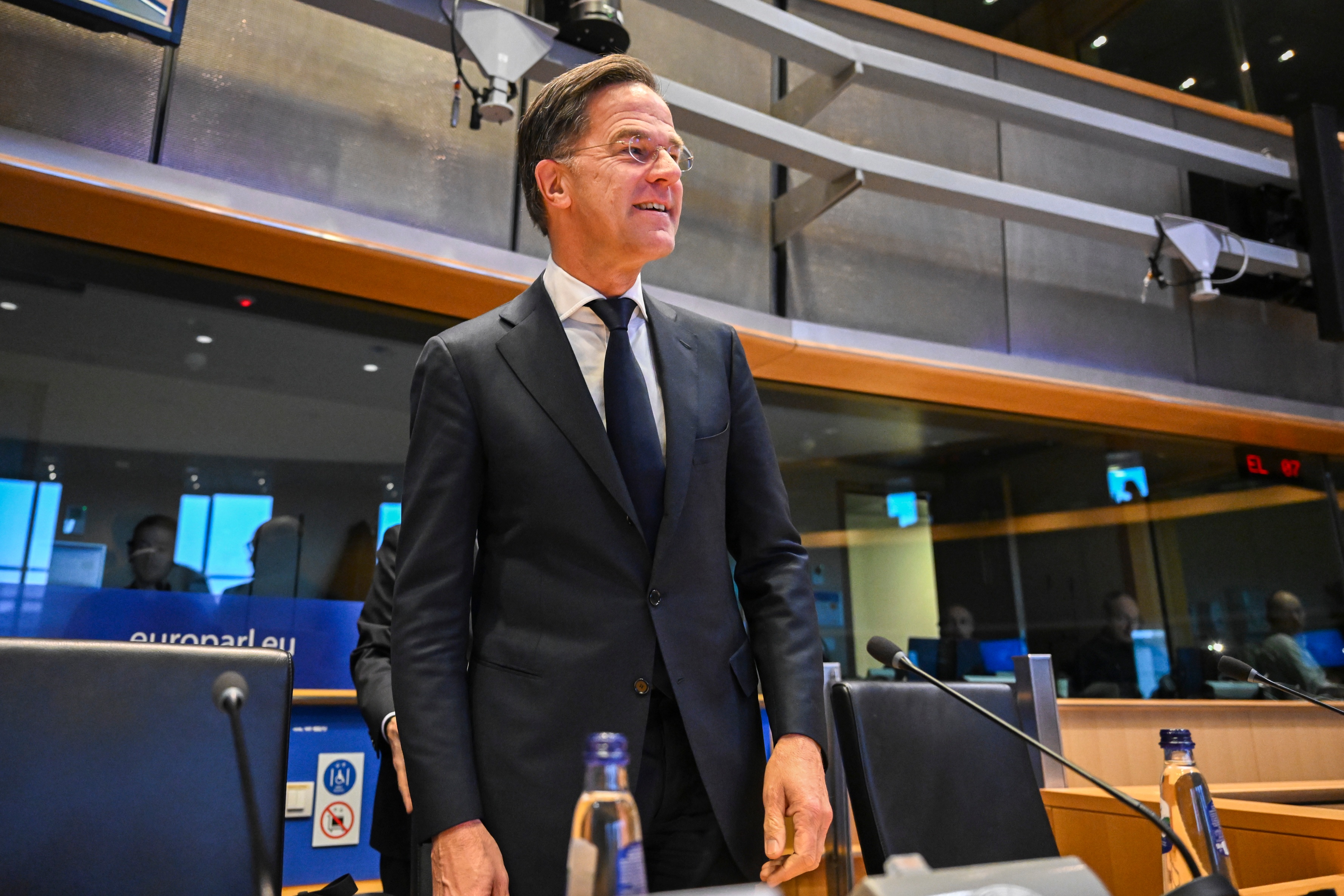
Nato secretary-general Mark Rutte has defended US president Donald Trump's conduct in the Greenland crisis at the European Parliament — but most MEPs' responses showed bad will remains.
What else you need to know
Nato chief Rutte defends Trump to MEPs in wake of Greenland crisis
Nato secretary-general Mark Rutte has defended US president Donald Trump's conduct in the Greenland crisis at the European Parliament — but most MEPs' responses showed bad will remains. Read on »
Brussels opens investigation into X over Grok’s sexualised deepfakes
The European Commission has opened an investigation into X due to risks from integrating its AI chatbot Grok directly into the platform — examining if Elon Musk's social media platform complies with the risk assessment and mitigation requirements under the Digital Services Act.Read on »
Austria to decide on compulsory military conscription, amid wave of European remilitarisationExplainer
Across Europe, countries are shifting from volunteer soldiers to conscript armies — with Austria now also weighing up whether to extend its mandatory military service.Read on »
Advert
Selling fear: André Ventura, Chega and the making of Portugal’s far-rightOpinion
The far-right founder of Portugal's Chega (“Enough”), André Ventura, is a former sports TV commentator from the world of showbusiness — and came a close second in January's presidential election on an anti-Roma, anti-Muslim, racist and sexist platform.Read on »
Study suggests 'nudging' VAT on meat in Europe to favour plant diets and environment
Some 22 EU countries currently give tax breaks to climate-damaging meat products, but removing these reductions could cut food emissions by up to five percent, a new German study has found.Read on »
Listen: Train accident in Spain as a testing ground for political exploitationPodcast
Train accidents, floods in Valencia - every disaster in Spain strongly reignites political battles. Using tragedy for political gain is widely condemned. Is this a typical Spanish thing, or is the taboo weakening?Read on »
In case you missed it
EU blacklist names Iranians behind January massacre of protestors
EU foreign ministers are to blacklist 14 Iranians for killing peaceful protesters, as the US renews its threat of military strikes. Read on »
What's behind US attacks on EU tech rules? National security and AI weaponsInterview
The Trump administration has gone to war against the EU’s tech regulations, deriding them as censorship and free-speech infringements. But Michael Keary, an International relations and EU policy scholar, explains to EUobserver how the US actually sees this conflict as a national security issue.Read on »
How AI is already hurting European consumers in retail financeOpinion
In retail finance, AI risks have become a reality. The sector is among the most active adopters of AI in the EU, these systems are already deciding who gets a loan, how much people pay for insurance, and whether they have access to a bank account.Read on »
EU open to Trump’s ‘Board of Peace’ if it stays within UN lines
Bulgaria and Hungary have joined Donald Trump's Board of Peace as EU member states remain perplexed by a concept that challenges the United Nations.Read on »
Plummeting EU development aid risks being compounded by a lack of ambitionAnalysis
The EU Commission wants to create new partnerships with the private sector to plug the gaps left by falling aid budgets. But it still lacks imagination.Read on »

Geen opmerkingen:
Een reactie posten