
Good morning,
Where EU money flows and oversight fails, taxpayers foot the bill. That’s why when it comes to the next €2 trillion EU’s long-term budget for 2028–2034, one could or should expect real‑time transparency on who gets what, independent auditing, and democratic scrutiny that avoids flexibility from becoming a blank cheque.
But the new performance-based architecture of the EU’s long-term budget risks creating a box-ticking system that is both untransparent and undemocratic — de facto weakening the European Parliament’s role as a budgetary watchdog.
First, measuring performance is not an exact science.
“Performance-based budgeting can work, but it comes with risks,” Päivi Leino-Sandberg, a Finnish professor of transnational European law, told MEPs in a committee on Tuesday morning, arguing that mistakes from the pandemic recovery funds should be addressed.
“We all agree structural reforms are important, but they … are hard to pin down in quantitative milestones," she said, describing targets as "purely procedural" or "highly-subjective".
The overlooked 2024 legal fight between Lithuania and the European Commission over frozen tax reform funds proves her point.
Then, there is the transparency problem, closely linked to democratic oversight.
For the recovery funds, the European Commission negotiated the allocation of money behind closed doors with national governments, triggering concerns from MEPs, European auditors, the EU ombudsman, experts — and investigative journalists across the bloc.
With access to documents requests (FOIs) rejected and no public information available, critics said there was (and still is) no meaningful way to hold either the commission or national capitals to account.
Now, the same pattern could play out under the EU’s long-term budget, even as the commission tries to reassure MEPs.
EU budget commissioner Piotr Serafin told MEPs on Tuesday that making information on recipients, final beneficiaries, contractors, and subcontractors publicly available would change the dynamics in many member states and reshape discussions around the EU budget — while acknowledging that this is not currently the case for the recovery funds, despite the commission’s pledge to ensure more transparency for (at least) the 100 largest beneficiaries.
“I'm a big fan of transparency,” Serafin claimed.
“But there are political choices here. The more accountability, the more we want to measure the performance, the more reporting obligations we are introducing,” he also said, as such scrutiny would run counter to the commission’s simplification agenda.
The commission’s proposed ‘Single Gateway’ could improve transparency, but if the site only shows curated information while restricting access to original documents, exchanges with member states, or milestones status, it will do little to ensure real public accountability. The way EU law is written does not suggest things would improve, Leino-Sandberg recently wrote in an analysis for the European Parliament.
- Elena Sánchez Nicolas, editor-in-chief
Advert
EUobserver relies on subscriptions to hold the EU to account – if you're not already, do consider becoming a supporting member here.
Column
Remind me: Why do EU politicians announce anything on social media?
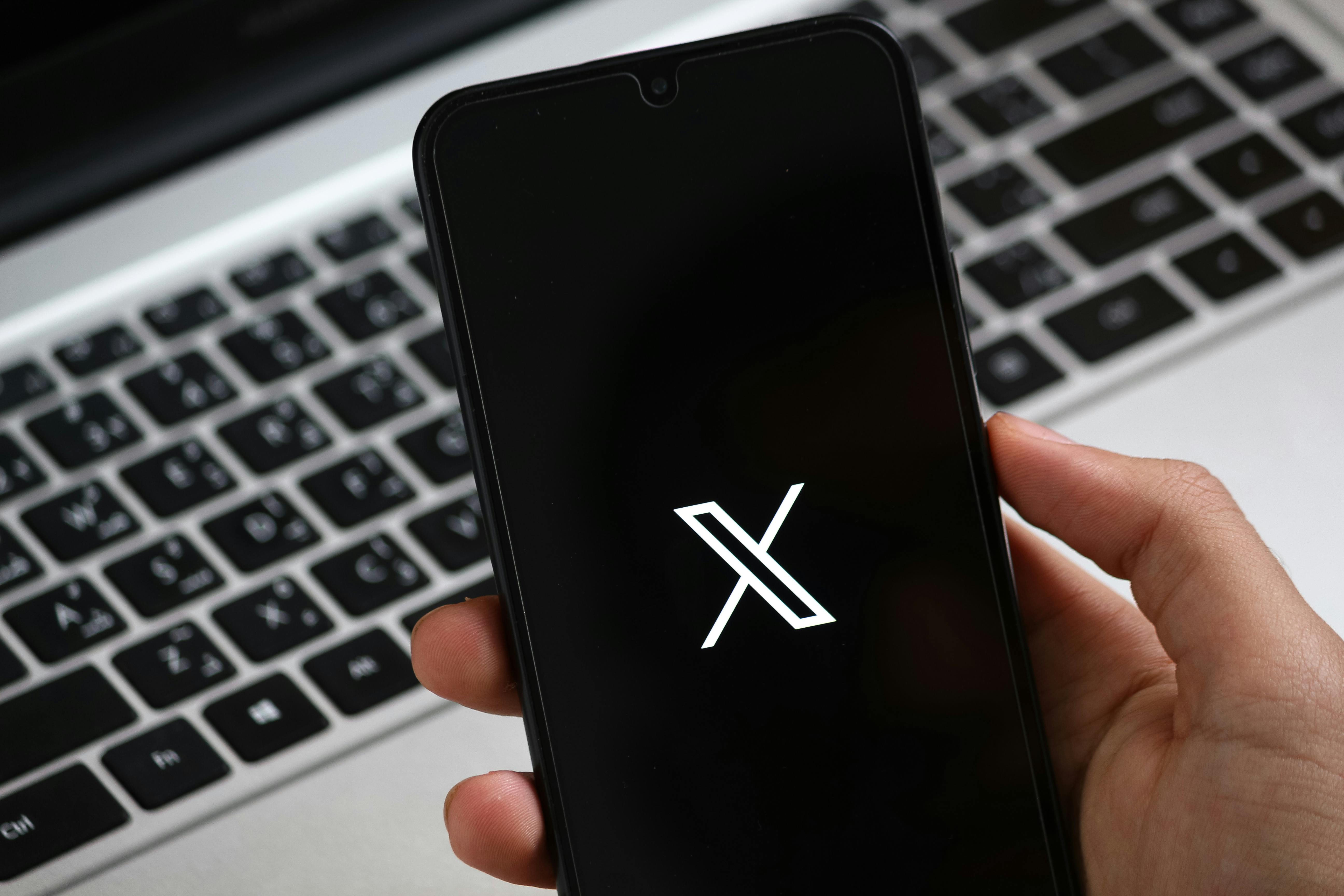
EU institutions enforce the Digital Services Act against X while using X daily. The contradiction is absurd. Let’s be clear: social media doesn't deliver direct communication. It delivers content for journalists to contextualise, algorithmically filtered by hostile platforms, reaching tiny fractions of intended audiences. Plus a bunch of bile in the comments.
What else you need to know
Legal battles, loopholes and delays cloud EU plan to end Russian gas imports
The EU’s plan to finally cut off Russian gas imports is facing mounting resistance from within the bloc, as legal threats, long transition periods and enforcement loopholes risk prolonging Europe’s financial ties to Moscow years after the invasion of Ukraine. Read on »
EU Commission argues preventing migrant arrivals is cheaper than deportation
The European Commission has argued that preventing irregular migrant arrivals to Europe is far cheaper than funding subsequent deportations. Read on »
Von der Leyen signs 'tale of two giants' EU-India trade deal
EU and Indian leaders signed a landmark trade pact on Tuesday, with EU Commission president Ursula von der Leyen describing it as “a tale of two giants", at a signing ceremony in New Delhi. 'We have sent a signal to the world that rules-based cooperation still delivers great outcomes,' she added.Read on »
EU states expand grounds for seizing suspect Russian tankers
Coastal EU states have signalled a harsher crackdown on Russia's 'shadow fleet', as Ukraine peace talks falter. Read on »
Advert
Remind me: Why do EU politicians announce anything on social media?Column
Or maybe we should ask a harder question: what if the goal is not to actually communicate – but just to be seen trying?Read on »
EU to specify Google's AI-interoperability and data-sharing obligations
The European Commission opened two procedures to clarify for Google the bloc's Digital Markets Act requirements for allowing alternative AI services to have the same access to Android as Google Gemini, and to explain Google's search data-sharing obligations. Read on »
Cyprus' EU presidency: The Mediterranean island that turned its back on RussiaOpinion
Cyprus is in the first month of its EU presidency. The island took the role having spent more than a decade dismantling its reputation as a permissive financial hub, not least for wealthy Russians, and repositioning itself within the Western political, economic and security framework. Read on »
Antisemitism reporting across EU lacks reliable data, report finds
A new report on Tuesday to mark International Holocaust Remembrance Day calls out EU member states for not addressing antisemitism sufficiently due to inadequacies in monitoring and recording.Read on »
In case you missed it
EU blacklist names Iranians behind January massacre of protestors
EU foreign ministers are to blacklist 14 Iranians for killing peaceful protesters, as the US renews its threat of military strikes. Read on »
Listen: Can the EU afford its €1.7 trillion future? Podcast
In this episode, Evi Kiorri covers the European Commission’s upcoming proposal for the EU’s next seven-year budget, the Multiannual Financial Framework (MFF) for 2028–2034. With political divides deepening and resources stretched thin, can this budget still deliver on Europe’s promises?Read on »
The Dogeization of Europe: the plan to 'rollback' the EU's own institutionsColumn
What distinguishes the current review is its conceptual ambition — floating the idea of ending lifelong civil-service status for new hires, a move that, if extended to the whole institution, would signal a shift from a permanent, independent bureaucracy to a flexible, temporary workforce aligned with shifting political priorities, warns Alberto Alemanno.Read on »
Brussels opens investigation into X over Grok’s sexualised deepfakes
The European Commission has opened an investigation into X due to risks from integrating its AI chatbot Grok directly into the platform — examining if Elon Musk's social media platform complies with the risk assessment and mitigation requirements under the Digital Services Act.Read on »
Nato chief Rutte defends Trump to MEPs in wake of Greenland crisis
Nato secretary general Mark Rutte has defended US president Donald Trump's conduct in the Greenland crisis at the European Parliament — but most MEPs' responses showed bad will remains. Read on »
Massive EU 'competitiveness' fund too vague, auditors warn
The European Court of Auditors says the EU's proposed €409bn competitiveness fund is too vague to guarantee transparency and traceability of funds. Auditors warn the proposal could repeat mistakes made with the pandemic recovery fund.Read on »

Geen opmerkingen:
Een reactie posten