Good morning.
Europe needs to spend trillions on climate targets, defence upgrades and tech infrastructure in the coming years. The political debate in Brussels often frames this as a burden — a cost we must somehow shoulder.
But what if Europe's trillion-euro ‘problem’ is actually a money-maker? At a day-long congress devoted to the pandemic’s recovery and resilience fund (RRF) on Thursday, EU Commission officials laid out their case.
According to their figures, some €650bn in pandemic spending is set to generate around €900bn in economic output this decade.
That means that for every euro invested through the pandemic fund, the return is €1.36. When looking at energy investments specifically, that number jumps to €1.69 per euro invested.
If that holds, money invested in EU priorities such as grids and energy, even if debt-funded, would not threaten public debt sustainability and would earn more than it costs.
Another titbit that emerged from the congress is that Germany and the Netherlands — two wealthy countries that fought hardest against the fund in 2020 because they didn’t want to support weaker economies like Italy — turned out to benefit most from the plans.
The Netherlands received €4.3bn, but spillover effects from pandemic funds invested by other countries boosted its economy to a total impact of €13bn. Over half of that came from Spain and Italy.
In Germany, two-thirds of its €66bn gain came from increased RRF-related orders in surrounding countries, mostly benefiting the country’s currently ailing manufacturing sector.
Not everyone left the congress convinced by the commission’s rosy picture. “The effects of [RRF-]reforms are immeasurable,” Päivi Leino-Sandberg, a Finnish professor of transnational European law, told Euobserver. “If they have effects, this really cannot be known now.”
She also pointed out that EU officials conducting the research were “bound by staff regulations to promote institutional interests” and complained that the event was a “PR exercise – part of the commission’s effort to present the RRF as a success.”
Wester van Gaal, economics editor
What else you need to know
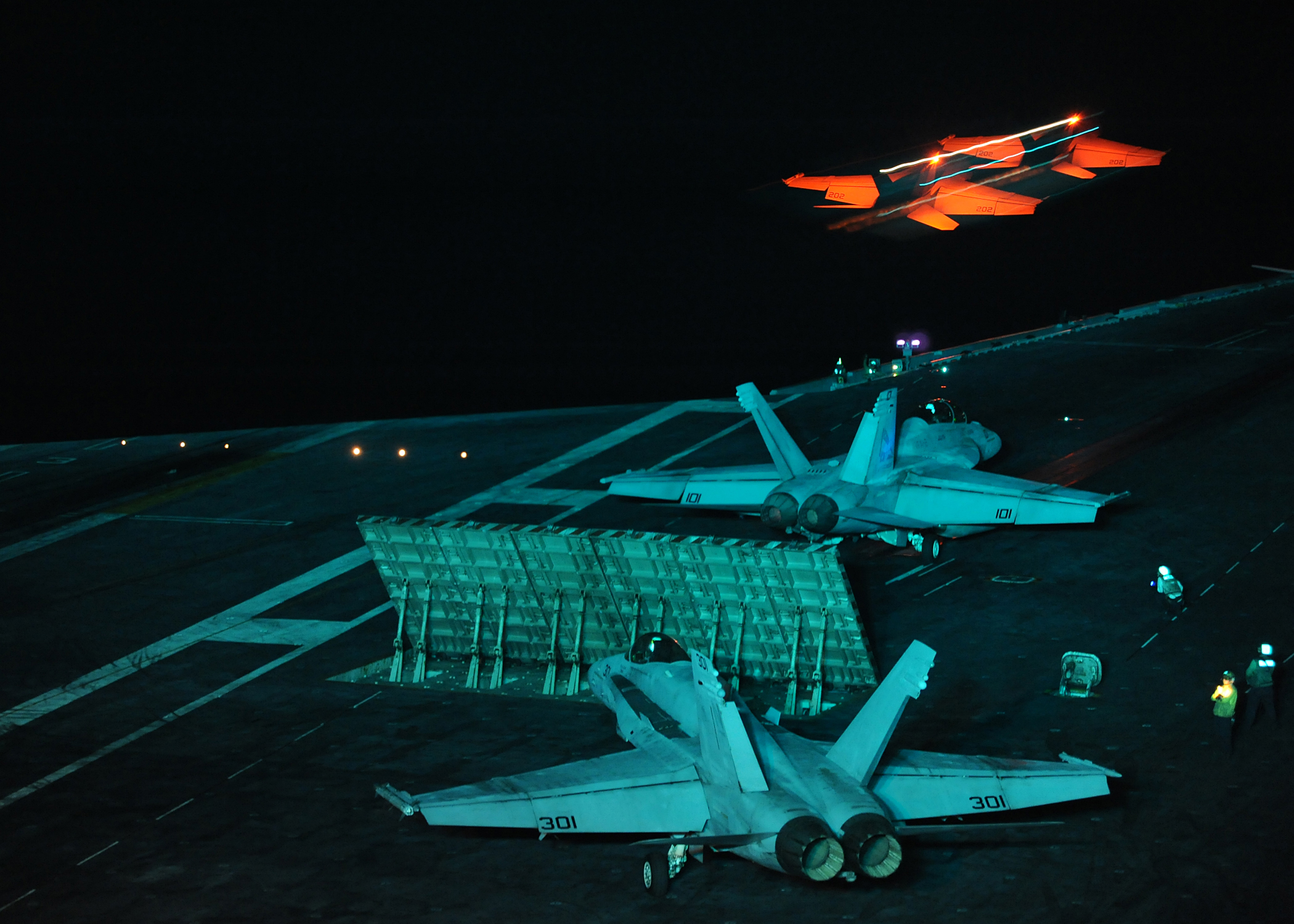
Europe’s designation of Iran’s main army branch as “terrorists” on Thursday is not an endorsement for US military strikes, the EU’s top diplomat has said.
French far-right MEP Virginie Joron claimed she was never punished for rogue election monitoring, but the EU Parliament confirmed she was lying, amid a wider crackdown.
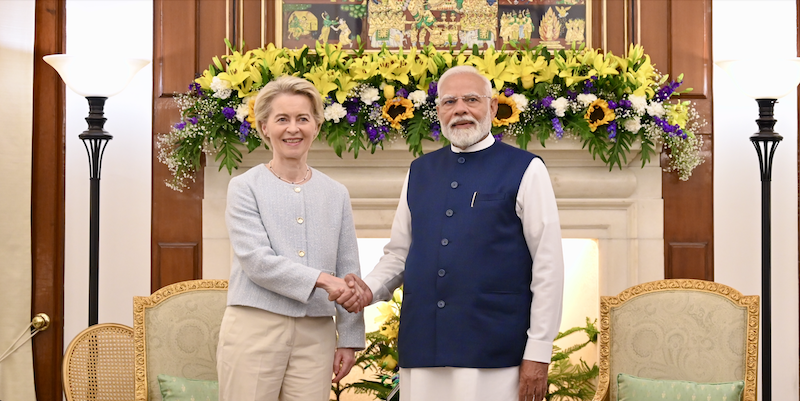
Why the EU-India trade deal sparks both praise and pushback — explained.
Our ongoing week-by-week debrief by award-winning journalist Veronika Munk, explaining the most important political developments in Hungary in the run-up to the crunch April election.
Ten years ago, Germany symbolised Europe’s ‘Willkommenskultur’ (Welcome Culture). Chancellor Angela Merkel’s decision to open borders to refugees in 2015 was framed as a moral and historical responsibility. What has happened since?
Spain wants to regularise half a million undocumented migrants. Meanwhile, the rest of Europe is busy toughening migration rules. Is Spain the very last country on the continent to have a positive message around migration?
In case you missed it
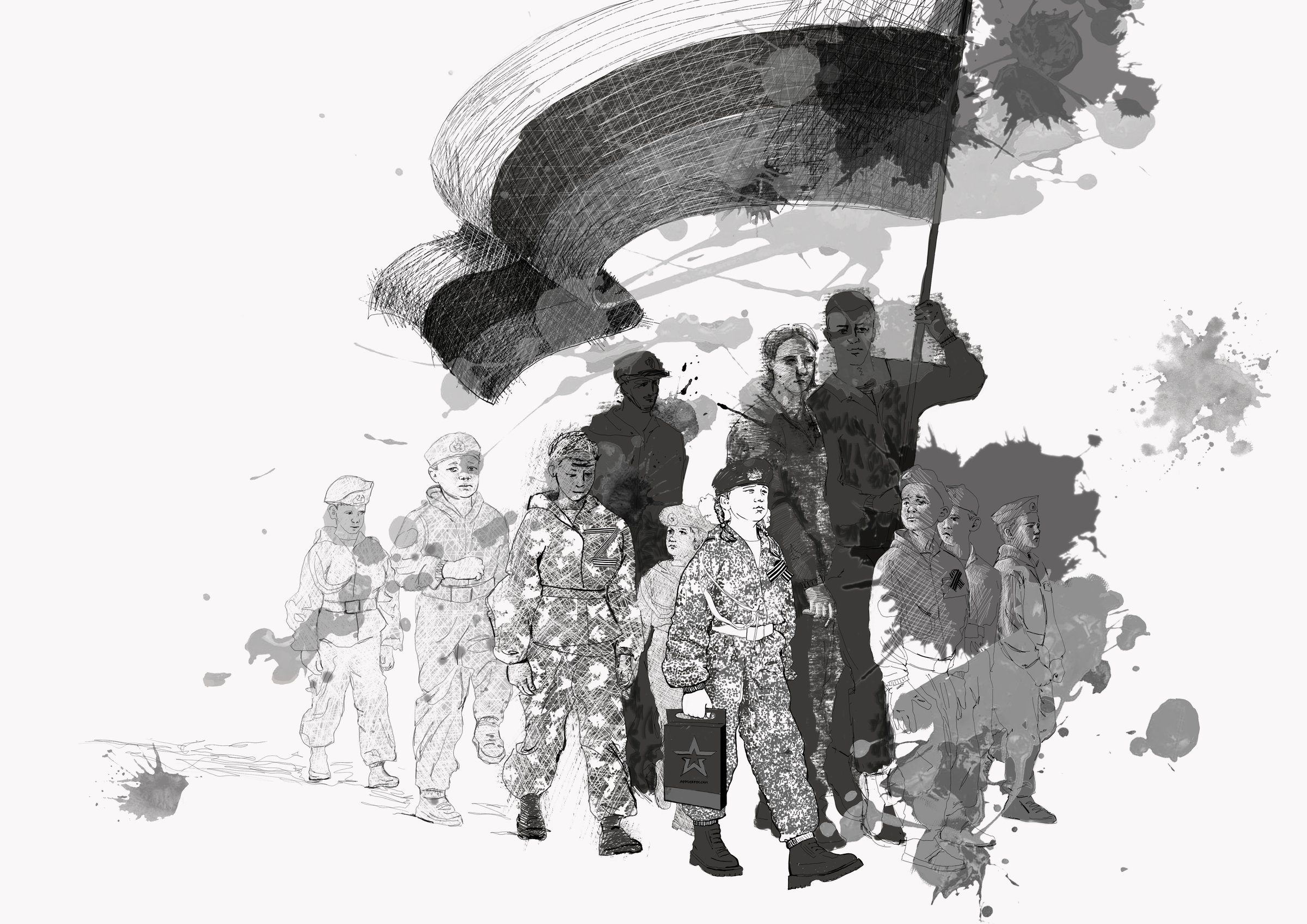
When Russian forces occupy a Ukrainian town, schools are often targeted first. An investigation into hundreds of Telegram posts from Russian propaganda channels operating in occupied Ukraine since 2022 reveals a systematic campaign to militarise and indoctrinate children through schools.
The risk of a small Russian nuclear strike in Europe is rising as the US military deterrent wanes, a British think-tank has warned.
The EU Commission wants to create new partnerships with the private sector to plug the gaps left by falling aid budgets. But it still lacks imagination.
Chemical pollution remains one of the world’s most under-recognised crises. Dr Marcos A. Orellana, UN special rapporteur on toxics and human rights since 2020, talks to EUobserver about the wide gap between the science and the political will, the hidden risks of hazardous chemicals.

The EU and the West’s premise is simple and comforting: Hamas must go, Israel will not rule Gaza, and therefore a reformed Palestinian Authority must step in. But this consensus rests on a political fiction, writes Khalil Shikaki, director of the Palestinian Center for Policy and Survey Research in Ramallah.
Nato is to draw up plans for a new Arctic security mission by July, as one former Italian admiral voices “faith” in US military ties despite the Greenland crisis.



Geen opmerkingen:
Een reactie posten