Good morning.
For all its many public statements on defending rights and saving lives, the European Commission can no longer pretend that its dealings with Libya are anything but a containment policy to prevent people from seeking refuge in Europe.
The United Nations dropped its latest report on Libya on Tuesday (17 February), a 47-page indictment into the widespread and systematic abuse of people attempting to flee a country by the very forces supported by the Brussels-executive.
Slavery, torture, and forced prostitution have now become “business as usual” and a normalised reality for those sometimes apprehended at sea and returned to Libya by the EU-backed Libyan coast guard.
Testimonies recount girls, as young as 14, being raped multiple times at a trafficking house in Tobruk, eastern Libya.
The report, spanning January 2024 to December 2025, uncovers an “exploitative model preying on migrants, asylum-seekers and refugees.”
A section dedicated to the European Union says its mission to the country supports Libyan operations in border areas where people are at a high risk of abuse, including trafficking, arbitrary detention, torture, forced labour and modern slavery.
It also handed over roughly €65m to Libya for initiatives related to migration control, border management, and protection measures between 2015 and 2021, with funding commitments now extended through 2027.
And earlier this year, the European Commission confirmed it was financing a new search-and-rescue centre in Benghazi, in the eastern region of Libya, under commander Khalifa Haftar’s control.
Magnus Brunner, the EU’s home affairs commissioner, once described the Libyan authorities as a “bit dodgy”. His predecessor went further and said the Libyan coast guard was infiltrated by criminal gangs.
Last month, Brunner presented the latest commission strategy on migration as one built around saving lives.
“We shouldn’t forget that any smuggling trip prevented is potentially a life which we save also,” he told reporters.
Tell that to the 14-year olds in Tobruk.
Nikolaj Nielsen, home-affairs editor
What else you need to know
The EU Commission has tabled the law on Gibraltar’s legal status, giving the Rock’s citizens free movement.
E-commerce giant Shein will be investigated by the European Commission for potential violations of the Digital Services Act for potentially illegal products, addictive design, and transparency violations.
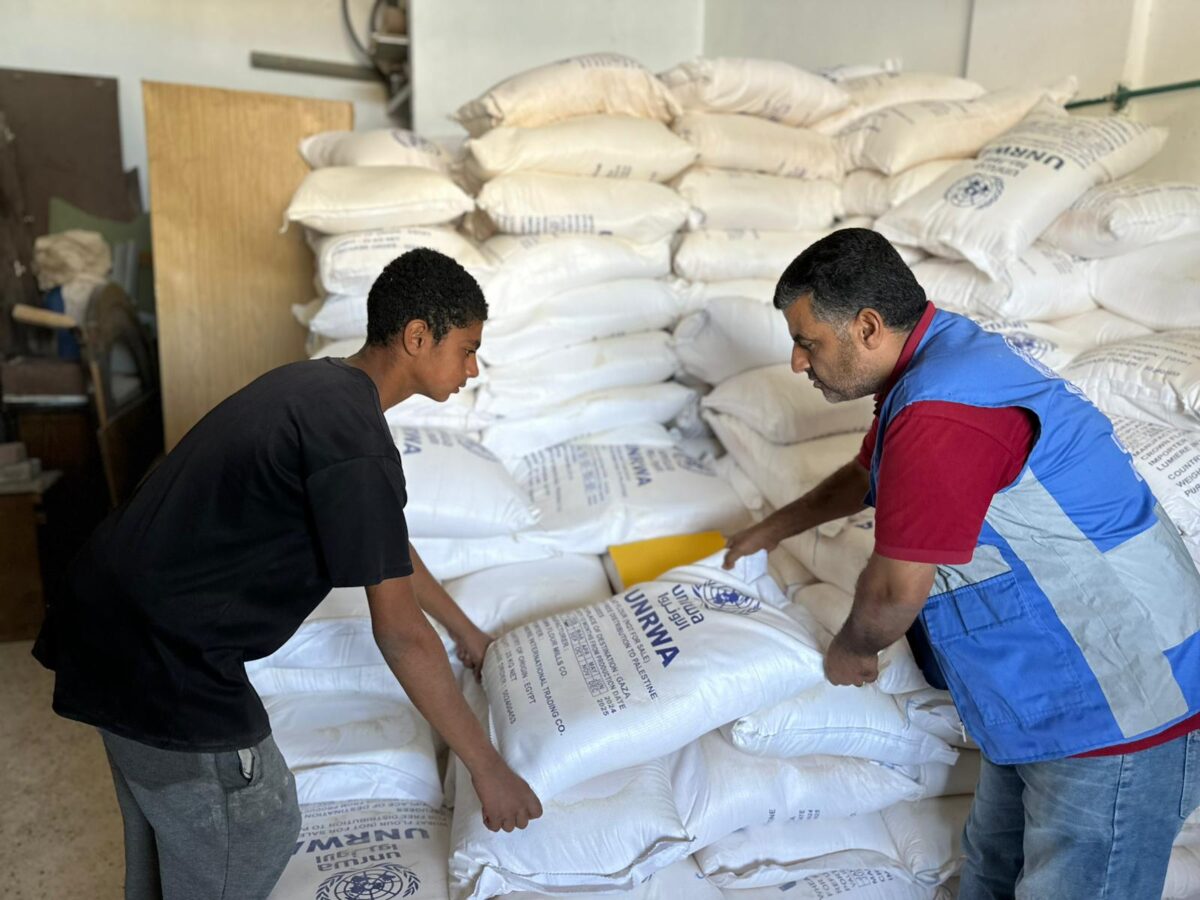
Israel’s intelligence services already maintain extensive knowledge of who works for these NGOs. The new registration requirements appear designed primarily to demonstrate control, writes the former EU representative to Gaza and the West Bank.

Europe’s push for an “Airbus of payments” reflects real fears of foreign control, but the political discourse is not getting the diagnosis right. True sovereignty lies not in replacing Visa and Mastercard, but in fostering interoperable European alternatives that compete, writes Judith Arnal.
What was announced as a ‘new gateway to European justice’ has law scholars and professionals up in arms about their ability to conduct research effectively, and potentially “de-democratising access to public data, fuelling an industry of commercial actors”.
The EU is readying new rules to speed up deportations of irregular migrants — but dozens of NGOs warn the measures could mirror hard-line tactics used by US immigration authorities. Is Europe about to take a tougher turn on migration?

As 2026 marks the 40th anniversary of Chernobyl, commemorating it as a historical aberration allows Europe to move on without reckoning. Treating it as a warning about the limits of nuclear governance would require something harder: political humility.
In case you missed it
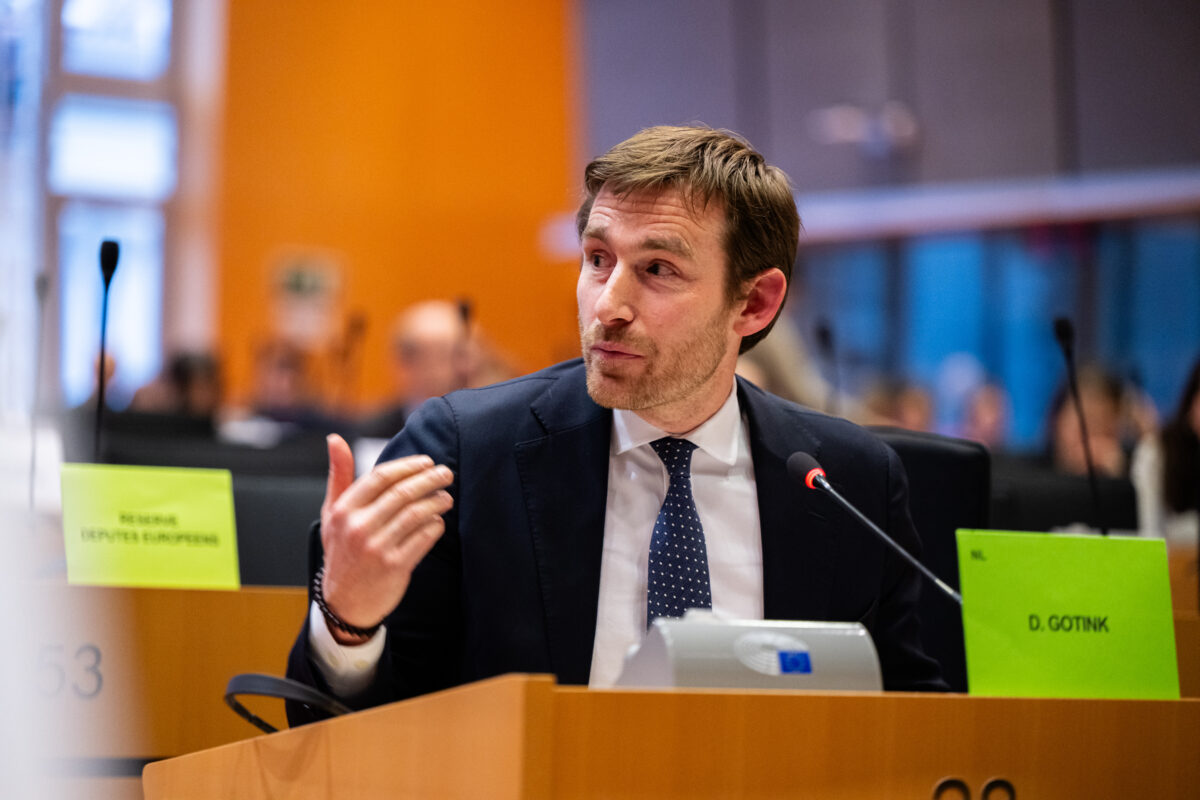
“The problem that we’re pursuing here is not to establish whether things are illegal, it is to establish whether politically it is undesirable,” admitted Dirk Gotnik, a Dutch centre-right MEP with the European People’s Party.
Croatia’s Dubravka Suica will be representing Brussels at the launch of Donald Trump’s Board of Peace on Thursday.
One of the goals, according to EU economy commissioner Valdis Dombrovskis (whose team oversaw the report), was to identify “obstacles” to wider euro adoption.
The European Environment Agency warns “according to some estimates, about eight percent of deaths can be attributed to hazardous chemicals. These numbers could be [an] underestimate.” That’s why the EU chemicals REACH policy needs urgent reform.
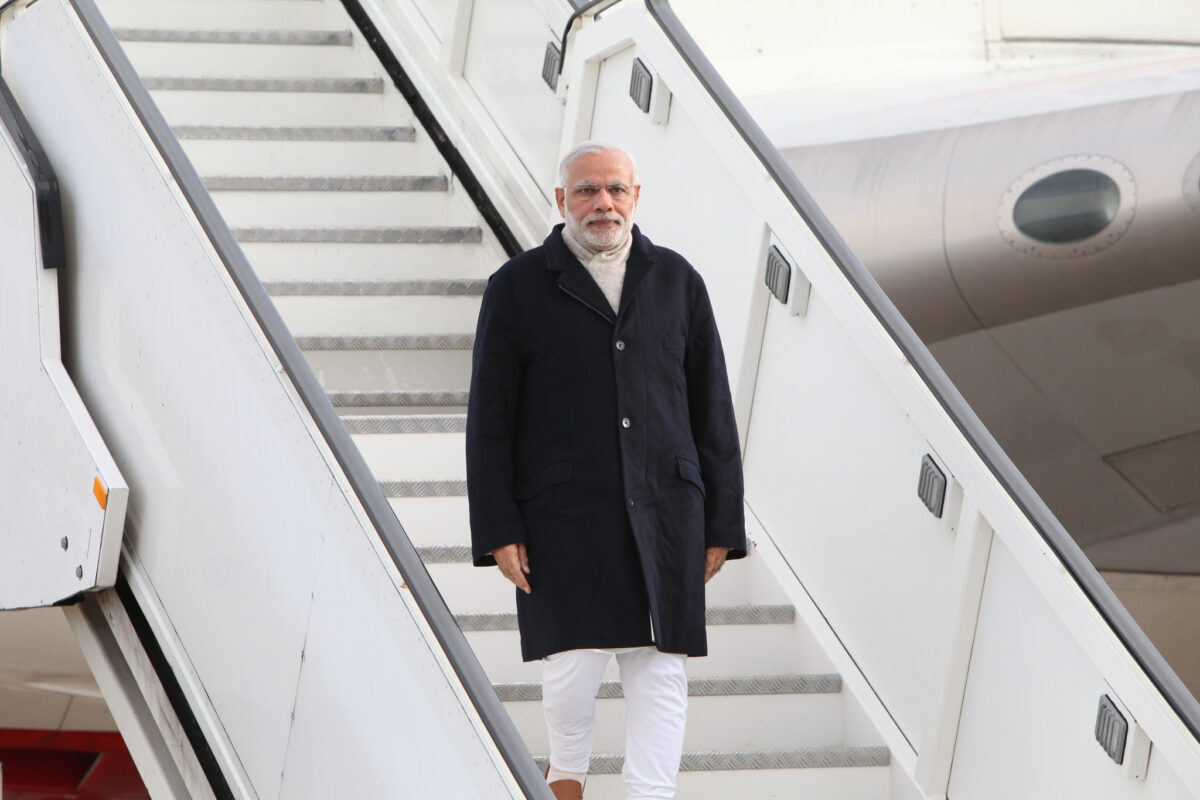
French president Emmanuel Macron lands in New Delhi on Monday where he and other EU leaders will join prime minister Narendra Modi and AI executives future of AI at the India AI Impact Summit 2026.
“There were more civilians killed and injured in 2025 than in the previous three years,” Bernadette Castel-Hollingsworth, who heads the UN refugee agency’s division in Ukraine, told EUobserver
The recent US report on ‘EU censorship’ left dozens of names of civil society and EU officials unredacted in emails – while carefully hiding company employee names.
OpenAI spends more on AI than the whole EU. Europe is lagging in the innovation race — here’s why, and how it plans to catch up.




Geen opmerkingen:
Een reactie posten