Good morning.
With the ongoing (largely-fruitless, seemingly-stalling), peace talks taking place between Ukraine and Russia in Geneva (yesterday's broke up after just two hours), and concern beyond the frontline focussing on the freezing and brutal winter being endured by the civilian population of Kyiv and elsewhere, Brussels' view on the future EU accession of Ukraine has somehow slipped out of focus.
It shouldn't. As our opinion piece from the European Policy Centre points out, there is now talk of a fast-tracked 'reversed enlargement' with Ukraine joining the bloc (on the most optimistic estimate) in 2027.
There are several problems with that. Ukraine isn't ready, and won't be by 2027. So any "membership" would be of a restrained, qualified nature. President Volodmyr Zelensky isn't happy with that, calling it "second-class membership".
But also unhappy with it would be Moldova and the Western Balkan states, who have waited patiently for years for membership, while embarking on the painful but necessary reforms.
But there are further, longer-term problems nobody seems to like talking about.
Ukraine's rampant corruption problems, for one. It has gone up one place in the Transparency International rankings this year — but still ranks 104th out of 182 countries in the world. That problem is highly unlikely to have been eased by the inflow of hundreds of billions of dollars during wartime conditions. A corruption scandal before Christmas linked to the country's Energoatom saw two of Zelensky's ministers resign. Then, in November, Zelensky's chief of staff also resigned after anti-corruption raided his home. Also due to wartime conditions, stories that merited more attention than it got.
Then there's Ukraine’s size, both in terms of agricultural production land and population. With the refugee crisis from the war, it's hard to gauge an up to date population figure, but Ukraine would likely get a major national bloc of MEPs, around 55 and so be a significant player in the parliament, whilst its cheap farm exports have already alienated farmers in neighbouring Poland and elsewhere, and its huge agriculture sector would soak up a lot of the current Common Agriculture Policy subsidies.
The list goes on, none of it insurmountable, but all of it needing careful logistical, not just political or moral, reckoning in Brussels.
Matt Tempest, comment editor
In case you missed it
Europe’s push for an “Airbus of payments” reflects real fears of foreign control, but the political discourse is not getting the diagnosis right. True sovereignty lies not in replacing Visa and Mastercard, but in fostering interoperable European alternatives that compete, writes Judith Arnal.
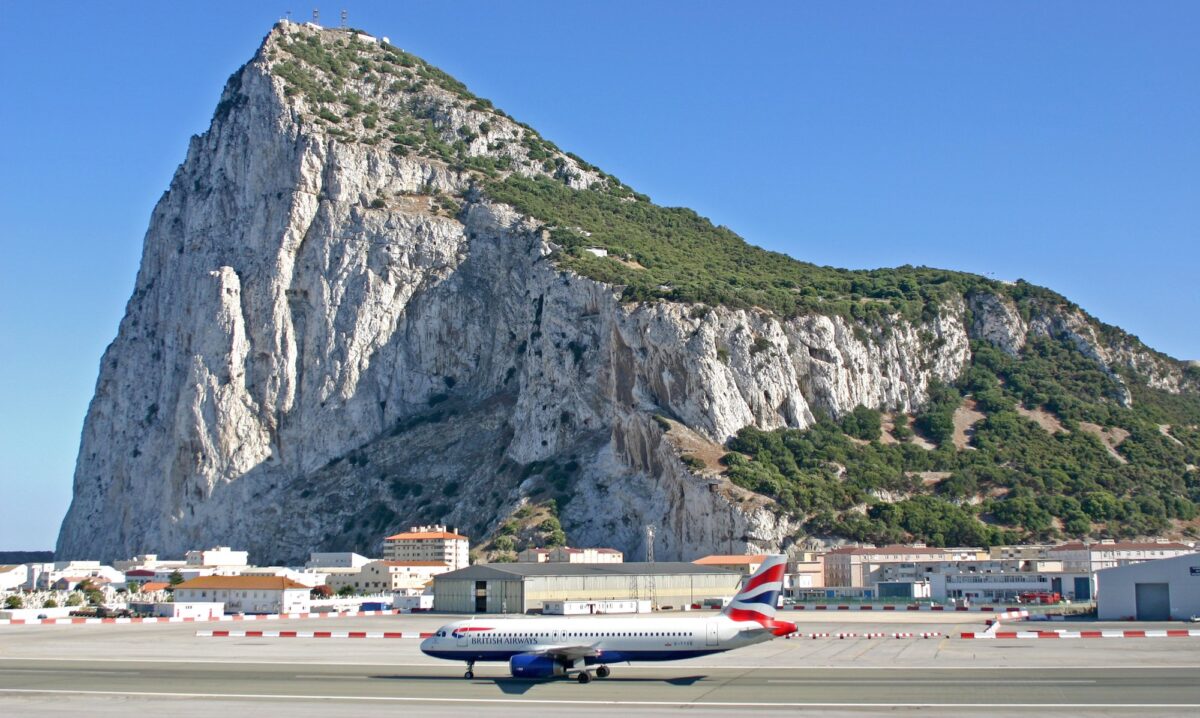
The EU Commission has tabled the law on Gibraltar’s legal status, giving the Rock’s citizens free movement.
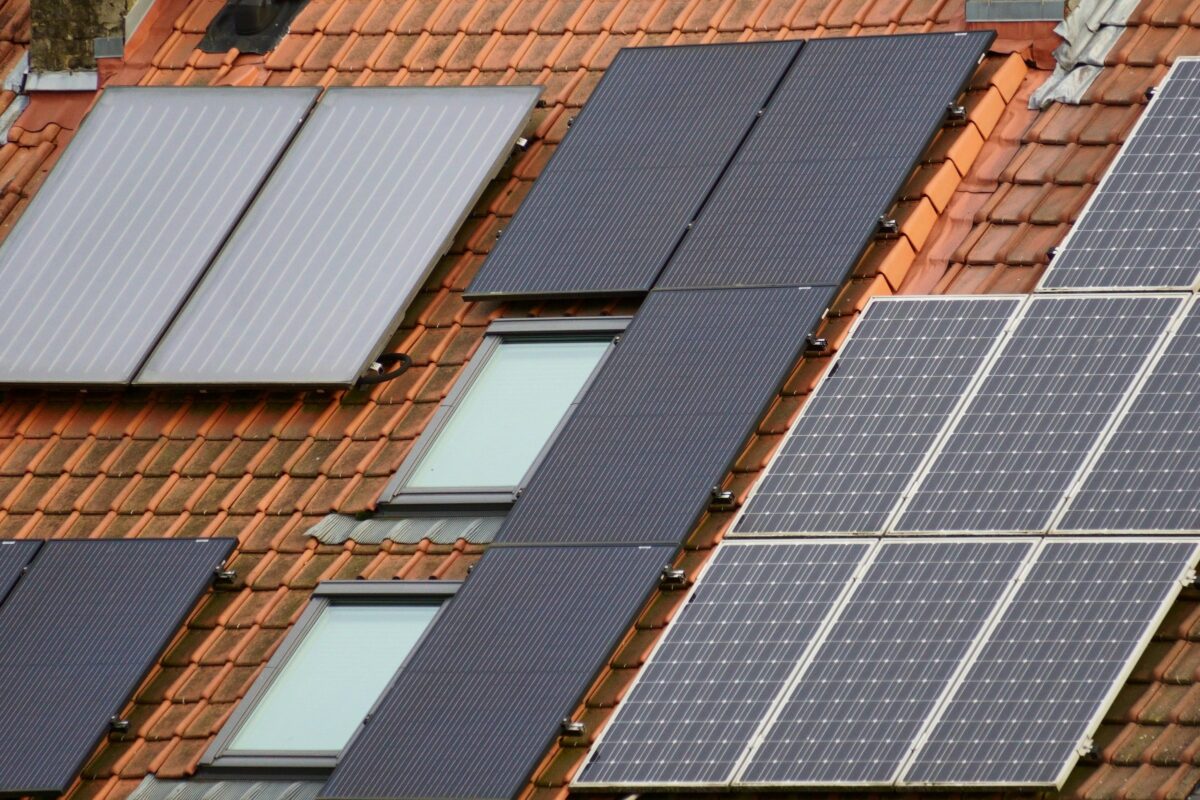
The European Commission is planning to introduce “Made in EU” requirements across a wide range of strategic sectors, from chips, cars, and chemicals to quantum technologies and renewable energy.
Spain’s government has asked its public prosecutor on Tuesday to investigate TikTok, X, and Meta for potentially spreading AI-generated child sexual abuse material on their platforms.
It is the first known case in the EU where a human-rights defender faces imprisonment for organising a Pride march, according to civil society.
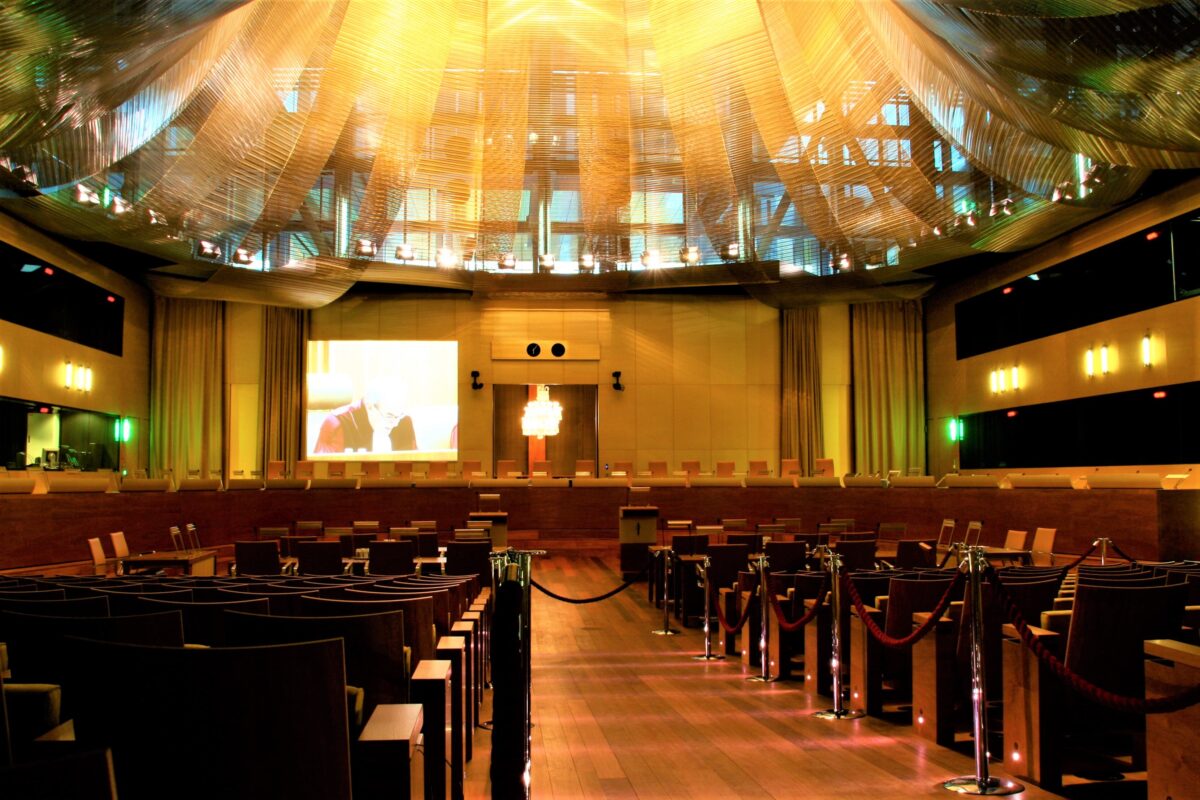
What was announced as a ‘new gateway to European justice’ has law scholars and professionals up in arms about their ability to conduct research effectively, and potentially “de-democratising access to public data, fuelling an industry of commercial actors”.
One of the goals, according to EU economy commissioner Valdis Dombrovskis (whose team oversaw the report), was to identify “obstacles” to wider euro adoption.
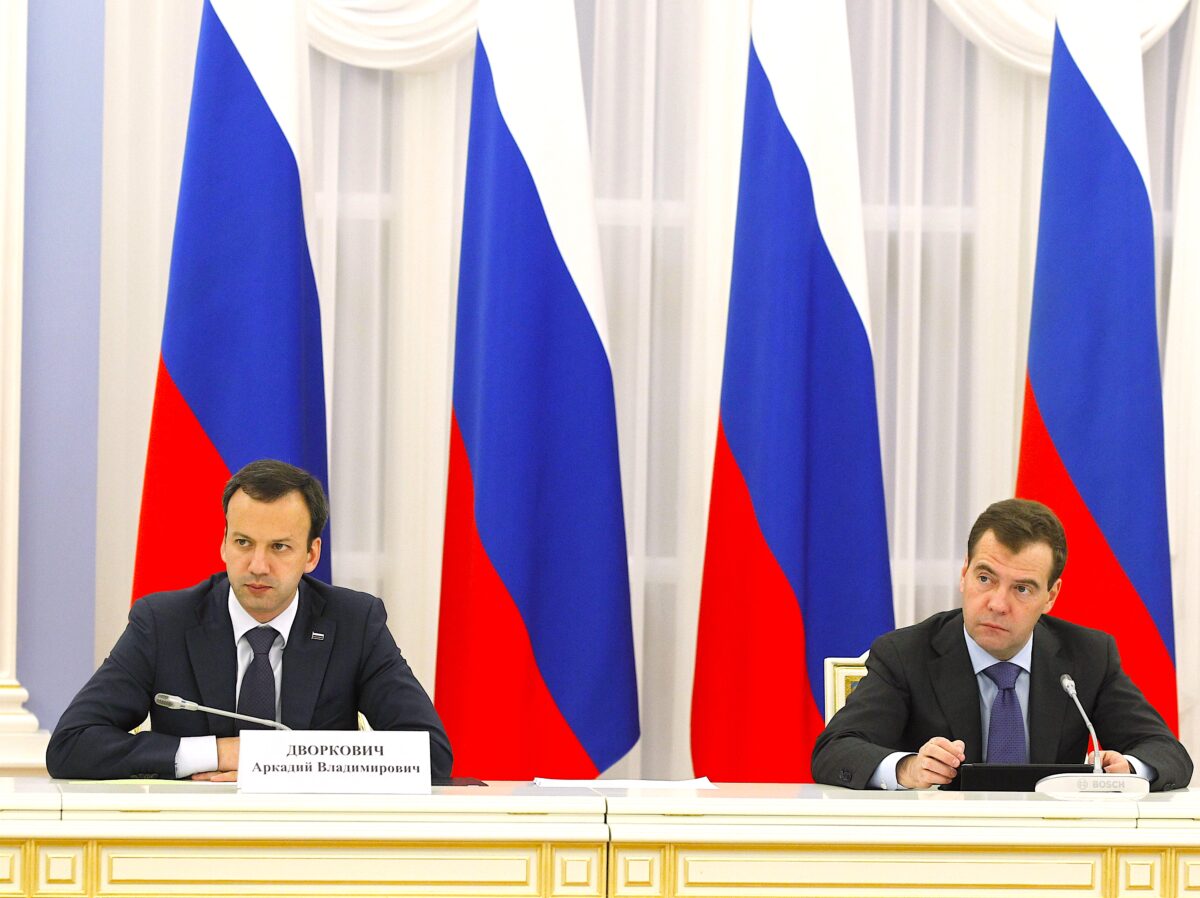
The Russian president of the international chess federation, Arkady Dvorkovich, might be forced out of his role at a showdown in Samarkand — especially if he was to face an EU visa-ban.


Geen opmerkingen:
Een reactie posten