Good morning.
"Do you have corruption in your country?" a Nairobi taxi driver asked me a few days ago. He seemed reassured by my reply that "Yes, we do, it’s just a bit more subtle".
British corruption is more subtle, but it’s no less nefarious than any other form of graft. Our corruption and nepotism is typically based on who you went to school or university (Oxford or Cambridge) with, and which politicians or senior officials in government, high finance or otherwise are your friends. Billions of pounds of taxpayer money was lost to corruption during the Covid pandemic, as countless procurement contracts were awarded without due tender processes.
But there’s nothing subtle about the accusations facing Andrew Mountbatten-Windsor – the man formerly known as Prince Andrew – after he was arrested and his house on his brother, King Charles II’s private estate, was raided by the police.
Mountbatten-Windsor was in custody under police caution on Thursday (19 February) evening pending investigation into allegations of ‘misconduct in public office’ aka grand corruption.
A friend of Jeffrey Epstein, the paedophile and sex trafficker, Mountbatten-Windsor is arguably the biggest fish to have been snared by data dump of several million pages of emails and text by the US Department of Justice.
The allegations date back to when he was UK trade envoy between 2001 and 2011. Fame and fortune can buy you many things and while it can’t make you a prince, it can make it easier to be friends with a prince.
Andrew’s arrest is very, very, big news in Britain. The last British royal to be arrested was King Charles I in 1648 at the end of a civil war which he lost. Unlike Charles, Andrew won’t be beheaded, though he could still face jail time.
But he’s not the only big name to be caught in the Epstein net. Norway’s former prime minister Thorbjørn Jagland is under investigation for "aggravated corruption", while prosecutors in France have launched several investigations into Epstein era offences involving public officials. In Slovakia, national security advisor Miroslav Lajčák, a former foreign minister, has resigned over his links to Epstein.
Like all good corruption scandals, this one is being drip-fed slowly. Such was Epstein’s network of politicians and top officials on speed dial; we may still only have touched the tip of the tentacle.
Benjamin Fox, trade and geopolitics editor
What else you need to know
The European Commission says their presence at Donald Trump’s Board of Peace is needed because they have invested heavily in Gaza – despite reported objections from France and Spain.
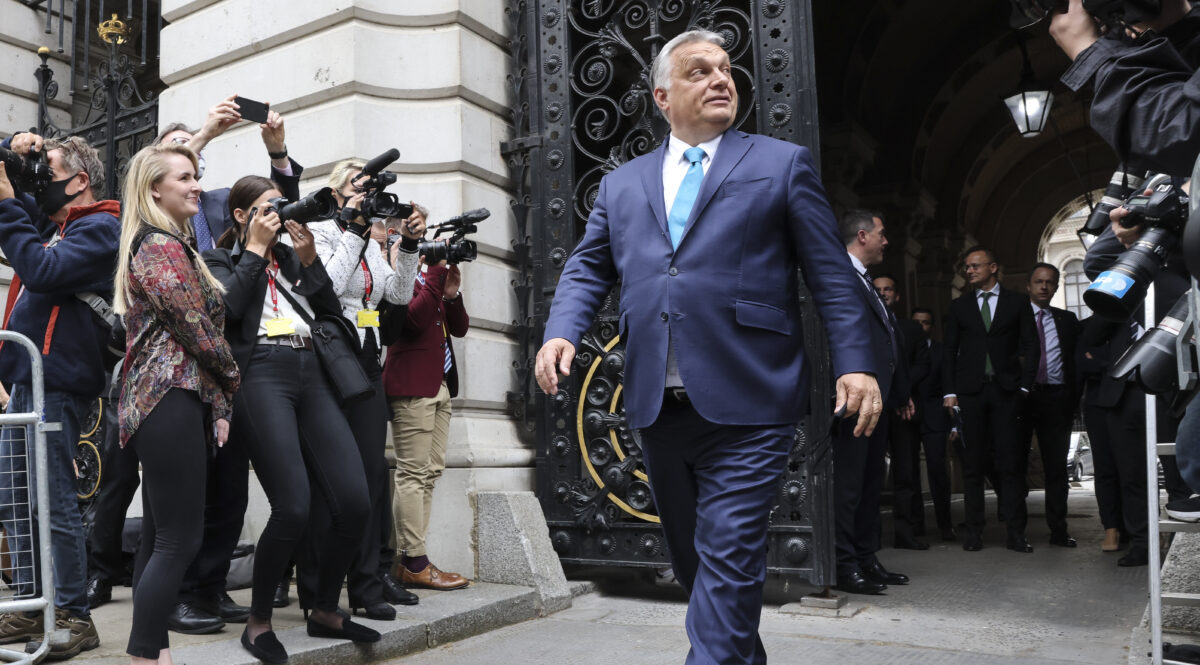
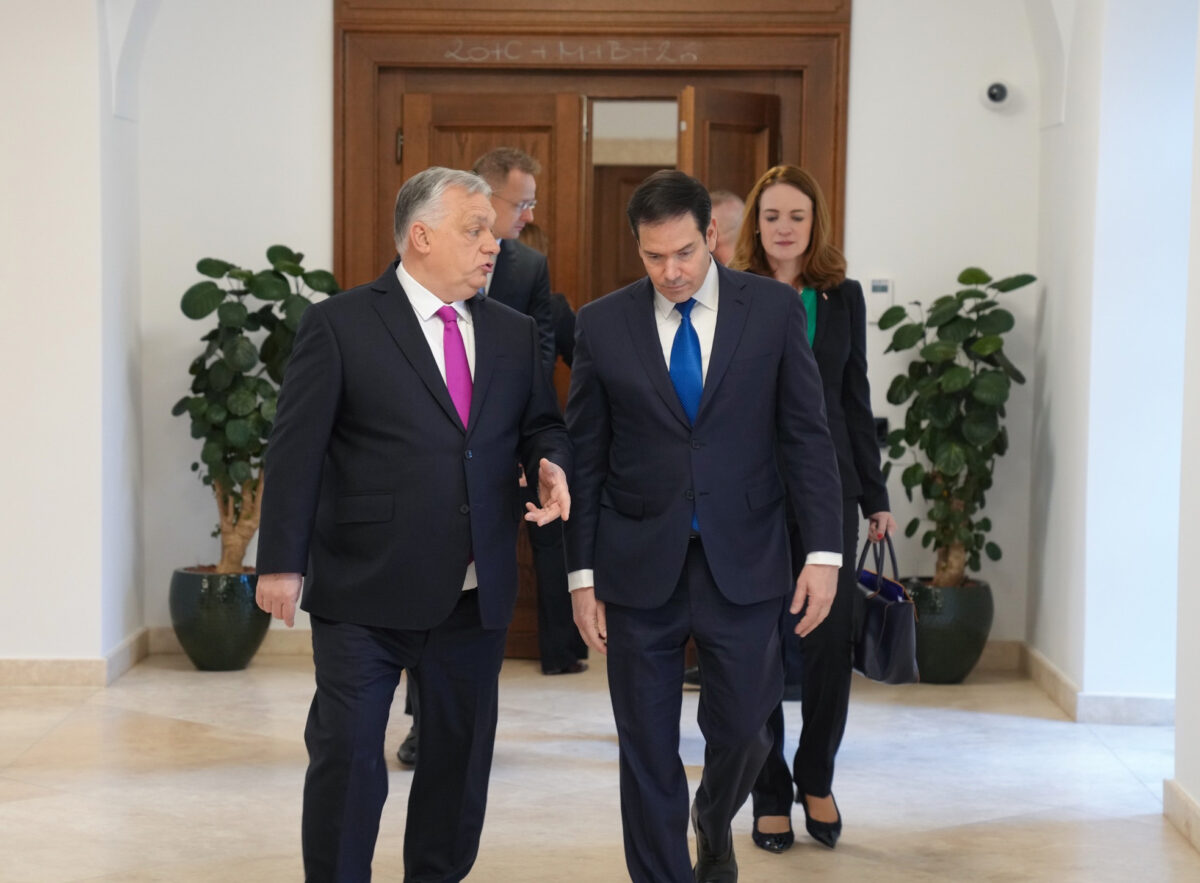
Viktor Orbán has also pledged, in his annual address earlier this month, to “clear out” after the April elections media and civil society organisations deemed to threaten “sovereignty.” Fidesz already directly or indirectly control 80 percent of Hungary’s media.
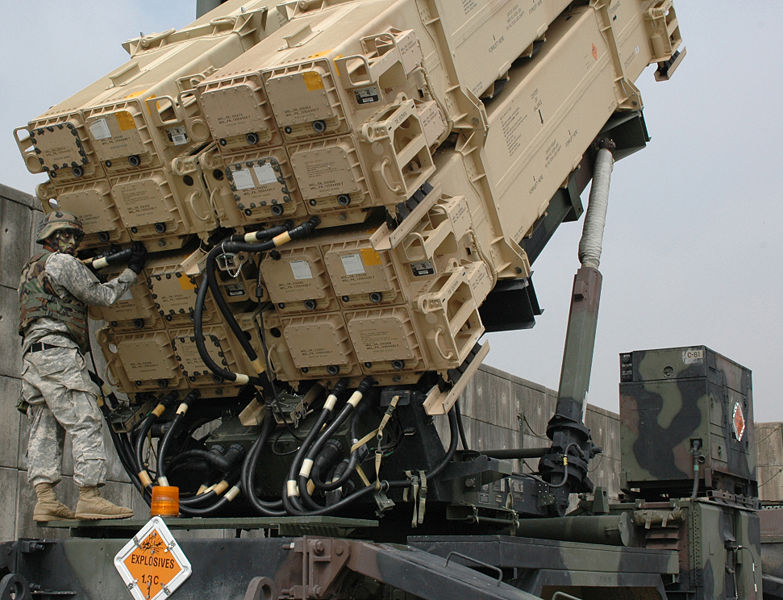
Last year, Europe became Ukraine’s main supporter, providing over $200bn (€170bn) in military, financial, and humanitarian aid, while US assistance dropped sharply, shifting the war’s centre of gravity to the EU.
The EU’s crisis commissioner Hadja Lahbib has made a three-day visit to eastern DR Congo and Burundi this week, to see for herself the scale of the refugee crisis.
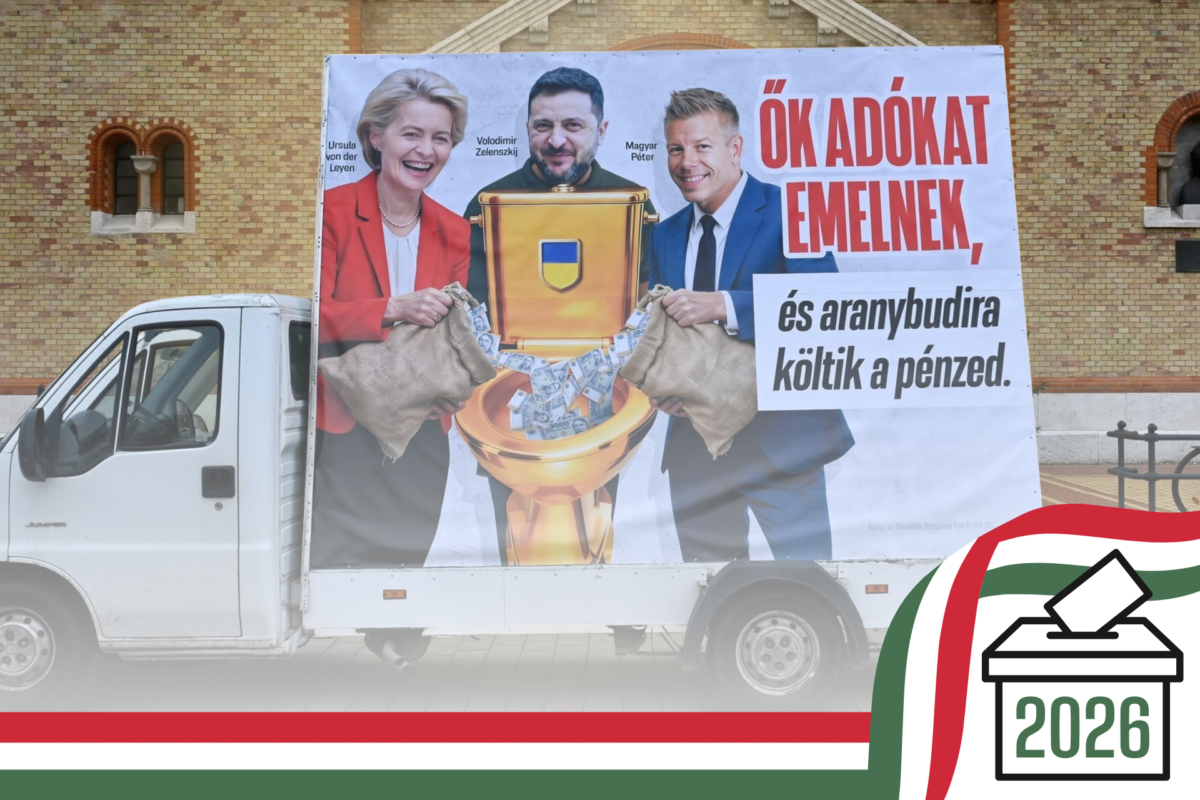
In this week’s digest from the Hungarian election campaign trail: Ukraine oil rows, Viktor Orban vows to finish off the job against civil society and independent media after April election and accuses the Shell oil company of being behind the opposition.
The peace talks between Ukraine and Russia started in Abu Dhabi last month and continued in Geneva this week, but do not include the EU. Apart from being informed, how is the EU contributing to peace efforts?
The Swiss-based International Chess Federation or World Chess Federation (FIDE) rejects allegations that its president, Arkady Dvorkovich, backed Russia’s invasion or organised events in occupied Ukraine, arguing claims misrepresent his honorary CFR role and federation decisions.
In case you missed it
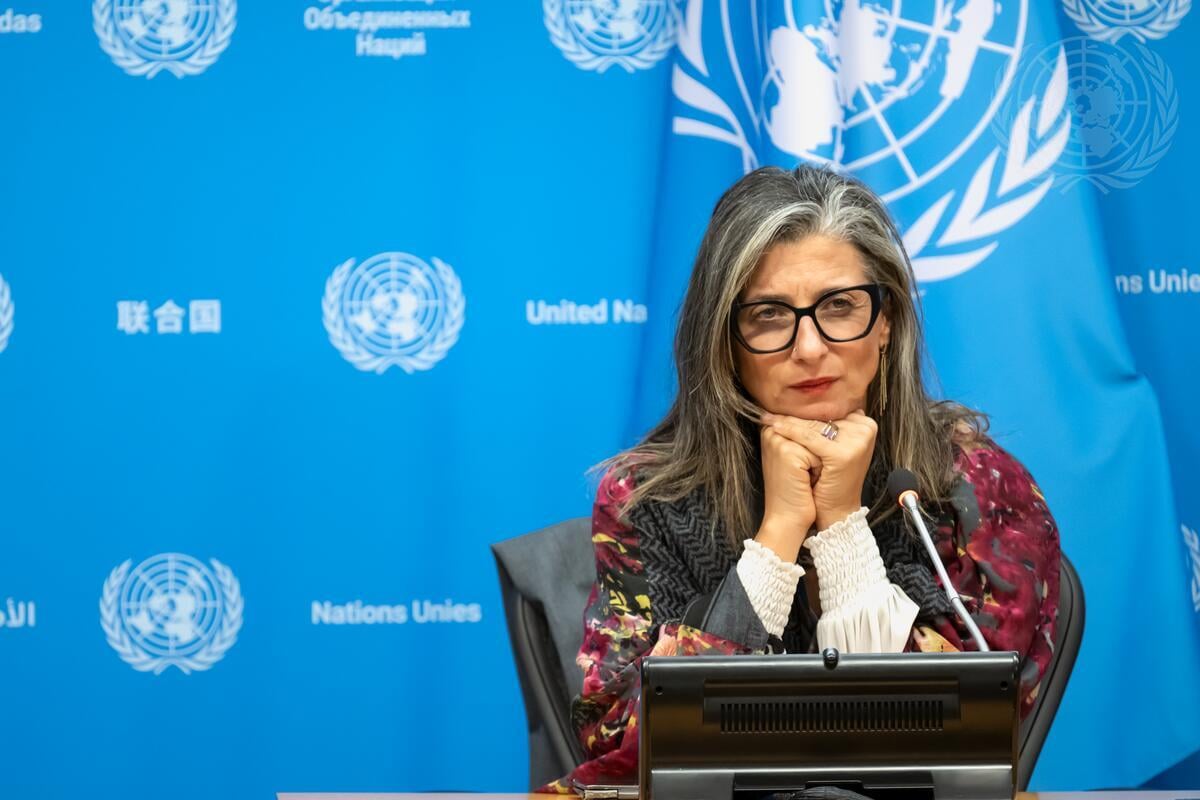
The ex-ministers, ambassadors, and diplomats accuse French foreign minister Jean-Noël Barrot of spreading disinformation and called for a correction of his comments about UN rapporteur for Palestine, Francesca Albanese.
Europe’s push for an “Airbus of payments” reflects real fears of foreign control, but the political discourse is not getting the diagnosis right. True sovereignty lies not in replacing Visa and Mastercard, but in fostering interoperable European alternatives that compete, writes Judith Arnal.
The EU Commission has tabled the law on Gibraltar’s legal status, giving the Rock’s citizens free movement.
The European Commission is planning to introduce “Made in EU” requirements across a wide range of strategic sectors, from chips, cars, and chemicals to quantum technologies and renewable energy.
It is the first known case in the EU where a human-rights defender faces imprisonment for organising a Pride march, according to civil society.
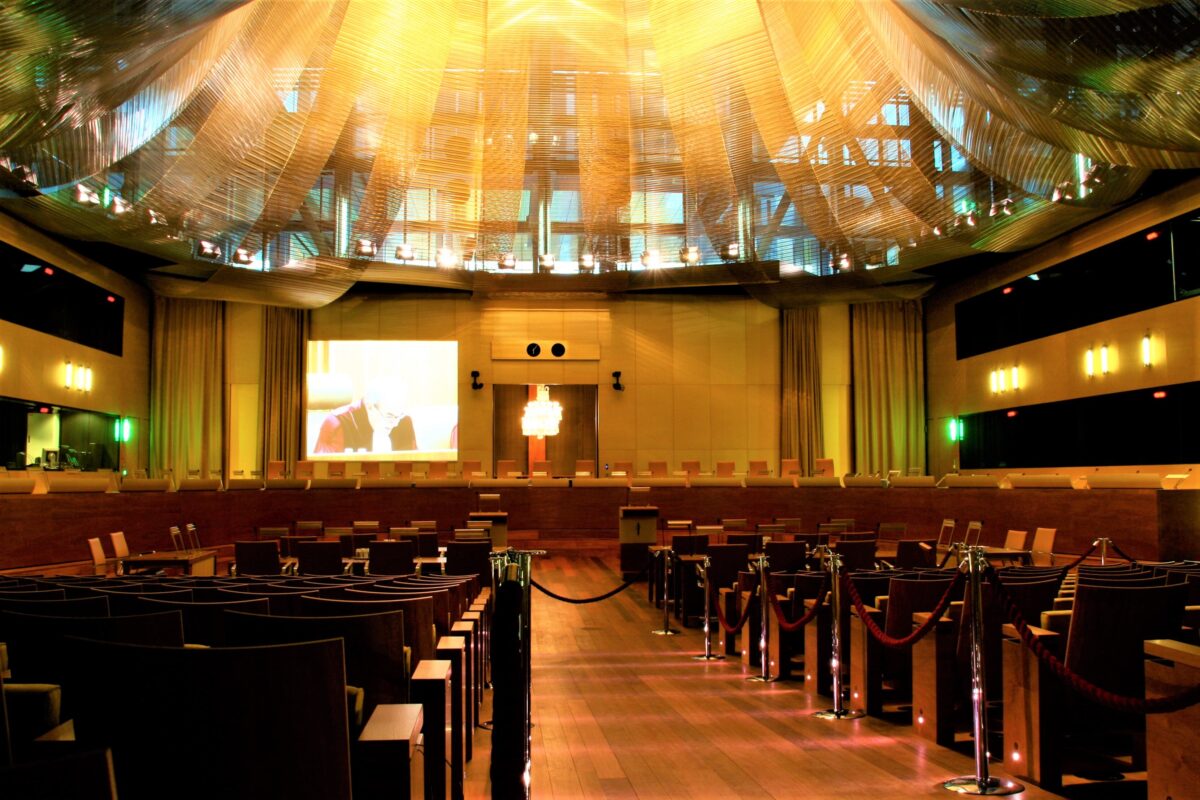
What was announced as a ‘new gateway to European justice’ has law scholars and professionals up in arms about their ability to conduct research effectively, and potentially “de-democratising access to public data, fuelling an industry of commercial actors”.
One of the goals, according to EU economy commissioner Valdis Dombrovskis (whose team oversaw the report), was to identify “obstacles” to wider euro adoption.


Geen opmerkingen:
Een reactie posten