Good morning.
It's déjà vu as Hungary and Slovakia blackmail the EU on Ukraine, but it's also uglier this time.
The Kremlin-friendly Hungary is saying it will block a €90bn EU loan to Ukraine and the 20th round of Russia sanctions unless Kyiv repairs the 'Druzhba' oil pipeline.
In reality, Budapest is probably aiming at minor concessions in the next round of Russia sanctions, for instance, to get Hungarian foreign minister Peter Szijarto's friend, the FIDE chess federation's Russian boss, Arkady Dvorkovich, off the new blacklist.
Meanwhile, the pro-Kremlin Slovakia has threatened to "stop emergency electricity supplies to Ukraine" over Druzhba, while also haggling for EU sanctions concessions in the background.
It’s déjà vu because Hungarian prime minister Viktor Orbán and Slovak prime minister Robert Fico have used the same veto tactics in almost every round of Russia measures.
They make big threats on social media in the run-up to an EU deadline, then fold in face-to-face talks in return for small concessions, such as a non-binding declaration on energy security.
Hungary is lobbying to get sporting personalities, including Dvorkovich, off the 20th round list, diplomatic contacts said, in what the Ukrainian chess federation, FSUE, has called “shameful”.
Orbán and Fico’s pipeline pressure is also forcing Kyiv to do political masochism, by repairing damage from an accidental Russian air strike so that its aggressor can keep selling oil to Europe.
But it’s all uglier than usual because Orbán is threatening to bankrupt Ukraine by April, while Fico is threatening to use the freezing winter against Ukrainian civilians the same way Russia did by bombing energy infrastructure.
They’re both threatening an EU fiasco if there was no funding or sanctions deal by the fourth anniversary of Russia’s full invasion of Ukraine on 24 February.
They likely feel emboldened by US president Donald Trump’s endorsement.
And Orbán might want an international punch-up to energise his anti-EU base ahead of national elections in April.
Indeed, they seem more disruptive than ever, but I still find it hard to believe they’re not bluffing as usual.
The EU has created Orbán workarounds on Ukraine whenever it needed to in the past, including via toilet breaks and trade laws, while the Ukraine funding issue is too big to fail.
Maybe that’s why the FT gave his €90bn gambit just 600 words low down on its news page on Saturday.
And the majority of EU diplomats I’ve been speaking to are confident there’ll be a sanctions deal by 24 February.
So why do I always fall for Orbán and Fico’s rage bait, while also serving it up to you?
Perhaps in hope that these two finally start getting nothing in return for their bluffs, not even one more pawn, by helping people to see them for what they are.
Andrew Rettman, foreign-affairs editor
In case you missed it
The European Commission says their presence at Donald Trump’s Board of Peace is needed because they have invested heavily in Gaza – despite reported objections from France and Spain.
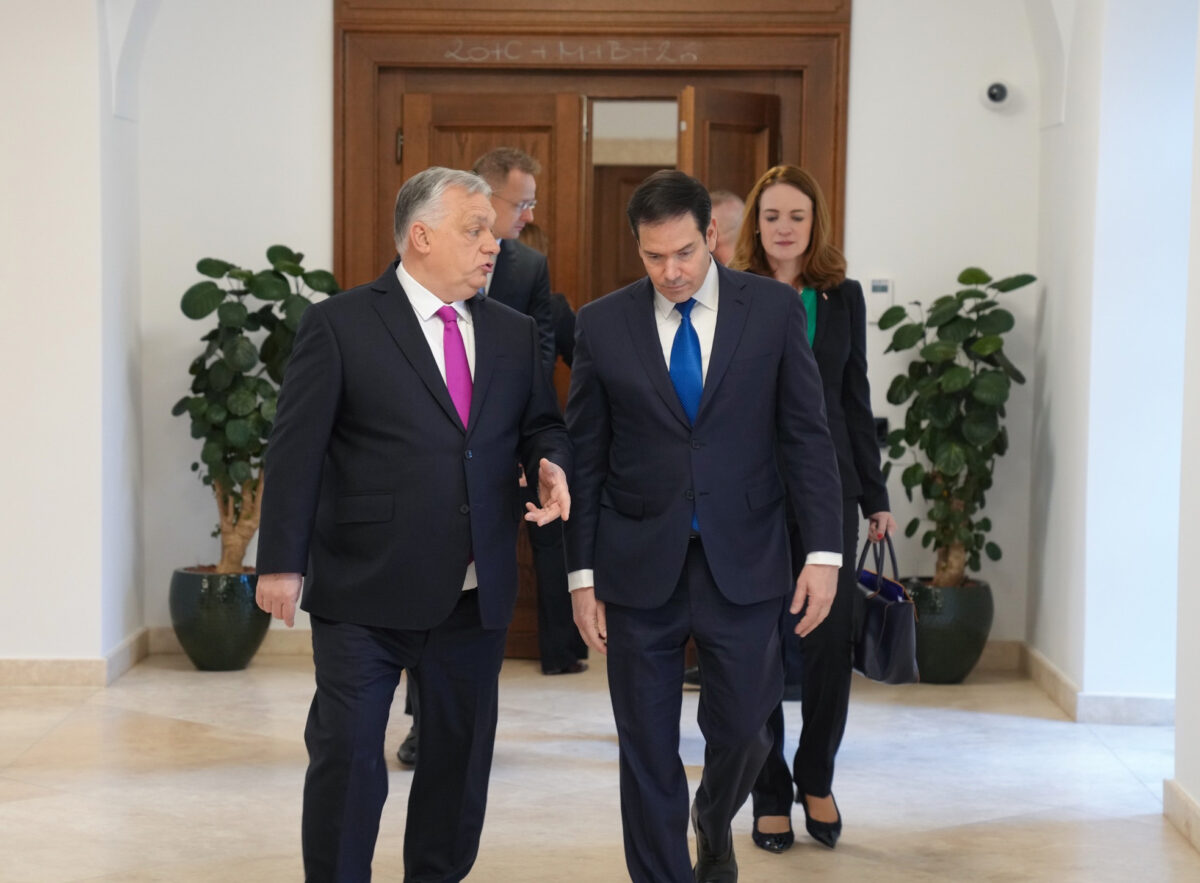
Hungary and Slovakia risk delaying new EU sanctions on Russia, but Malta is falling into line, less than a week before Europe’s Ukraine-anniversary deadline.
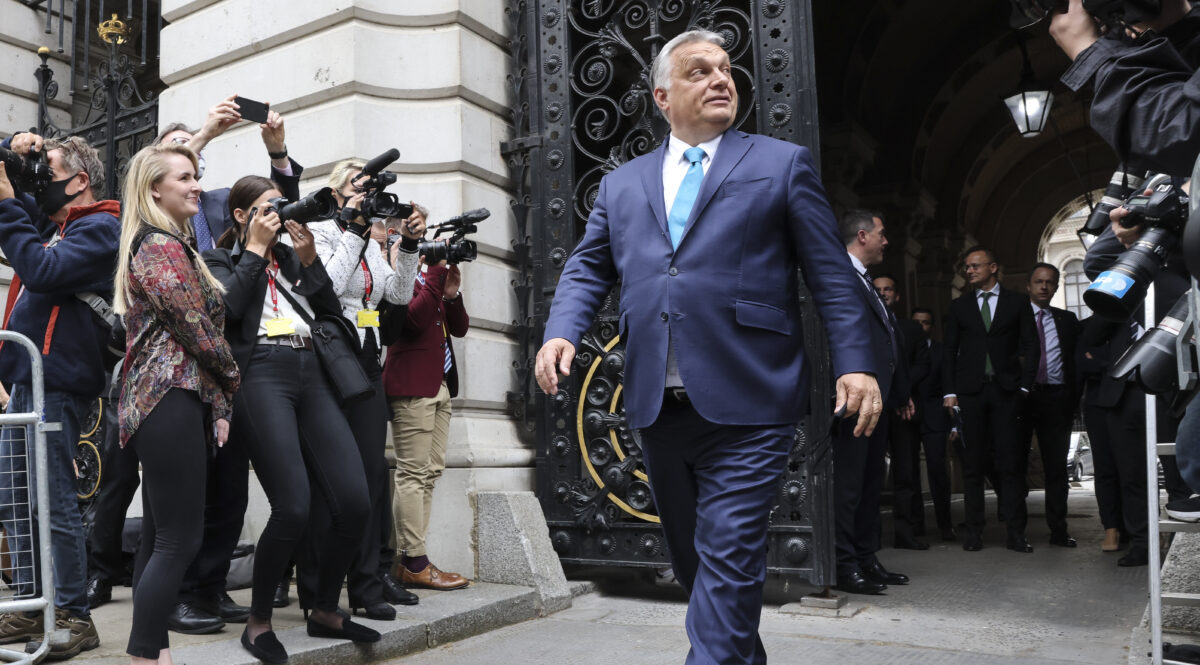
Viktor Orbán has also pledged, in his annual address earlier this month, to “clear out” after the April elections media and civil society organisations deemed to threaten “sovereignty.” Fidesz already directly or indirectly control 80 percent of Hungary’s media.
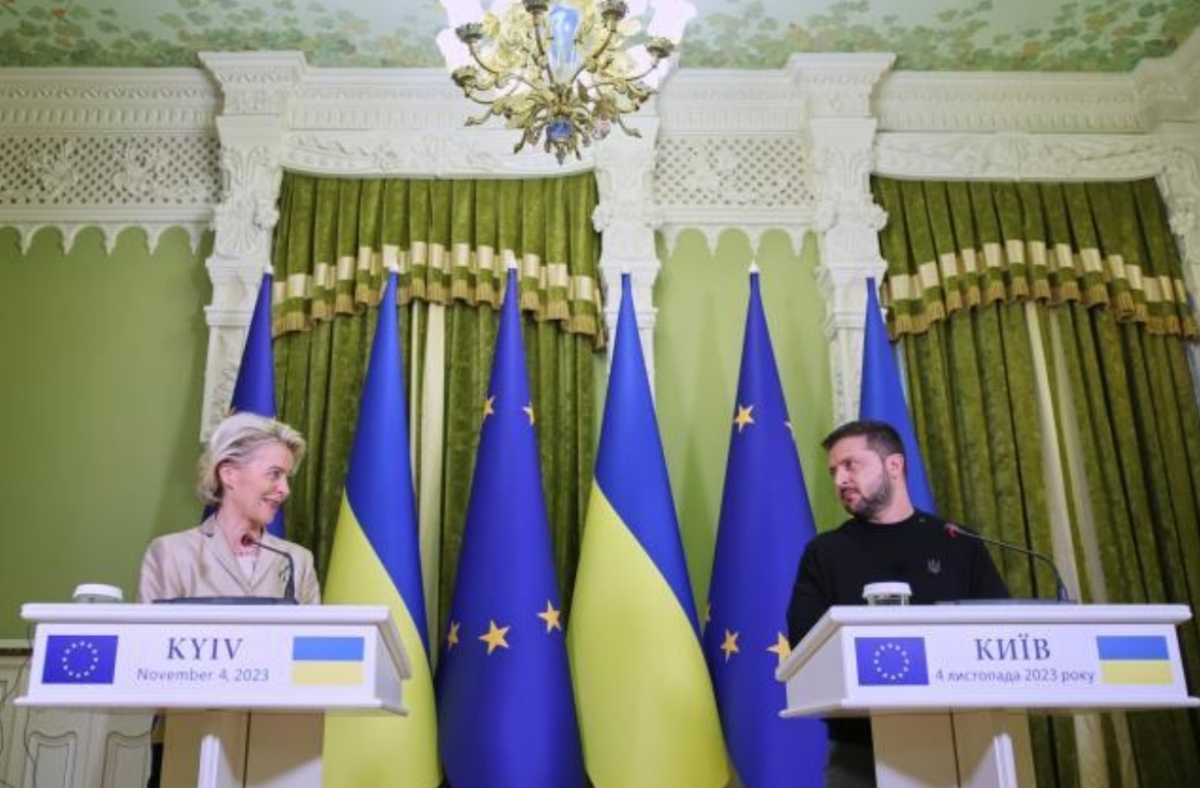
The idea of a fast-tracked Ukraine accession to the EU, as early as 2027, is gaining ground in Brussels. But urgency must not come at the expense of principle. The greater risk today is not moving too fast but moving halfway, warns the European Policy Centre.
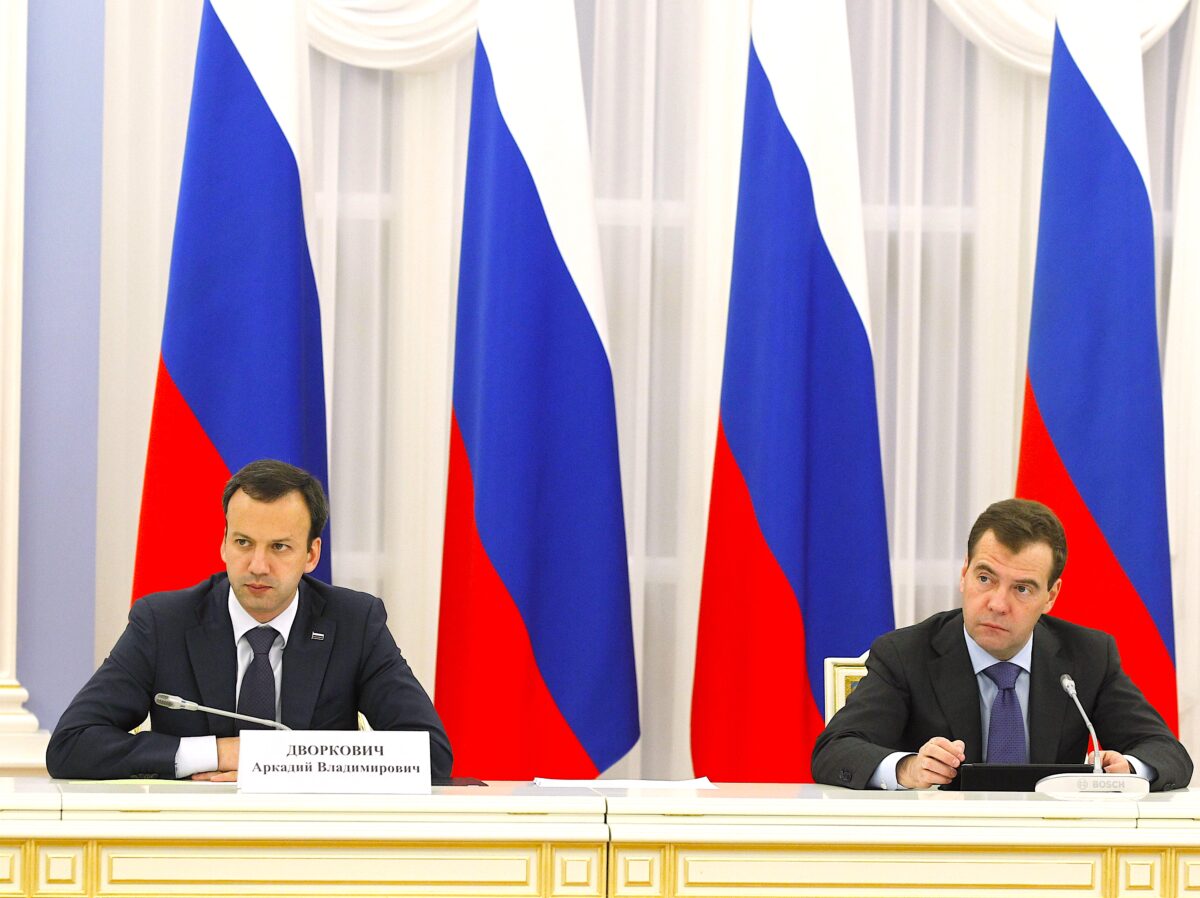
The Russian president of the international chess federation, Arkady Dvorkovich, might be forced out of his role at a showdown in Samarkand — especially if he was to face an EU visa-ban.
Last year, Europe became Ukraine’s main supporter, providing over $200bn (€170bn) in military, financial, and humanitarian aid, while US assistance dropped sharply, shifting the war’s centre of gravity to the EU.
Poland considers developing its own nuclear capabilities amid rising Russian threats, while the EU approves €43.7bn from the SAFE programme for defence modernisation. Meanwhile, allies including Germany and France show growing interest in Polish weapons such as the Piorun system.




Geen opmerkingen:
Een reactie posten