Good morning.
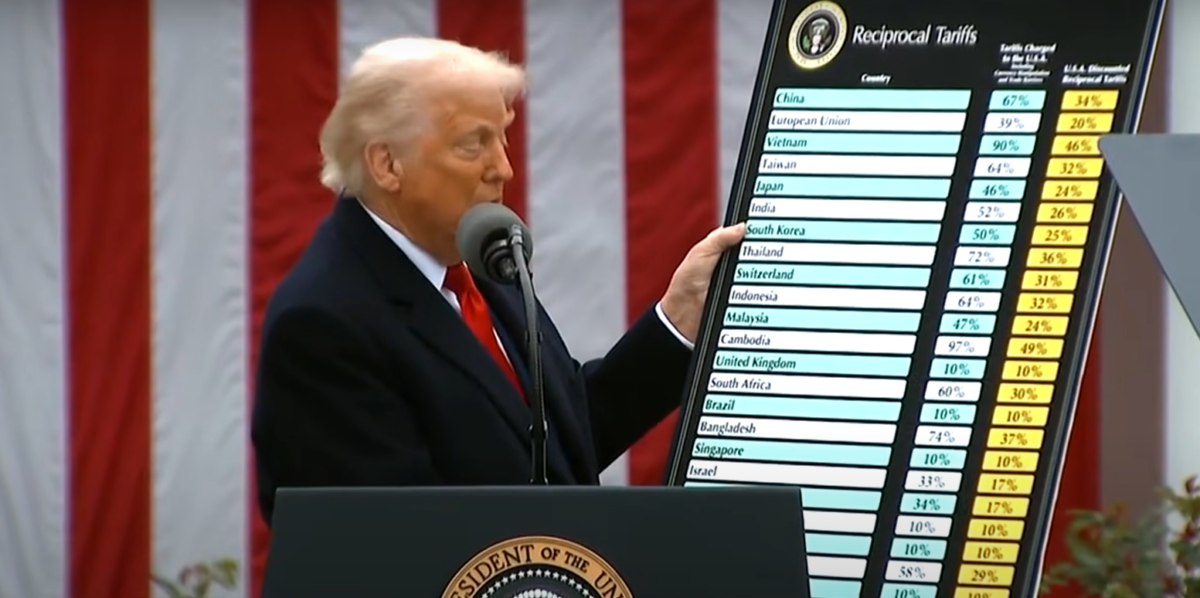
‘A deal is a deal,’ was the verdict of EU officials when Donald Trump responded to the US Supreme Court’s decision to strike down his ‘liberation day’ tariffs with, you’ve guessed it, a new round of trade duties.
On the face of it, the new 15-percent tariff imposed by Trump over the weekend should not be that problematic for the EU.
It is actually the same rate as the EU agreed with Trump last summer. If this rate applies across the board to vehicles and steel and aluminium (the latter are currently subject to 50-percent levies), then it would offer the EU slightly better terms than the Turnberry agreement.
The problem is the continued uncertainty and whether any arrangement with the Trump administration can be taken at face value. Since it is almost impossible for the EU (or any other actor) to negotiate and ratify an agreement with the US in good faith, MEPs chose the only option available to them on Monday by deciding to halt ratification.
How to handle the Trump administration is a dilemma that few governments have resolved.
For those who aren’t natural MAGA allies (such as Viktor Orban’s Hungary), the choice is whether to challenge or to appease Trump. So far, the EU has chosen to avoid conflict on everything except the status of Greenland — with mixed results.
On trade, the agreement between Trump and EU commission chief Ursula von der Leyen was viewed almost universally as being better for Washington.
“I would not call it a negotiation,” lamented Bernd Lange, the chair of the European Parliament’s international trade committee, when commission trade negotiator Sabine Weyand was summoned to present the Turnberry agreement last September.
But Weyand and others could easily retort that nothing better was on the table.
As frustrating as European politicians and businesses must find the Trump tariff tantrums, there is no indication that Americans are any more enamoured by them.
Polling by Ipsos suggests that, by a 64-34 percent margin, Americans disapprove of the tariffs, although the caveat is that 75 percent of Republican supporters back them — another sign of the deep polarisation of US public opinion.
The polls also suggest that Trump’s Republican party is on course for a hammering in November’s mid-term Congressional elections.
Confronted with such polls, most previous US presidents would change tack. Unfortunately for the EU, we can’t expect that from Trump.
Benjamin Fox, trade and geopolitics editor
What else you need to know
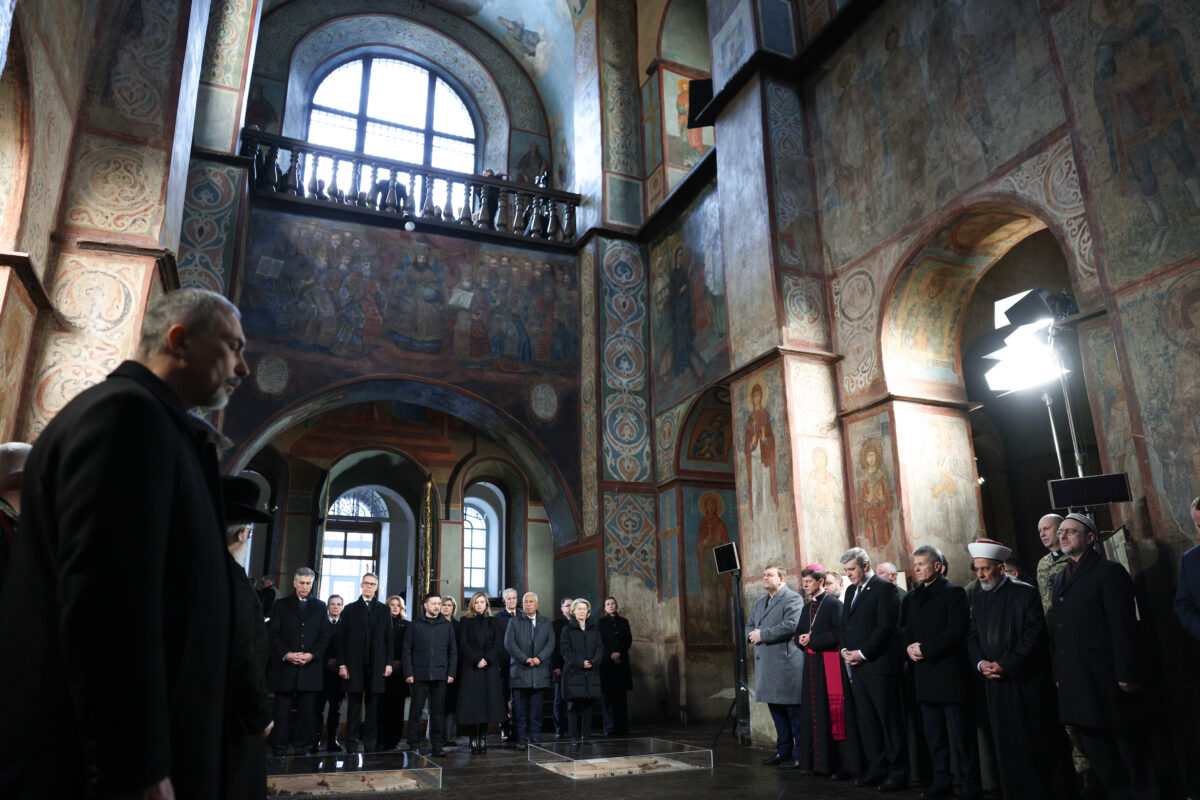
Hungary’s pro-Russian veto is being seen by diplomats as a temporary glitch, while other states passed a law anyway to loan money to Ukraine.
Usually, Danish foreign minister Lars Løkke Rasmussen’s Facebook posts earn him an endless stream of insults, cynical comments and worse. But this time it was different.

EU law, which went into force last December, states that visas may be suspended when a country violates fundamental freedoms and rights. But the European Commission has no intention of stripping Israel of visa-free access to Europe despite abuses in the occupied Gaza and West Bank.
A new legislative package — the Defence Readiness Omnibus — threatens to overhaul how weapons are produced and sold, creating a dangerous precedent for global security. By doing so, the EU is effectively proposing to treat lethal technology no differently than bananas or chocolate.
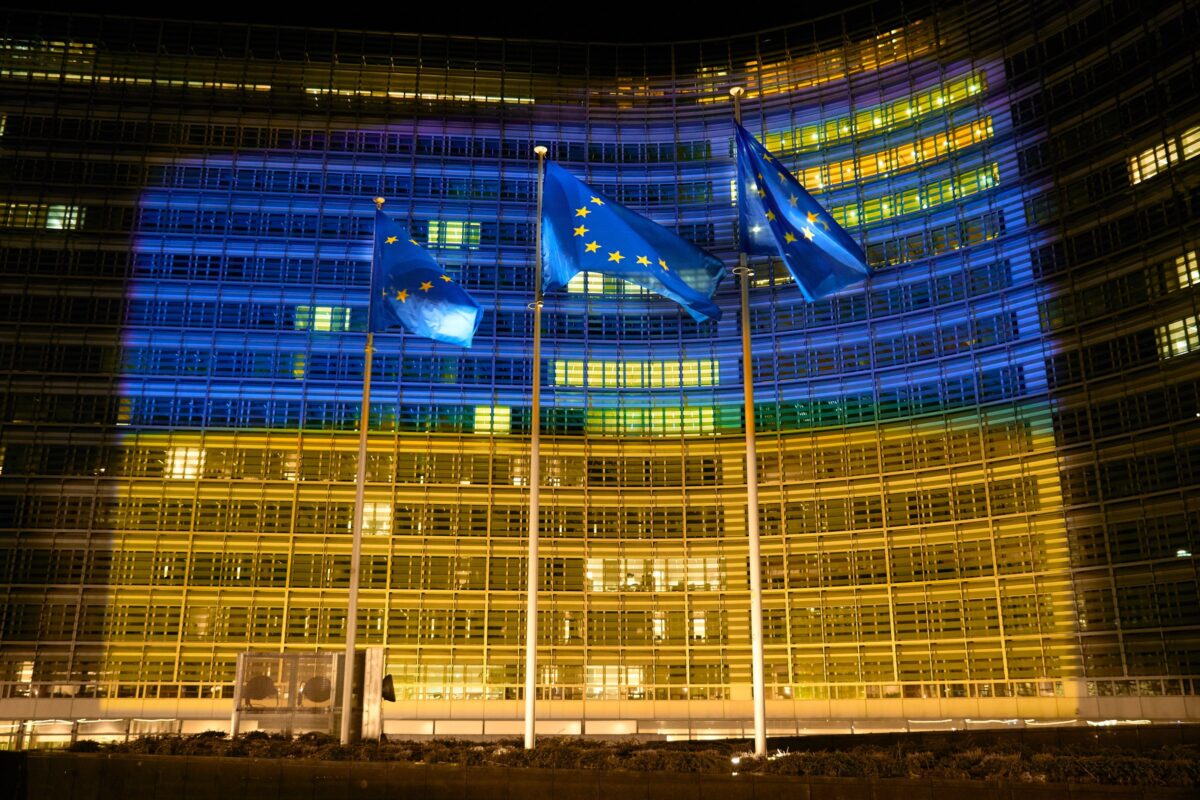
Four years after the start of Russia’s full-scale invasion of Ukraine, here is a selection of our best stories, going beyond policy and politics to reflect on what this war has meant and means for Ukraine and Europe.
Four years since the invasion of Ukraine, a new report finds Russia’s fossil-fuel revenue is down nearly a quarter since 2022, with the EU reducing its reliance on Russian energy — but the Kremlin is still finding ways to move its fuel.
Whether it’s sanctions against International Criminal Court judges or threats of tariffs, Donald Trump is using coercion to sway European decisions. So what is the EU doing to protect its independence from American pressure?



Geen opmerkingen:
Een reactie posten