Good morning.
I wrote today on whether the EU should blacklist a Russian chess figurehead, while Austrian lawyers briefed me last week on why the EU should not have listed Swiss ex-military officer Jacques Baud over his pro-Russian TV work in the past.
The International Chess Federation or World Chess Federation (FIDE) wants to be outside politics, but the Kremlin has press-ganged its Russian president into pro-war PR.
Baud wants to go on Russian TV with "pro-Russian propaganda ... conspiracy theories, for example, accusing Ukraine of orchestrating its own invasion," the EU Council said on 15 December, while living and earning his income in Belgium.
But now he cannot travel outside Belgium or pay for his bar bills with an EU credit card because of his "journalism," Baud's Austrian law firm, Lansky, Ganzger, Goeth + partner told me.
It concerns an old question, which has also bedevilled pro-war Russian sopranos appearing in New York and Milan opera productions since Russia's full invasion of Ukraine four years ago.
It also concerns Russian tourists coming to the EU and Russian scientists - to what extent should Europe wage a culture war to counter the Kremlin's use of soft power to advance its aggression?
I wish the FIDE boss would speak to EUobserver, or any other European media, to tell us what he thought.
Lansky, Ganzger, Goeth + partner said they worked for Baud pro bono to counter the EU Council's legal abuse, but they also work for a fee for Russian oligarchs in other EU cases.
But I can, in any case, use my own nose.
When I called the San Carlo opera house in Naples last October about getting tickets for a production of 'Un ballo in maschera,' the clerk said the star was a famous Russian called Anna Netrebko.
"Actually, no thanks. I'm Polish and I heard she supports the war," I said.
"I perfectly understand," the San Carlo clerk said.
Andrew Rettman, foreign-affairs editor
What else you need to know
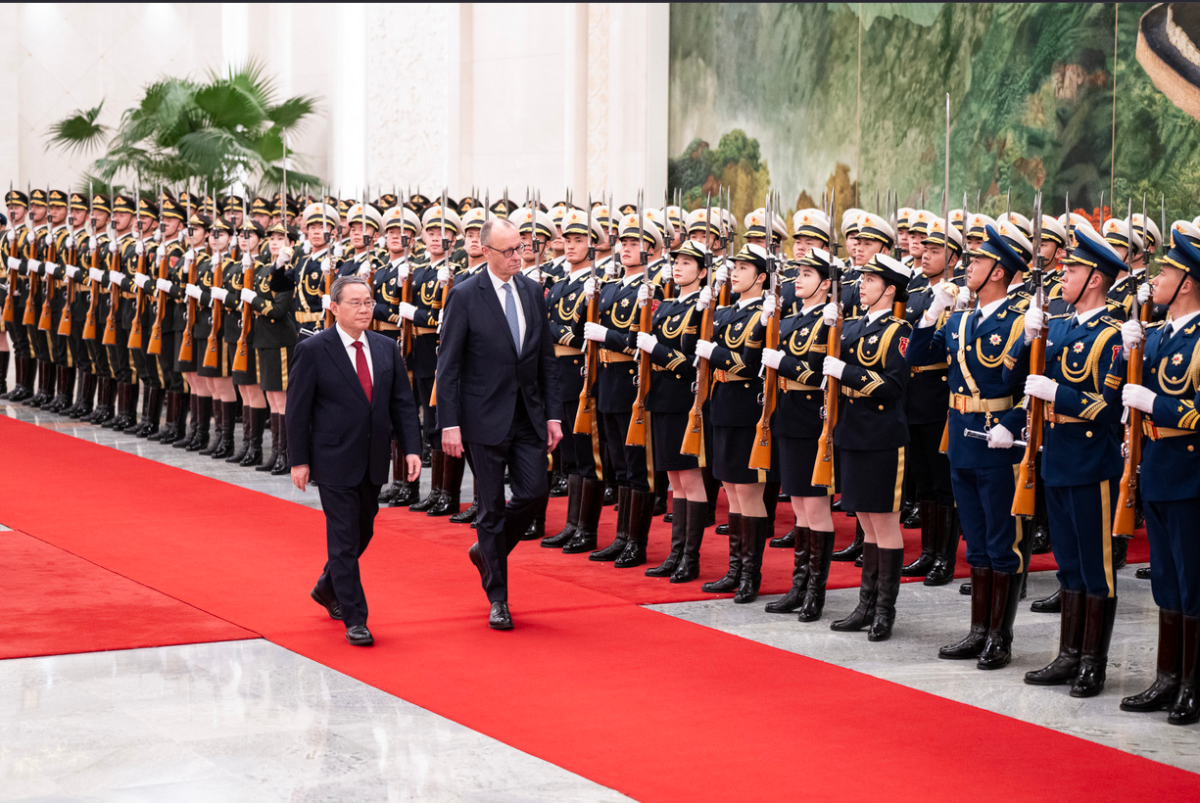
Despite soaring trade imbalances and EU pressure, German chancellor Friedrich Merz stressed the need to fortify diplomatic and economic relations with China on his first Beijing visit.

Brussels’ drive to cut digital “burdens” is spilling into labour law. A recent paper by lobby group BusinessEurope calls for a sweeping “labour market omnibus” to reduce obligations under EU social law, raising fears that competitiveness rhetoric could undermine workers’ rights and weaken Europe’s social model.
The open letter on Wednesday from NGOs Corporate Europe Observatory, Transparency International and five other organisations argues Finnish centre-right MEP Aura Salla’s ties to Meta constitute an irreconcilable conflict of interest in the digital file.
The EU commission must reveal how billions of euros in funds for its Global Gateway projects have been raised, say MEPs
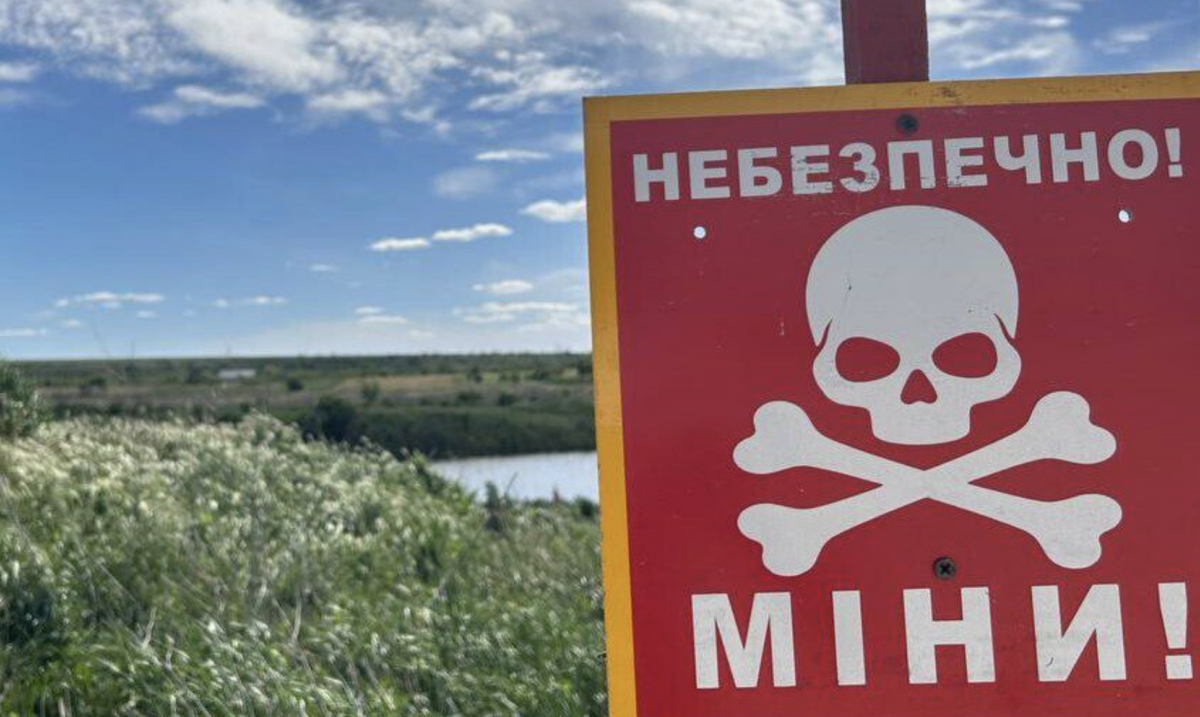
At the start of last year, all 27 EU member states were signed up to the Ottawa Convention, banning the use, production, stockpiling and transfer of anti-personnel mines. Now Estonia, Latvia, Lithuania, Poland and Finalnd have withdrawn — with silence from Brussels.
Poland isn’t just preparing for war — it’s rewriting the rulebook on how to get ready. Meanwhile, the rest of the EU is slowly catching up on defence. What can we learn from Poland’s approach?
In case you missed it
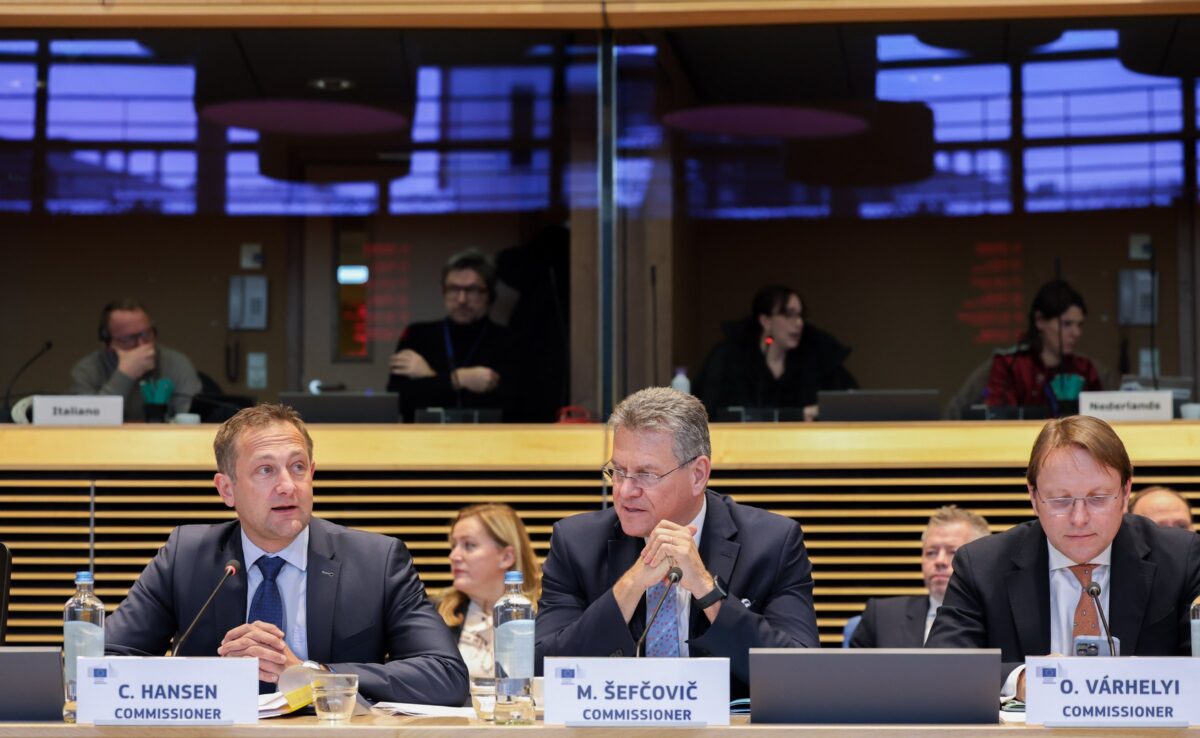
EU trade chief Maroš Šefčovič told MEPs that he had received assurances from Donald Trump’s officials in Washington that the EU-US agreement brokered last summer remained in place
Usually, Danish foreign minister Lars Løkke Rasmussen’s Facebook posts earn him an endless stream of insults, cynical comments and worse. But this time it was different.
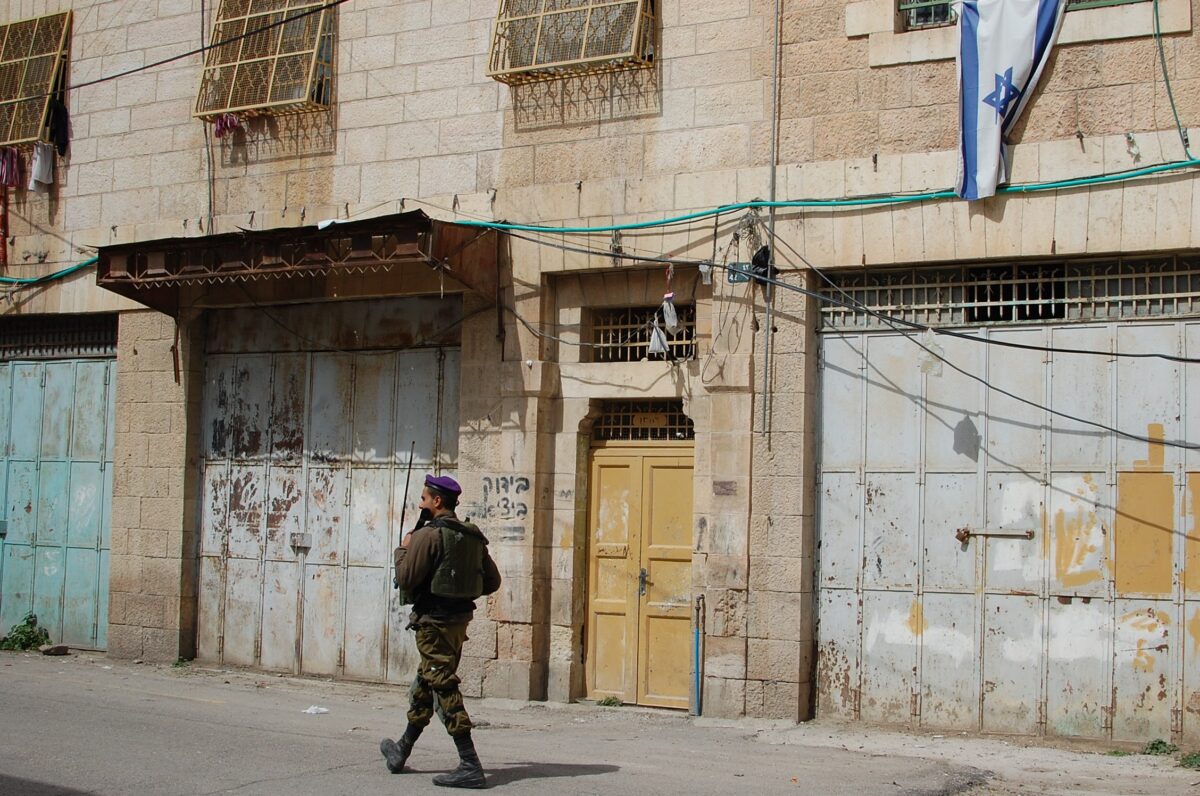
EU law, which went into force last December, states that visas may be suspended when a country violates fundamental freedoms and rights. But the European Commission has no intention of stripping Israel of visa-free access to Europe despite abuses in the occupied Gaza and West Bank.
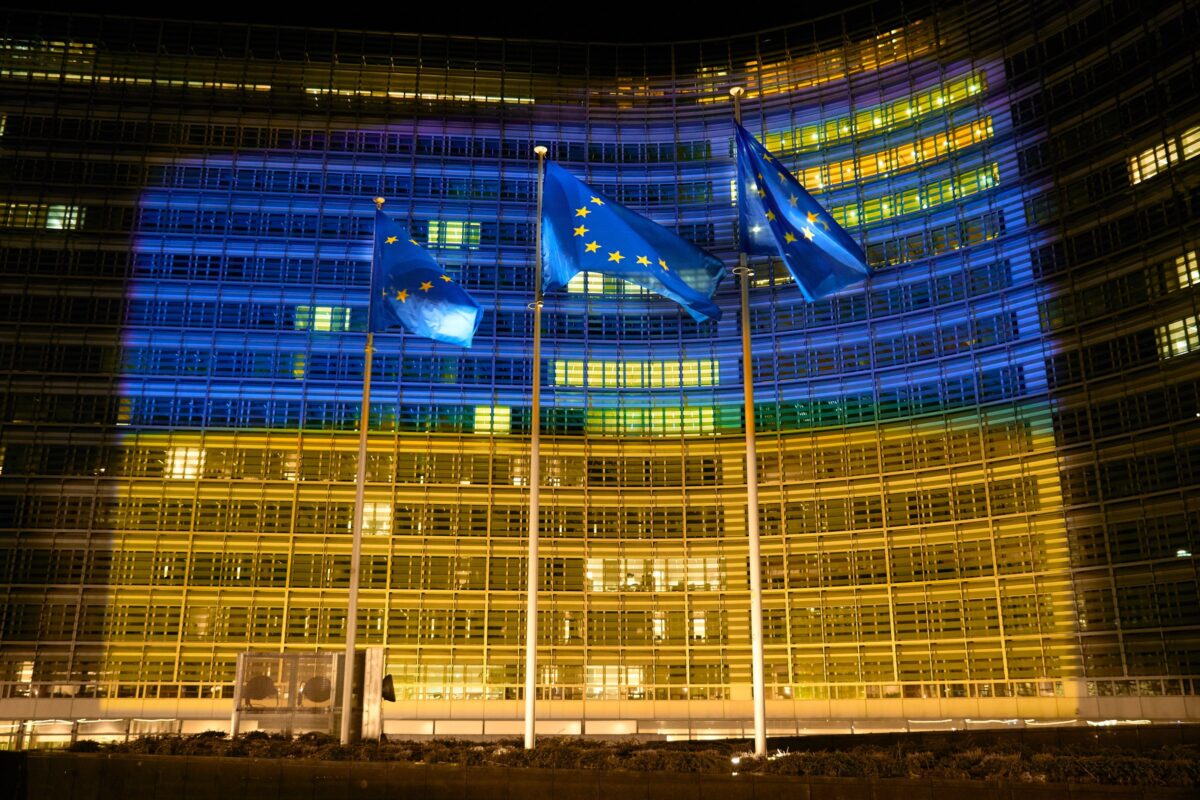
Four years after the start of Russia’s full-scale invasion of Ukraine, here is a selection of our best stories, going beyond policy and politics to reflect on what this war has meant and means for Ukraine and Europe.
A new legislative package — the Defence Readiness Omnibus — threatens to overhaul how weapons are produced and sold, creating a dangerous precedent for global security. By doing so, the EU is effectively proposing to treat lethal technology no differently than bananas or chocolate.
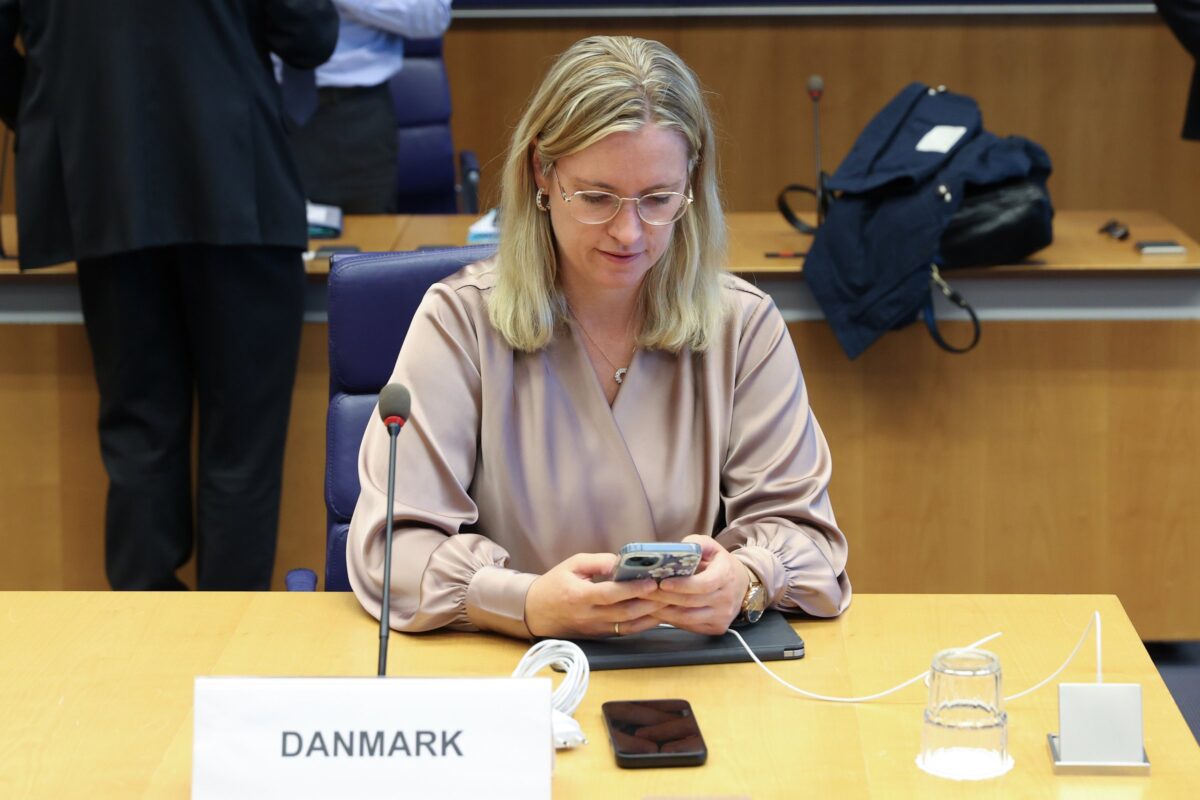
Some EU embassies are instantly briefing hundreds of reporters 24/7 via WhatsApp groups, in a love-hate relationship with digital diplomacy.
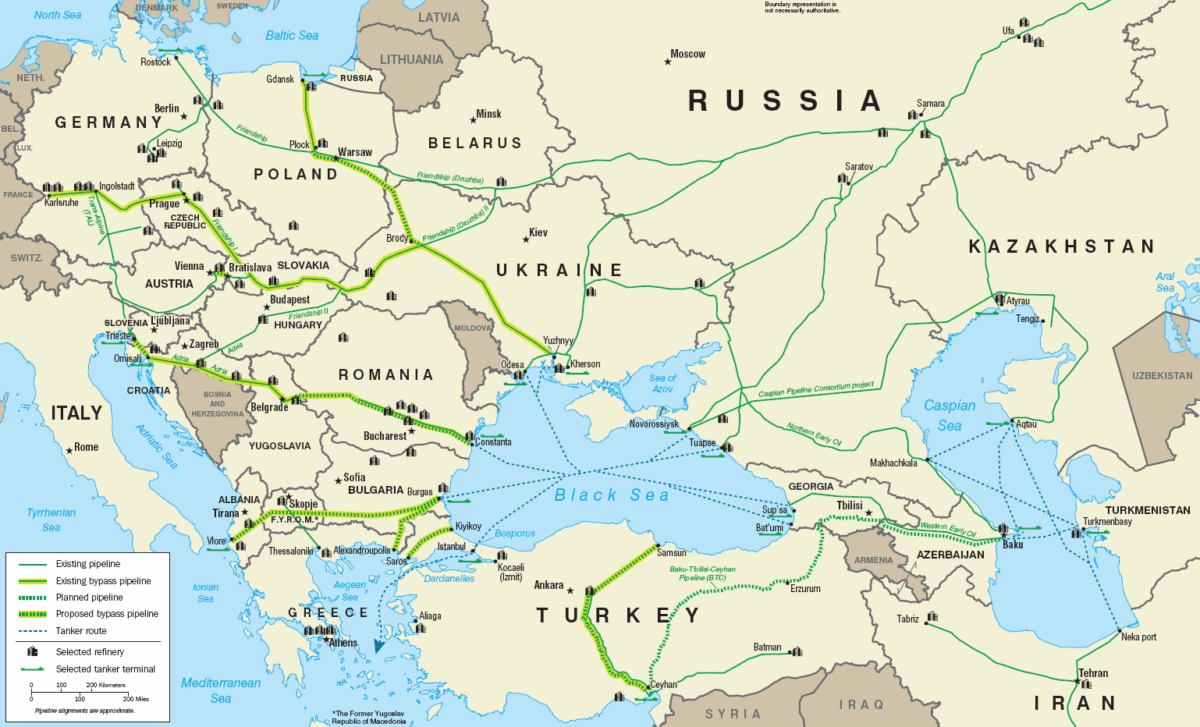
Four years since the invasion of Ukraine, a new report finds Russia’s fossil-fuel revenue is down nearly a quarter since 2022, with the EU reducing its reliance on Russian energy — but the Kremlin is still finding ways to move its fuel.



Geen opmerkingen:
Een reactie posten