SPREAD THE INFORMATION

Any information or special reports about various countries may be published with photos/videos on the world blog with bold legit source. All languages ​​are welcome. Mail to lucschrijvers@hotmail.com.

Search for an article in this Worldwide information blog

dinsdag 3 februari 2026

WORLD WORLDWIDE EUROPE EU - euobserver daily - Tuesday 3 February 2026.


Support us
EUobserver
 

Good morning.

Israeli prime minister Benjamin Netanyahu appeared to endorse the break-up of Bosnia this weekend when he hosted Republika Srpska's separatist leader and Kremlin-ally Milorad Dodik in Jerusalem.

It was only a small gesture — letting Dodik hang up Republika Srpska's flag instead of the Bosnian one in the background of photo-ops.

But it was big enough to draw a formal rebuke from Sarajevo, given the tensions in the war-torn country, and Dodik ran with the opportunity to denounce European oversight of Bosnian governance, in line with the post-war Dayton Accords, in interviews with right-wing Israeli newspapers and in social media posts.

He compared Bosnian Serbs to Israelis in facing undue EU pressure of “tenfold standards" (as opposed to 'double standards') and in having their right of self-determination put into doubt.

"Nothing will be the same" after his Israel visit, he added, while calling for Republika Srpska's (RS) status to be redefined and for the Dayton deal to be torn up.

"I think that citizens of RS will have good news in the next month," he said.

His visit came after Israel gave an even bigger platform to far-right VIPs at a conference on Holocaust remembrance in Jerusalem on 27 January, including Sweden Democrats leader Jimmie Åkesson and Dutch far-right chief Geert Wilders from the EU, at which they pledged to save Judaeo-Christian civilisation from Muslim hordes.

Meanwhile, Israeli foreign minister Gideon Sa'ar also visited 'Somaliland' on 6 January after Israel recognised the breakaway part of Somalia as a sovereign state, in defiance of EU foreign policy and UN norms.

I suppose indicted war criminals such as Netanyahu need as many friends as they can get, especially ones willing to say anything they want, in return for recognition by the Middle East superpower.

I frankly doubt either Republika Srpska, Somaliland, Åkesson, or Wilders could really care less what happens to Israel, so long as they get something from this relationship. And I’m sure Israel doesn’t really care about them.

I’m also pretty sure that this stream of Israeli foreign policy is calculated to send a message to its old and former EU friends that it can play a disruptive role in Europe if it chooses, even at the price of Western Balkans stability.

And so now we can add political blackmail to genocide, ethnic cleansing, and war crimes on the list of Netanyahu’s endearing qualities.

'With friends like these, who needs enemies?', as the saying goes.

Andrew Rettman, foreign-affairs editor

Top story

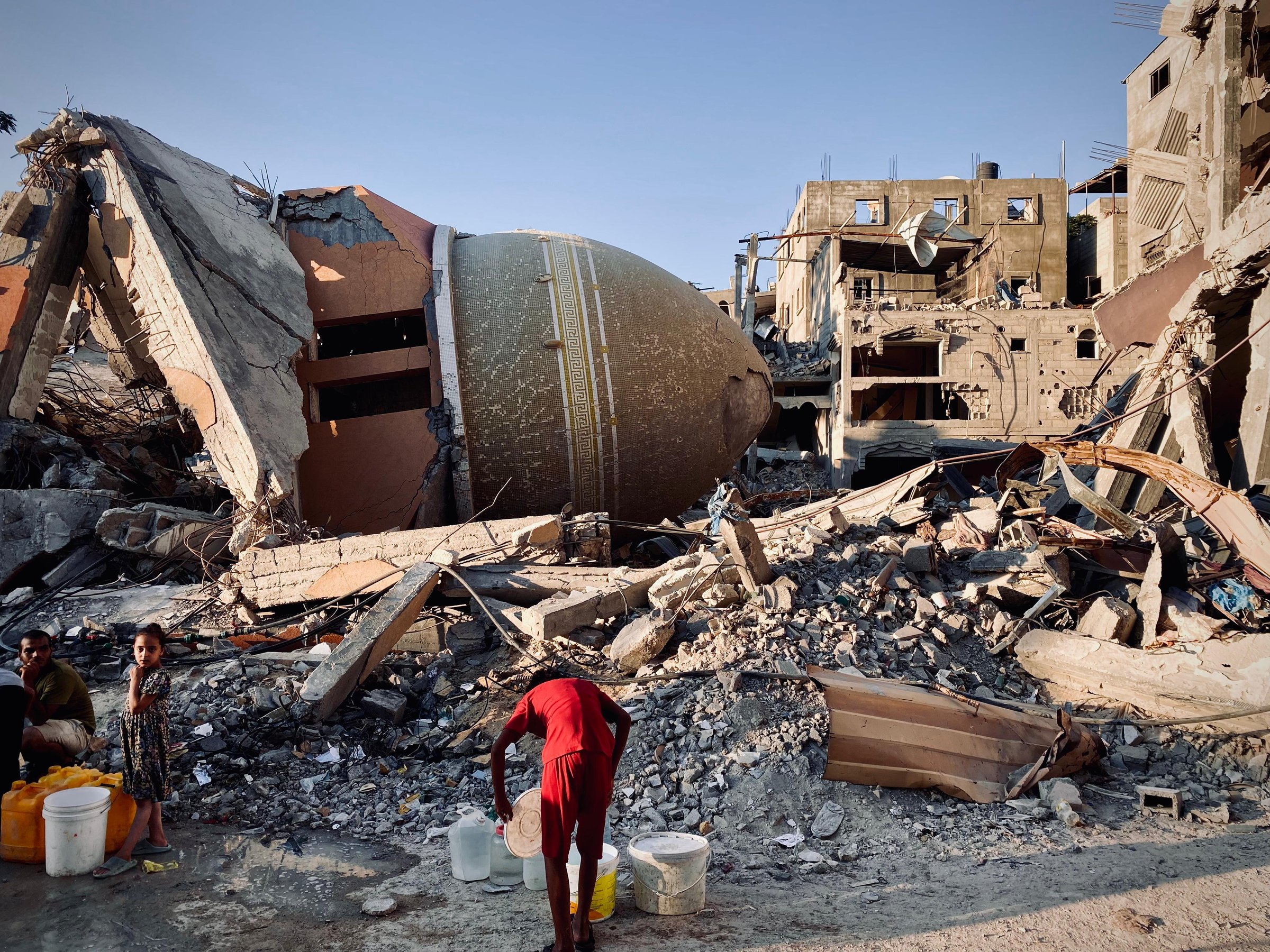
Israel lets trickle of injured Gazans leave, while EU sanctions ‘on the shelf’

Israel opened the Rafah crossing point from Gaza to Egypt for six hours per day from Monday, allowing out 50 patients a day, accompanied by two relatives each in what it called a “pilot scheme”.

What else you need to know

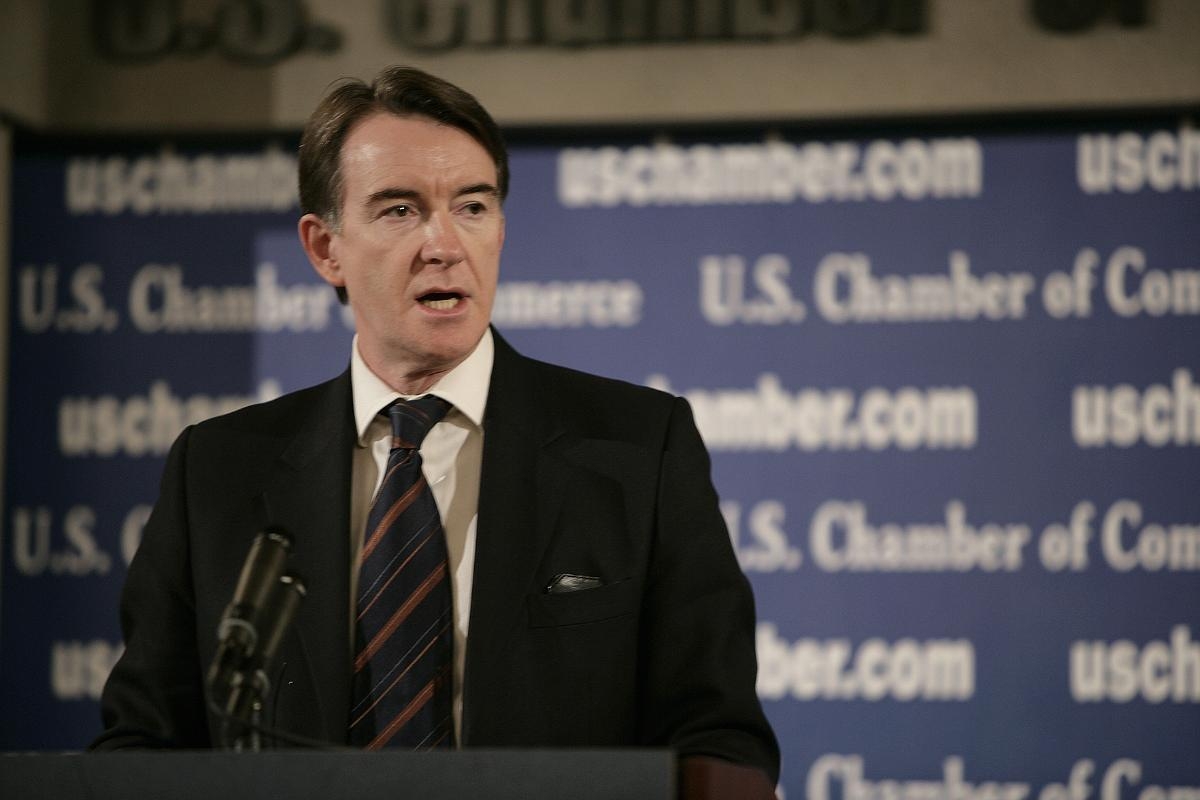
EU has ‘no concrete conclusions’ on Mandelson’s Epstein emails as trade commissioner

Peter Mandelson wrote numerous emails to child sex offender Jeffrey Epstein during his time as EU trade commissioner, 2004 to 2008.

Bloc needs to ‘up its game’ on securing raw materials, auditors find

The three areas of improvement needed, according to the Luxembourg-based European Court of Auditors (ECA), are diversification of trade partners, more domestic production, and recycling, reusing and substituting.

Two very different demonstrations in Paris — and what they tell us about the Iranian opposition and EU politicians

Any approach to current events in Iran that is driven primarily by self-interest and opportunism – condemning human rights abuses perpetrated by the regime, while readily ignoring violations by other actors – risks alienating the Iranian population in the long term, regardless of whether the Islamic Republic endures or not.

Protests against Cargill in Brazilian Amazon are sign of EU-Mercosur blind spot

In Brazil’s Tapajós region, hundreds of Indigenous people have been protesting for days outside a Cargill export facility, opposing a federal decree that opens Amazonian rivers to private concessions and expanded dredging.

Listen: Can Brussels ensure safe abortion for women everywhere in the EU?

Abortion bans pushed Polish women to seek risky or costly alternatives. Now the EU faces a showdown: can a new solidarity fund guarantee safe access across borders, or will politics block women’s rights again?

In case you missed it

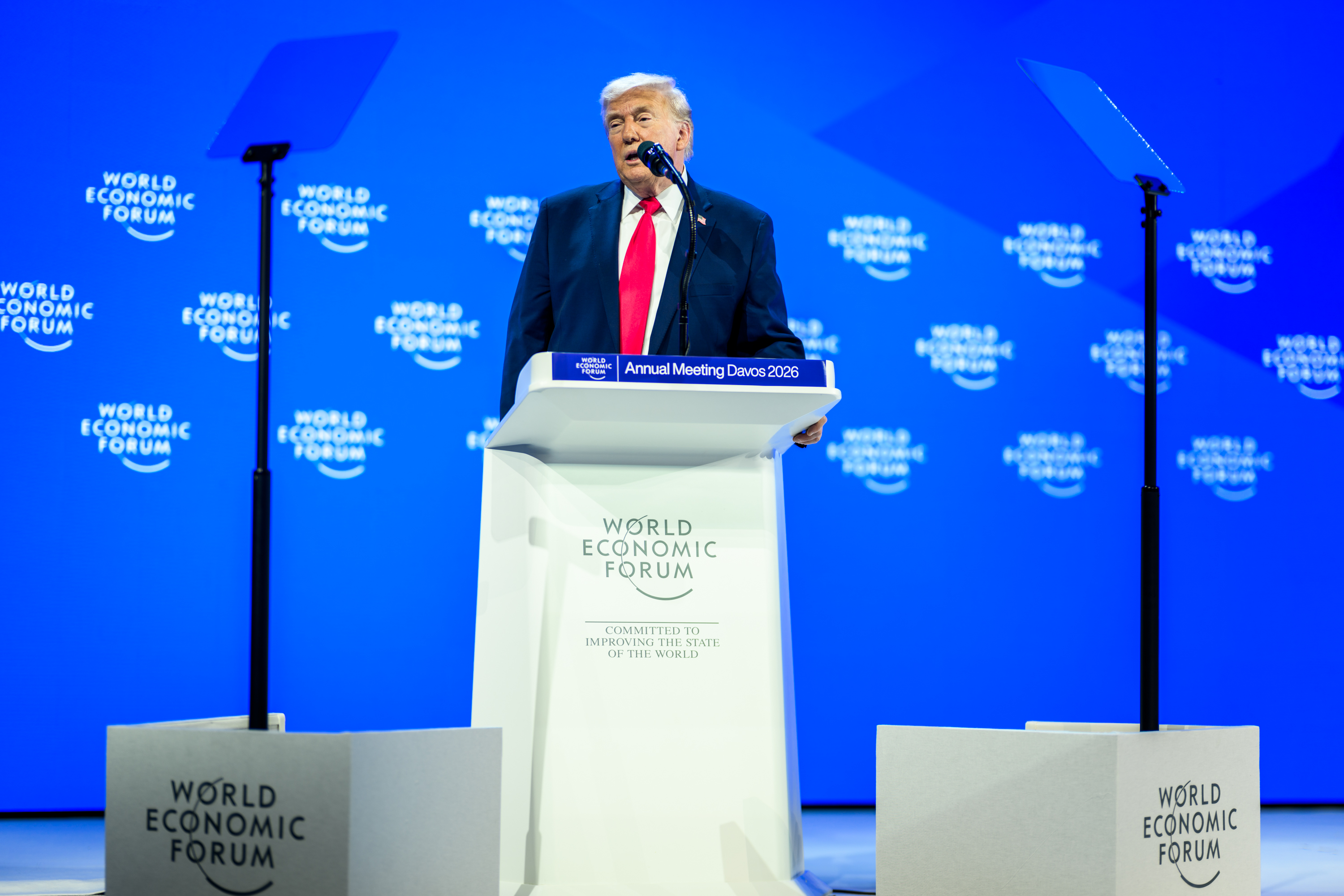
Five ways the EU has already appeased Trump

Donald Trump has been back in White House for just over a year, and EU has struggled to balance safeguarding its own economic and social interests while maintaining a US relationship it needs to its security. Here are five ways the EU is adjusting to — many would say appeasing — Trump’s agenda.

THIS WEEK: Russian sanctions, Ukrainian loan and US trade deal

This week, the EU advances its agenda with new Russia sanctions, a potential deal on the €90bn Ukraine aid package, the EU’s budget amendments, and talks on the US-EU trade deal.

Far-right MEP tries to silence EUobserver over election-monitoring ban

French far-right MEP Virginie Joron claimed she was never punished for rogue election monitoring, but the EU Parliament confirmed she was lying, amid a wider crackdown.

Leaked EU paper envisions dumping migrant sea rescues onto non-European states

The EU has been mulling sending people rescued in the Mediterranean directly to coastal states outside of Europe, according to an internal EU document.

Fear, power politics and migration: whatever happened to Germany’s ‘welcome culture’?

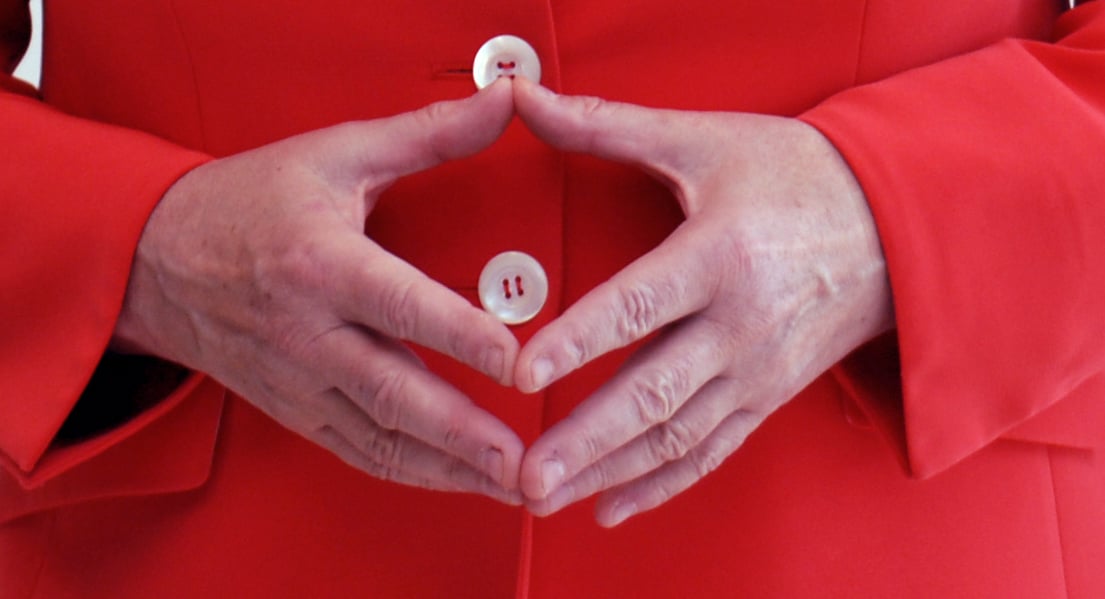
Ten years ago, Germany symbolised Europe’s ‘Willkommenskultur’ (Welcome Culture). Chancellor Angela Merkel’s decision to open borders to refugees in 2015 was framed as a moral and historical responsibility. What has happened since?

Geen opmerkingen:

Een reactie posten