Good morning.
The Epstein scandal may be about to claim it's first political leader — and it's not the (suspiciously absent from the emails) Donald Trump, but the UK prime minister Sir Kier Starmer.
If that sounds hyperbole, read on.
European readers won't have been following the inner machinations of Downing Street's Labour party spin doctors, and may be only dimly aware of "Lord" (he still for the time being has that title, but has been barred from the actual House of Lords) Peter Mandelson's history as a UK minister 15-25 years ago — and his not one, but TWO, previous government resignations for first lying and then lobbying.
His role as EU trade commissioner from 2004-20008 is now under scrutiny, during which time he was holidaying on the yacht of Russian billionaire oligarch Oleg Deripaska whilst arguing for scrapping the 50-percent tariff on Russian aluminium imports. Deripaska owned Rusal, a Russian aluminium giant.
Starmer's decision to rehabilitate Mandelson a year ago, and make him the British ambassador in Washington, made sense in one way — the role requires a suave networker with a huge contacts book.
Mandelson ticked that box. But now the three million US department of justice document drop revealed that he leaked market sensitive information on the EU euro bailout to Epstein ahead of time, and lobbied from inside UK government against his own prime minister Gordon Brown's planned bankers' bonus tax, on behalf of Epstein, has put Mandelson under police investigation, outraged Labour MPs, and called into question Starmer's judgement - just as his personal ratings had already tanked in the polls.
What will likely happen next is the resignation of Morgan McSweeney, the Mandelson-protogee, who is Starmer's chief of staff and right-hand man, and who persuaded Starmer to appoint Mandelson.
If that doesn't stem the tide, then the deeply unpopular Starmer — who won an election with a whopping majority of 174 less than two years ago, remember — may have to fall on his sword.
Matt Tempest, comment editor
What else you need to know
New research by the Brussels NGO Corporate Europe Observatory (CEO) details an intense lobbying campaign by Big Tech to weaken the upcoming EU Digital Fairness Act — a proposal that aims to protect consumers from deceptive or addictive online features.

This week’s fatal collision between a Greek coast guard vessel and a migrant boat off the island of Chios has once again brought European maritime enforcement practices under scrutiny, raising questions about accountability and balance between border control and the protection of human life at sea.
Financial watchdogs sitting in the European Parliament have cast serious doubt on the integrity of the EU’s Covid recovery fund — and threatened court action over its lack of transparency.
The European Commission is being sued for the first time for granting a lithium mine in Portugal so-called “strategic project” status under the bloc’s Critical Raw Materials Act, allegedly without pursuing sufficient environmental assessments.
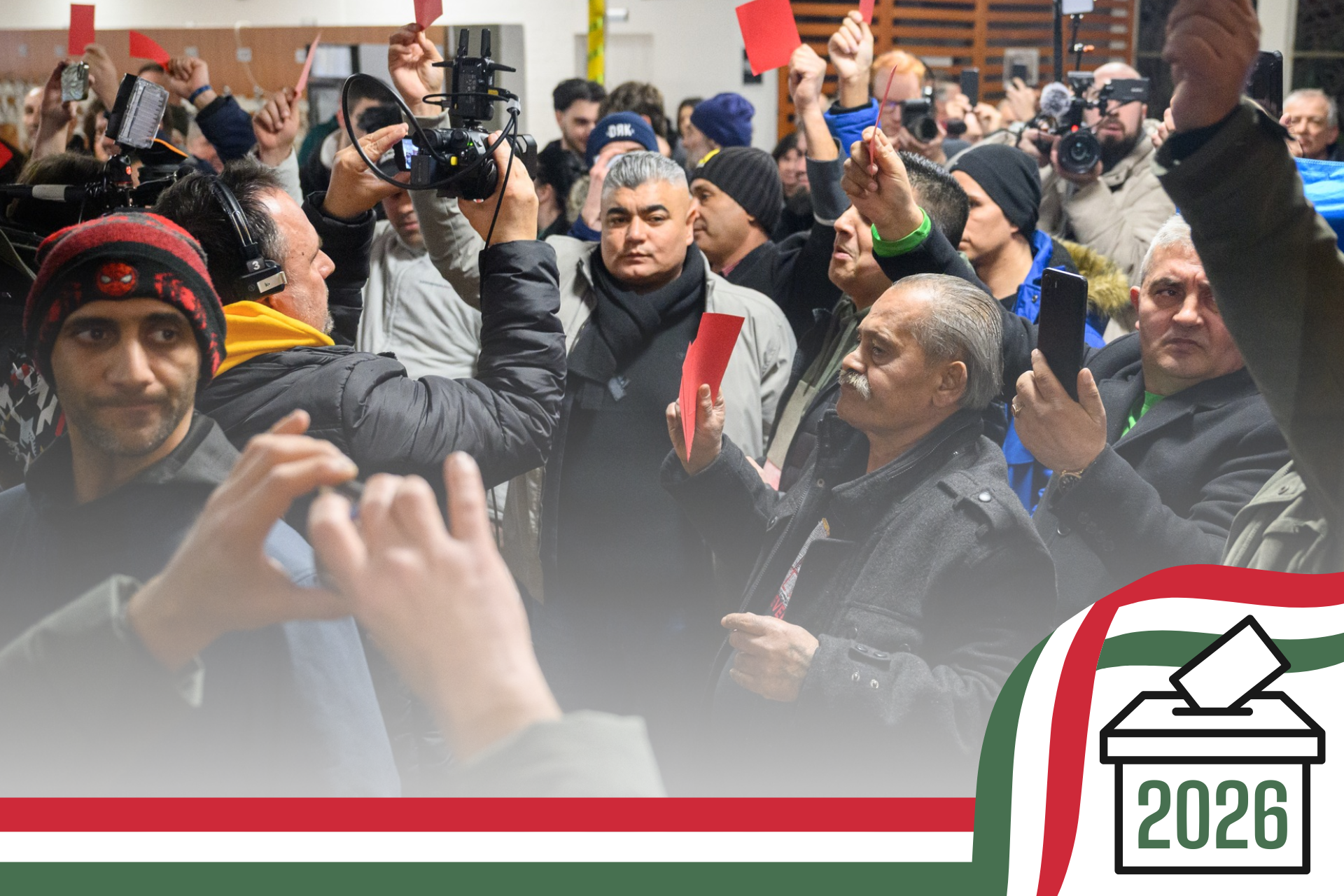
In this week’s round-up from the Hungarian election campaign: Viktor Orban’s name in the Epstein files, more fallout from the Roma remarks, and all the latest opinion polling.
A new draft report by Green MEP Sergey Lagodinsky aims to amend the AI Omnibus proposal to prohibit generative apps that can generate nonconsensual sensualised content.
From Italy to Poland, Europe’s far right keeps radicalising. New extremist parties, shifting norms, social media and democratic fatigue—how did the unthinkable become mainstream politics across the continent today now?
In case you missed it
Peter Mandelson wrote numerous emails to child sex offender Jeffrey Epstein during his time as EU trade commissioner, 2004 to 2008.
In a fresh effort to recast regulation as censorship, a new 160-page report from the US House Judiciary Committee alleges Brussels pressured Big Tech platforms to censor US speech, including around the 2024 presidential elections.
The move would de facto end Russian president Vladimir Putin’s diplomatic isolation by the West over his full invasion of Ukraine.
The EU Commission will table a blueprint on humanitarian aid reform later this year, amid growing concern that the traditional model of development aid is now in its death throes. “The humanitarian system is going through a reset,” a commission spokesperson told reporters in Brussels on Wednesday (4 February). She added that the commission’s paper would be published […]
The EU welcomed the reopening of the Rafah crossing between Gaza and Egypt earlier this week. Meanwhile, Israeli authorities are blocking many NGOs from delivering humanitarian aid in Gaza, raising concerns over violations of the agreed peace plan. Will the EU take a stand on these human rights breaches?



Geen opmerkingen:
Een reactie posten