Good morning.
Europe often struggles to speak with one voice — even when it speaks within its own walls.
If you were one of the 145 EU ambassadors sitting in the conference hall in Brussels this week, you would have received two very different messages about Europe’s role in the world and its place in the future global order — all within 24 hours.
On Monday morning, European Commission president Ursula von der Leyen offered a diagnosis of the geopolitical moment, presenting foreign policy as an instrument for defending European interests in the world.
She stated explicitly that Europe “can no longer be a custodian for the old-world order, for a world that has gone and will not return” and must now pursue a “more realistic and interest-driven foreign policy.”
Von der Leyen talked about the need to project power (twice specifically mentioned in her speech). But let us remember that her previous “geopolitical commission” was de facto ineffective, since real leverage remains in the EU capitals, keeping foreign policy control out of the hands of the Brussels executive.
Addressing the same audience of EU ambassadors on Tuesday, António Costa, president of the European Council, presented the bloc as a stabilising force in a fragmented world: in fact, a defender of international law and multilateralism.
“It is in our interest to ensure that the world remains rules-based and cooperative,” the socialist Portuguese leader said — in a stark contrast with the words of the conservative German commission chief.
Von der Leyen focused on the limits of the rules-based order; Costa stressed the need to preserve that imperfect system. While von der Leyen’s speech was confrontational, calling for a “generational project” of European independence, Costa argued that Europe’s strength still lies in its ability to build consensus and uphold rules and values.
The question is not which vision is correct, but what these words mean in practice.
If the EU moves away from being “a custodian of the world order” without having real hard power (most of which still sits in those national capitals), it risks undermining its own essence — the one it was built on.
As a defender of rules and institutions, Europe ensured stability and predictable cooperation in a chaotic world. That reputation has given it some leverage (even if it’s never been straightforward), not only with the major players, but also with the so-called middle powers.
But if the credibility of the EU as a defender of international order, human rights, and the UN charter gets trashed, can it still claim any real influence in the world?
Elena Sánchez Nicolás, editor-in-chief
PS. EUobserver is currently looking for a newsroom intern and a social media intern. More information about internships here.
What else you need to know
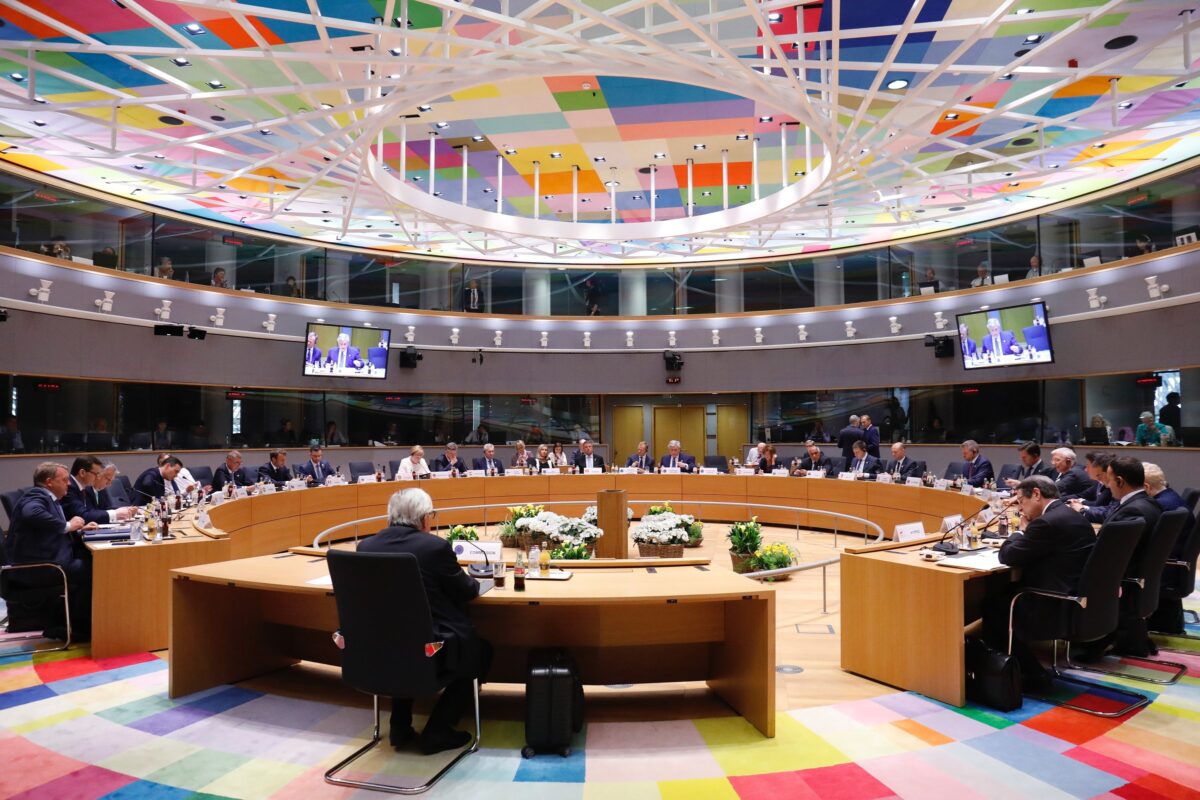
EU leaders want the carbon market reviewed by July at the latest, instead of the currently planned third-quarter timeline, a leaked draft of next week’s European Council conclusions shows.
Calls to lift oil-related sanctions imposed on Russia to limit its war budget are now also being heard in the EU. Hungary’s prime minister Viktor Orbán has already urged the EU “to review and lift all sanctions on Russian energy”. And he may not be the only EU leader thinking along similar lines.
Michal Onderčo, a nuclear weapons expert from the University of Rotterdam who recently published the book Europe’s Nuclear Umbrella, warns that due to the threat from Russia and the US pivot away from Europe, the era in which European leaders did not have to worry about the issue of nuclear deterrence has ended.
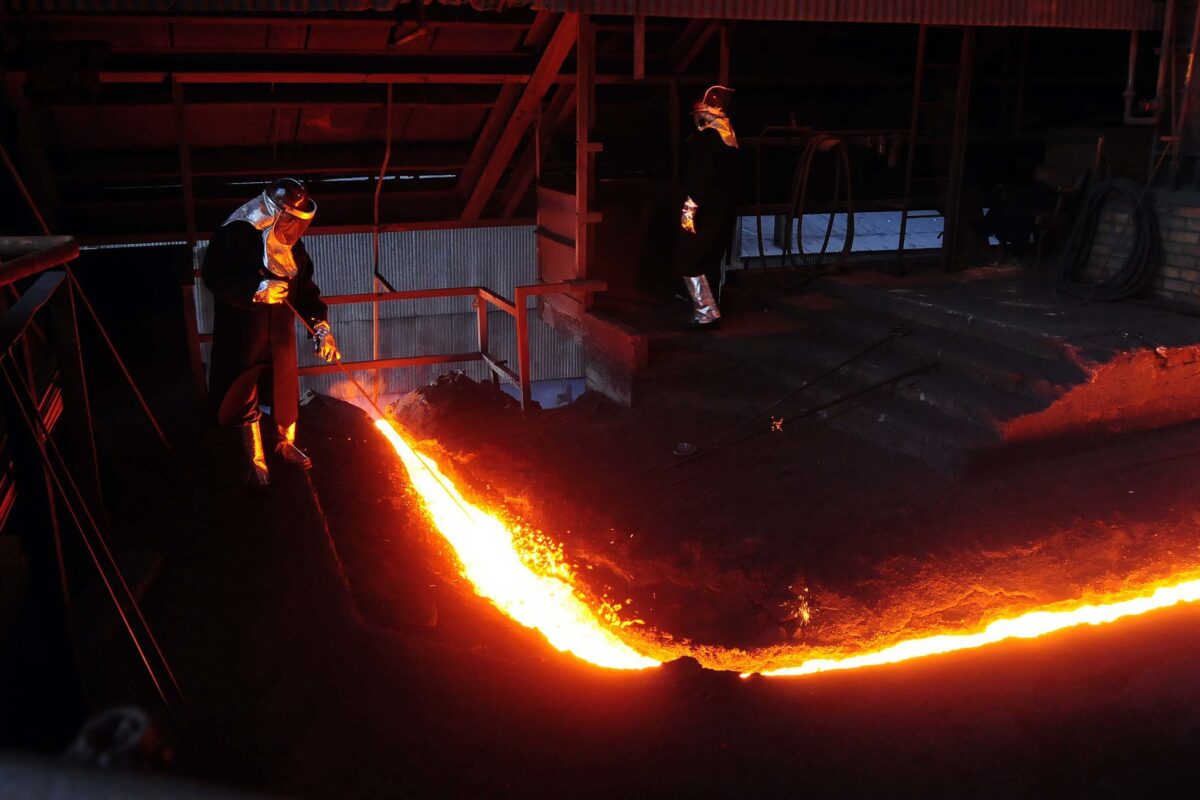
The letter signed by 100 European companies and investors rebuffs the anti-emissions trading push from governments and the chemicals lobby — showing that not all European firms are aligned on weakening carbon pricing.
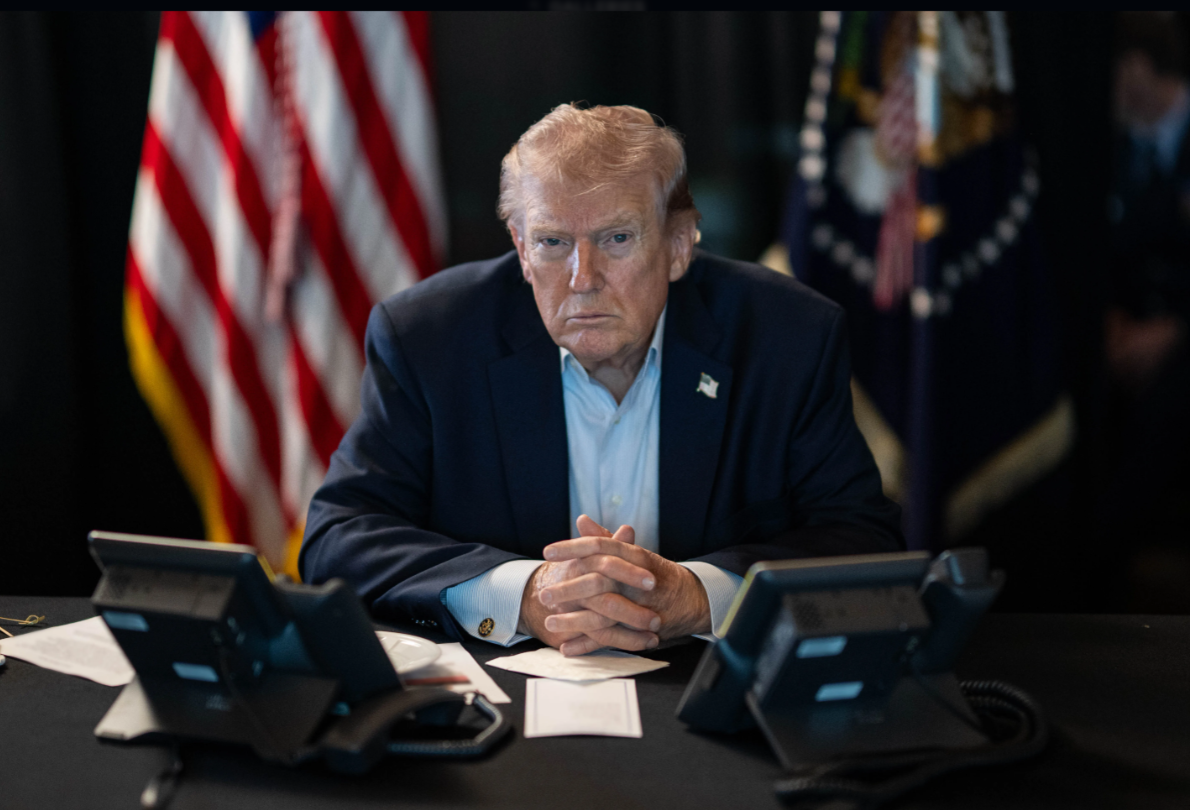
On 10 March 2025, the US announced that 83 percent of USAID’s programs would be cancelled, involving over 5,000 contracts. The UK, Germany, France, Belgium and others quickly and sharply cut their aid budgets too. One year on, what are the effects?
MEPs on Tuesday called for greater transparency and payment for copyrighted works used in AI technology — and legal consequences for violations.
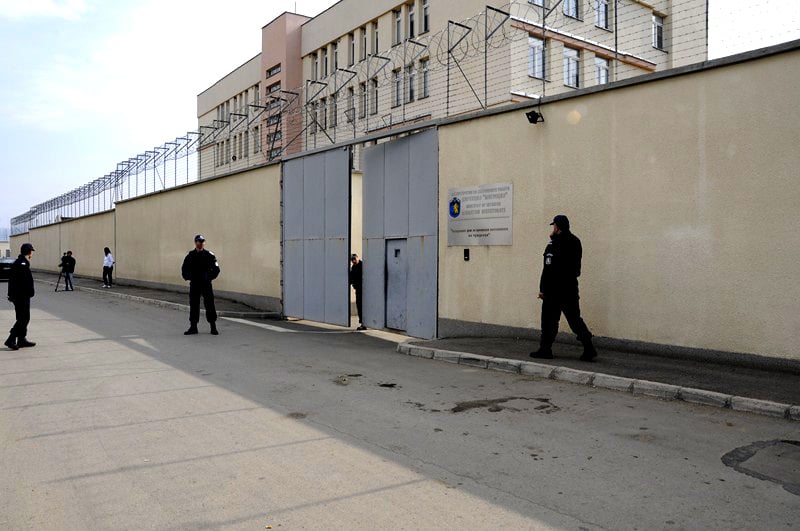
The vote on the return regulation on Monday in the European Parliament civil liberties committee now sets the legal stage for likely deportation facilities abroad, as the European Union cracks down on asylum and roll backs its commitment to refugees.
The political content on the social media feeds of young adults is mainly comprised of sensational, unverifiable, opinion-based and mostly rightwing content, according to a new study from Helsinki-based think tank Sitra, published on Tuesday.
The war in Iran has once again highlighted a familiar issue: when it comes to international politics, the European Union does not always speak with one voice. This institutional reality is often summed up by a famous question: “If I want to call Europe, what number do I dial?”
In case you missed it
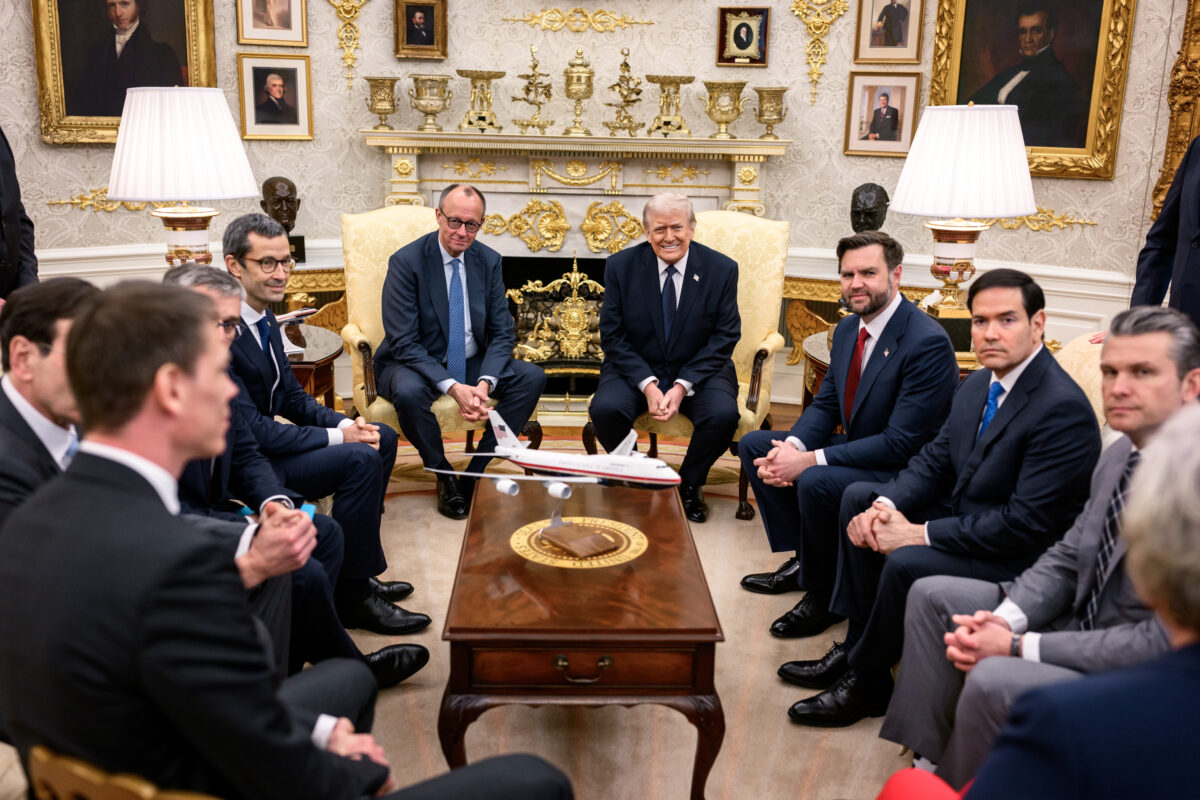
Unable to defend European interests, unwilling to hold Washington and Tel Aviv accountable, and therefore impotent in the face of great-power predation. This failure is not merely moral — it is strategic.
“We are establishing a purely defensive and supportive mission … which will allow, once the hottest phase of the conflict is over, escorting container ships and tankers [through Hormuz],” said French president Emmanuel Macron in Cyprus on Monday.
Europe’s reaction to Monday’s oil-price surge was far from unified, with some officials calling for a faster shift to clean energy, while others said boosting oil and gas supplies offered the quickest path to easing a potential energy shock from the US-Israeli war on Iran.
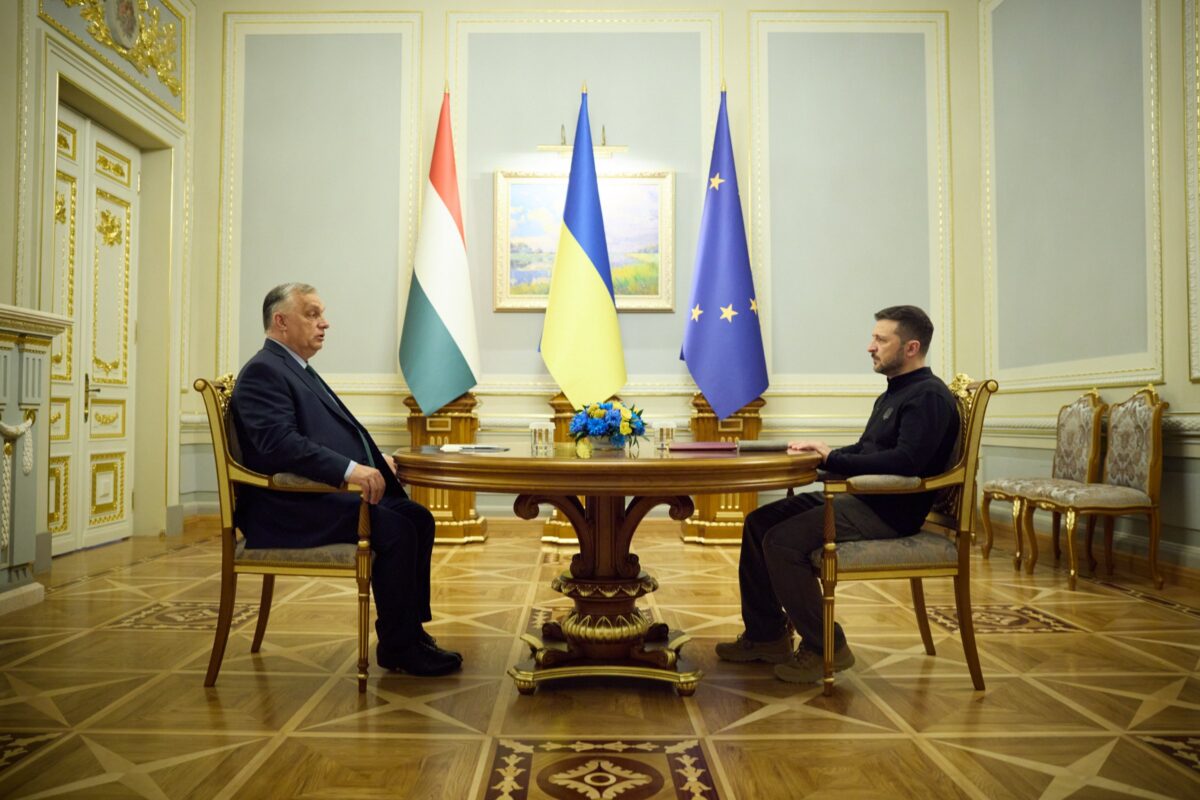
Relations between Ukraine and Hungary have plunged into meltdown after Volodymyr Zelensky threatened Viktor Orbán last week over blocked EU funding. This was followed by a dramatic cash and gold seizure in Hungary, while intelligence claims of Kremlin election interference in Hungary add another layer to the rift.
Poland’s own accession path in 2004, and its unique relationship with Kyiv, provides lessons and strategy on Ukraine’s EU membership process. No other EU member has been so intertwined with Ukraine and understands the specific post-Soviet structural hurdles it now faces
Samuel Nyabyenda Kwizera, a survivor of the Rwandan genocide and a professional dancer, is married to a Belgian national with whom he has two Belgian children. His life was upended and his family torn apart after Belgian authorities allegedly tampered with his Rwandan passport.
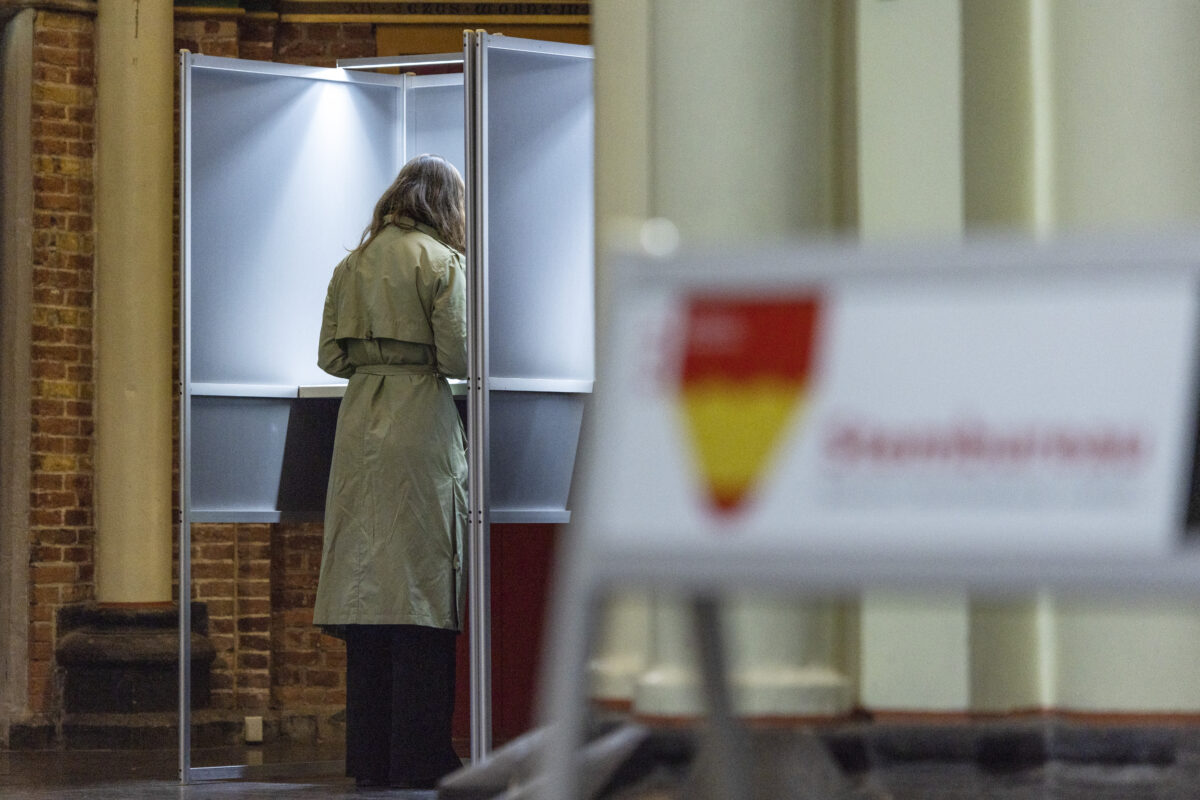
A stable but flatlining economy, social tensions with Roma, welfare payments and emigrating medics, and a fragmented Left are all shaping the Slovenian electoral campaign, ahead of the parliamentary elections on 22 March.
The Russian head of world chess, Arkady Dvorkovich, has two faces – a politically-correct one FIDE wants the EU to see, and a pro-war face that attacked Ukrainian ‘Nazism’. It’s the latter one that may now see him slapped with an EU visa-ban.
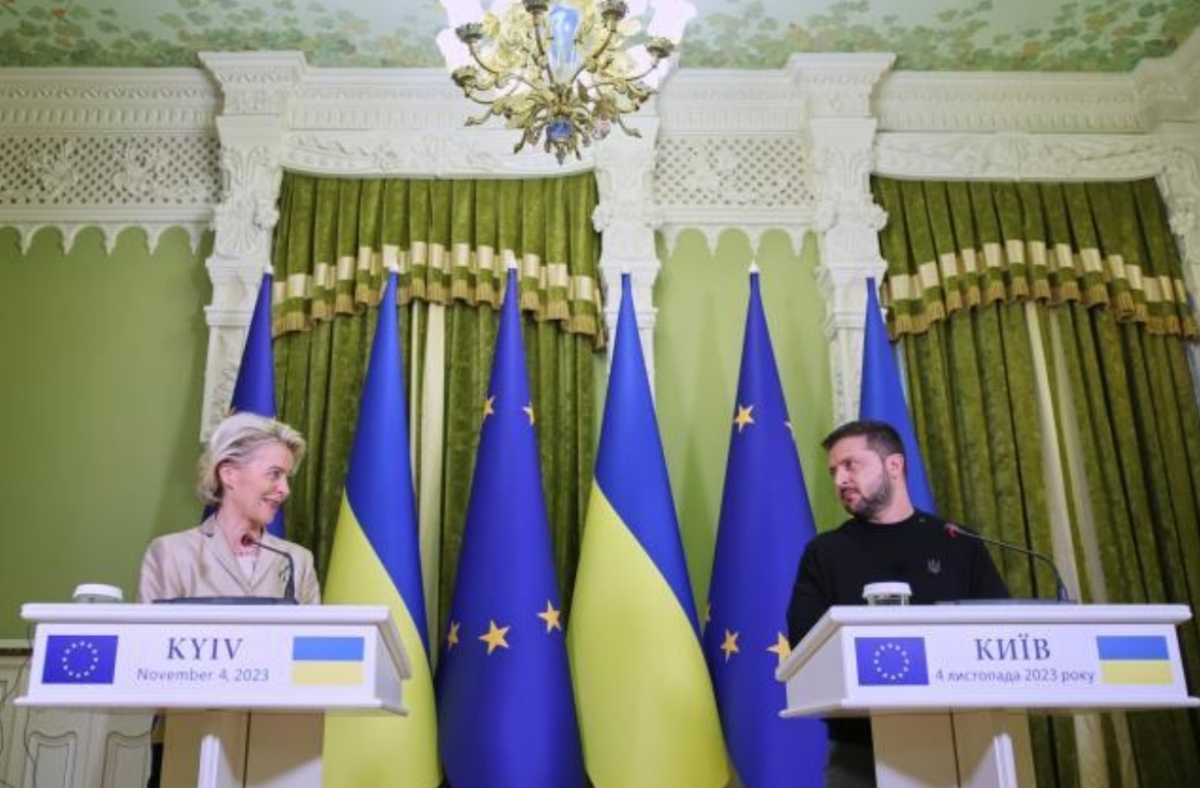
The idea of a fast-tracked Ukraine accession to the EU, as early as 2027, is gaining ground in Brussels. But urgency must not come at the expense of principle. The greater risk today is not moving too fast but moving halfway, warns the European Policy Centre.



Geen opmerkingen:
Een reactie posten