Good morning.
Kaja Kallas is a Russia-hawk. Fine. But is she anything more than that?
It's a fair question, after reading her speech to the 140 or so EU ambassadors this week. By this point, the Estonian EU's foreign affairs chief had had 10 days to digest the US-Israeli attack on Iran, recalibrate, and rewrite her speech.
Instead, a good two-thirds of it is about Russia and Ukraine. Russia's "all-out war of aggression" against Ukraine is a breach of international law, but the Middle East is just "a crisis". No one broke international law there, apparently.
When she was appointed to head the European External Action Service (EEAS) in 2024, it seemed a good fit — a Russia-hawk and former PM of Estonia. The Baltics, along with Poland, being the most reliably anti-Moscow EU states.
But years of stonewalling and silence on Israel's genocide in Gaza, and now the evasion and elision of responsibility on Iran, leave Kallas looking blinkered at best, if not simply focusing on Russia to the exclusion of all else.
For Kallas, to the ambassadors: "Russia, a permanent member of the UN Security Council, invaded its neighbour. With impunity." True.
The US, also a permanent member of the UN Security Council, launched an unprovoked, sorry "pre-emptive", attack on Iran, which risks turning the Middle East (and the rest of the world) into the Bible's Book of Revelations.
But that is just "a totally new situation in the Middle East," according to Kallas.
It's not often mentioned, but Kallas' father was also the Estonian prime minister. And he was also an EU commissioner. If this was Hollywood, rather than EU politics, she'd be accused of being a 'nepo-baby'. It’s time she showed she was up to the job.
Matt Tempest - comment editor
PS. EUobserver is currently looking for a newsroom intern and a social media intern. More information about internships here.
What else you need to know
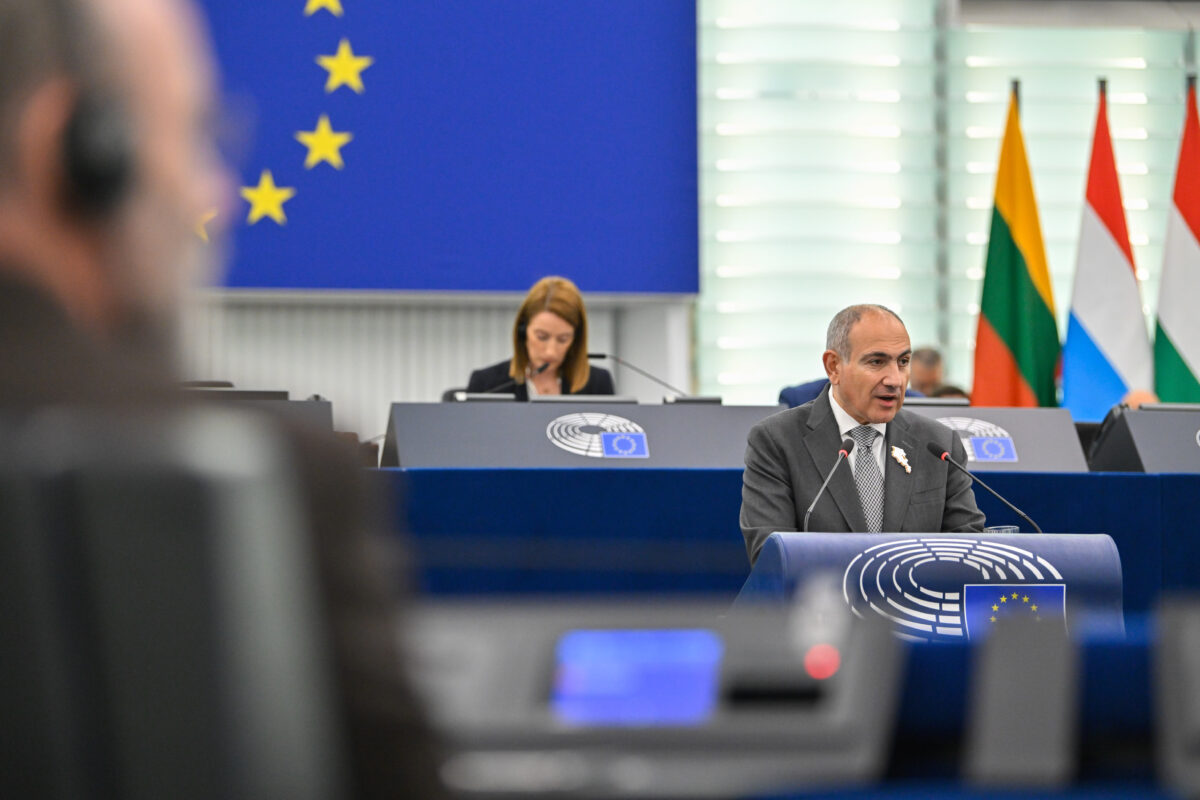
“One of the archbishops in Armenia had started a movement to [reactivate] … the [Nagorno-Karabakh] conflict”, warned Armenian prime minister Nikol Pashinyan.
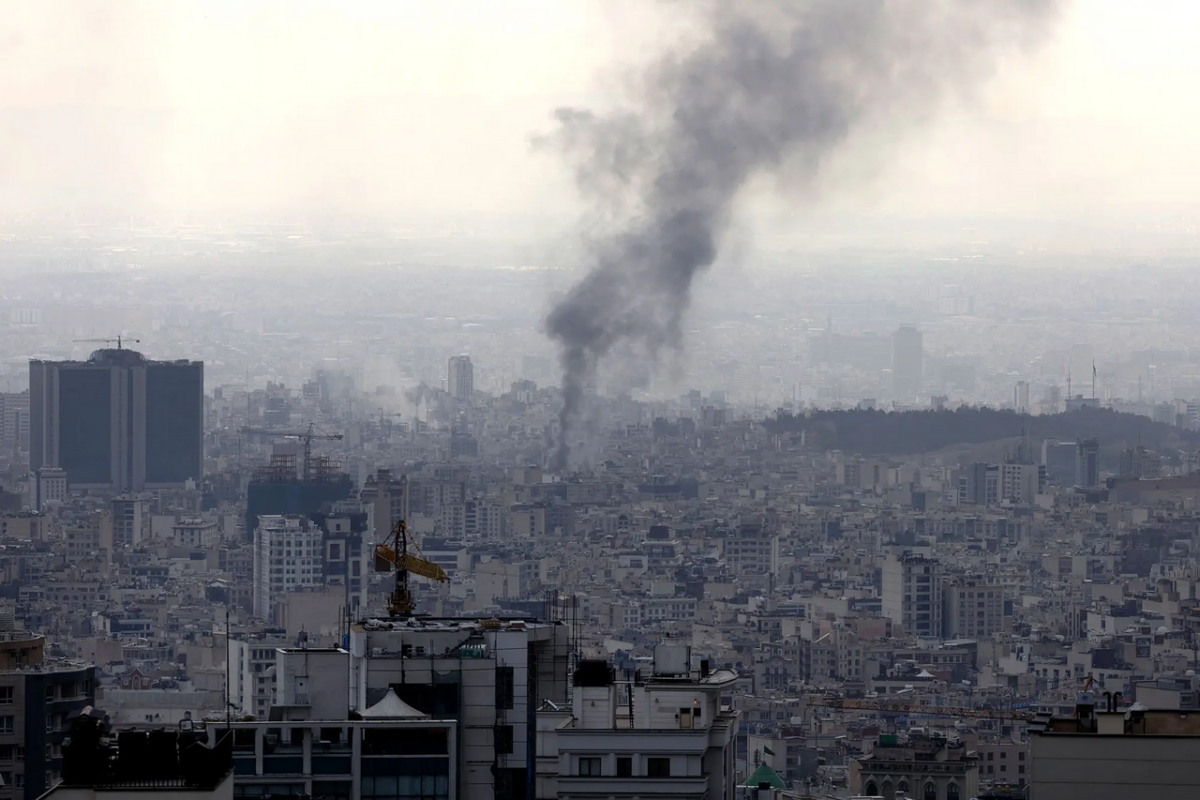
Mojtaba Khamenei’s election as Iran’s new supreme leader signals a hardline turn, stronger Revolutionary Guards, and rising risk of civil conflict. Experts warn his ascension marks the dynastisation of the Islamic Republic, exposing contradictions at the heart of the regime. “There is an alarming abundance of negative scenarios,” says Iranist Lenka Hrabalová.

The EU’s defence industry needs to be fully integrated into the bloc’s single market, MEPs said in a new report approved on Wednesday.
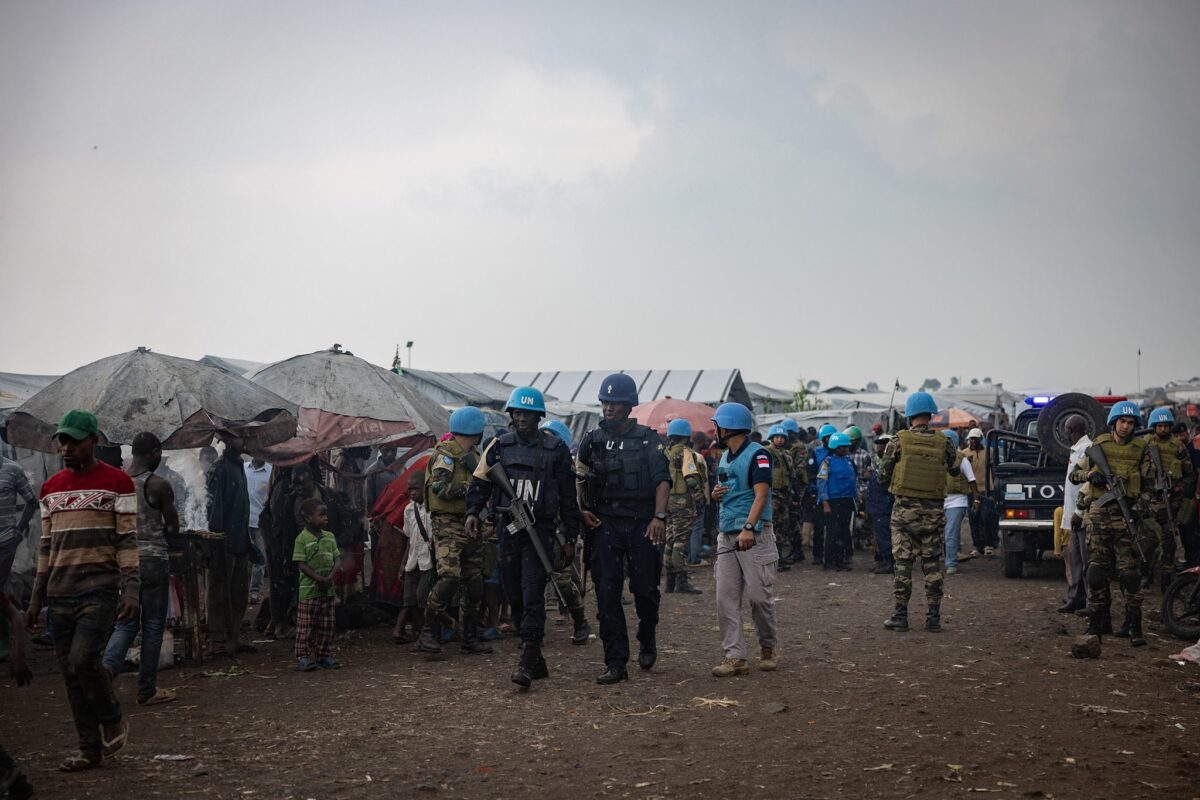
With EU foreign ministers ready to discuss possible sanctions on Rwanda at a meeting in Brussels next Monday, DR Congo communications minister Patrick Muyaya says the EU should match US sanctions over the eastern DR Congo invasion and reconsider its controversial minerals deal with Rwanda.
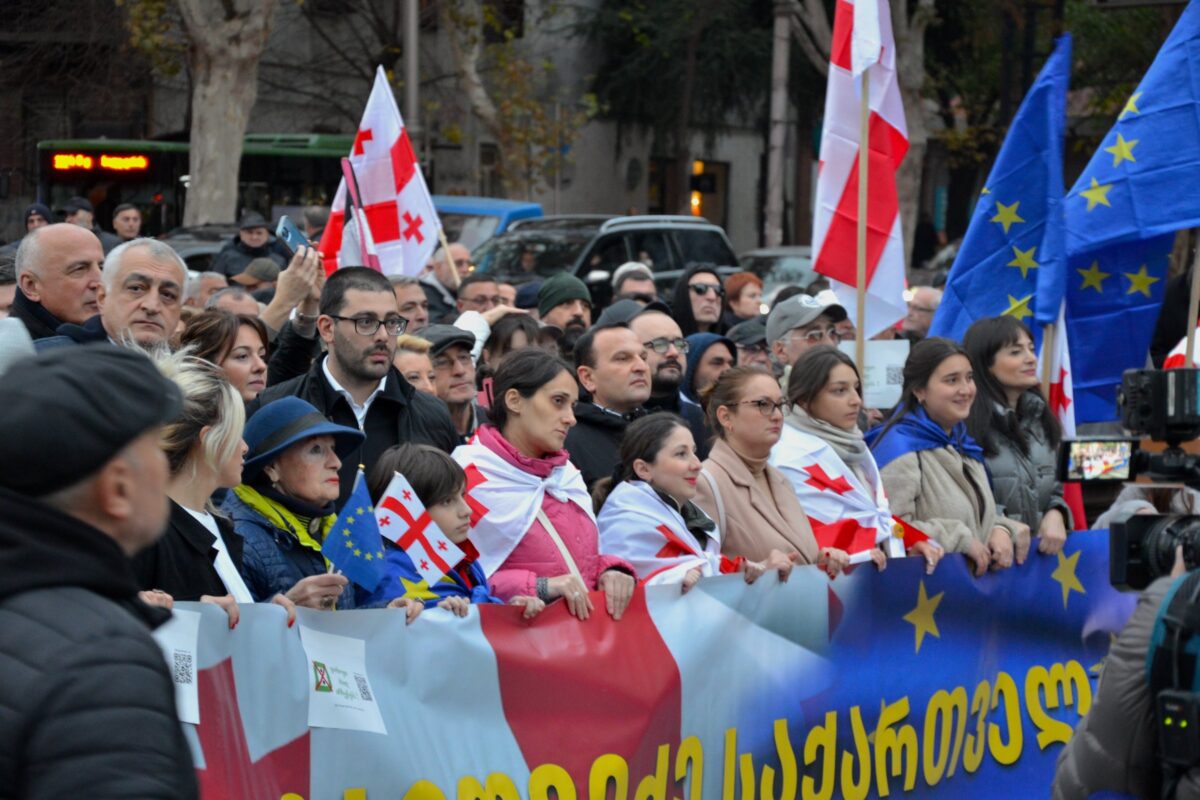
Recently, nine pro-Western opposition parties in Georgia signed an agreement to coordinate their efforts against the ruling party, Georgian Dream. For a country whose opposition has long been divided and distrustful, this is a significant development. The question now is whether the West will act in time to help them keep their country in the democratic world.
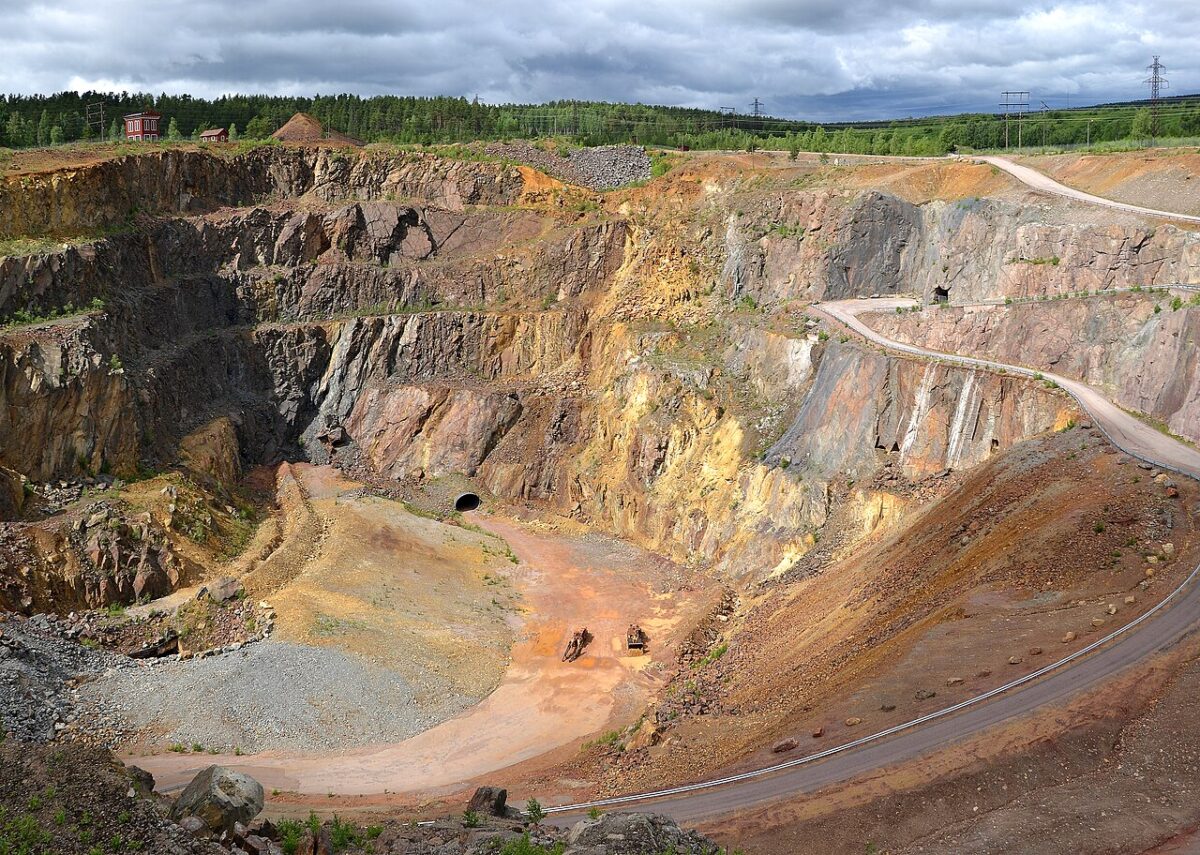
The EU’s key water law is under pressure amid intensified lobbying by the mining industry. DeSmog analysis shows sector meetings with EU officials tripled in the year before the European Commission pledged to “review and revise” the Water Framework Directive.
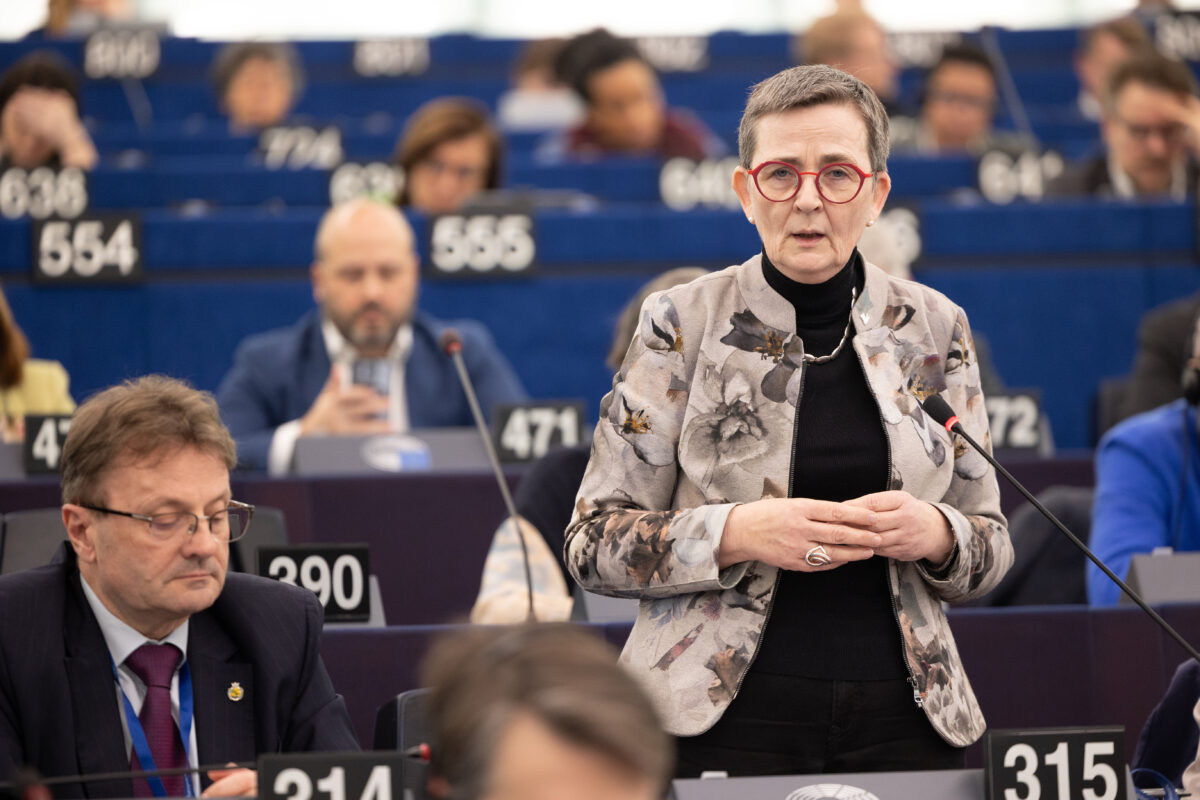
As the clock is running out on the current rules, MEP vote for substantive changes to the controversial chat-scanning measures while agreeing to extend the temporary rules for fighting child sexual abuse material online.
Some EU member states have defence agreements with Gulf countries, requiring mutual assistance in case of attack. That’s why several EU countries have announced military deployments to the region, including France and the Netherlands. But what is the scale of European forces sent to the region?
In case you missed it
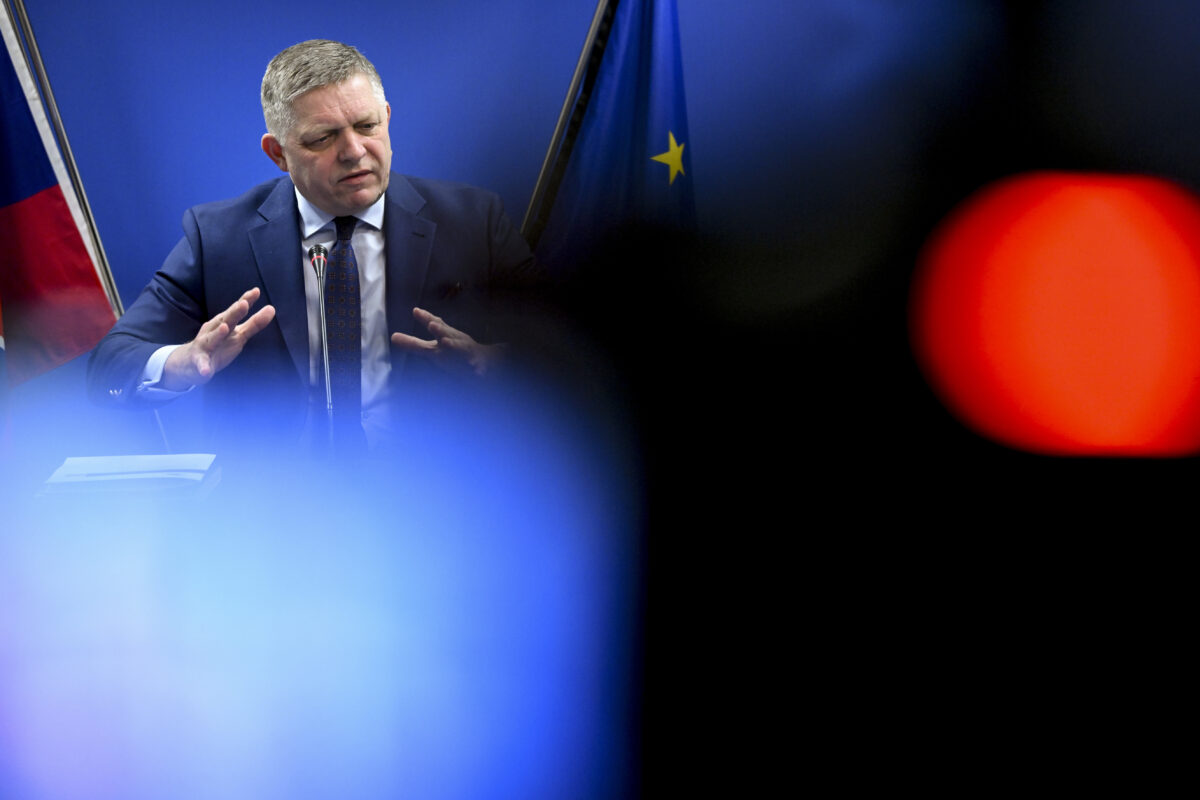
Slovakia has said it would block the rollover of the existing visa-bans and asset-freezes on Russia due on 15 March, unless the EU first delists two Russian oligarchs.
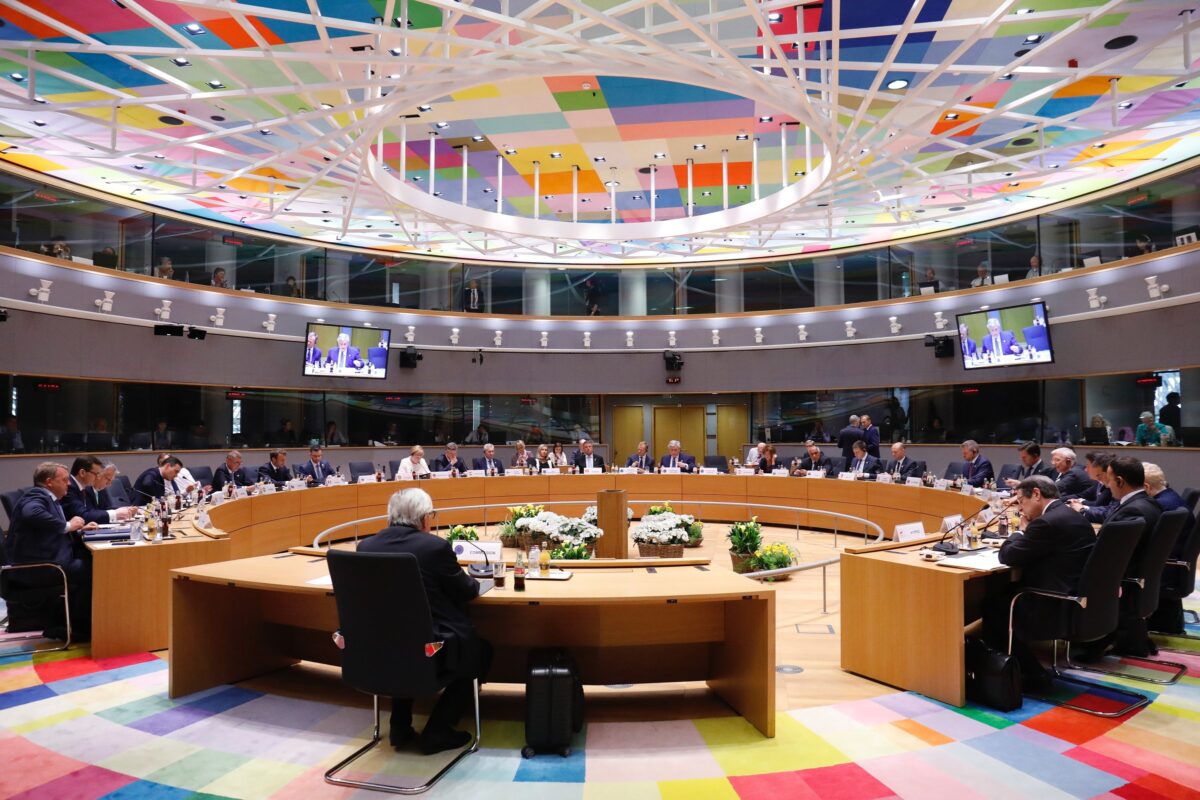
EU leaders want the carbon market reviewed by July at the latest, instead of the currently planned third-quarter timeline, a leaked draft of next week’s European Council conclusions shows.
Calls to lift oil-related sanctions imposed on Russia to limit its war budget are now also being heard in the EU. Hungary’s prime minister Viktor Orbán has already urged the EU “to review and lift all sanctions on Russian energy”. And he may not be the only EU leader thinking along similar lines.
The letter signed by 100 European companies and investors rebuffs the anti-emissions trading push from governments and the chemicals lobby — showing that not all European firms are aligned on weakening carbon pricing.
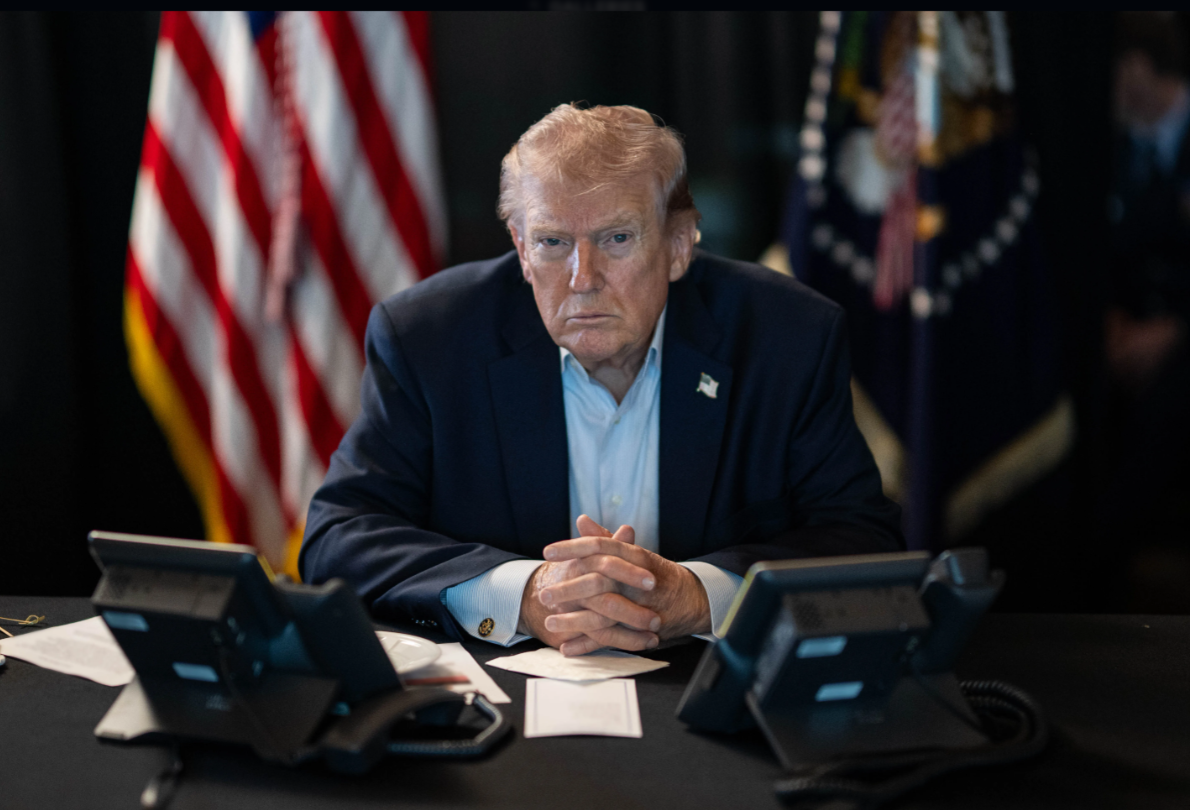
On 10 March 2025, the US announced that 83 percent of USAID’s programs would be cancelled, involving over 5,000 contracts. The UK, Germany, France, Belgium and others quickly and sharply cut their aid budgets too. One year on, what are the effects?
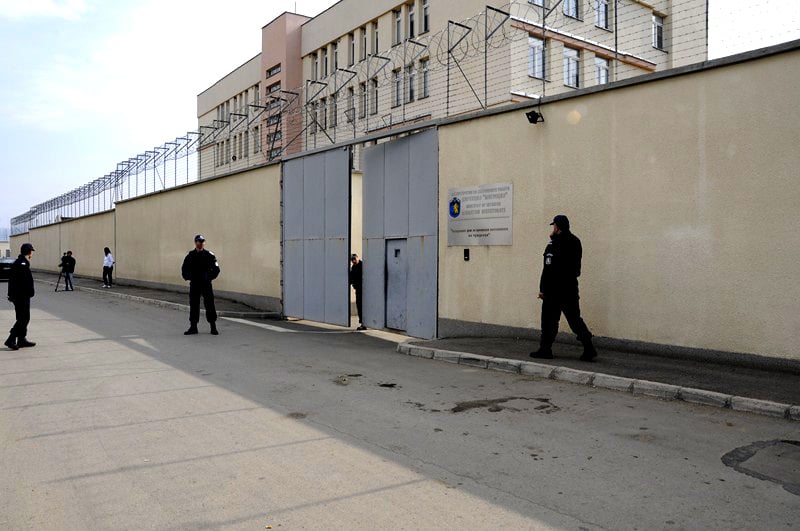
The vote on the return regulation on Monday in the European Parliament civil liberties committee now sets the legal stage for likely deportation facilities abroad, as the European Union cracks down on asylum and roll backs its commitment to refugees.
The political content on the social media feeds of young adults is mainly comprised of sensational, unverifiable, opinion-based and mostly rightwing content, according to a new study from Helsinki-based think tank Sitra, published on Tuesday.
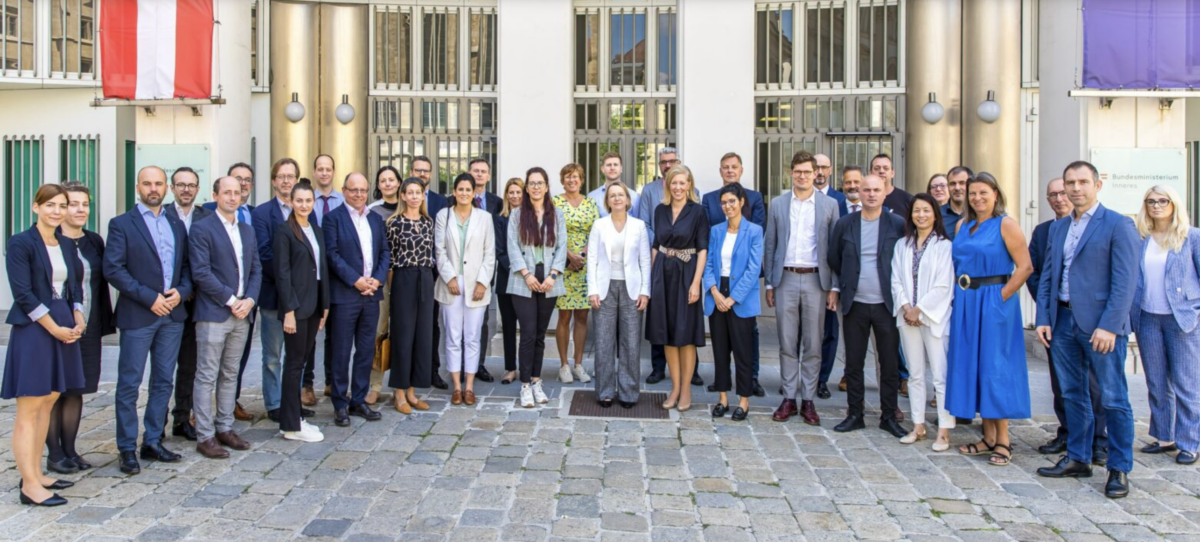
First launched in late 2022, the so-called High Level Network for Returns (HLNR) used the October 7 Hamas terror attack on Israel as a justification to enforce the exchange of data of individuals with a deportation order and flagged as “potential terrorists”.
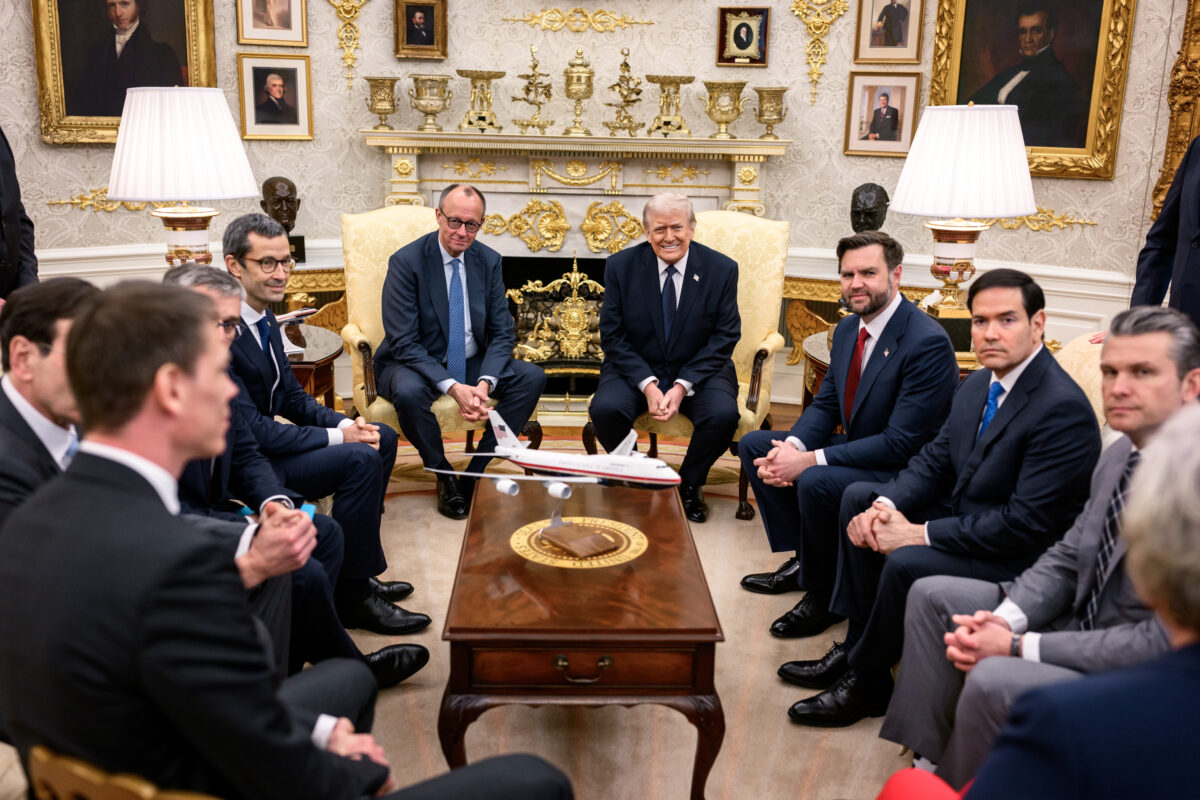
Unable to defend European interests, unwilling to hold Washington and Tel Aviv accountable, and therefore impotent in the face of great-power predation. This failure is not merely moral — it is strategic.



Geen opmerkingen:
Een reactie posten