Good morning.
Corruption, judicial bias and threats to media freedom — plenty of it exists across the EU, despite the institutions in Brussels making their absence a prerequisite for joining the bloc.
Not only are they present, but the EU Commission’s attempts to uphold the rule of law are “ineffective” and repetitive, says the Civil Liberties Union of Europe (Liberties) in a report published on Monday (30 March).
Their report, which extends to more than 840 pages, points to "deliberate erosion of the rule of law" in Bulgaria, Croatia, Hungary, Italy, and Slovakia.
It adds that even historically-strong democracies, such as Belgium, Denmark, France, Germany, and Sweden, are experiencing "regression".
Indeed, Liberties identifies what it describes as ‘dismantlers’ (governments that consistently and intentionally weaken the rule of law) and ‘sliders’, where democratic standards decline in certain areas without being part of a clear political strategy.
Leaving aside the slightly clumsy phraseology, a growing group of EU states are clamping down on basic rights such as peaceful protest.
Some of the countries named won’t come as a surprise to Brussels-watchers. Viktor Orbán’s Hungary “remains in a category of its own, continuing to pursue ever more regressive laws and policies without any sign of change,” according to Liberties — criticism that will probably be received as a badge of honour by the Fidesz government.
Italy’s status as a major offender is new, however.
But the real value of the report should be in encouraging the EU to take its own commitments to the rule of law seriously.
In the past, the commission has placed great importance on its annual Rule of Law report and in launching infringement proceedings against Hungary and Poland under the so-called Article 7 procedure.
However, even the commission seems to have lost interest.
Liberties finds that 93 percent of the recommendations issued by the commission in 2025 were simply copied and pasted from the previous year’s report.
Overall, the number of new recommendations was cut in half compared to 2024. Out of 100 recommendations assessed by Liberties, 61 show no progress and a further 13 are backsliding.
The governments who have been named and shamed may retort that the civil society groups on whose evidence this report is based have, themselves, received funding from the EU.
That is true for many of them, but it doesn’t invalidate the research.
In truth, the EU — as with its Stability and Growth Pact, which governs debts and deficits — has been very reluctant to impose sanctions for rule of law breaches.
Billions of euros from the Covid-19 recovery fund were withheld from Hungary, but the Article 7 procedures have simply run into government vetoes and been quietly abandoned.
But the perception is that the EU does not hold member states to the rules that they signed up to, putting the bloc in contempt.
Ben Fox, trade and geopolitics editor
What else you need to know
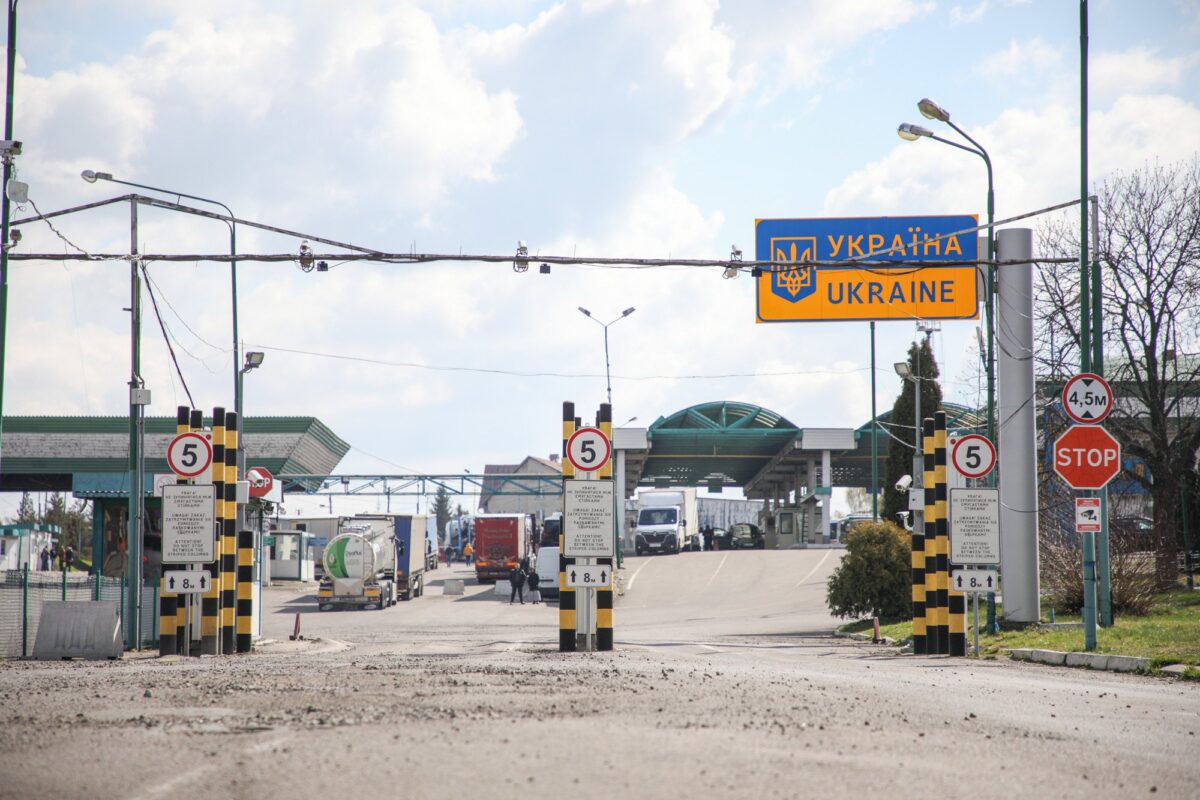
The new funds are from the European defence industry programme, part of the bloc’s plans to scale up its defence industry.
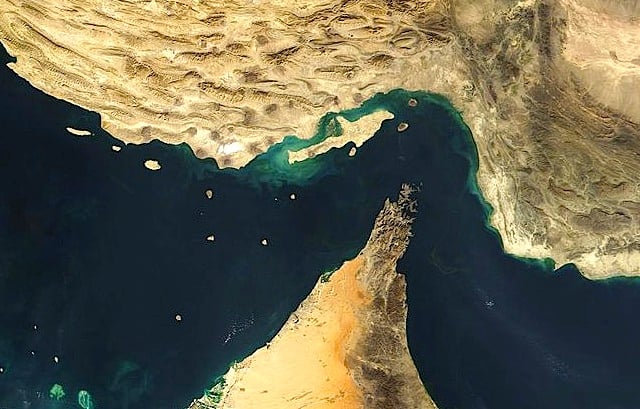
The Hormuz crisis is real and structural. The Druzhba pipeline dispute is a price grievance repackaged as a security emergency, and it is fracturing EU solidarity on Russia at the worst possible moment.

The terrorism bill is worded to apply to ethnic Palestinians convicted in future of murdering Jewish Israelis for political reasons.
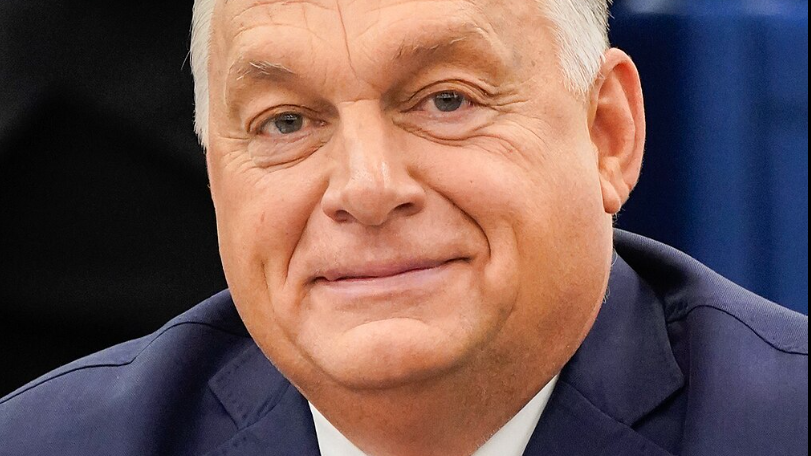
Some argue that Hungary should simply leave the EU. Yet the treaties contain no mechanism to expel a member state. And even if it were possible, a forced “Huxit” would not weaken Viktor Orbán — it would weaken the Hungarian people, warns German Green MEP Daniel Freund.
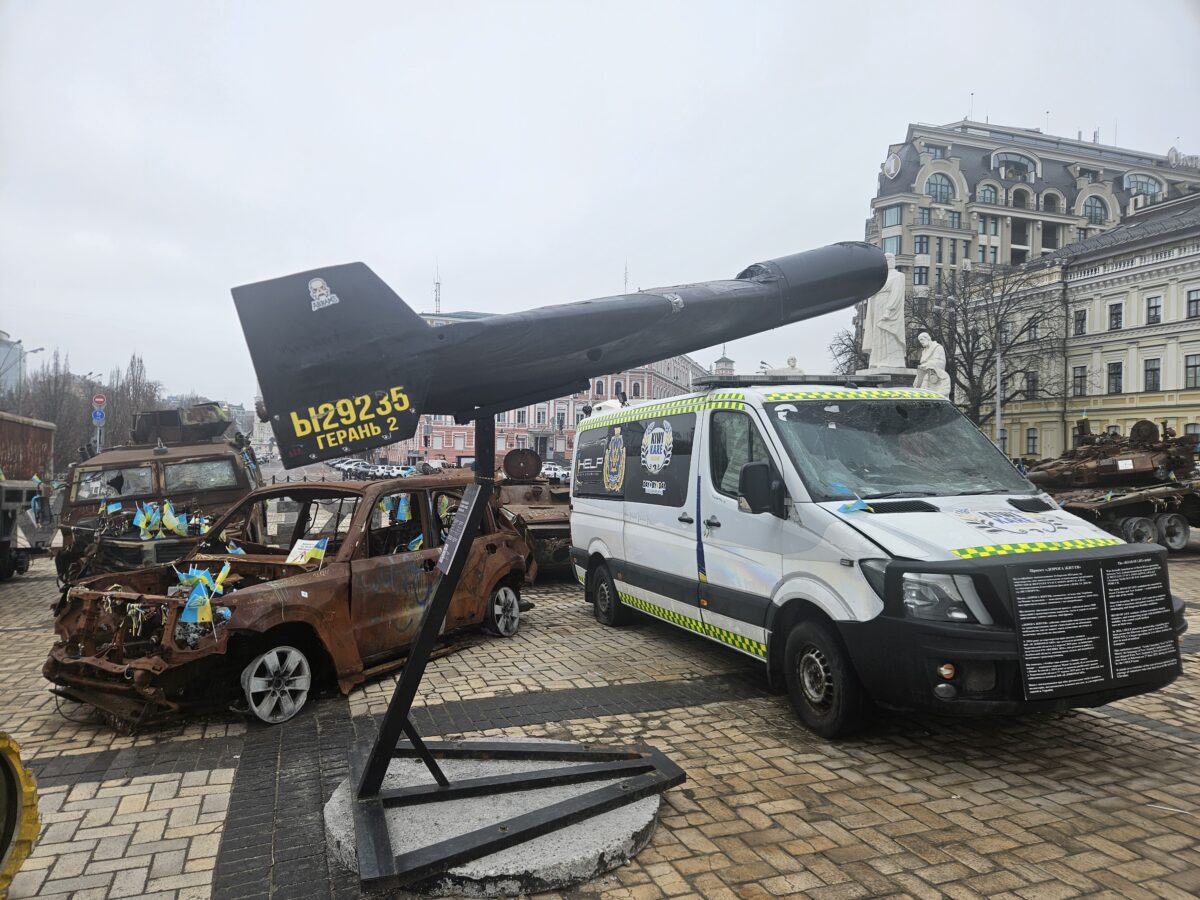
EUobserver reporter Nikolaj Nielsen is on the ground in Ukraine this week, as Russia escalates drone attacks and and the EU’s foreign policy chief Kaja Kallas visits to mark the Bucha massacre anniversary, amid rising tension over blocked EU aid and Russian oil transit.
A delayed train from Poland to Kyiv offers a stark glimpse into life after four years of war: air-raid alerts, soldiers’ baggage, and fragile infrastructure.
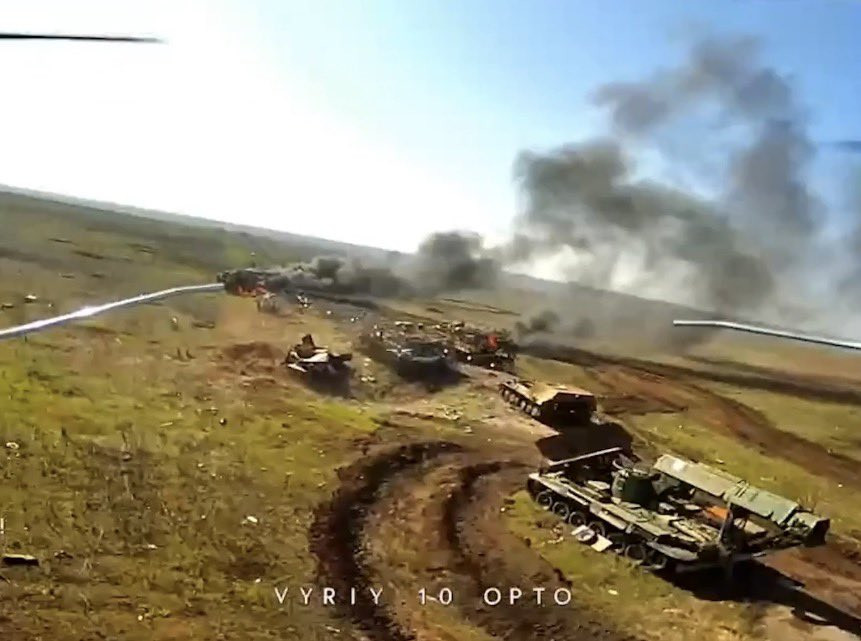
Ukrainian heavy artillery fire and tactical drones open path for long-range drones to reach and strike Russian rear, Rogozin said.
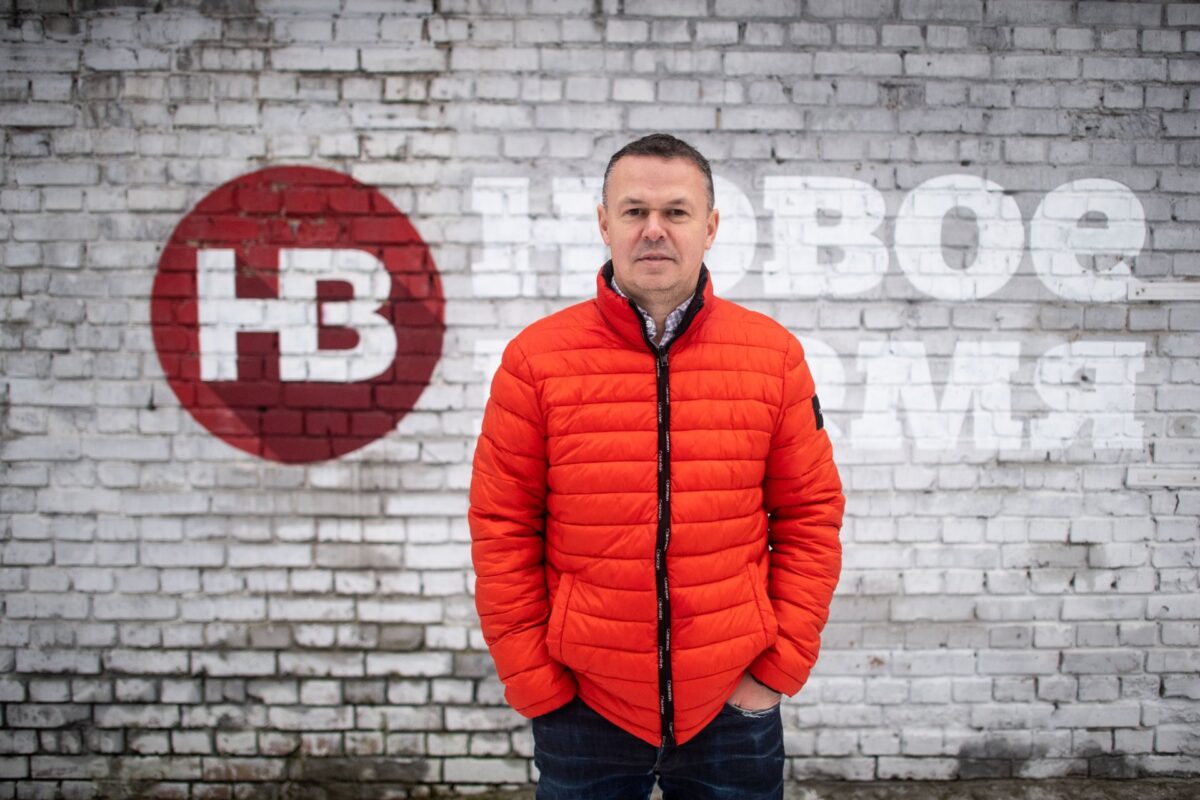
Vitaliy Sych, editor of Ukrainian online media NV, talks to EUobserver (in an interview interrupted by 75 Shahed drones bombing Kyiv) about Russian losses and propaganda, the flock of Gulf leaders now wanting to buy Ukrainian military tech, Vladimir Putin’s mindset, the Druzhba pipeline and Viktor Orban.
More than 1.25 million EU citizens are urging the EU to ban conversion practices targeting LGBTQ people, which often cause severe psychological harm. While some countries already prohibit them, EU-wide action faces legal and political hurdles, including limited EU competence, member state opposition, and disagreements over definitions and religious freedom concerns.



Geen opmerkingen:
Een reactie posten