Good morning.
With gas prices rising as a consequence of the US and Israeli strikes on Iran, talks of interest rate hikes in Europe have returned.
Europe’s main gas price benchmark has nearly doubled since the attacks started.
German conservative MEP Markus Ferber has since warned that conflict in Iran could trigger another energy crisis, calling on the European Central Bank (ECB) to “stay vigilant.”
ECB’s chief economist Philipp Lane then told the Financial Times on Tuesday that for now he does not see a reason to change central bank rates but promised to “closely monitor developments.”
Having covered the 2021-2023 energy crisis closely, it’s worth revisiting what actually occurred during that episode.
Energy price shocks can quickly spread through the economy. The question is whether the ECB is well-positioned to deal with such shocks.
By its own admission, it isn’t. Inflation-fighting measures that worked in 2021–2023 were fiscal — and included tax cuts, subsidies, and gas storage targets — not monetary.
The rate discussions that emerged this week picked up right where the rate hikes of 2022-2023 left off, making it worth revisiting how the ECB’s energy-crisis policies played out at the time, and what lessons we might draw from them.
Wester van Gaal, economy editor
What else you need to know
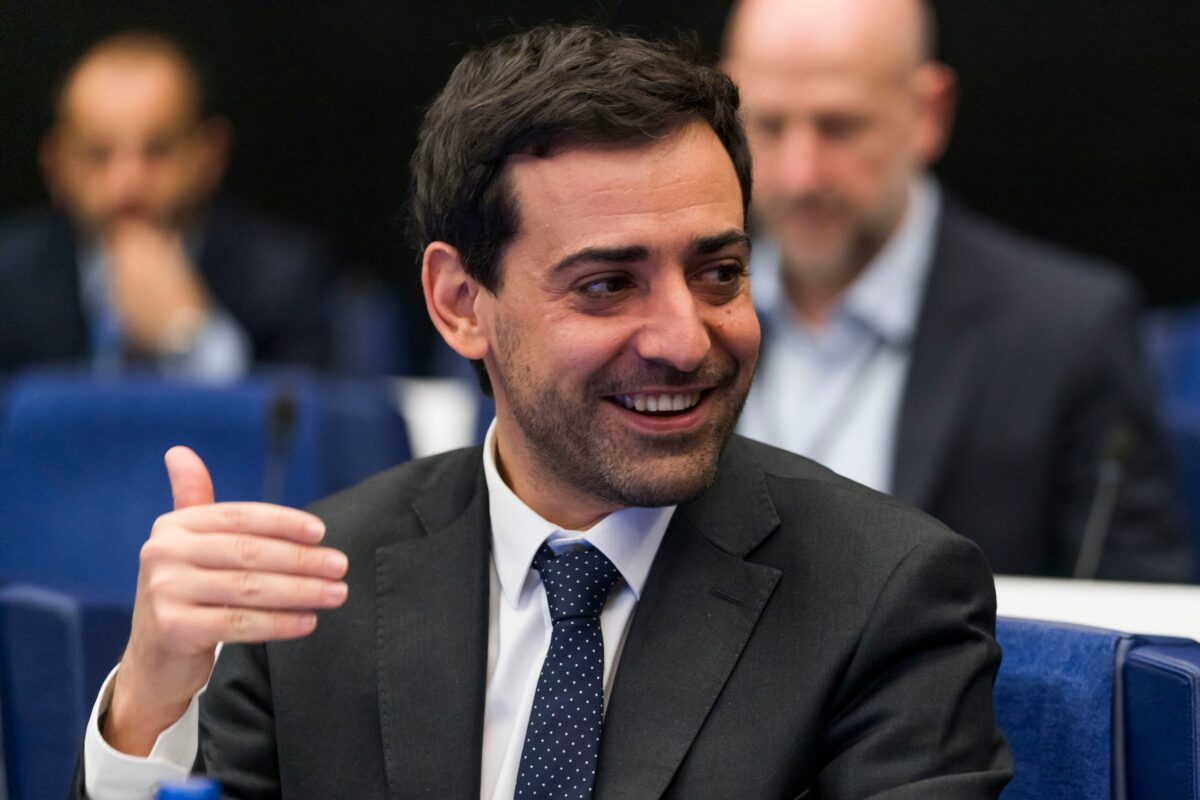
After the college of commissioners failed to agree on many of the details of the Industrial Accelerator Act again on Monday, it will now be published in more limited form. Plans to bar non-EU producers from government contracts and funding have been delayed by six months.
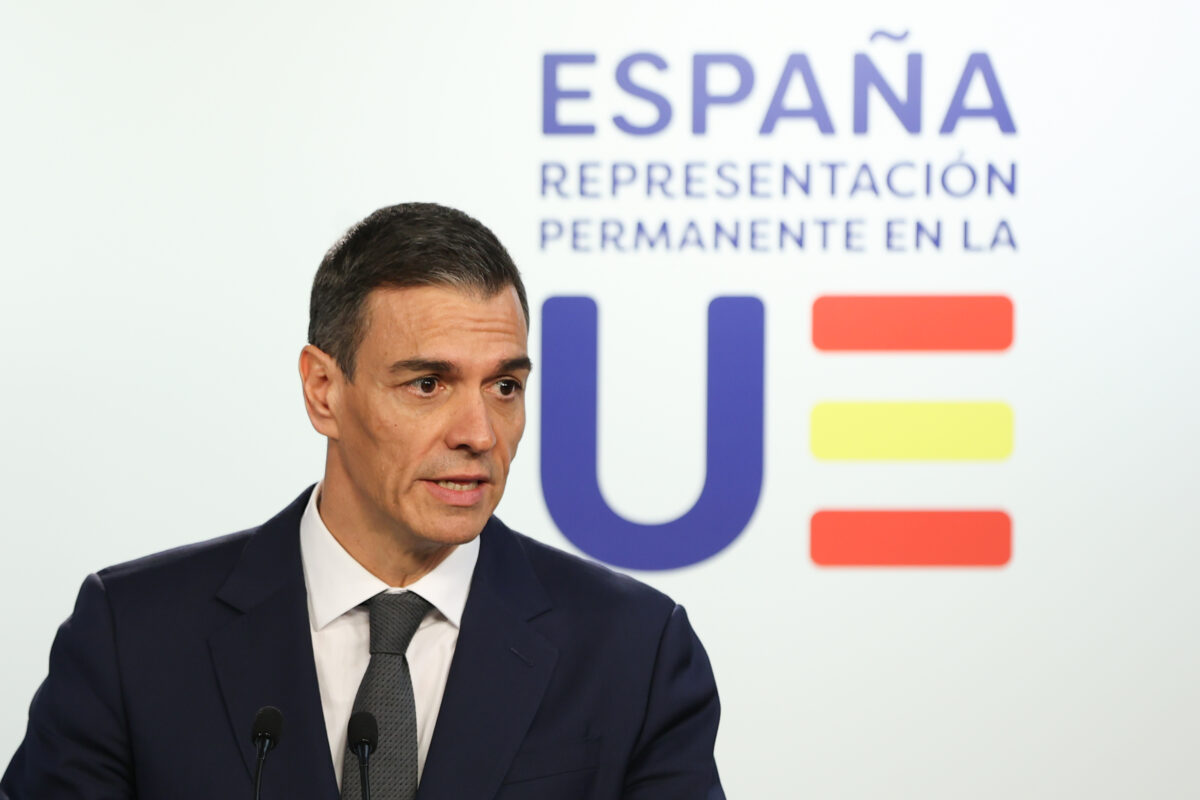
European leaders have been carefully drafting cautious statements urging ‘de-escalation’ and ‘respect for international law’. But one voice has sounded different. And it speaks Spanish.
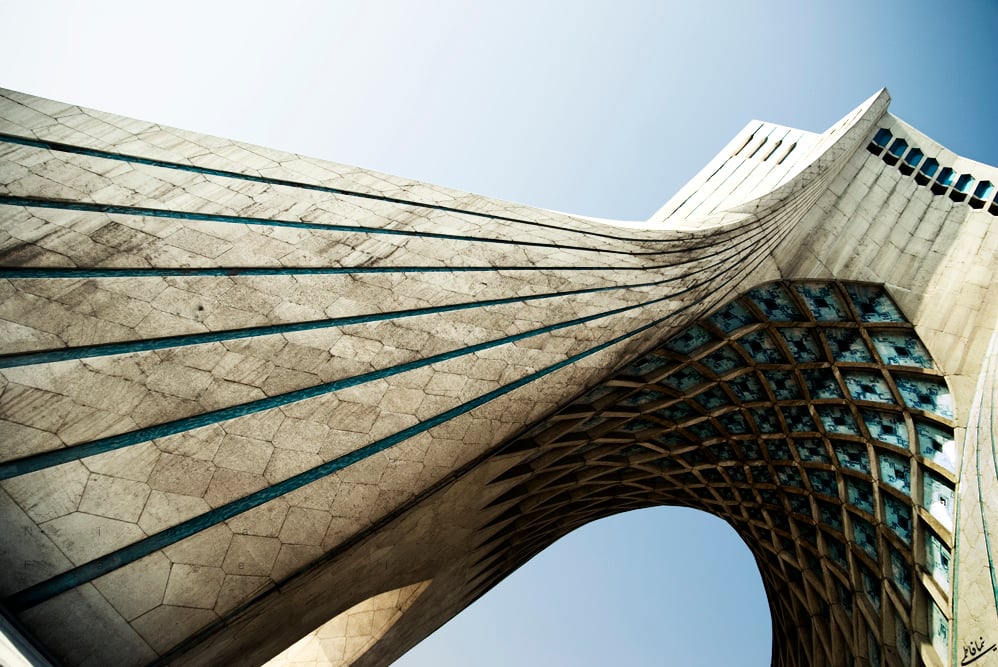
Iran is the second-largest refugee hosting country in the world, spooking leaders in Europe of any possible mass exodus, with the commission stepping up monitoring and cooperation with relevant UN agency and countries in the region.
“Law is stronger than force”, said Ursula von der Leyen on Greenland. Last week, the EU rightly stressed once more the illegality of Russia’s invasion of Ukraine. Four days later the US and Israel attacked Iran and the EU forgot about international law.
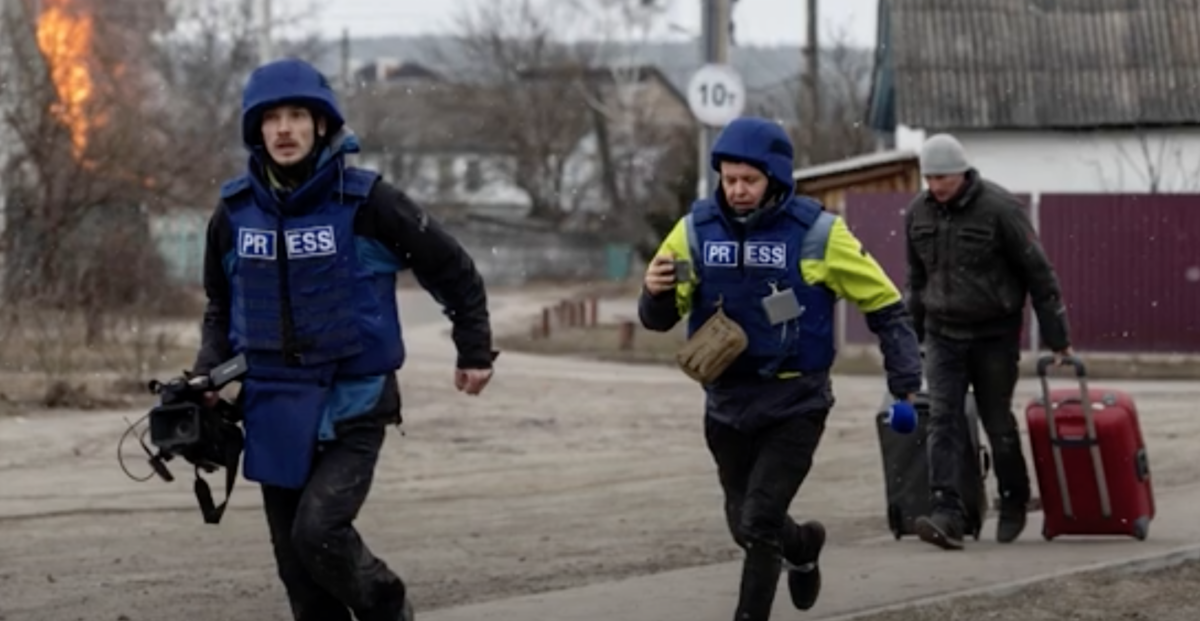
A decade after the Strasbourg-based Council of Europe launched its journalist safety platform, threats have surged: over 2,300 alerts in more than 40 countries, yet fewer than one-in-three receive government responses. Impunity persists, journalists face violence, and democracy pays the price. Responding to alerts, resolving cases and addressing systemic problems should be the rule, not the exception.
Donald Trump is inspiring European states to consider how to avoid the omnipresent services of US tech giants in everyday life.
Historically, the EU has placed crucial importance on upholding international law. But after the US and Israeli strikes in Iran, the EU is turning a blind eye to the violation of the principles of the UN charter. Are we witnessing an erosion of this principle within the EU?
In case you missed it
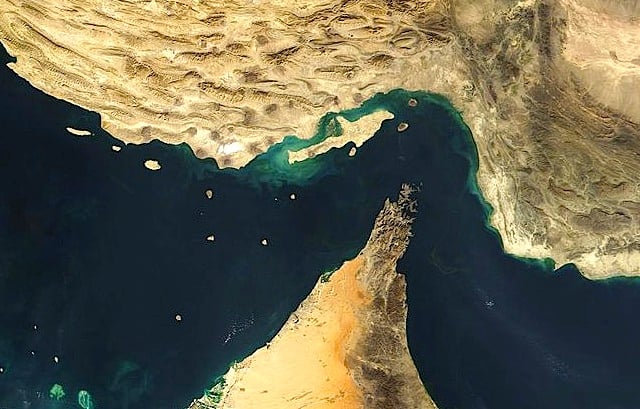
The European gas price was 40 percent higher on Monday after Qatar halted liquid gas production.
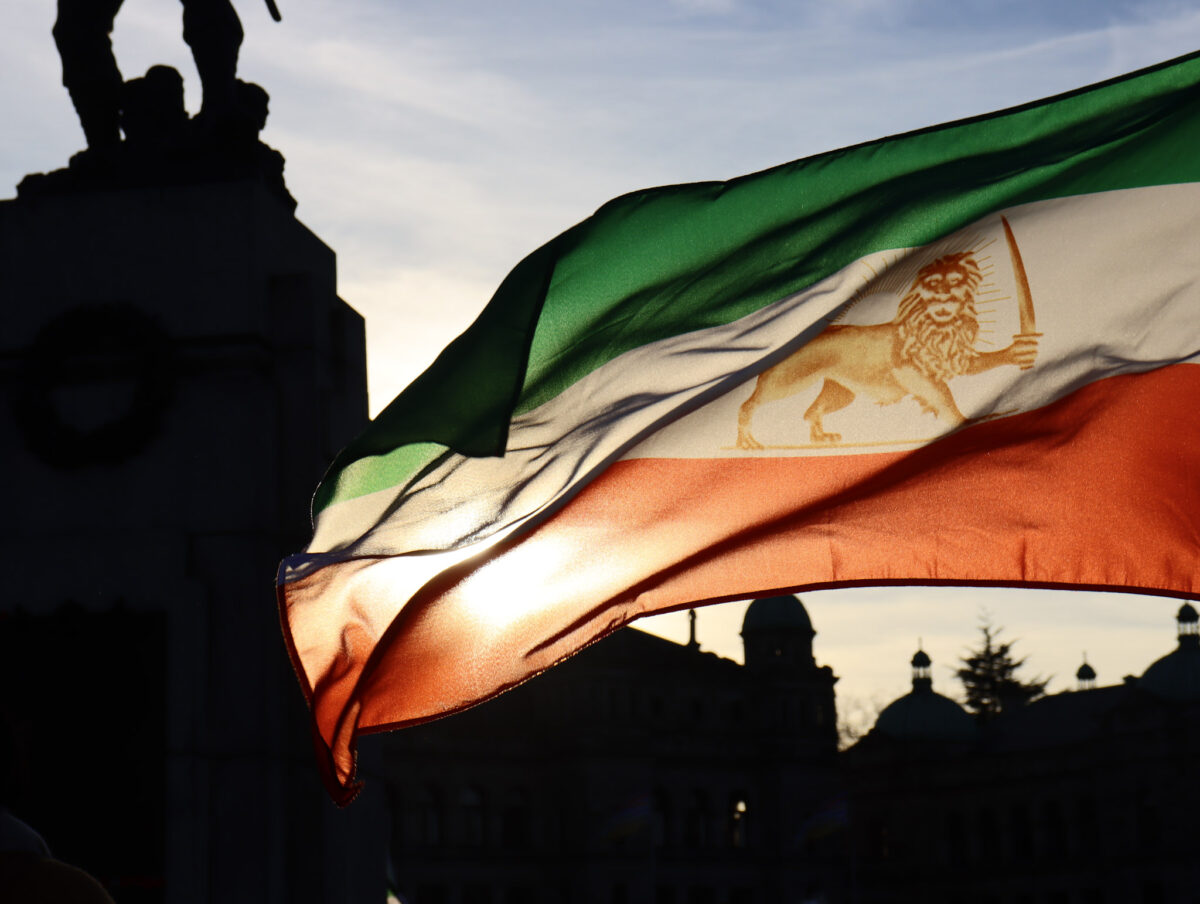
The European Union must decide whether it will confine itself to the comfortable position of simply saying ‘no to war’, or whether it will actively support a democratic transition. A reactive anti-war posture may appear principled in Brussels. For Iranians who have already paid for regime change with massacres, mass imprisonment, executions, and now open war, it is inconsequential.
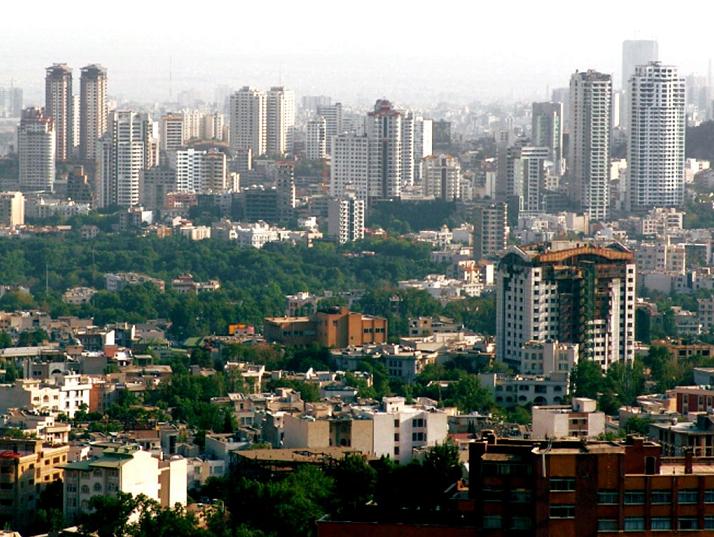
While leaders of France, Germany and the United Kingdom condemn Iran and consider defensive steps, they stop short of direct war involvement, coordinating cautiously with the United States. Here’s a closer breakdown of how each country is positioning itself.
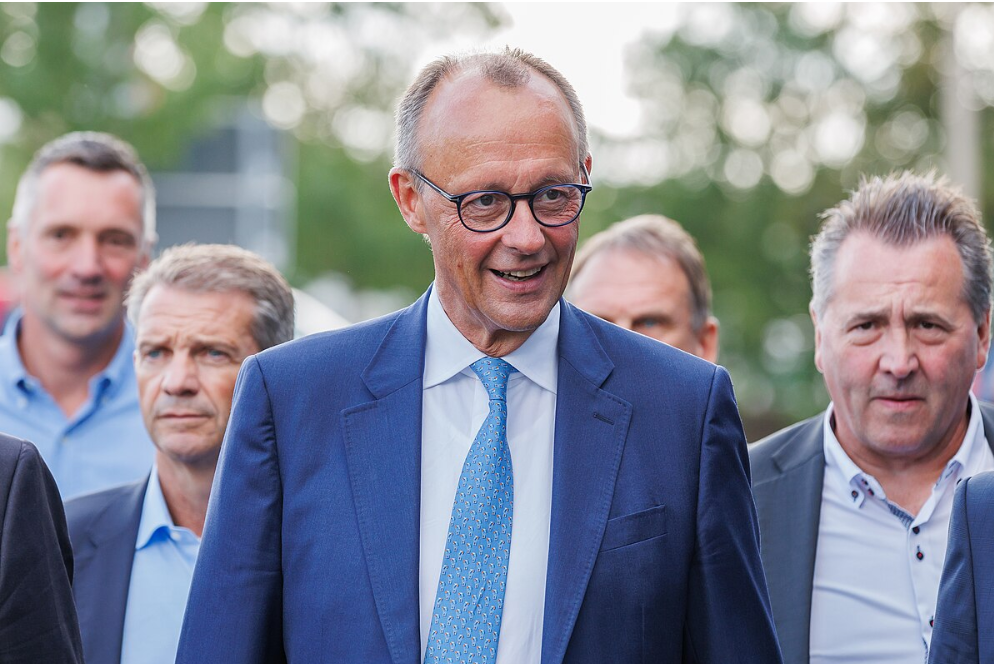
Friedrich Merz has pledged to transform the German armed forces into the strongest conventional land force among European Nato members. Will that be enough for Donald Trump?


Geen opmerkingen:
Een reactie posten