Good morning.
Patriarch Kirill, the 79-year old head of the Russian Orthodox Church, has long been a steadfast supporter of president Vladimir Putin and the Kremlin’s war in Ukraine.
Earlier this month, he praised Russian troops for their “glorious accomplishments” in Ukraine, which killed over 2,500 civilians last year alone.
The latest "accomplishment" includes Russia shelling an Orthodox cultural centre owned by the Moscow Patriarchate in the city of Dnipro, in east-central Ukraine.
The centre on Wednesday was “completely destroyed,” according to Dniepro's mayor, Borys Filatov.
"It'll be very interesting to see what kind of statement the Moscow priests will make about this incident," he said, in a Telegram post on Thursday.
Several other districts in the city had also been hit with dozens of people sent to hospitals to treat their wounds. At least three have died.
When I met Filatov earlier this month, he described life in Ukraine as a lottery where drones and debris can kill you at any moment.
“We all live as if in a lottery, never knowing where the drone wreckage might fall, or which houses it might hit," he said.
Kirill, who only last week delivered a Christmas sermon to a disoriented clergy, is unlikely to make any mention of the latest assault.
The event will almost certainly be dismissed as part of Russia’s so‑called “special military operation.”
Once calling Putin a “miracle of God,” Kirill embodies the merger of faith and power that sustains Russia’s authoritarian narrative.
For strongmen and their imitators, religious endorsement and its symbols serve as both validation and propaganda.
Nikolaj Nielsen – home affairs editor
What else you need to know
Despite years of evidence and verified reports by a senior official within the EU’s border agency Frontex, the European Commission still won’t acknowledge that Greece pushes back migrants, which is illegal under EU law.
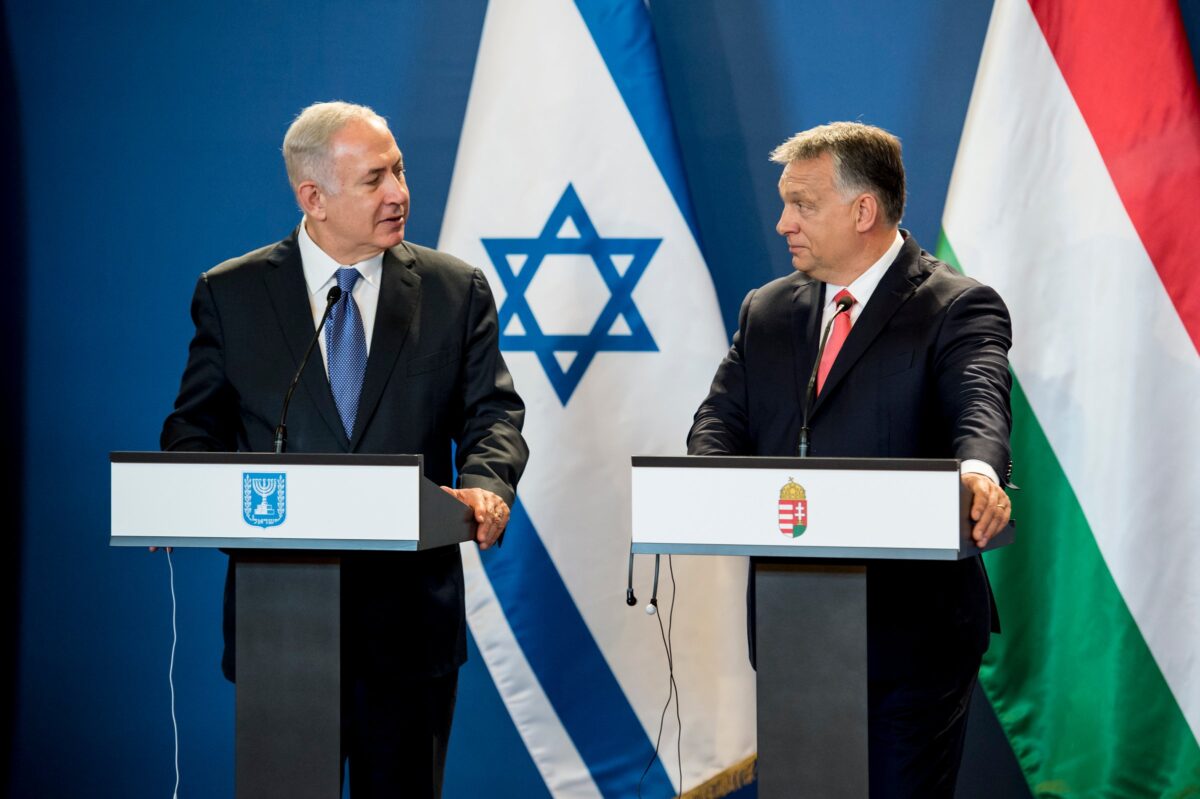
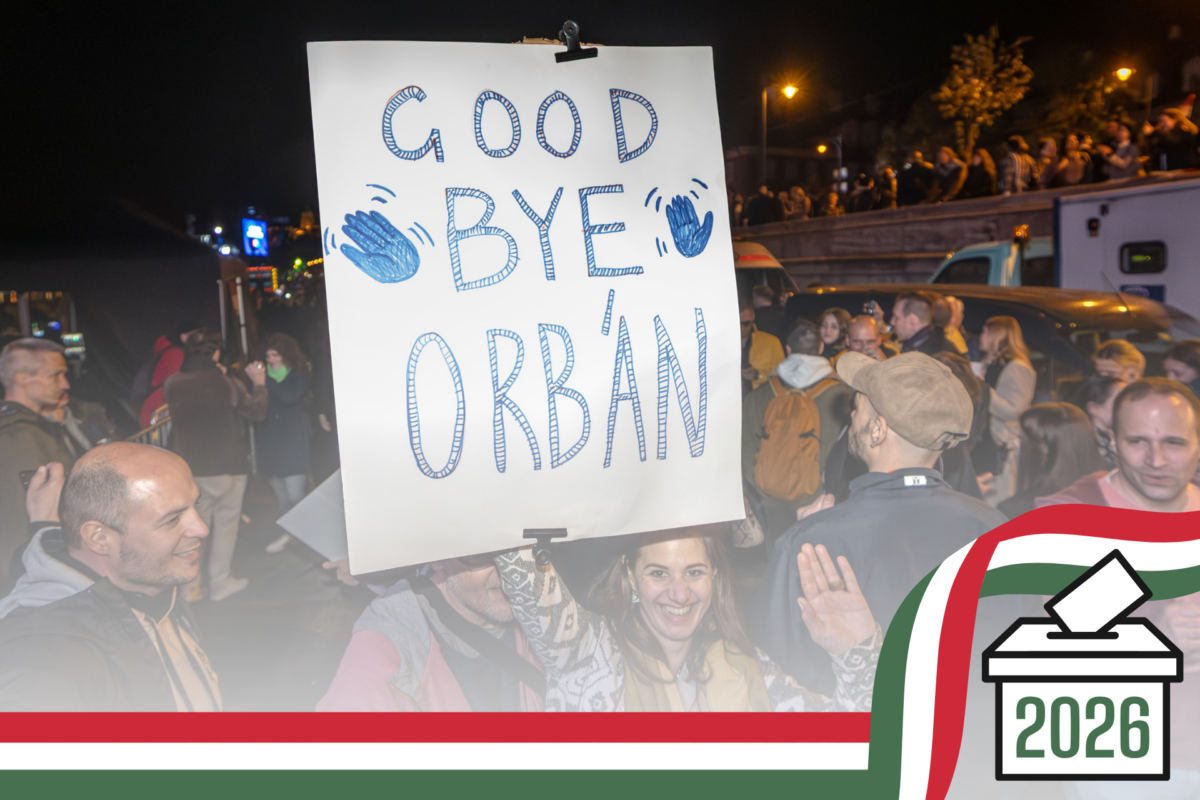
Israeli prime minister Benjamin Netanyahu has said that Hungary’s incoming leader Péter Magyar invited him to Hungary, in what would make a mockery of Magyar’s promises to respect international law.
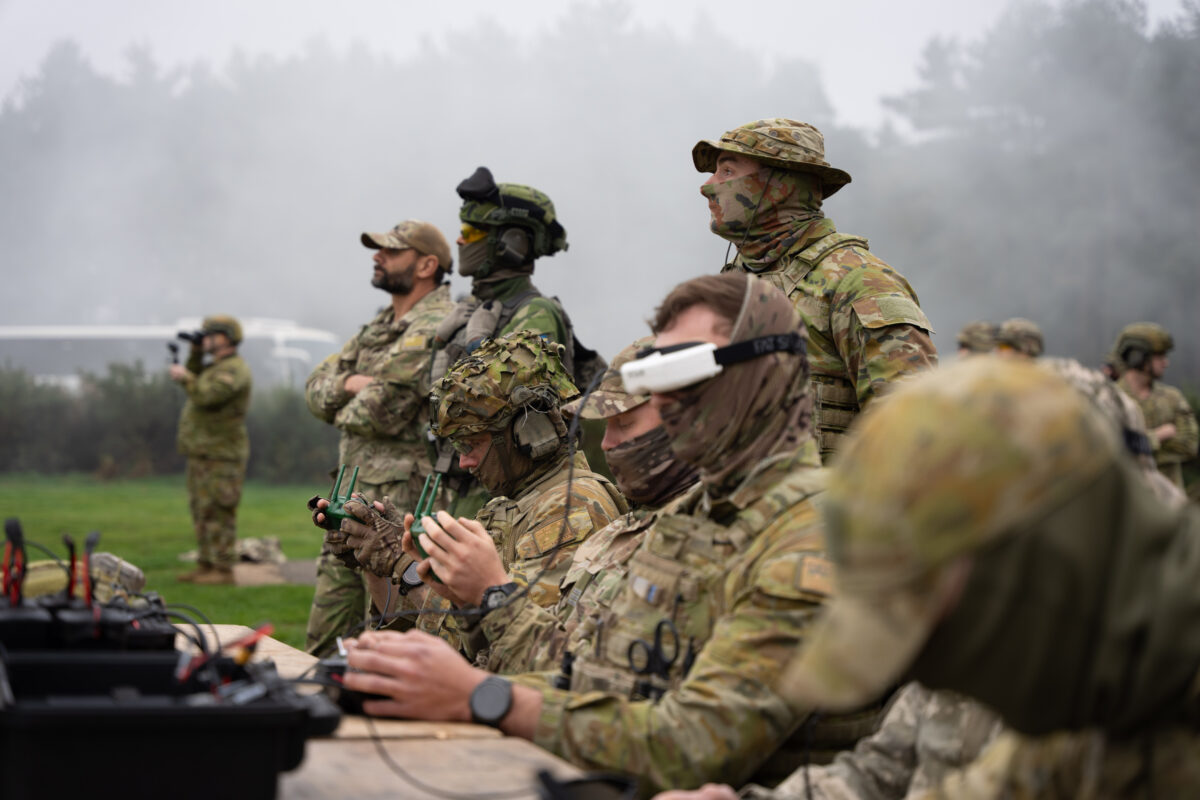
“My impressions are really gloomy. It seems that when a drone chooses you as a target, the chances of survival are small,” wrote Deutsche Welle journalist Przemyska.
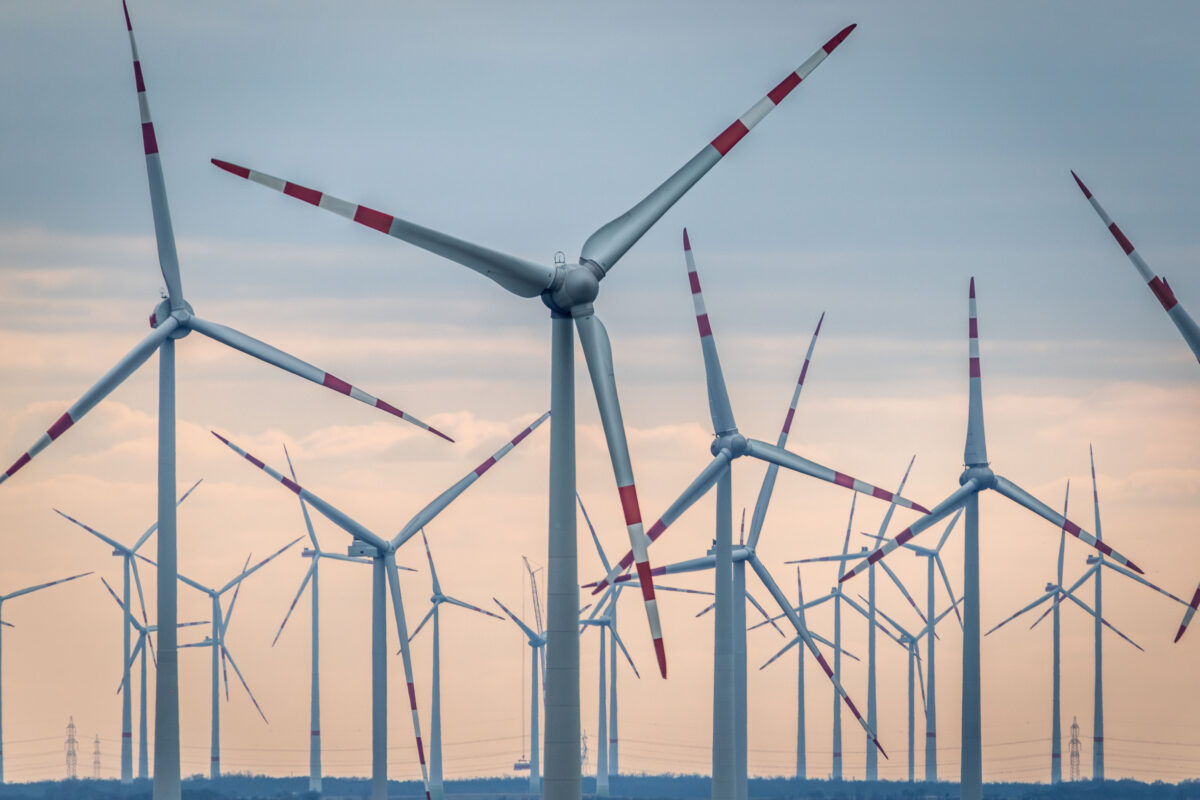
The current energy crisis caused by the war with Iran could have hit Europe much harder, were it not for lower gas consumption and a marked shift towards renewable sources.
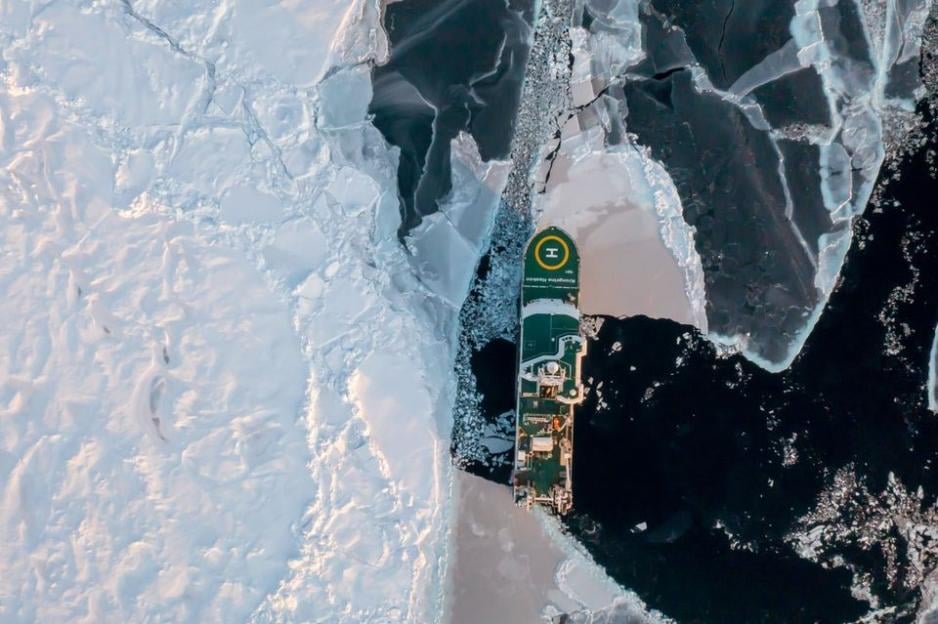
The European Arctic is, above all, European — and it is time Brussels treated it that way. The European Arctic produces a disproportionate share of Europe’s food security, energy supply and strategic raw materials. The gap between what this region contributes and what it receives in political attention is not a detail. It is a strategic failure.
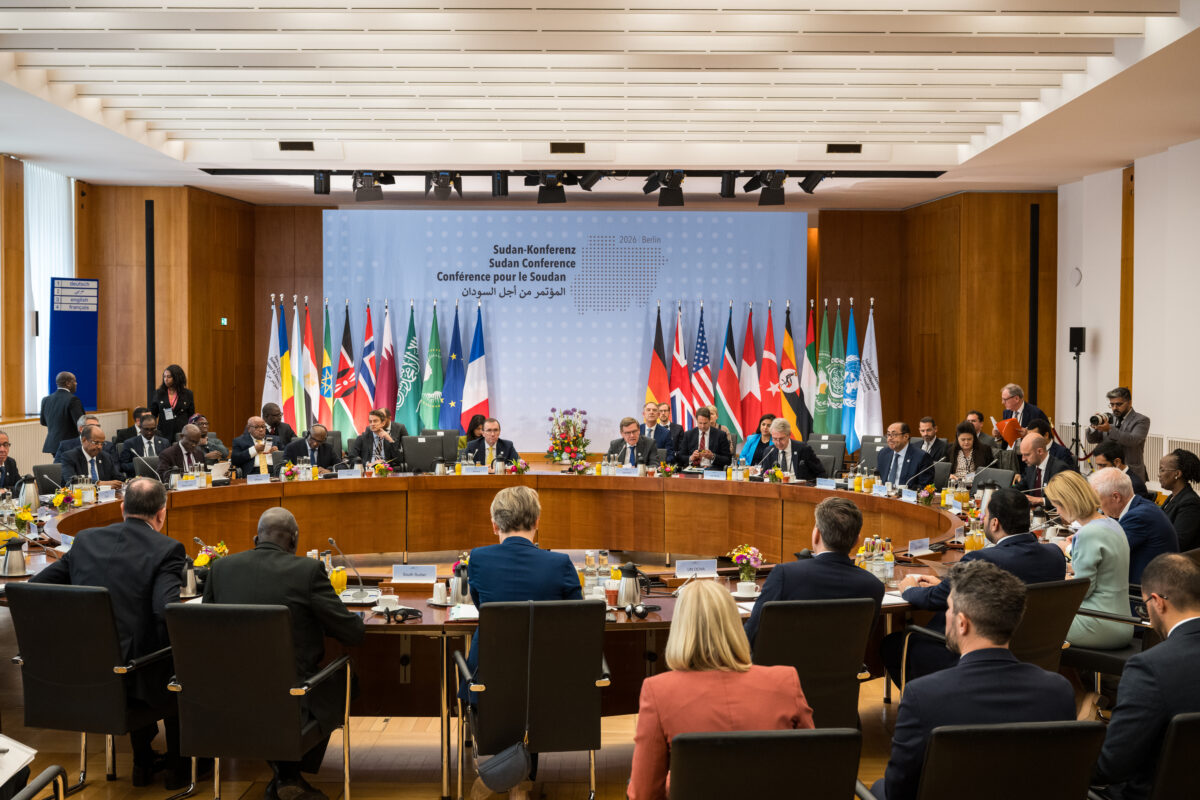
EU leaders announced more than €800m in new aid pledges to help the victims of Sudan’s three year civil war, at a summit on Wednesday, but there is still no end to the war in sight.
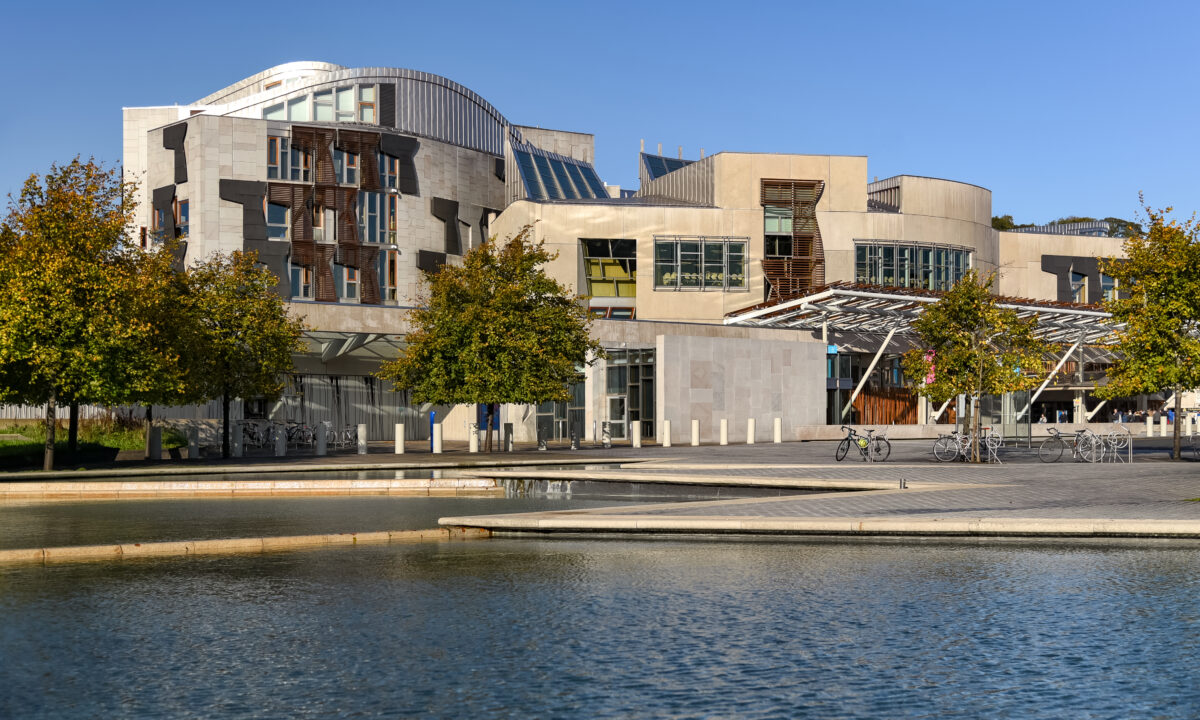
Next month two elections take place on the far north-western fringe of Europe that may, in a small way, shape the future size of the EU. Both countries are, currently, non-EU members. Both have populations keen on membership. Both would fit the accession criteria, with very few teething problems.
They are Scotland and Wales.
Italy is suspending its defence agreement with Israel. The reason? Concerns over Israel’s conduct in the Middle East conflict— especially in Lebanon.



Geen opmerkingen:
Een reactie posten