SPREAD THE INFORMATION

Any information or special reports about various countries may be published with photos/videos on the world blog with bold legit source. All languages ​​are welcome. Mail to lucschrijvers@hotmail.com.

Together, we can turn words into action. If you believe in independent voices and meaningful impact

Search for an article in this Worldwide information blog

donderdag 2 april 2026

WORLD WORLDWIDE EUROPE Eu - Euobserver daily news - Thursday 2 April 2026.


Good morning.

With the approval of the discriminatory death penalty bill by the Israeli parliament on 31 March — described by the EU top diplomat Kaja Kallas on behalf of the 27 as “a violation of the right to life” — calls for Europe to “do something” continue to echo in Brussels. 

But there is little reason to believe the statements of concern will go further than that.

As its largest trading partner, the EU has plentiful leverage and tools it could use to punish or pressure Israel. 

In reality, however, these options are overshadowed by a larger strategic priority: avoiding any kind of confrontation with the US, Israel’s closest ally.

Sadly, this allows the Israeli government to continue acting with complete impunity while the international community remains largely complacent — even if this is pissing off some EU member states, such as Spain or Ireland.

The EU is a complex mechanism of institutions, policy-making, and archetypes. And this is why, when there is political will, avenues and creative ways to make things magically happen are found, one way or another. 

In the last two years, and in light of the devastating humanitarian situation in Gaza, most of the debate in Brussels has been focused on the suspension of the 2020 trade association agreement between the EU and Israel. And rightly so, since it remains the EU’s most powerful instrument of leverage over Israel.

In September 2025, the European Commission finally proposed its partial suspension due to Article 2 breaches (human rights violations), and amid UN warnings of systemic war crimes and genocidal rhetoric by Israeli officials.

But the move was largely symbolic, lacking the member-state backing even to subject it to a vote. No surprises there. In July 2025, EU foreign ministers showed no appetite for Kallas’s 10-point plan, which also included suspending visa-free travel and blocking settlement imports. And by October 2025, only a partial suspension from the Horizon research programme had reached a formal proposal, and it, too, failed to gain sufficient support.

Hungary, Austria, Bulgaria and the Czech Republic rejected the suspension. And a few countries, including Germany, said during that meeting that they needed more time to study the details.

Notably, from this group, Germany issued this week strong words of condemnation against Israel’s new ‘Palestinians-only’ death-penalty bill. 

But let’s be honest, the world couldn’t be more tired of the statements of concern by EU leaders.

In fact, the failure of member states to back collective action should shift the spotlight to the commission’s powers. Having often centralised decision-making in other crises, Ursula von der Leyen now faces calls to show some executive muscle to pressure Israel and make sure EU law and international law are respected.

Here is a reminder of two things von der Leyen could do:

First, as previously published by EUobserver in an opinion article by professor Yiorgos Vassalos, the commission could use the Model Grant Agreement’s ethical clauses to suspend payments to Israeli entities immediately, as it did with Russian organisations after the invasion of Ukraine in 2022. 

When asked whether this has ever been on the table, the commission did not respond to EUobserver’s questions.

Secondly, privacy experts are calling to suspend data transfers between the EU and Israel. The basic argument is that if the judiciary cannot protect the "right to life" or "non-discrimination," it is argued they cannot be trusted to protect "data privacy."

Unlike the trade agreement (which requires member states’ support), the GDPR adequacy decision is an implementing act. Advocates urge the commission to trigger Article 45(5) and suspend data flows.

These are both small steps, but they would show that Brussels is willing to use the tools already available to act. 

But as mentioned, this is highly unlikely. Brussels risks repeating a familiar pattern: statements of concern followed by institutional paralysis. 

Elena Sánchez Nicolás, editor-in-chief

Top story

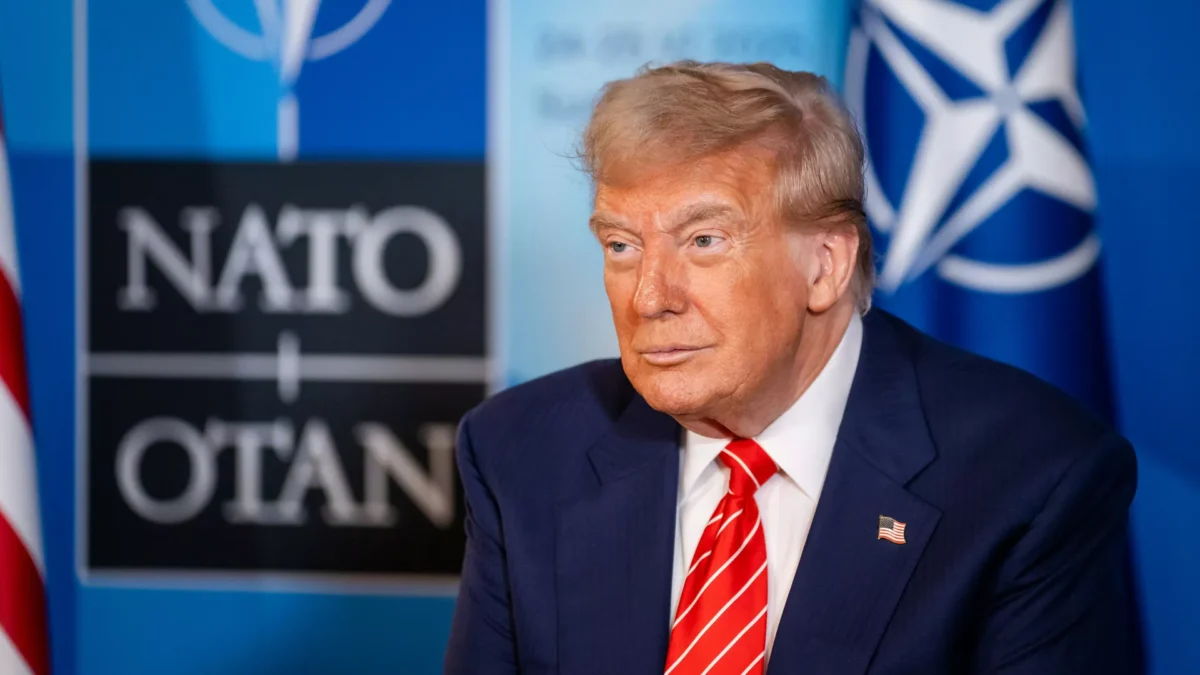
Fear, but not panic, in Europe, after Trump threat to leave Nato

“Will there be panic in Europe? Depends when Moscow attacks. I personally think it will be this year, in which case we’re not ready,” said an EU diplomat.

What else you need to know

EU allows pollution permits to pile up in bid to placate industry

The plan adopted on Wednesday concerns the Market Stability Reserve, a buffer mechanism that can inject or absorb free pollution permits to keep carbon prices from swinging too wildly.

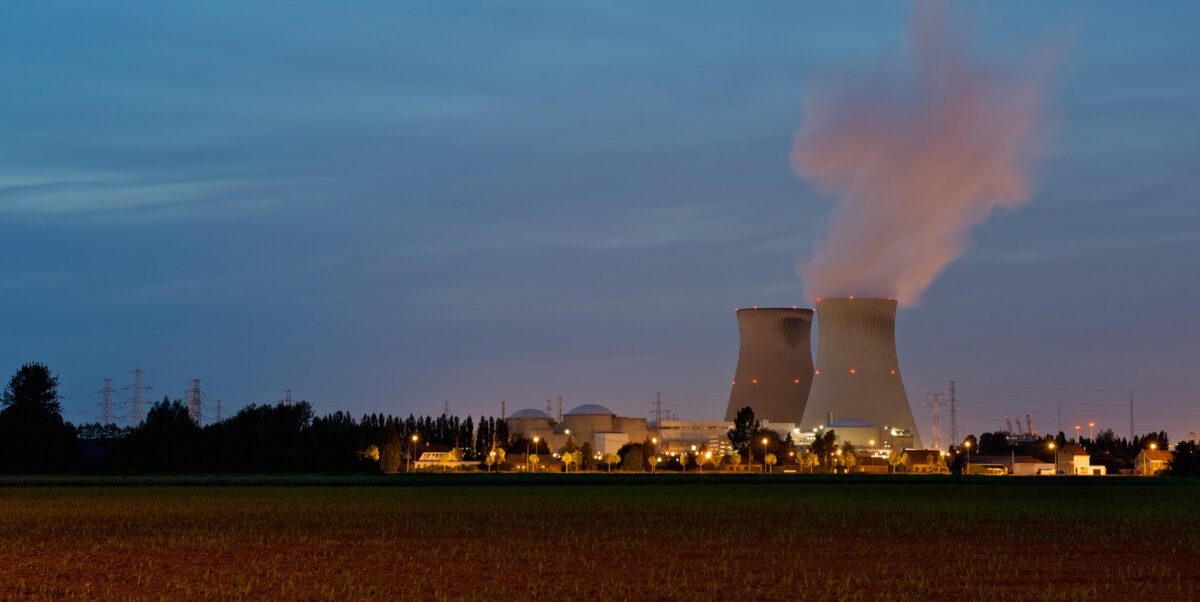
France expects green light for €70bn nuclear expansion despite EU probe

France’s plans for a €70bn expansion of its nuclear energy production come after EU Commission chief Ursula von der Leyen said that abandoning nuclear had been a “strategic mistake”.

Are journalists liable for social media comments? An Italian court is poised to decide

Next week, Italy’s Court of Cassation will hear the case of journalist Fabio Butera. In 2023, Butera was fined €33,000 — not for his reporting, but for comments others posted under his Facebook post. The outcome of this case will determine whether journalists are legally responsible for audience comments – a decision with major implications for free speech online

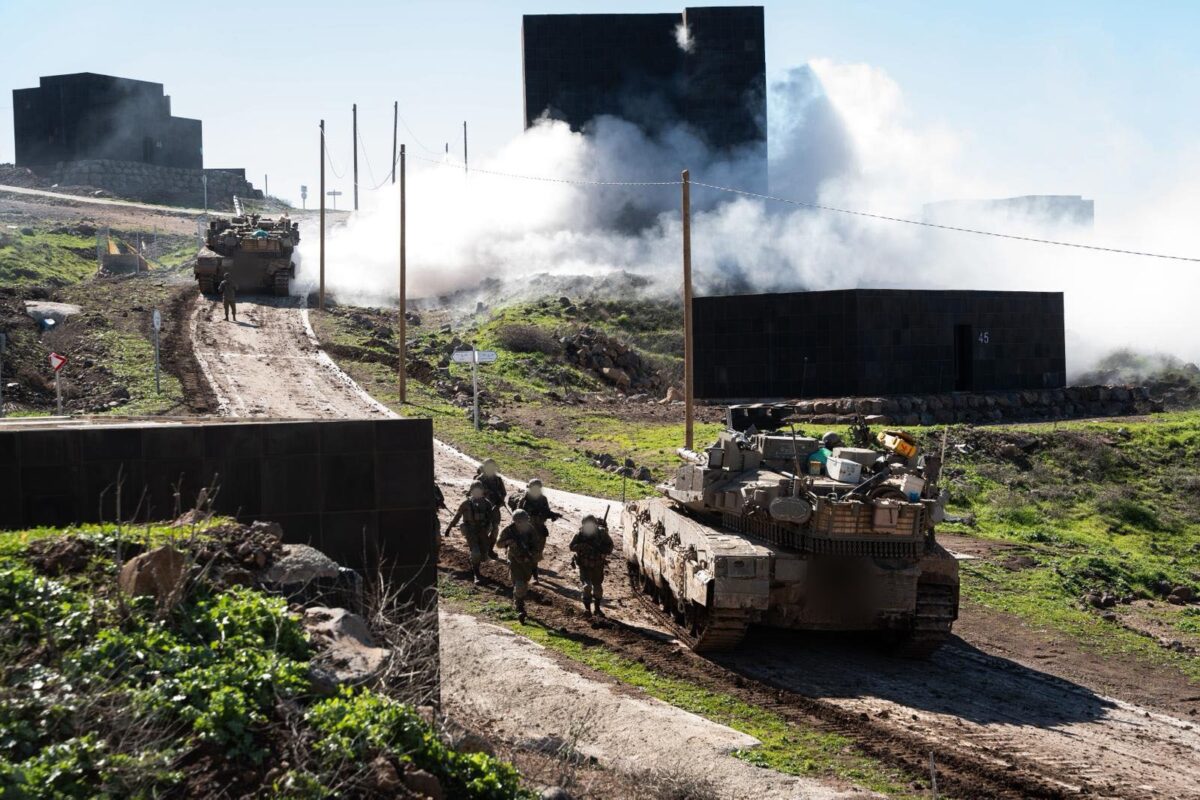
The ‘other’ war: Lebanon is now on brink of humanitarian and ecological collapse

What is the actual cost, measured in Lebanon’s civilian lives and the disintegration of its ecological fabric, when destruction strikes the very foundations that uphold territorial integrity and the cohesion of its communities?

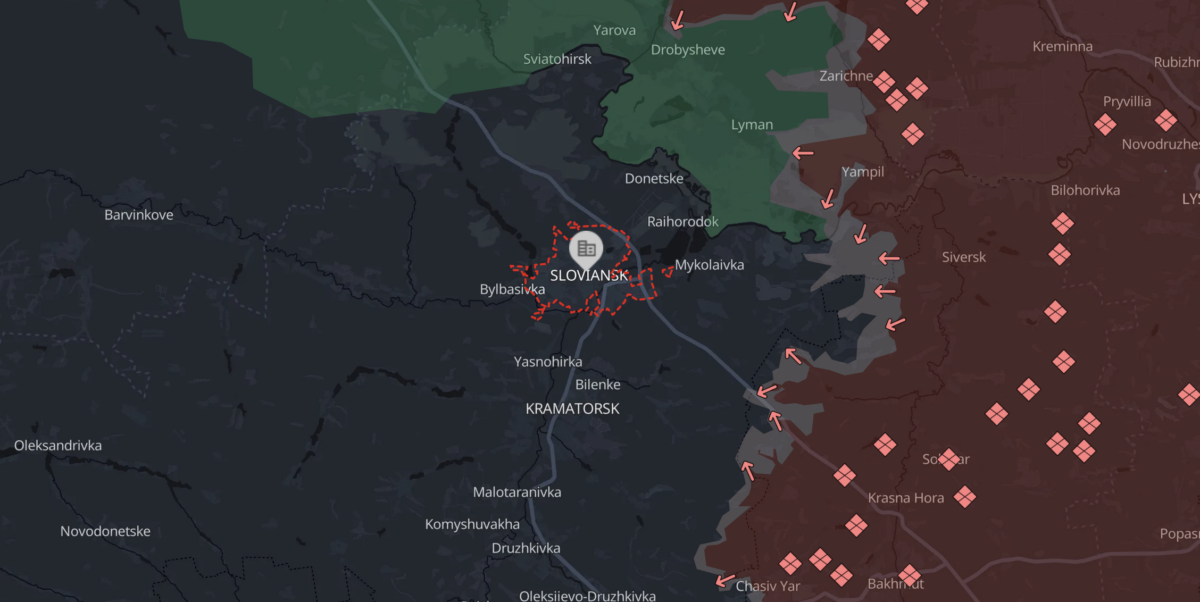
Single mother escapes Sloviansk, as bombs and drones turn city into warzone

As Russian strikes intensify near the Donetsk frontline, the bombing of a maternity ward has forced families to flee. Among them is Minko Svitlana, who escaped Sloviansk with her son. Now in a transit centre, they join hundreds of traumatised children seeking safety and a future far from the rubble.

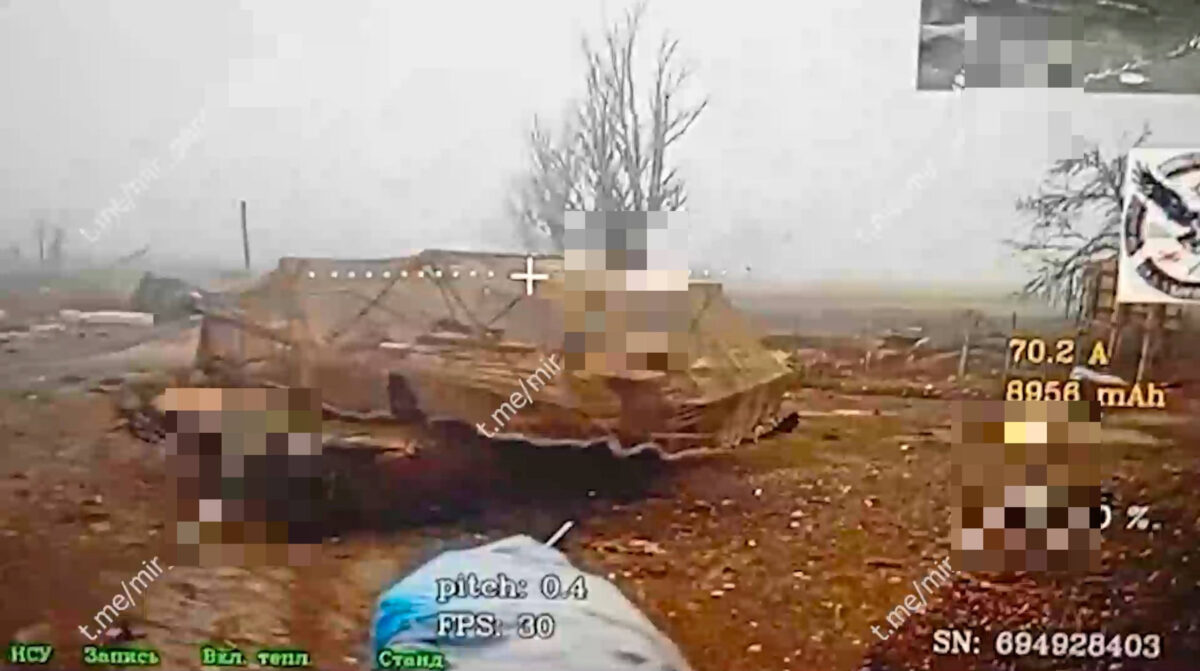
Ukraine’s Russia-type counter-attack went badly, causing some 100 deaths (Ukraine Battlefield update, Day 1,497)

“We laugh at the enemy when it sends its soldiers in columns under conditions of drone dominance … what are we to think of Ukrainian commanders who do the same?”, Ukrainian defence aide said.

Listen: Will the EU finally sanction Israel after death penalty bill?

Israel has just passed a law reinstating the death penalty. Will the EU, which strongly opposes the death penalty, now sanction the Israeli government?

Fossil-fuel companies have built a network of lobbying organisations that top the list of meetings with the EU officials

Europe needs fossil fuel limits now

Danish energy commissioner Dan Jørgensen tried in vain to convince EU ministers not to respond to a looming fuel shortage by subsidising fuel consumption, and instead to focus on getting people to use less of it.

In case you missed it

Leaked phone call reveals how Orbán’s Hungary and Fico’s Slovakia helped Russian oligarchs

Hungarian foreign affairs minister Péter Szijjártó, in a conversation with his Russian counterpart Sergei Lavrov, said that Budapest and Bratislava would help Russians get off the EU sanctions list. Meanwhile, Turkish president Recep Tayyip Erdoğan also lobbied Robert Fico in a letter on behalf of a Russian oligarch.

War and oil shock push Europe’s inflation higher, reigniting rate debate

Oil and gas push Europe’s inflation to steepest monthly rise since Russia’s invasion of Ukraine in 2022, Eurostat announces.

Brussels has no plan beyond Orbán losing — but Tusk’s Poland shows problems of ‘re-democratisation’

Whatever happens on 12 April, the EU will emerge after the Hungarian elections without a suitable plan for the country and its future relations with the Union. Its entire Hungary strategy amounts to a single wager: that Orbán loses, writes Alberto Alemanno.

Geen opmerkingen:

Een reactie posten