SPREAD THE INFORMATION

Any information or special reports about various countries may be published with photos/videos on the world blog with bold legit source. All languages ​​are welcome. Mail to lucschrijvers@hotmail.com.

Together, we can turn words into action. If you believe in independent voices and meaningful impact

Search for an article in this Worldwide information blog

dinsdag 21 april 2026

WORLD WORLDWIDE EUROPE Eu - euobserver daily news - Tuesday 21 April 2026.


Good morning.

Each year, the EU exports more than 120,000 tonnes of pesticides that are banned from use on European farms, primarily to Africa, Asia and Latin America. 

Current rules require EU-based firms to submit an ‘export notification’ detailing the intended uses and shipment volumes for these products, but beyond that, once they have been sold there are no further controls.  

But there is now growing public and political pressure on the EU to impose a complete ban on selling these pesticides beyond the bloc's borders. 

A report published by Greenpeace last week found that 48 percent of the pesticides used in food production in South Africa, Ghana and Kenya are highly-hazardous pesticides and are currently banned in the EU. 

In the past, such a report would have been a minor headache for the European Commission; just a casing of riding out a couple of days of negative press headlines. 

But it is the latest in a series of damaging critiques of EU policy. 

After a similar report last year focused on the deaths of farm workers exposed to banned pesticides, headlines in the Kenyan media accused the EU of ‘exporting death’. 

In March, a group of South African judges told the European Parliament that six children in Johannesburg died in 2024 from exposure to Terbufos, a highly-hazardous organophosphate pesticide. 

Terbufos, which is manufactured by the American Vanguard Corporation (AMVAC), was banned last year in South Africa, but dozens of EU made chemicals and pesticides, including paraquat, a toxic herbicide linked to Parkinson’s disease, are still being sold and used. 

In Kenya, meanwhile, a major lawsuit against a group of European and US chemical giants is currently in court.  

Civil society activists tell EUobserver that the main block on a complete ban is coming from the office of the commission president. 

Ursula von der Leyen does not want to draw the ire of her country’s chemical industry, of which BASF is the world’s market leader. The commission had promised to introduce legislation for a complete ban but, five years after , an impact assessment was ordered, it is still yet to see the light of day. 

The chemicals industry is one of Europe’s most lucrative with an estimated annual turnover of around €650bn.

European firms might contend that they are fighting competition from China and that if they don’t sell these pesticides others will. Besides, nothing is stopping foreign governments from imposing their own bans. 

South Africa and Kenya are two of Africa’s four largest economies and among the most politically-important African countries to the EU. 

In the case of South Africa, the EU has used the US Trump administration’s diplomatic war against president Cyril Ramaphosa – which has seen the US impose hefty tariffs on South African exports and falsely accuse the government of ‘genocide’ against white farmers – to rebuild its own relationship with Pretoria. 

A revamped trade deal is being negotiated, and the EU is footing a large chunk of the bill for South Africa’s green energy transition. 

The question is whether by allowing their firms to sell to Africans pesticides which are deemed to be dangerous to the health of Europeans, the EU is doing long-term political damage to its reputation. 

Benjamin Fox – global trade editor
Top story

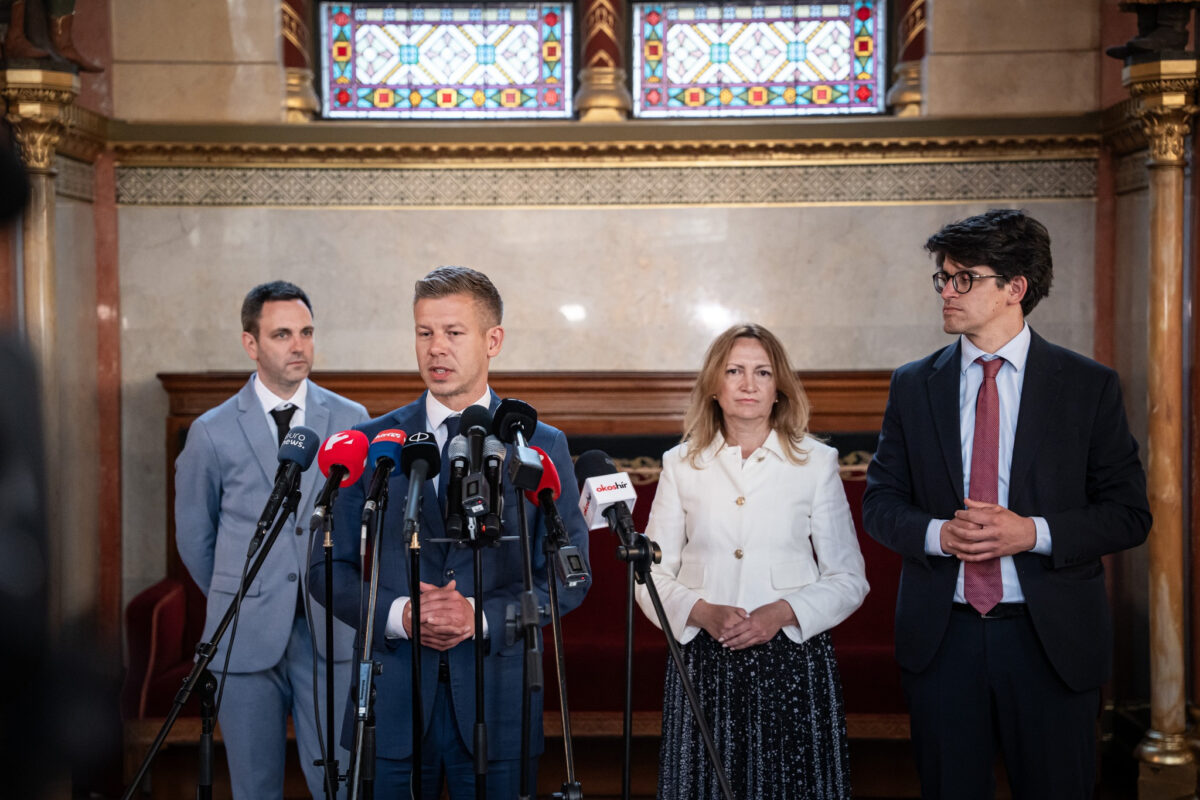
Who will make up Magyar’s new Hungarian government? Meet the team shaping up to be Tisza’s first cabinet

As Péter Magyar prepares to take the helm of Hungary on 9 May, the era of “super-ministries” and party loyalists is being dismantled in favour of an Atlanticist, expert-led cabinet. From a former Shell global vice-president managing the economy to a Nato-backed diplomat steering foreign policy, the incoming Tisza government marks a radical shift back toward the European mainstream. We look at the key figures — from banking titans to world-renowned surgeons — tasked with restoring the rule of law and bringing the euro to Budapest.

What else you need to know

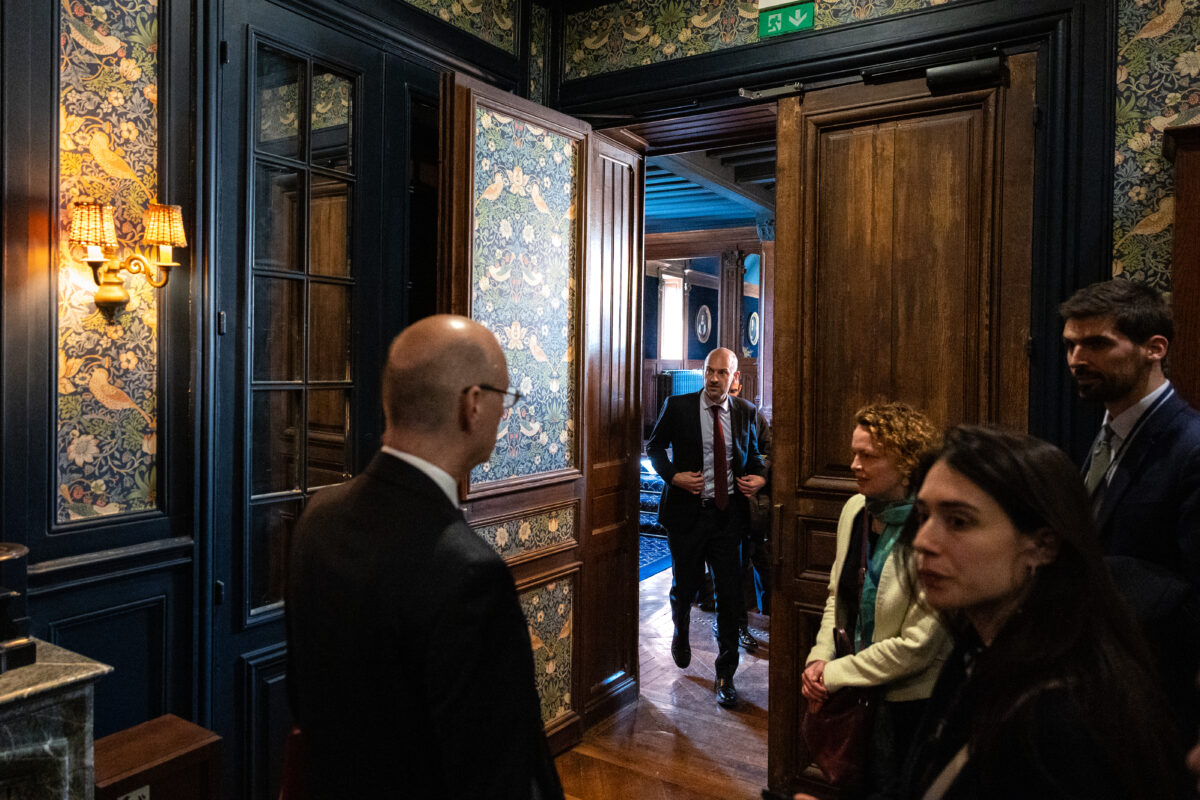
France joins EU sanctions pressure on Israel

“The ever and fast deteriorating situation calls for such action [on Israel”, a joint Franco-Swedish proposal said.

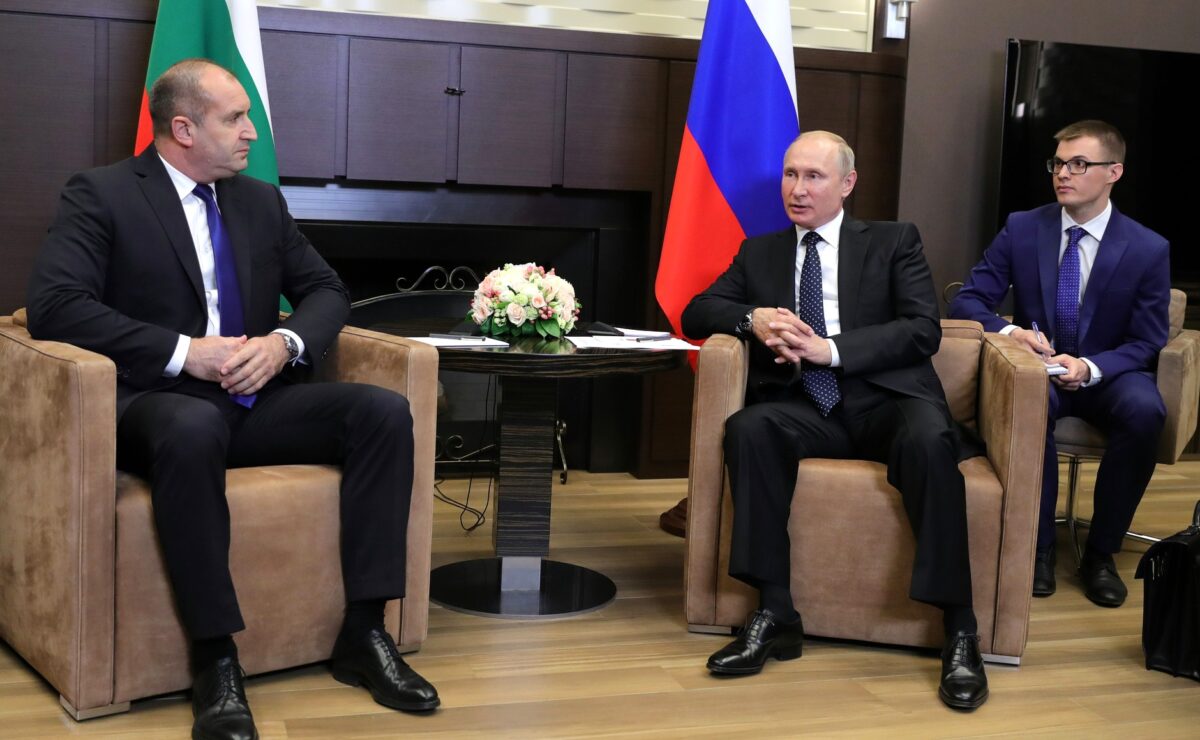
Bulgaria’s election: a boon for Moscow, but Radev is no Orbán

Moscow may welcome Rumen Radev’s victory in Bulgaria, but he is no new Orbán. The comparison captures the risk on Ukraine, but misses the constraints likely to shape his conduct inside the EU.

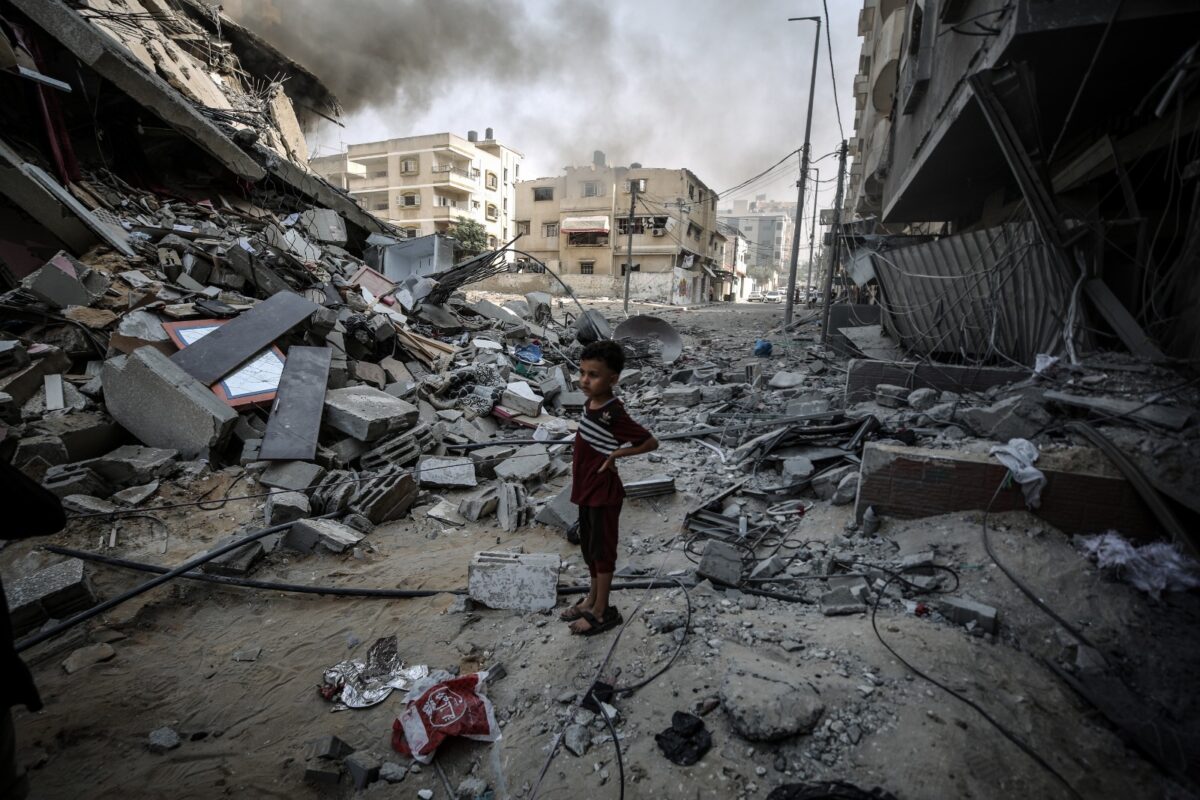
Israel responsible for deadliest era for journalists since 1992

Israel has been engaged in the deadliest and most deliberate effort to kill and silence journalists ever-documented since 1992, according to the Committee to Protect Journalists (CPJ), a US-based non-profit.

Western doom-mongers are doing Putin’s work for him

Patronising and inaccurate commentary from Western pundits aids Vladimir Putin’s aggression, writes Edward Lucas.

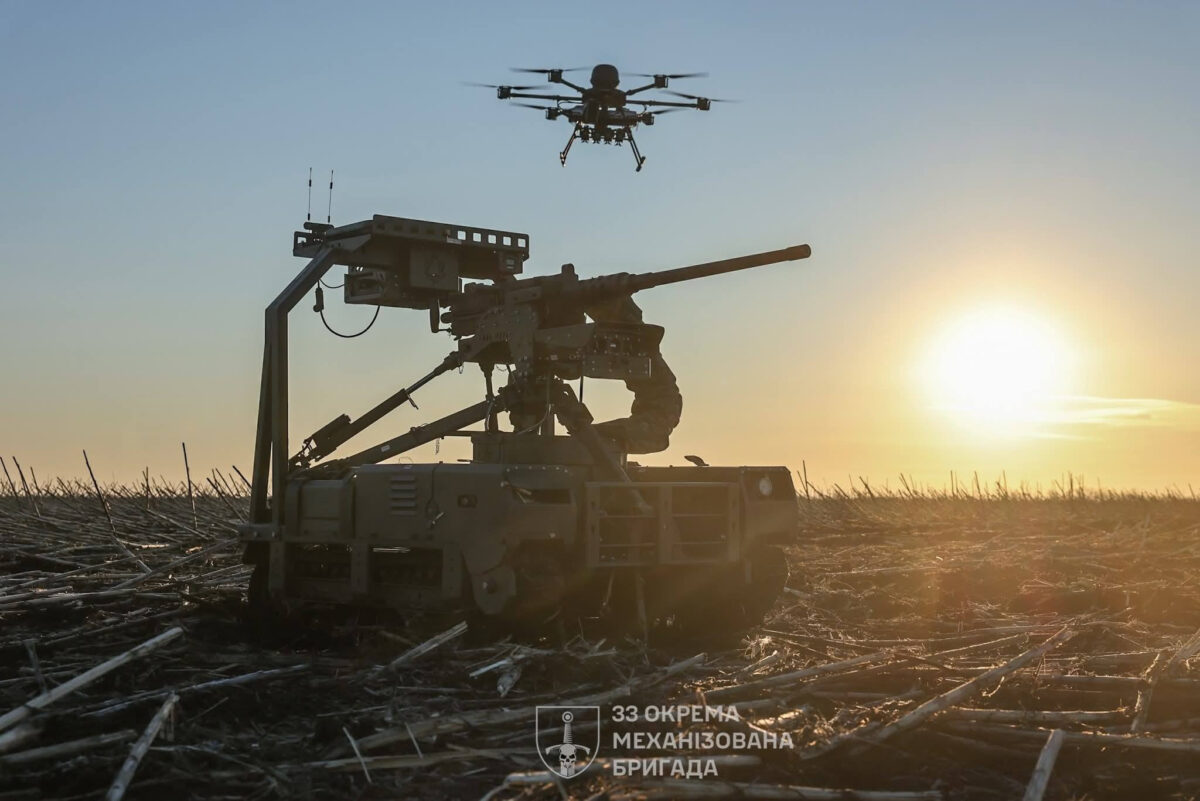
AI-guided drones help Ukraine win ‘small-sky’ supremacy (Ukraine Battlefield update, Day 1,516)

Ukraine is winning war for the so‑called “small sky” – the airspace directly above the battlefield and its surroundings, Russians fear.

Who will side with Israel when EU foreign ministers talk sanctions?

Is the EU just one pebble, one more noose lapel-pin worn by an Israeli MK, away from a political avalanche?

Listen: One year out, could the far-right win France’s 2027 election?

Emmanuel Macron is slowly reaching the end of his two terms as president of the French Republic. But who will succeed him?

In case you missed it

THIS WEEK: EU summit in Cyprus, shaky Middle East ceasefires and Bulgaria post-election fallout

An EU summit in Cyprus, possible trade sanctions with Israel, shaky ceasefires in Lebanon and Iran, and the aftermath of the election in Bulgaria are among the lead stories driving this week.

Sex trafficking tour of Prague: How Epstein’s fixer Brunel hunted for victims at Prague modelling contests

Released Jeffrey Epstein files expose how associate Jean-Luc Brunel used Czech and Slovak modelling agencies to recruit and traffic underage girls. Brunel leveraged his industry prestige to lure victims into Epstein’s network, often using professional contracts as legal cover. He ultimately died by suicide in a Paris prison in 2022.

Von der Leyen’s gendered ‘pinkwashing’: Ukrainian women matter more than Palestinian women

We analysed in detail more than 50 speeches by Ursula von der Leyen that touched upon the Russia-Ukraine and Israel-Palestine conflicts. We were interested in uncovering how the political subjectivity of Ukrainians is constructed in comparison to that of Palestinians, paying particular attention to the role of gender. 

Geen opmerkingen:

Een reactie posten