Good morning.
Will Viktor Orbán end up as an MEP in the European Parliament to shield himself from investigations at home?
His campaign chief is now set to become an MEP, after a disastrous election result that led to a landslide victory for Hungary's incoming prime minister Péter Magyar.
If an MEP from Fidesz resigns, the system in Hungary allows Fidesz to pick anyone from that 2024 list to fill the vacancy, including Orbán (#63).
While all of this is still sheer speculation, it comes at a time when Hungary's Fidesz party enters into a prolonged period of soul searching.
Orbán, once the dominant figure in Hungarian politics, has since relinquished his parliamentary mandate in the Hungarian National Assembly in Budapest.
Meanwhile, segments of Hungary’s business elite and oligarchs are already distancing themselves from Orbán's crumbling power circle or leaving the country altogether.
His billionaire son‑in‑law István Tiborcz moved to New York last year. It is now unclear if he will return.
Magyar, in a post, said Orbán-linked oligarchs are also currently transferring tens of billions of forints to the United Arab Emirates, the United States, Uruguay, and other distant countries.
He called on the chief prosecutor, the head of the police and the tax office to “detain the criminals" and not to allow them to flee.
Others, including Orbán's childhood friend and Hungary's wealthiest man, Lőrinc Mészáros, are expected to travel to Dubai in the coming days, said Magyar.
And although MEPs benefit from parliamentary immunity, that protection is not absolute and can be lifted under the right circumstances.
Tamás Deutsch, who leads the Fidesz faction in the European Parliament, had his immunity waived earlier this week over a defamation dispute with Magyar's mother.
To be fair, Deutsch said he wants to go to court over the affair.
Nikolaj Nielsen, home affairs editor
What else you need to know
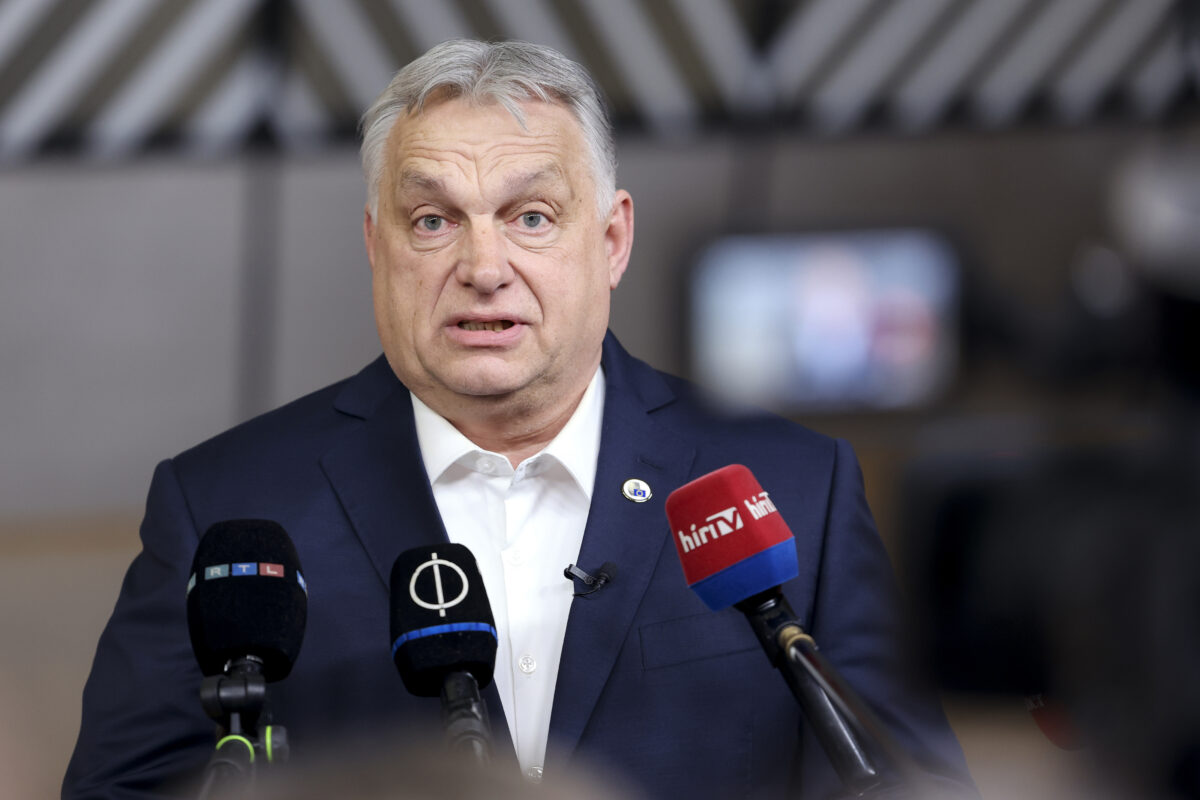
Following the Hungarian election, hyper-wealthy circles around outgoing prime minister Viktor Orbán are moving assets out of the country, to places such as Dubai, the US and Uruguay.
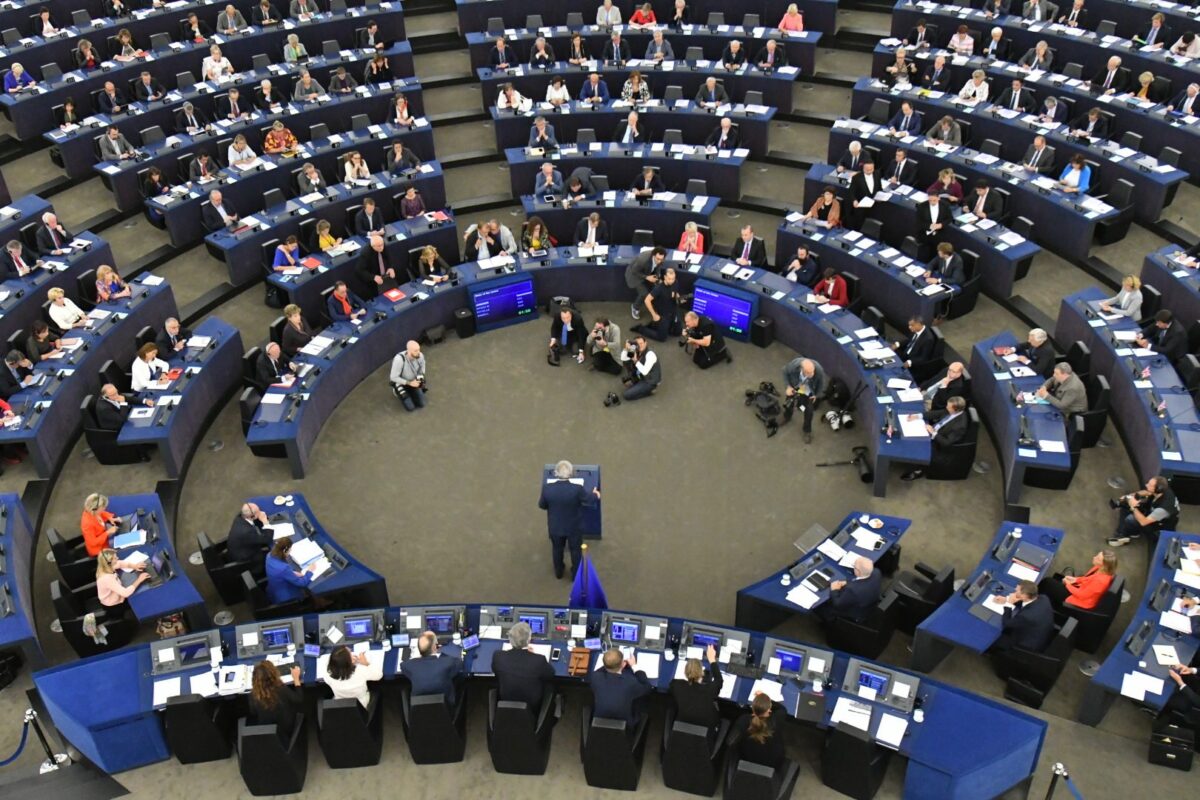
The European Parliament’s top trade MEP said that, in practice, the new rule allowing the EU Commission to impose tariffs on countries for refusing to take back migrants will be hard to apply. But it still marks a significant political shift.

Viktor Orbán’s regime turned Mathias Corvinus Collegium (MCC), a private Hungarian educational institution, into a talent factory for Fidesz. By opening an office in Brussels and launching multiple events, MCC brought together rightwing politicians, journalists, academics, and other figures from across the world. These activities were facilitated by the peculiar financial arrangements granted to MCC by the Fidesz government.
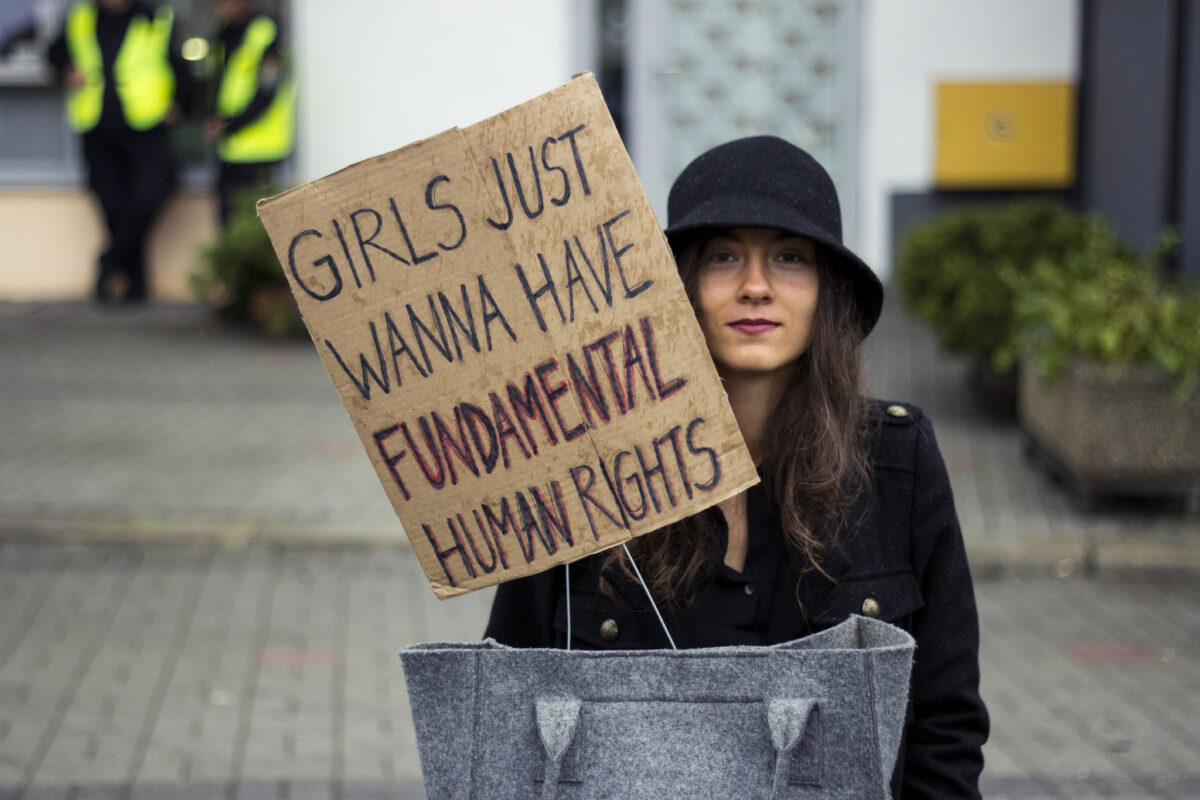
MEPs are calling on the EU Commission to produce a legislative proposal that defines rape through a unified standard based on consent that is freely given, informed, and revocable.

Ongoing combat in Mali has seen Islamists and Tuareg rebels launch a joint offensive against the ruling junta and its supporting Russian forces.
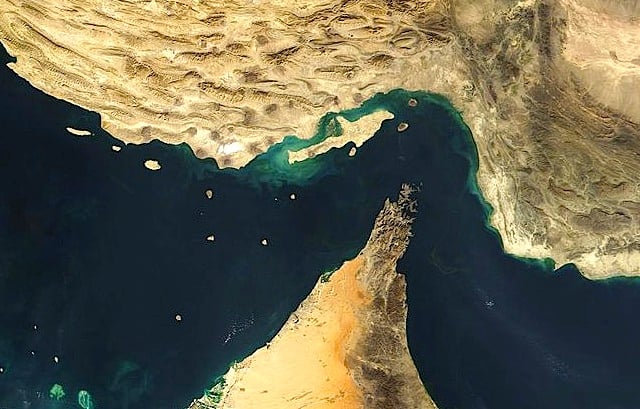
The current European debate – led by the UK, France, and Germany – suggests a timeframe of several months for maintaining a naval presence once a stable agreement is in place. This appears unrealistic for three reasons. While any projection remains speculative, the coalition’s naval presence is likely to remain in place for at least two to five years.
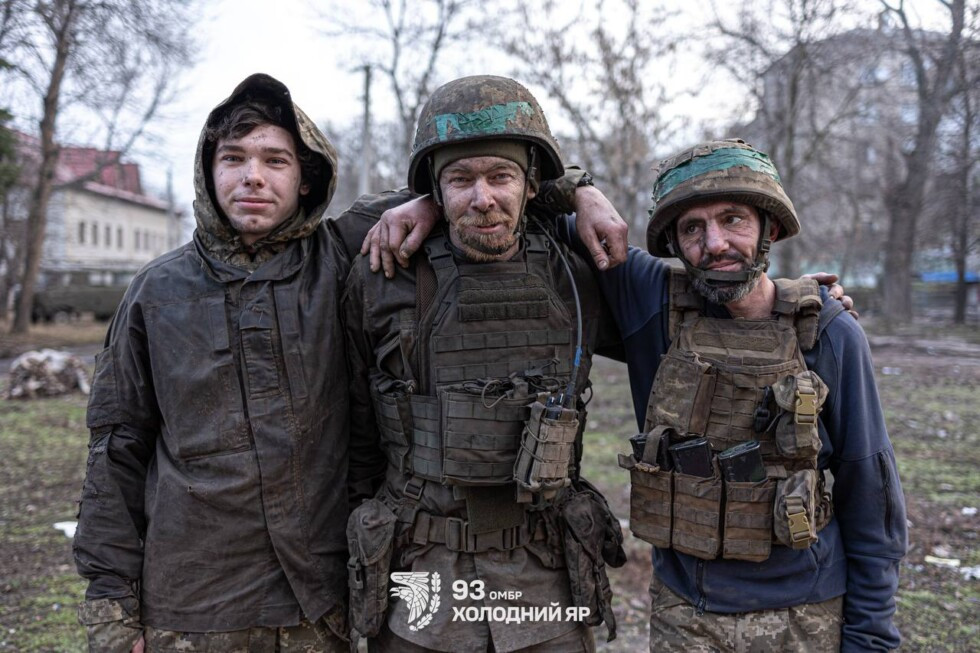
While reporting often focuses on drones and front-line shifts, the dire living conditions and malnutrition facing Ukrainian soldiers have recently gained renewed attention.



Geen opmerkingen:
Een reactie posten