Good morning.
Is the UK involved in the US-Israeli attack on Iran - or is the UK *not* involved in the US-Israeli attack?
The answer (apologies to Shakespeare's Hamlet) seems to be: depends upon who you ask?
For the rest of Europe, the position is clear.
Spain, under prime minister Pedro Sánchez, has aggressively and proactively made it clear US bases in Spain cannot be used. France's president Emmanuel Macron has prevented French airspace from being used for overflights supplying US forces.
According to the British prime minister, Sir Keir Starmer, on Monday (30 March), the UK was "not going to be dragged into this war."
The BBC, and much of the British press, has swallowed this line uncritically.
It doesn't bear up to much scrutiny.
Dozens of US bombers have taken off from RAF Fairford military base (in south-west England, on the border of Wiltshire and Gloucestershire) for long-ranging bombing attacks by B1 and B52 planes on Iran.
The UK air base on the island of Diego Garcia, in the Indian Ocean, is also being used for US bombing raids.
On Tuesday, the UK defence secretary, John Healey, visited Saudi Arabia, Bahrain and Qatar, and offered extra British troops, bringing the total deployed around the Gulf and Cyprus to 1,000 men and women.
Four additional UK jets will be sent to Qatar. Saudi Arabia will get a UK 'Sky Sabre' air defence missile system, plus teams to operate it. (Sky Sabre comprises radar and missile launchers.)
The UK's Lightweight Multirole Missile launcher, a short-range air defence system, has already been deployed to Bahrain along with UK experts who will work to integrate the system into Bahraini defences.
The UK's ground-based air defence missile system Rapid Sentry has arrived in Kuwait.
The question for the British public (let alone for Iran's Islamic Revolutionary Guard Corps, who decide what, who, and where to retaliate) is whether that tally really means the UK is not involved in the US-Israeli attack on Iran.
The official UK ministry of defence position is that US heavy bombers take off from RAF Fairford "for defensive missions to destroy Iran's missile capabilities".
"The United States has started using British bases for specific defensive operations to prevent Iran firing missiles into the region, which is putting British lives at risk. This is alongside the defensive action the UK is taking to protect British people across the region."
On Thursday, London hosted a Zoom-diplomacy style meeting of some 40 foreign ministers, concentrating solely on reopening the Strait of Hormuz (which, remember, was not closed before Donald Trump and Benjamin Netanyahu attacked Iran and assassinated the Ayatollah), under British foreign secretary Yvette Cooper.
Cooper was at pains to condemn Tehran's "recklessness" at "hitting global economic security". The conclusion of the meeting saw a commitment to ... have another meeting of military planners on the subject next week.
So there you have it. The answer to the question of whether the UK is involved in the US-Israeli attack on Iran reminds me of the famous Bill Clinton quote in 1998, when giving grand jury testimony on his relationship with Monica Lewinsky.
"It depends what the meaning of 'is' is".
Matt Tempest, comment editor
What else you need to know
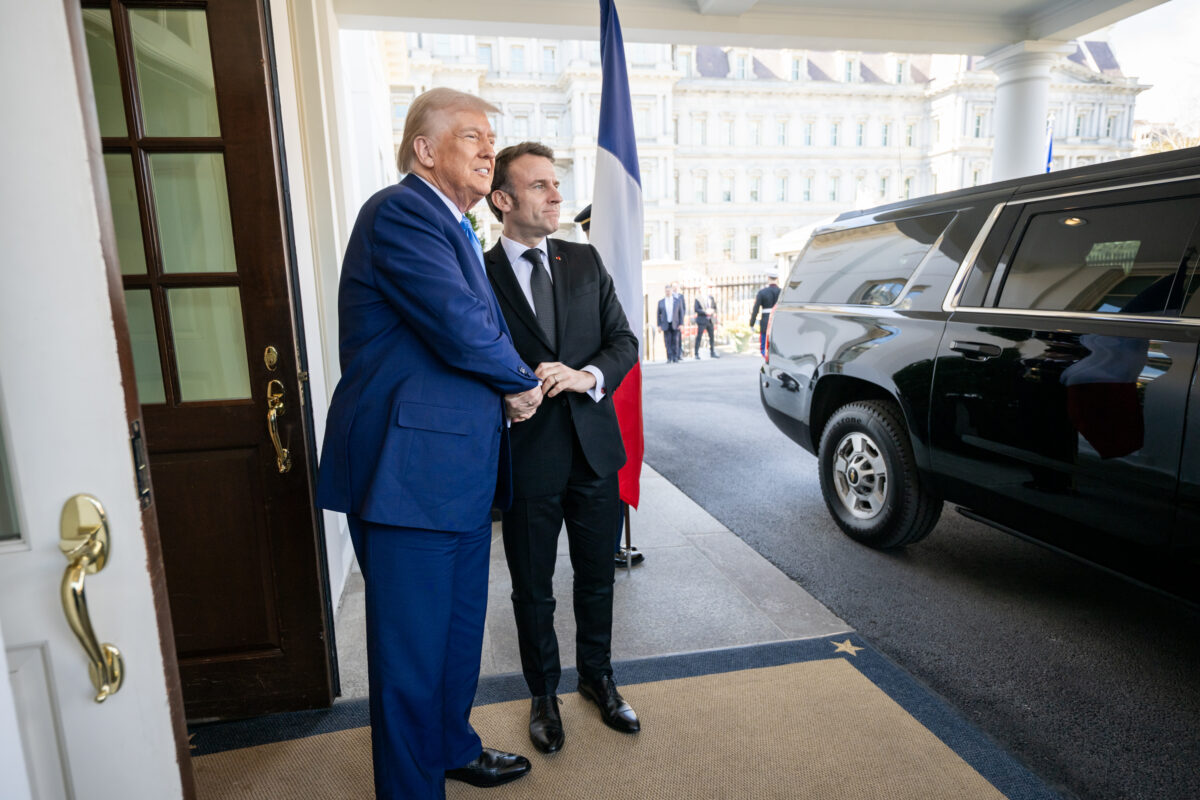
“If they attacked a French or Italian boat [in Hormuz after the war], it’s Iran against the world not Iran against the US,” said retired Italian admiral Giampaolo Di Paola.
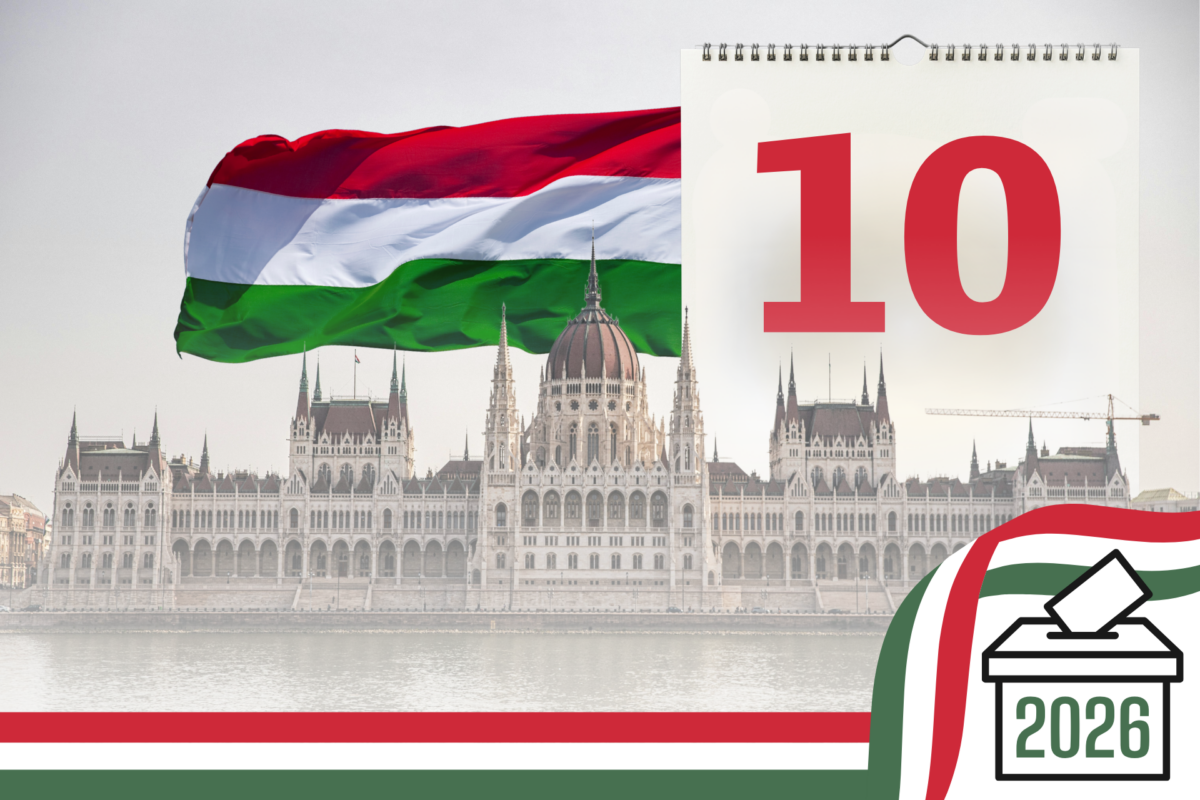
With less than two weeks to go to Viktor Orbán make-or-break election, increasingly paranoid accusations of spying for Ukraine against opponents, muscled strongmen disrupting protestors who heckle the PM on his rare nationwide campaign rally, and a visibly angry Orbán tells young opponent of his regime to ‘say thank you’.
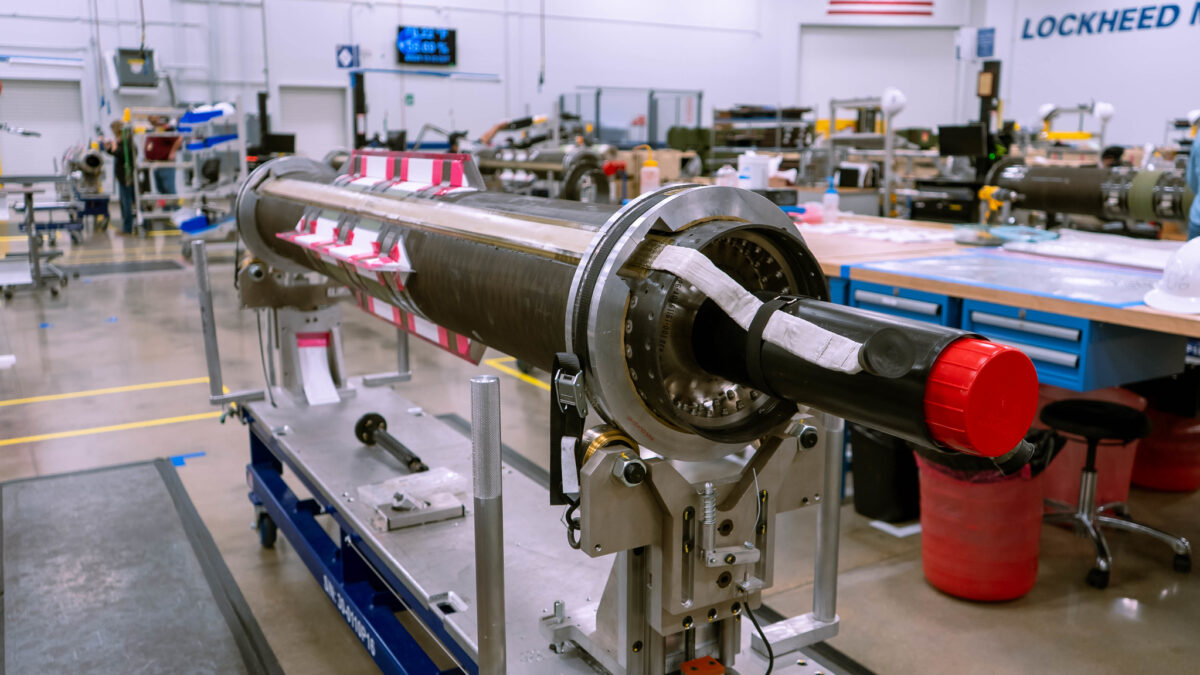
Gulf countries have fired at least 2,400 interceptor missiles, close to their estimated pre-Iran war stockpiles of 2,800 units, but Poland and Ukraine declined to help due to Russian threat.
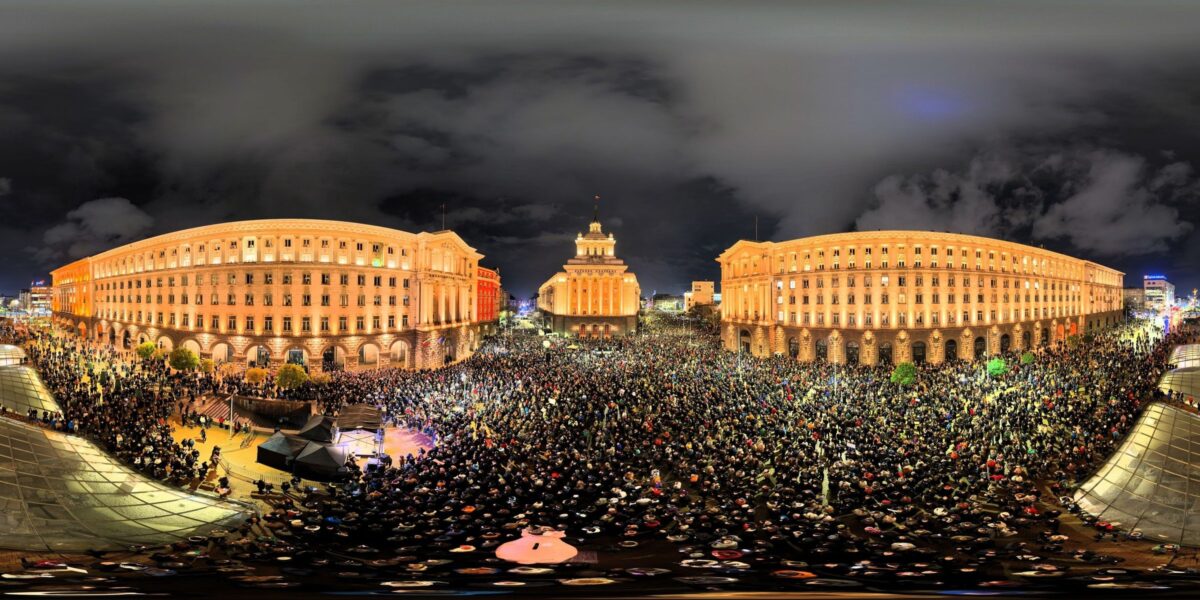
Bulgaria votes in three weeks. Its information environment is already being shaped by forces that nobody is controlling or investigating, and nobody seems particularly rushed to understand.
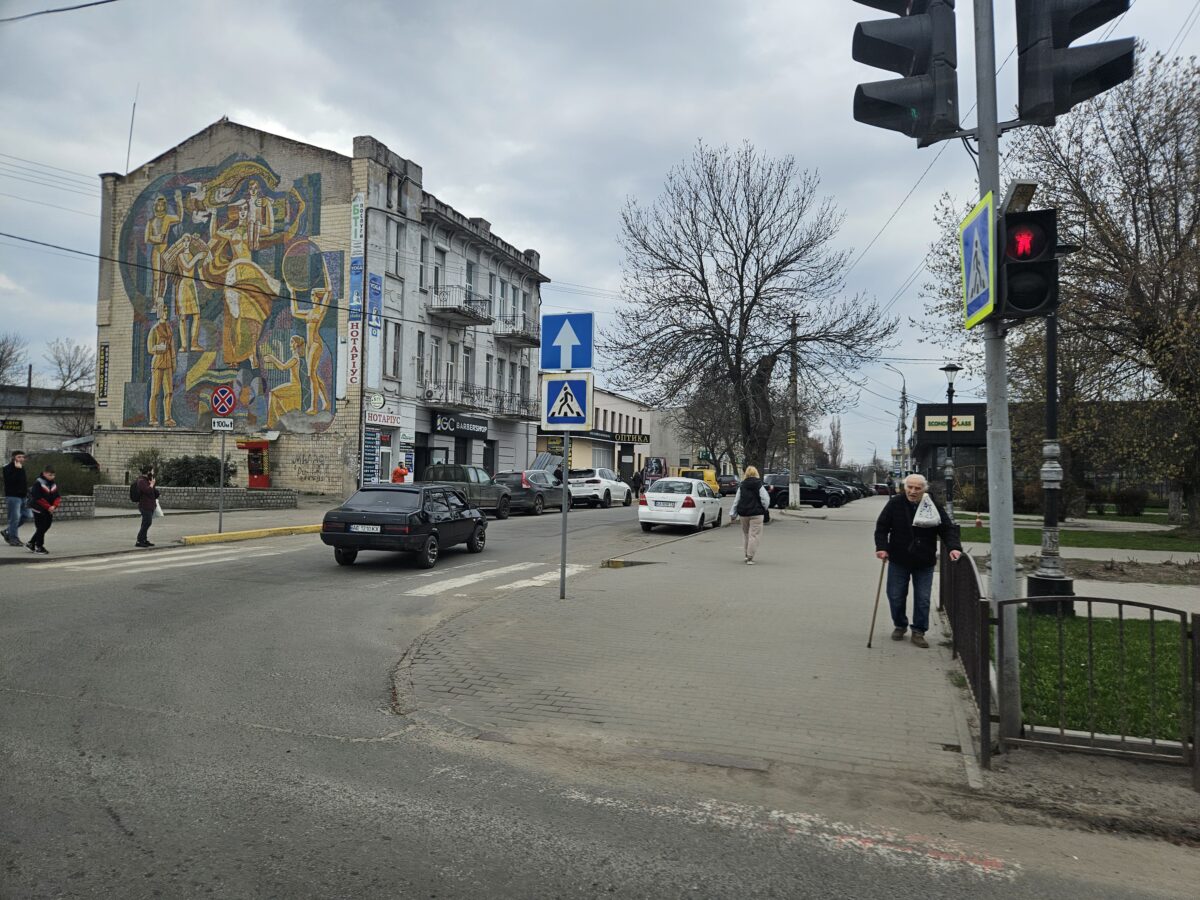
A highway sign reading “Have a Nice Trip” in English arches over the E-50 road leading east from Dnipro city in Ukraine towards the frontline. The route passes through two military checkpoints before reaching Pavlohrad, a small city whose centre still hums with daily life. But the Ukrainian mobile drone interceptor unit stationed at the city’s entrance is a reminder that the war is raging only 50km away.
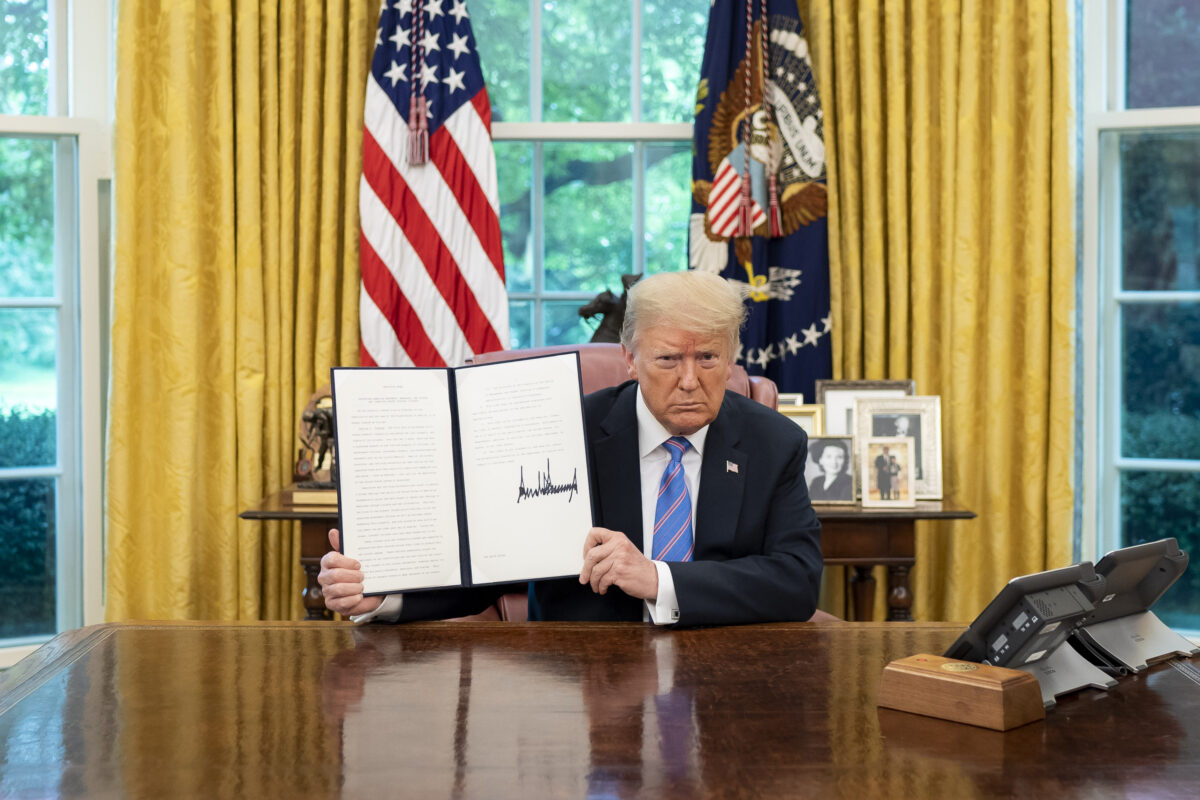
“History shows that suppression of the legal profession is both a symptom and an instrument of democratic decline,” said the ‘amicus’ brief, on behalf of 1 million European lawyers.
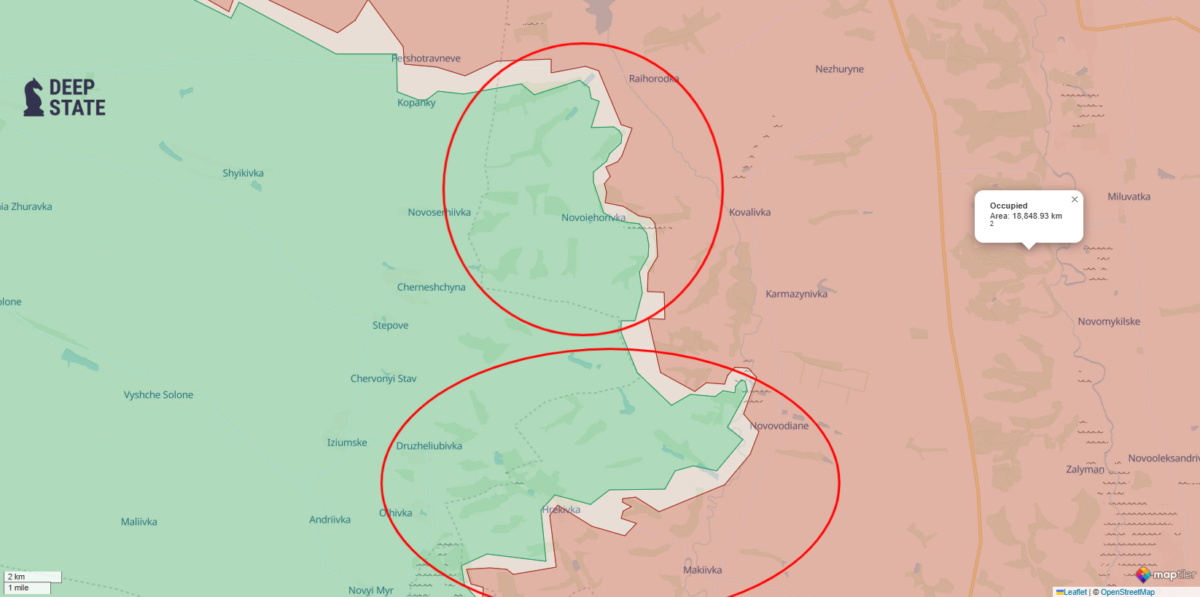
Russia also declared it had captured the entire Luhansk region of Ukraine, but this was the third time it said so, and it was still not true.
As Donald Trump threatens to abandon Nato, furious over the EU’s refusal to back his war in Iran, the American president warned: “The US won’t be there to help you anymore.” From Spain to Italy, find out why European leaders are finally drawing a line.
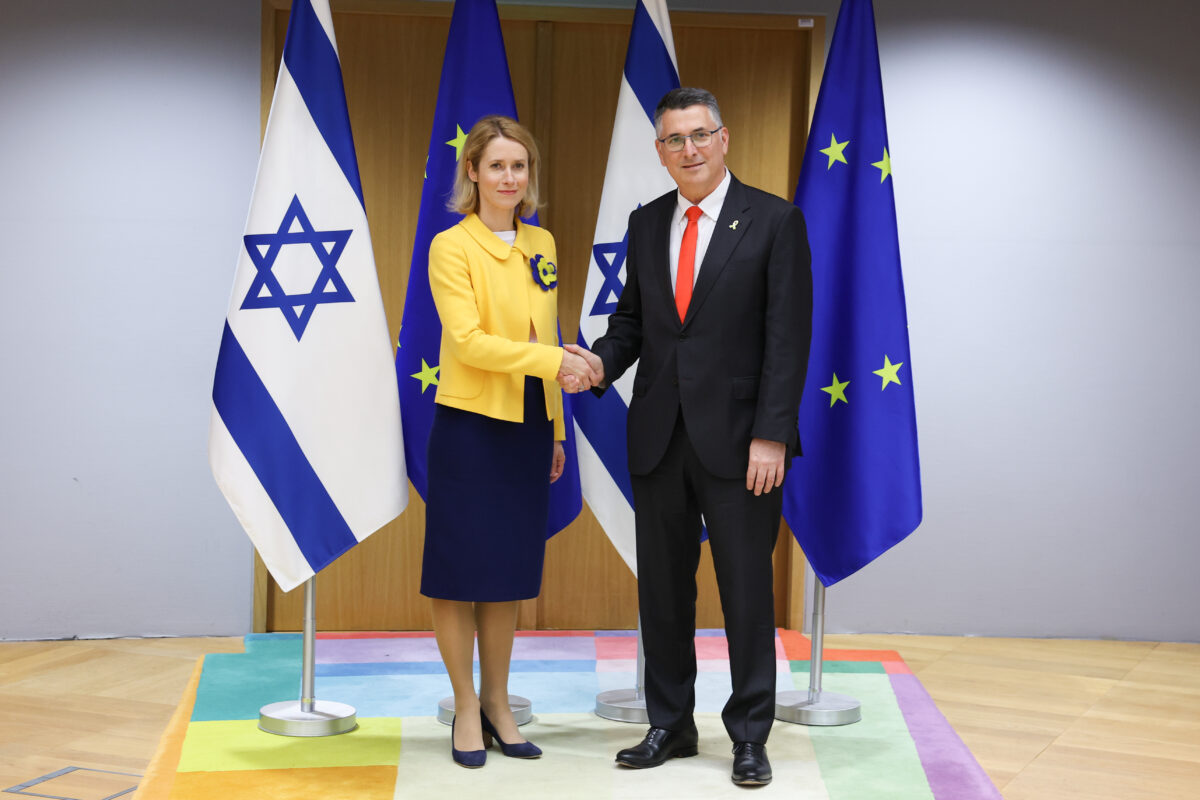
With the approval of the discriminatory death penalty bill by the Israeli parliament on 31 March, calls for Europe to “do something” continue to echo in Brussels. But there is little reason to believe the statements of concern will go further than that.



Geen opmerkingen:
Een reactie posten