Good morning.
The European Parliament voted 422 to 120 on Wednesday (29 April) to water down the EU’s new carbon pricing system for road transport and buildings.
The scheme, known as ETS2 (Emissions Trading System 2), is due to start on 1 January 2028. Under it, fuel suppliers must buy permits for every tonne of CO₂ their customers emit, with costs passed on to drivers and households using gas or oil.
The idea is to push people towards cleaner alternatives. But a majority in parliament wants to blunt the impact, even as some still want to prioritise faster electrification.
“How absurd is it that, instead of accelerating the Green Deal, we are launching an attack on the emissions trading system,” Greens MEP Bas Eickhout deplored in parliament on Wednesday. "And why did we promise the US to buy more gas?"
But the commission, pushed by 16 member states, had already proposed tweaks to the Market Stability Reserve, a buffer that can release or withhold permits to smooth price swings.
In that proposal, approved by member states, prices were capped at the same level in 2020 prices, which translate to about €58 today.
The changes backed by parliament on Wednesday would release more allowances when carbon prices rise above €45 per tonne in 2026 prices.
MEPs also want to release extra permits more quickly when prices rise, and keep unused permits in the system for longer.
Instead of being scrapped in 2031, half would be cancelled in 2034 and the rest in 2036. More permits in circulation for longer means a weaker price signal. Parliament will now enter talks with EU member states to negotiate the final outcome.
The changes come on top of an already agreed one-year delay to the scheme, but far-right calls to “unconditionally delete” the system altogether were rejected.
“I was able to find a very strong compromise,” said Danuše Nerudová, the parliament’s lead negotiator from the centre-right European People's Party, adding that tweaks would address “social impacts without compromising the decarbonisation goals.”
"The message is: we will have ETS2, but prices will be moderate. We will have a smooth start,” said EPP colleague Peter Liese, who added that text was support by MEPs from countries that “really do not like ETS including Poland, which was very hesitant.”
Green MEP Michael Bloss however said the deal gave “the completely wrong signal” to consumers and weakens incentives to exchange boilers and petrol cars with heat pumps and electric vehicles.
Buildings and transport are the two sectors with the “deepest fossil-fuel dependency,” he said. “Instead of creating planning certainty for the energy transition, it is opening the door to gas heating and combustion engines.”
He also criticised the commission for not publishing an impact assessment for the plan.
Earlier this month the EU also watered down carbon pricing or industries (ETS1), with more watering down expected in July when the directive is up for review.
Wester van Gaal, economy editor
What else you need to know
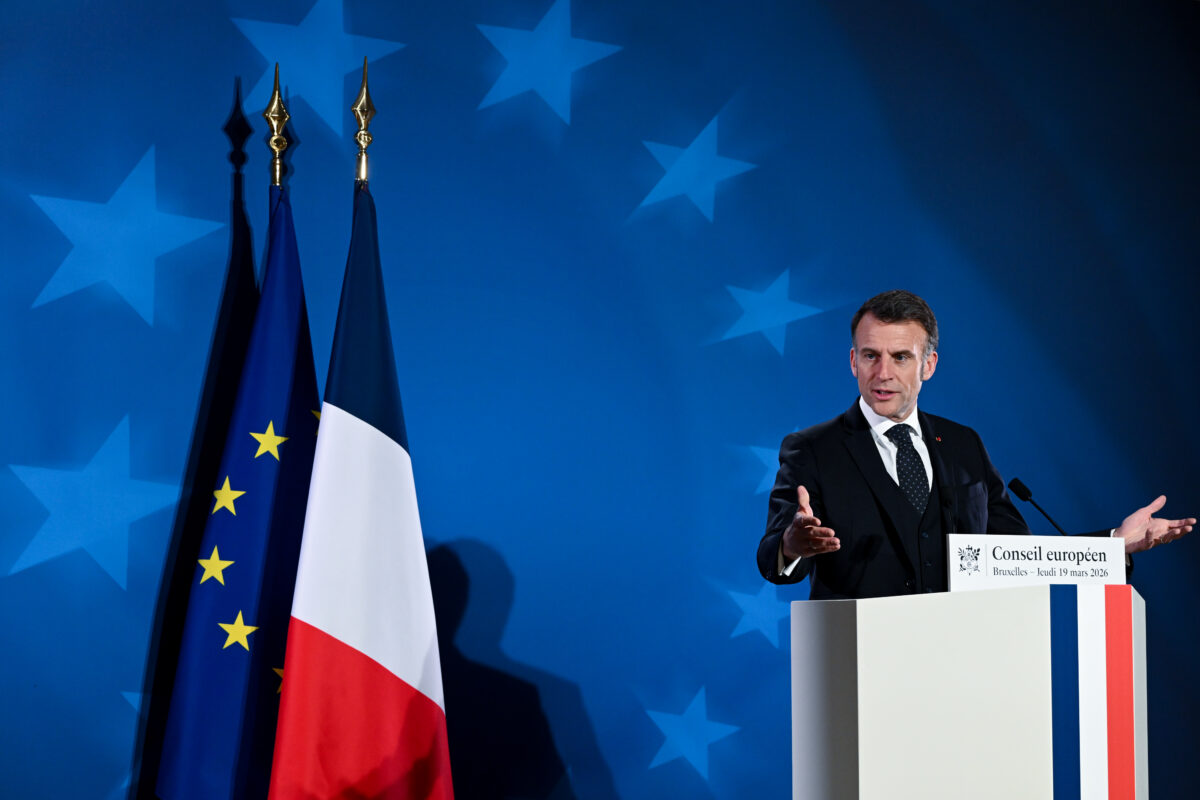
Germany, Greece, Romania, the Czechs, and Finland also licensed millions of euros of Israel arms exports in 2024, according to the latest EU data.
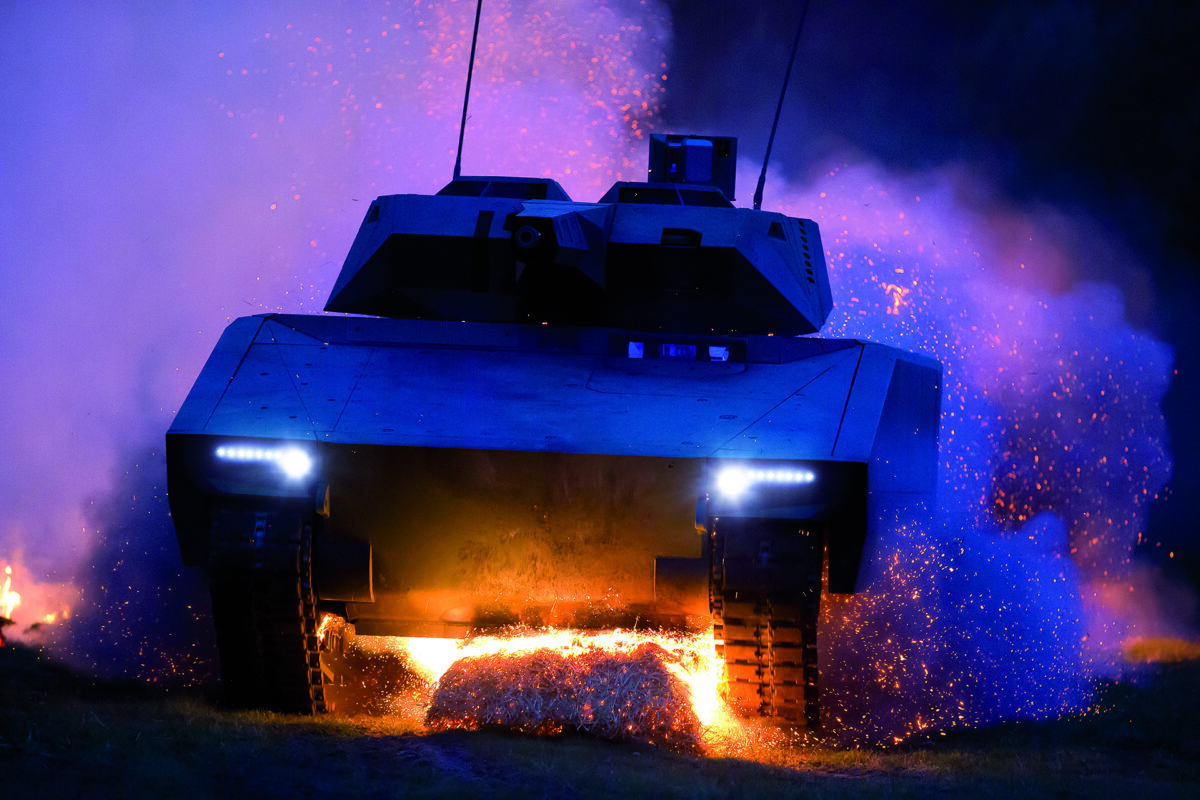
Global military expenditure hit a record high last year, after rising for more than a decade. Poland leads the way in the eastern flank of Nato, despite a steep budget deficit.
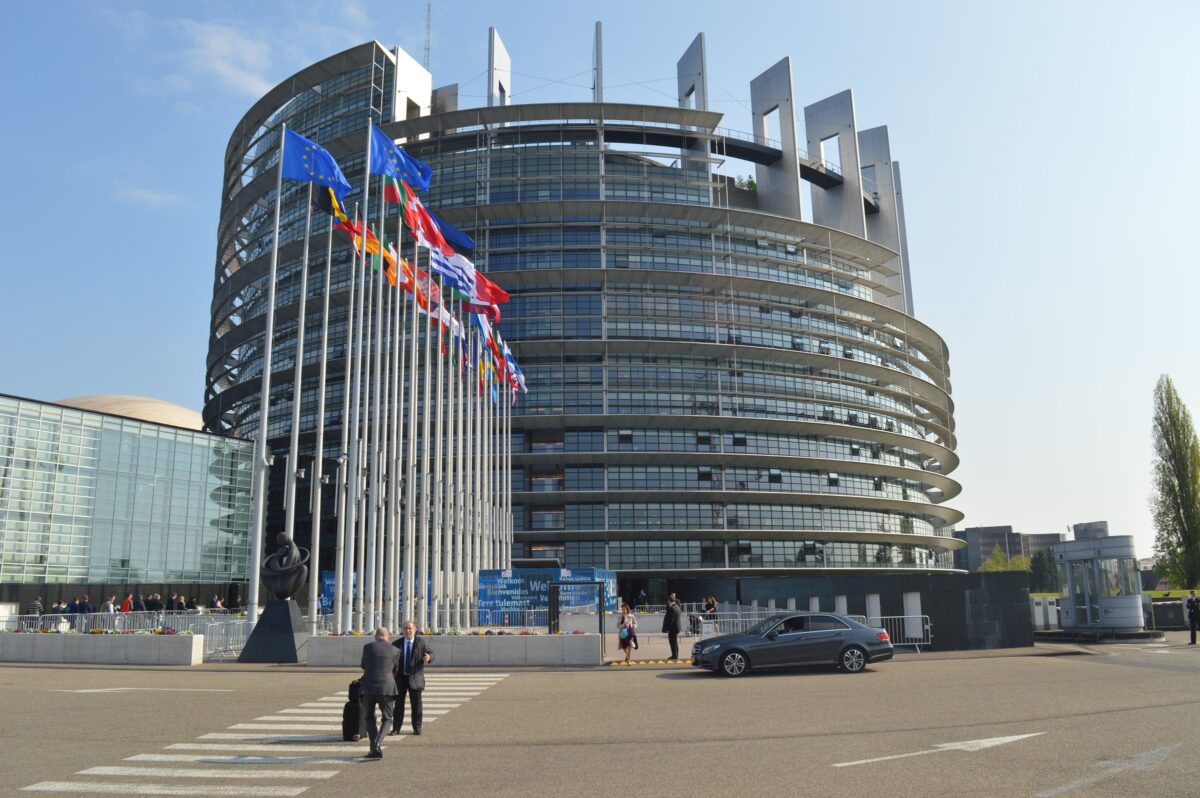
Far-right and centre-right factions have long resisted creating such an ethics oversight body, although the vote squeaked through by 296 votes in favour, 292 against.
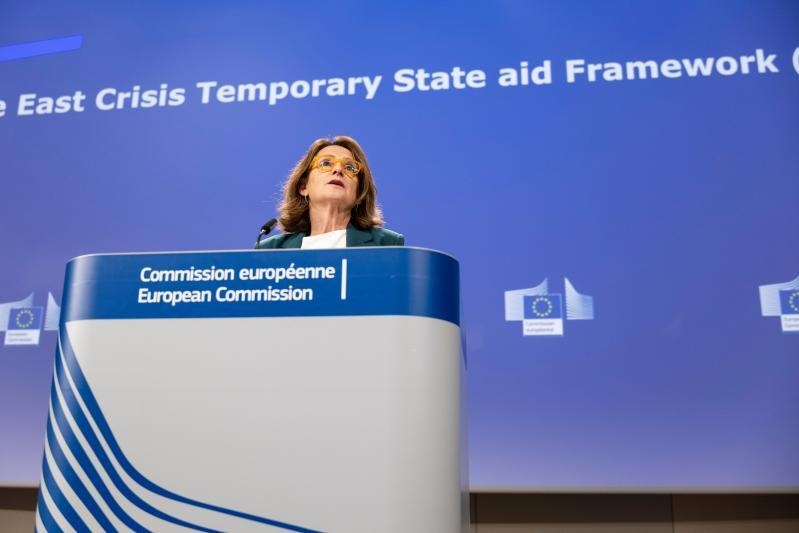
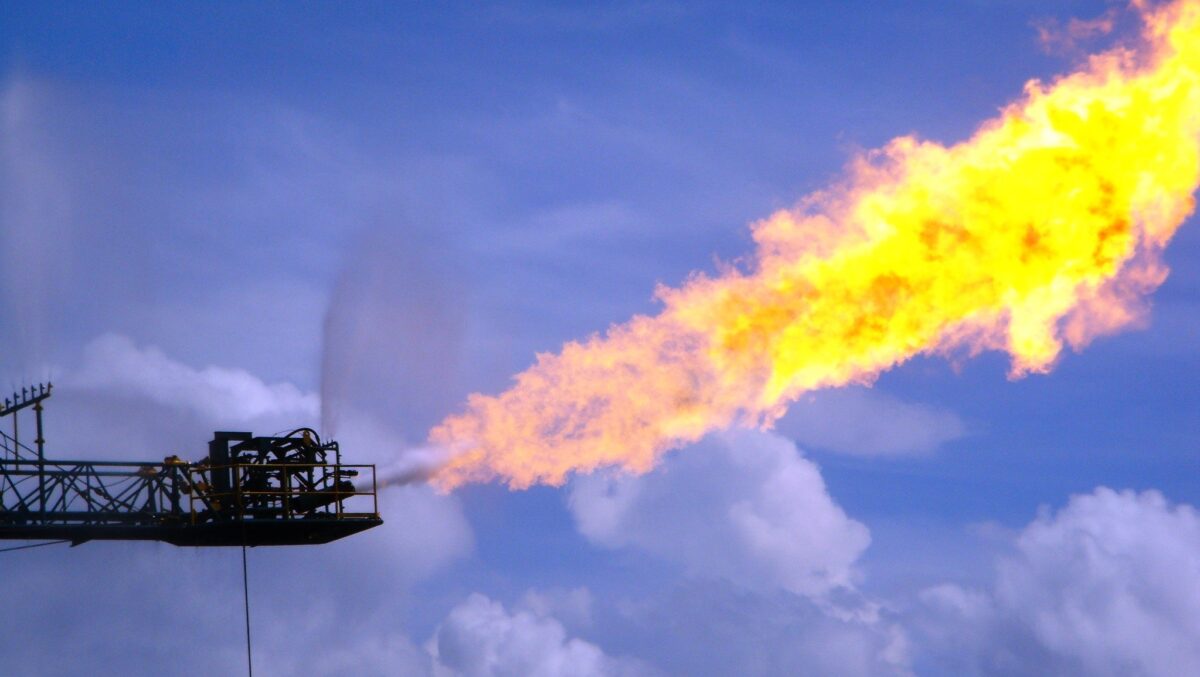
The EU Commission may also allow subsidies for gas-fired power generation, which critics say runs counter to EU goals to reduce fossil-fuel use.
The continent of Europe is warming up two times faster than other regions in the world, with the biggest changes seen in colder regions, according to the 2025 European State of the Climate report.
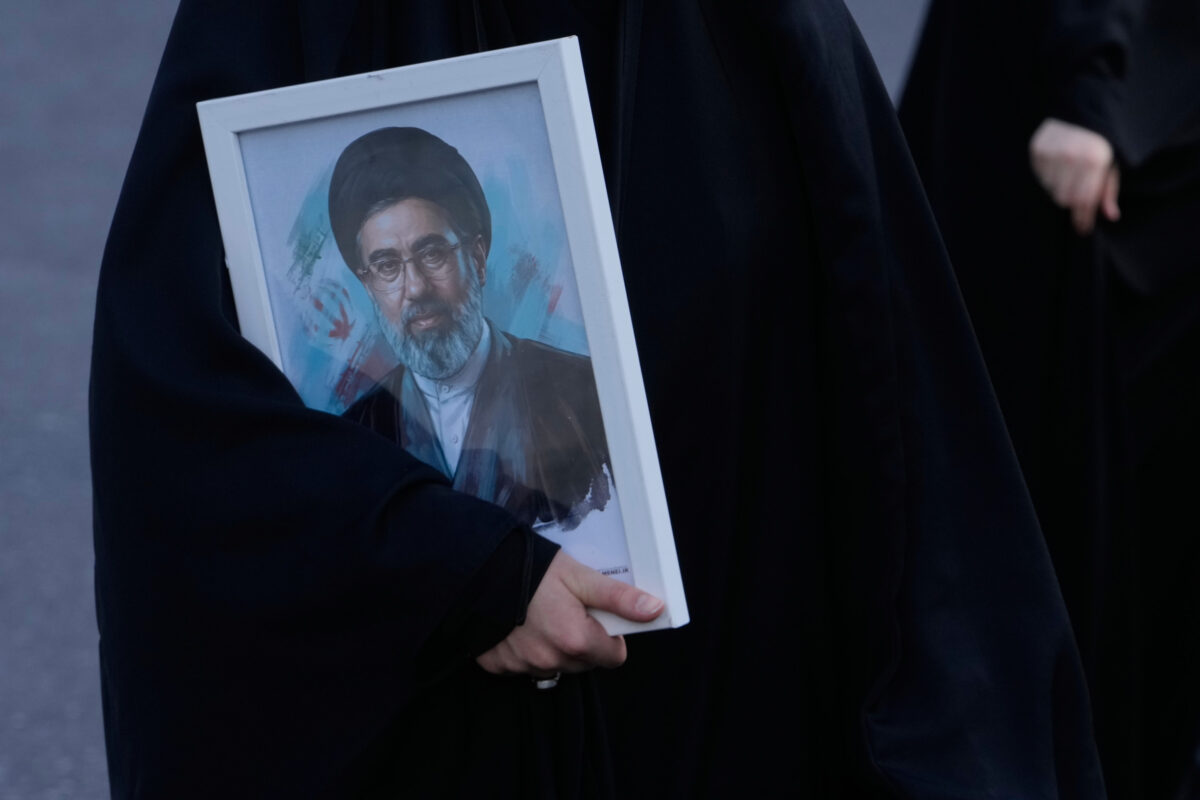
In the wake of the execution of Swedish citizen Koroush Kivani last month, Sweden announced visa restrictions on Iranian embassy staff and pushed for new EU sanctions, but these actions offer no meaningful impact. These performative responses are no substitute for strategic deterrence work and demonstrate Sweden’s inadequate protocols and resources to deal with hostage situations.
In this edition of the Secrecy Tracker: how Big Tech’s fingerprints ended up on data centre secrecy laws, the European Court of Justice’s €1.2m website “disaster,” and the irony of a closed-door event celebrating transparency. Plus, the EU Ombudsman is facing an AI-fuelled complaint surge.
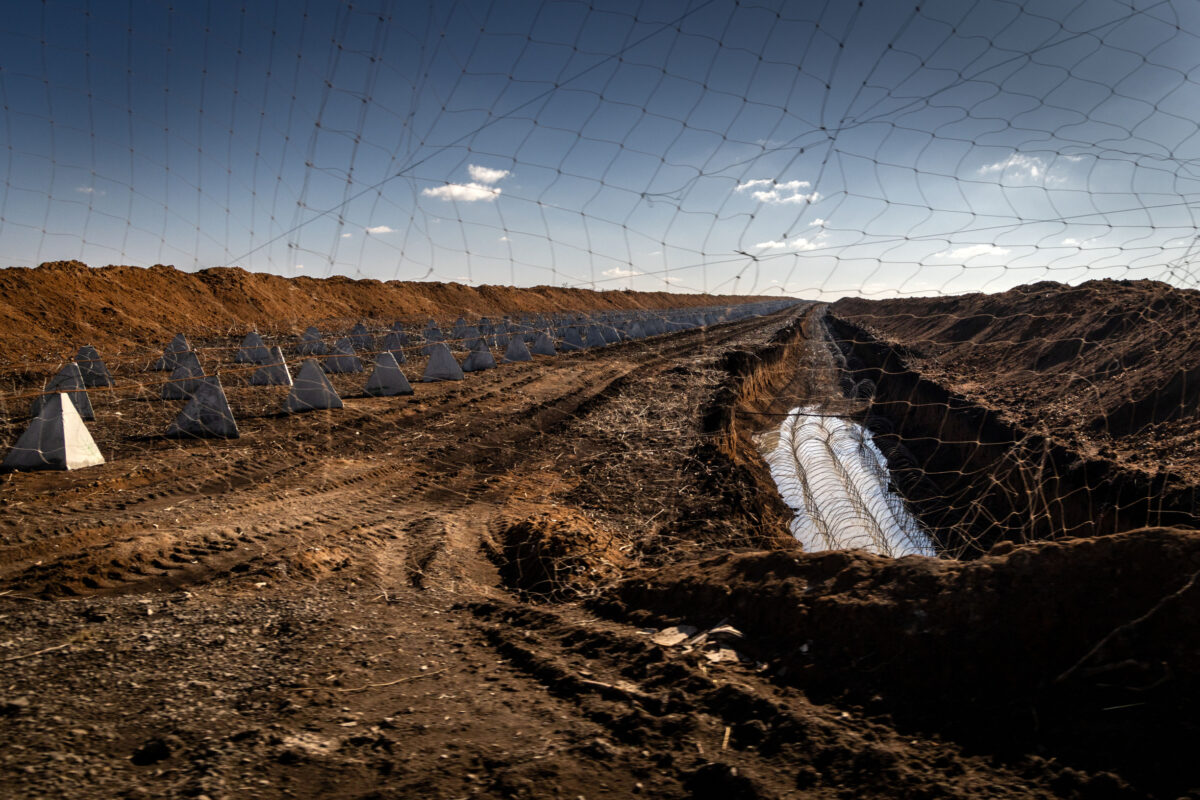
Barbed wire, ‘dragon’s teeth’, ditch, berm, more wire, ditch, embankment, wire, third ditch: Ukrainian fortifications claiming 1,000 Russian soldiers a month.



Geen opmerkingen:
Een reactie posten