Good morning.
Another day, another threat from Donald Trump’s White House to increase tariffs on European exports.
This time cars, for the umpteenth time, are in the commander-in-chief's crosshairs. EU-made cars will face 25-percent import duties, he says.
Lest we forget, the EU Commission was mighty keen that MEPs give the green light to the agreement struck by Ursula von der Leyen and president Trump last summer as soon as possible, despite a series of provocations from Trump over Greenland, Nato and a gamut of trade policies.
To their credit, rather than simply applying the rubber stamp, the parliament threw in a series of guarantees, including one which makes new EU tariff cuts conditional on the US sticking to its obligations, and a ‘sunset’ clause that would terminate the agreement in March 2028.
Those measures will need to be approved by EU governments before they can be proposed to the Trump administration.
Trump said last Friday (1 May), without presenting evidence, that the EU was “not complying with our fully-agreed to trade deal.” The only thing that he can be referring to is the parliament’s demand for guarantees.
Bernd Lange, the German Socialists & Democrats MEP who chairs the European Parliament’s international trade committee, and piloted the assembly’s position on the US trade deal, says that the new threat of vehicle tariffs is aimed squarely at Germany
“There are no legal or no economic reasons for those tariffs. This is really politically against Germany,” Lange told Euronews in an interview on Monday (4 May). “He is targeting specifically German car manufacturers.”
That is almost certainly true.
Trump’s wafer-thin skin has been stung by German chancellor Friedrich Merz’s criticisms of his war against Iran, prompting the US president to announce the withdrawal of some 5,000 US troops from Germany.
But he has been fixated by Europe’s car industry for years.
Germany is Europe’s main car exporter and Trump is understood to have complained about the number of Mercedes and BMWs on US roads during a meeting with then chancellor Angela Merkel years before he became president.
Merkel’s reply was not recorded, but we can assume that she gave a diplomatic nicety rather than the obvious and accurate riposte that US brands haven’t made a car worth exporting for decades.
The question is what, if anything, the EU does about this latest provocation.
Lange, together with France and, probably, a majority of MEPs, would like the bloc to utilise its anti-coercion instrument which would slap a series of countermeasures on US businesses.
The EU Commission’s response continues to be to ignore Trump’s rhetoric and wait and see.
On Monday, the commission insisted of Trump’s latest salvo: “this does not change anything on our side”.
“We will keep our options open,” added a commission spokesperson, who pointed out that this was “not the first time we have seen threats.”
An almost identical statement came from Greek finance minister Kyriakos Pierrakakis, who also chairs the Eurogroup of finance ministers.
That has been the standard EU response for more than a year.
The EU is stuck between a rock and a hard place.
But you might ask, what is the point in having an agreement on trade, or anything else, with a US president who changes his mind on major policy decisions on a daily basis?
Ben Fox, trade and geopolitics editor
What else you need to know
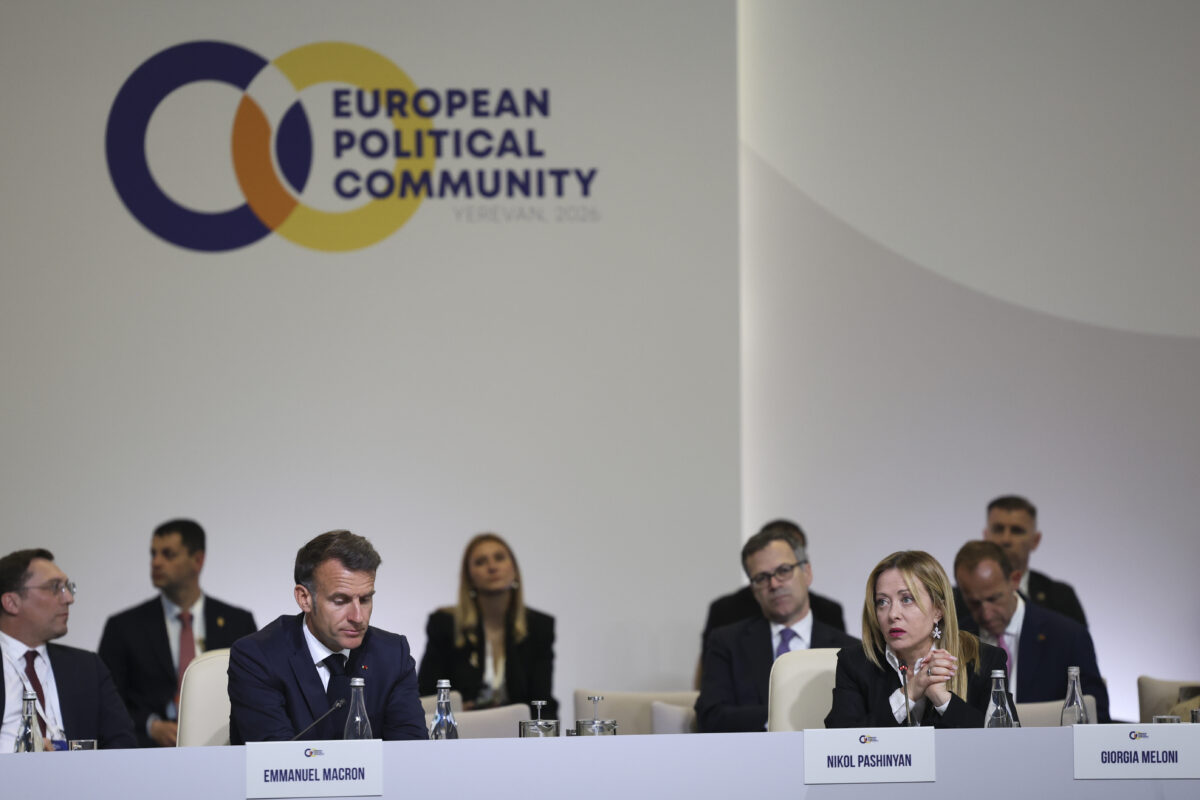
“The international order will be rebuilt … out of Europe,” said Canadian prime minister Mark Carney, in a sequel to his Davos speech.
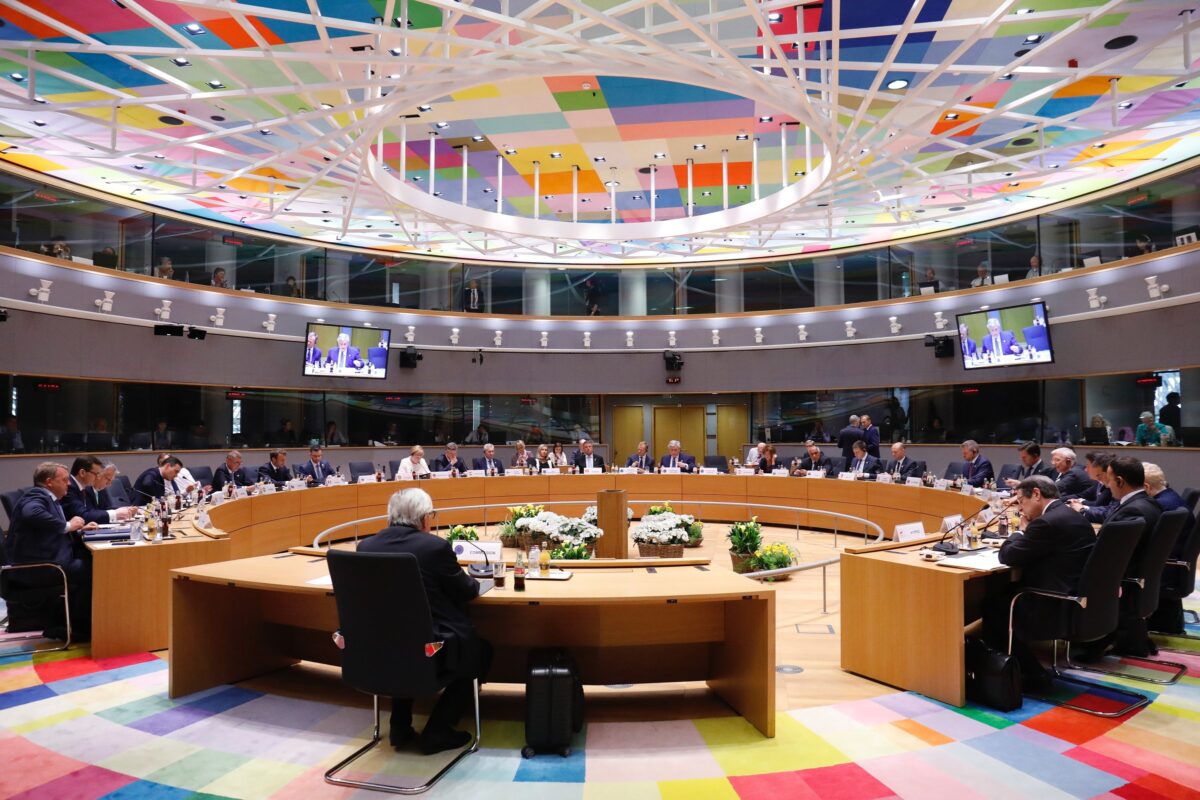
The EU Commission and the rotating EU presidency invited the IMF to press ministers to rein in untargeted measures shielding households and businesses from the energy shock from the Iran war.
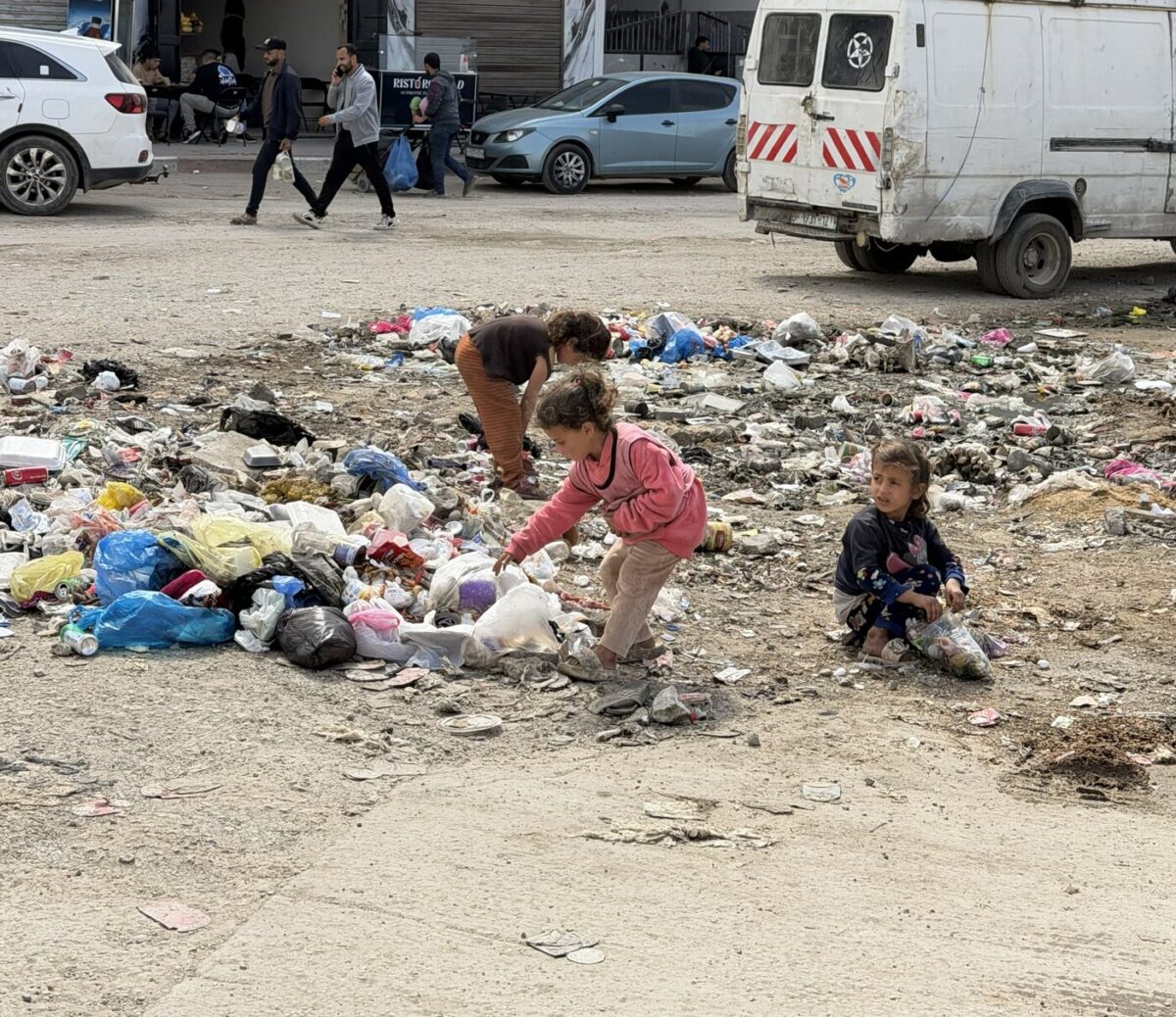
Recent reports say that the so-called ‘yellow line’ has been pushed further into the Gaza side by the IDF, expanding Israel’s zone of control to some 60 percent of the enclave.
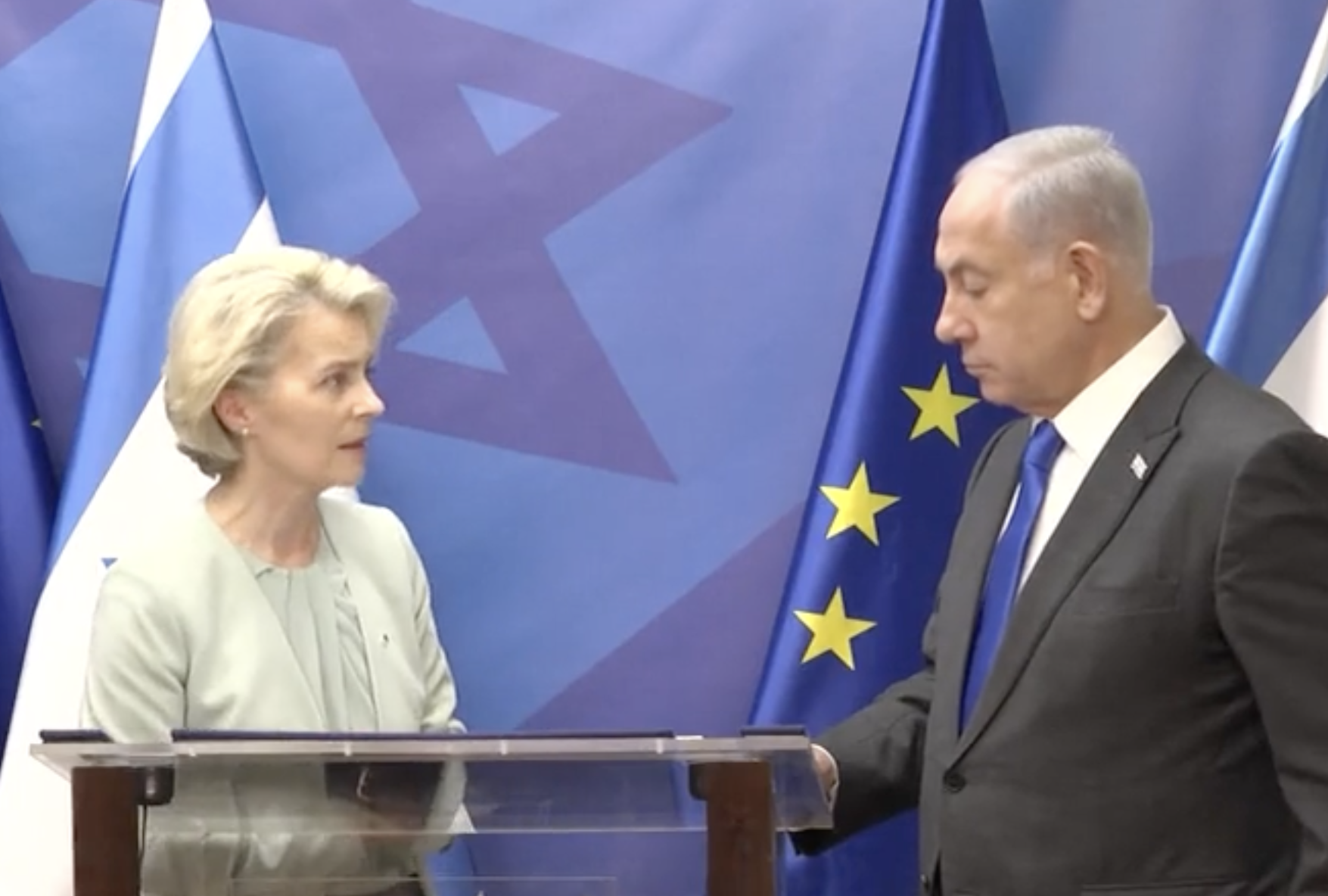
The humanitarian catastrophe is a consequence of a prolonged European abdication: the refusal to hold a belligerent Israeli government and an erratic American administration to account when doing so mattered. That failure is not just a shameful moral lapse. It is strategic self-harm that has left the European continent exposed, divided and diminished.
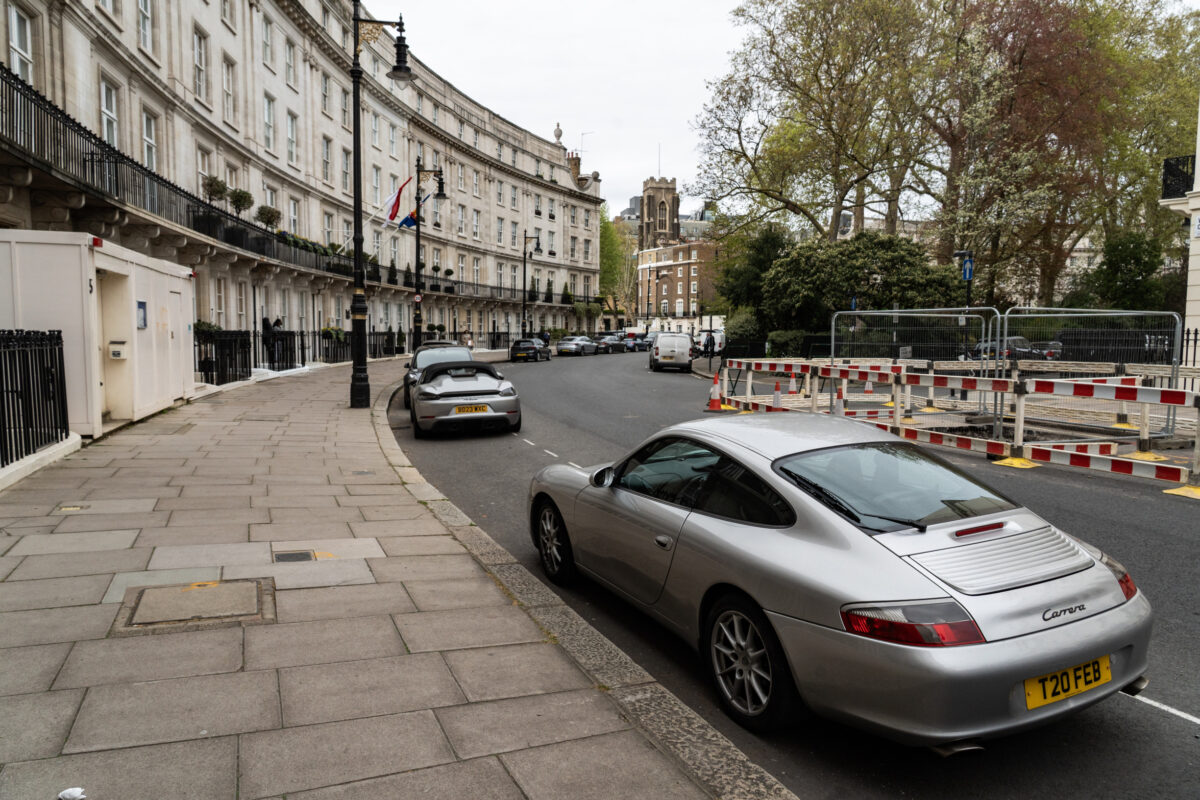
London’s luxury “Moscow-on-Thames” has transformed from a Russian oligarch haven into a graveyard of frozen assets. Driven by historical financial deregulation and “golden visas,” billions in property now sit in disrepair due to post-2022 sanctions. Experts warn that despite transparency reforms, London remains a global playground for opaque wealth.
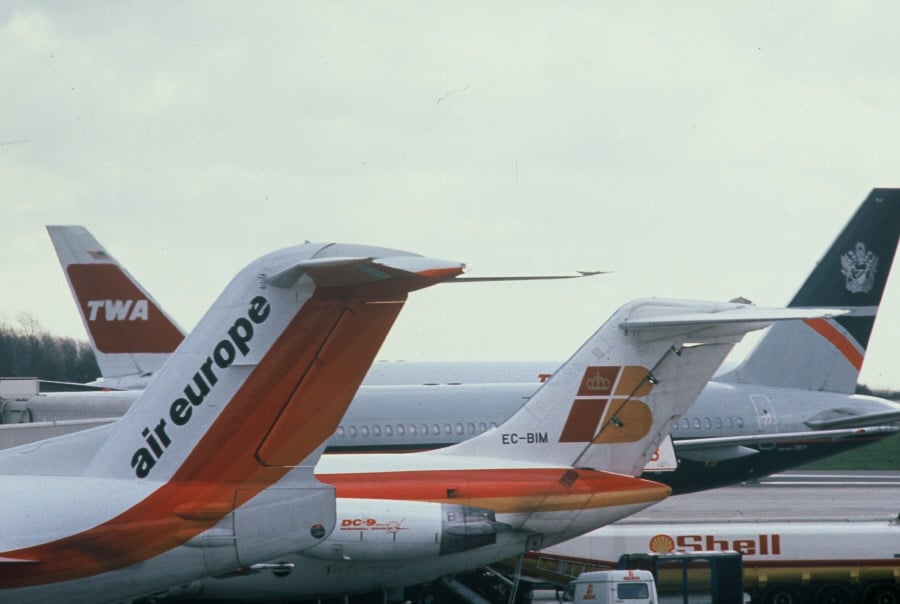
The guidance later this week will clarify if aeroplanes can carry more fuel on board and whether imports of US “Jet A” fuel could be permitted to ease supply pressures.
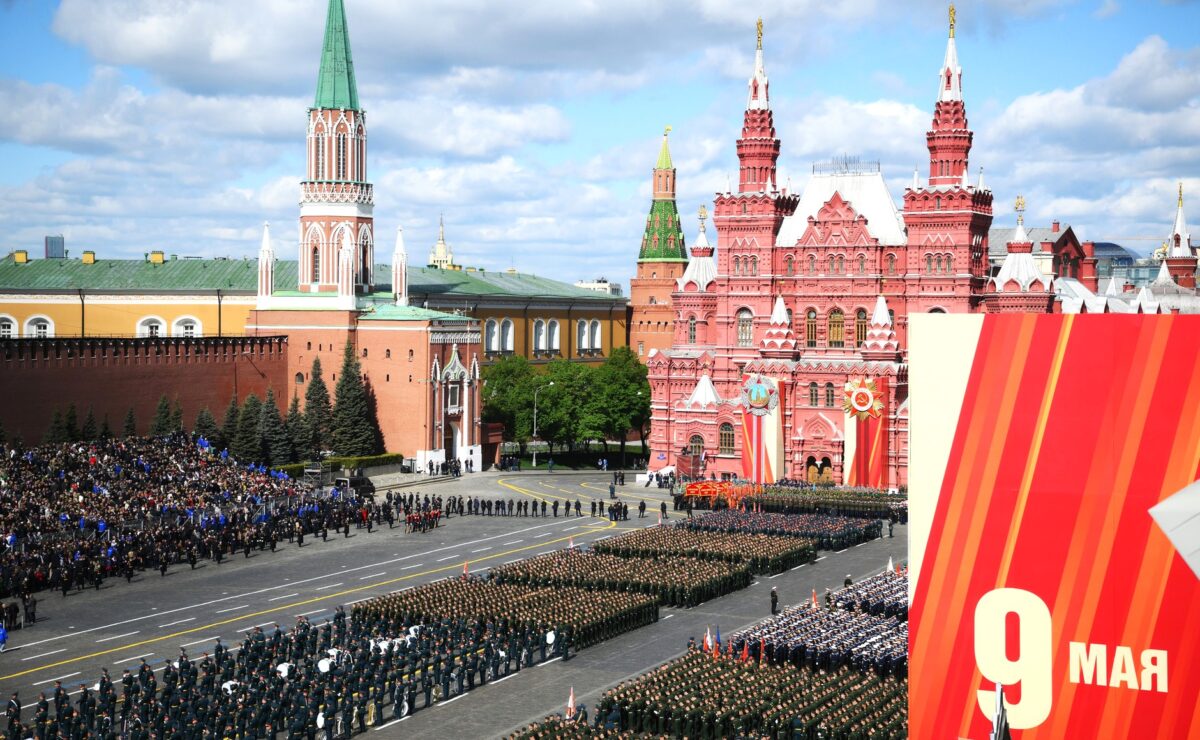
A Ukrainian drone got within 6km of the Kremlin on Monday, as Russia prepares for its 9 May parade, with Slovakia’s prime minister still aiming to go.
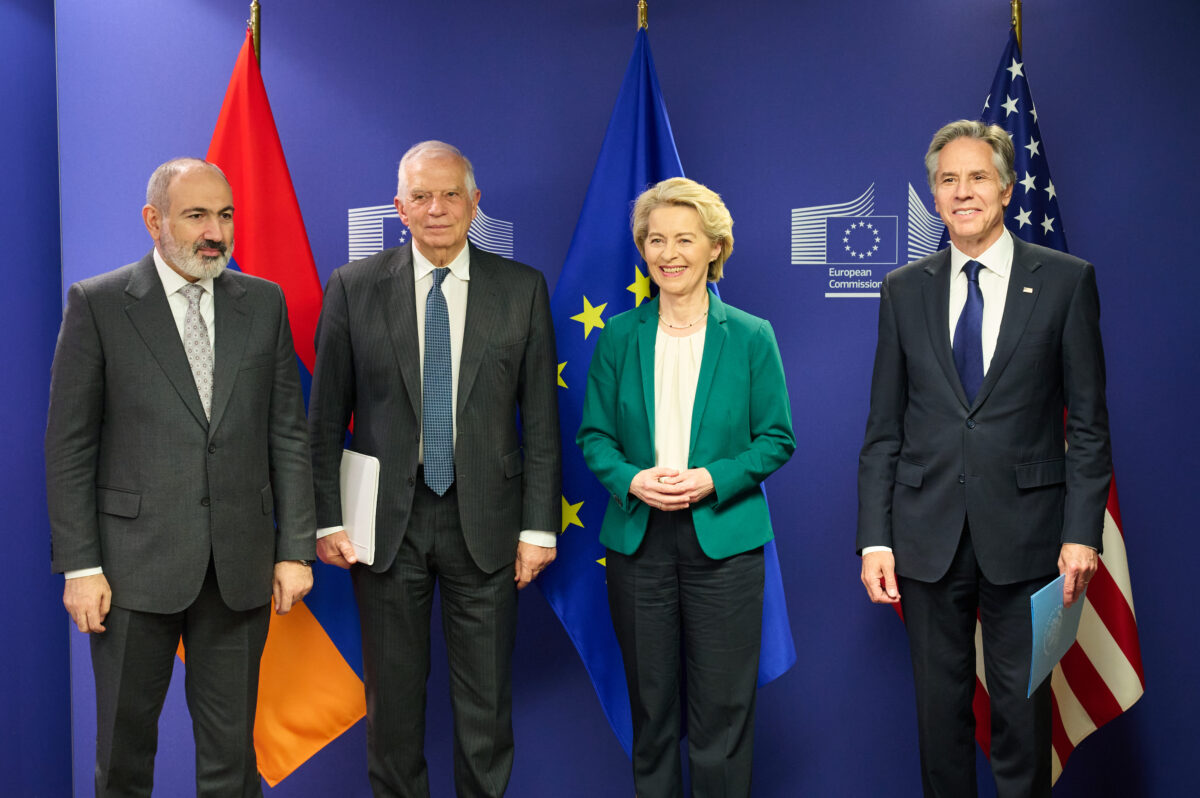
The EU has built its identity around the export of democratic norms: rule-of-law conditionality, election-monitoring, civil society support. In Armenia, six weeks before the country’s most consequential parliamentary elections in a generation, the EU is deploying all of those tools — and aiming every one of them at the wrong target.
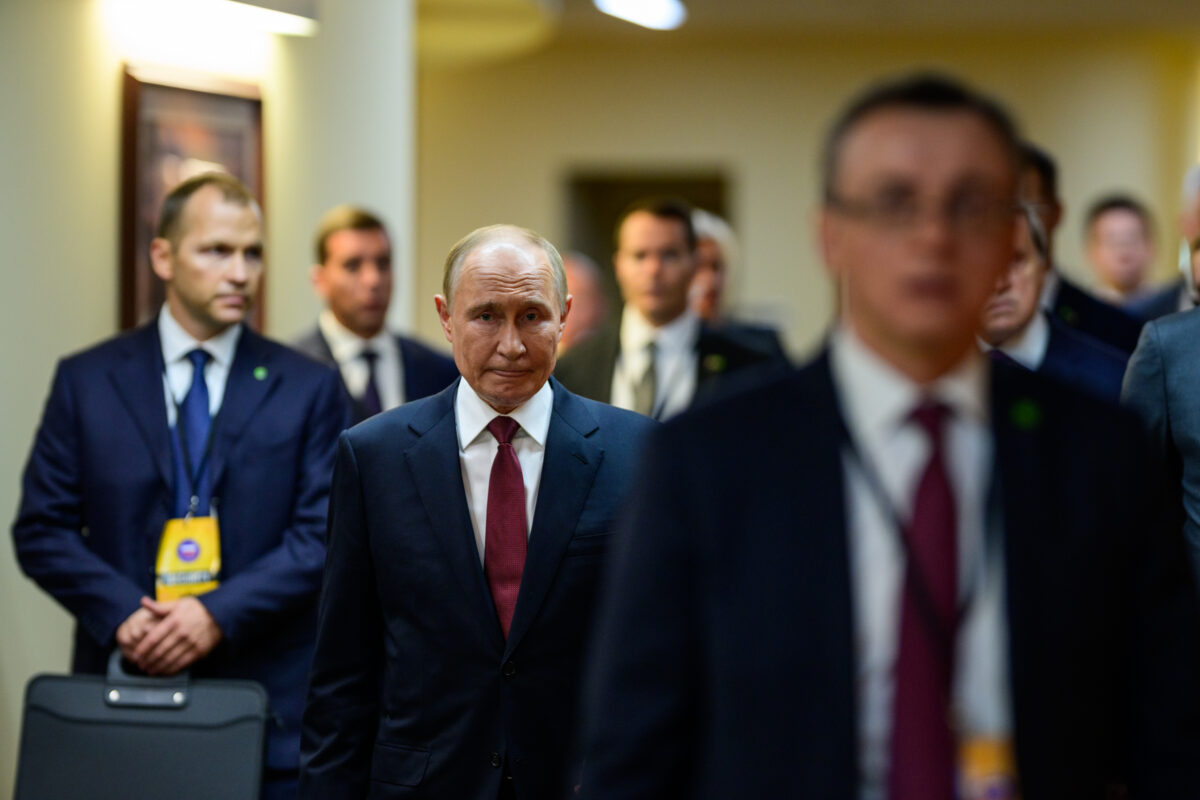
“Imagine a scenario in which an emboldened Putin fired a nuclear weapon on European territory … What would Trump and the US do then? No one knows. Not even Trump”, an ex-Nato official said.
After taking office in May 2025, following a snap election, Friedrich Merz has steered Germany through a period of significant geopolitical and economic transition. One year in, Merz faces record unpopularity — so what can we make of his record so far?




Geen opmerkingen:
Een reactie posten