Good morning.
The European Commission has consistently advised against maritime aid missions to Palestinians in Gaza — citing significant safety risks.
That warning was reiterated earlier this week, after Israeli forces intercepted the Global Sumud Flotilla off the coast of Crete, detaining activists and seizing the vessels.
But is the commission referring to inherit risks of long-distance sailing, or is it a warning of possible brutal Israeli tactics — or both?
When pressed to explain these risks, the commission has avoided singling out Israeli tactics, instead calling on Israel to comply with international and maritime law.
By allowing for various possible interpretations, the commission manages to sidestep any outward criticism of Israel, while defending a principled stand on humanitarian commitments.
But it is precisely this diplomatic ambiguity that fails to challenge Israeli naval interceptions, undermining Brussels’ stated commitment humanitarian operations.
This also includes conveniently deferring to EU member state authorities whenever one of its nationals are detained or arrested by Israelis.
Both Saif Abukeshek, a Spanish-Swedish national of Palestinian origin and Brazilian Thiago Avila were taken from the flotilla of 22 boats and detained in Israel, amid claims they have ties to Hamas.
“When it comes to consular protection, as you know, it is ensured by EU member states,” said the commission, when asked about Abukeshek’s fate.
Jose Manuel Albares, Spain’s ministry of foreign affairs, has since stepped in and demanded Israel release Abukeshek.
“Israel has not put on the table any evidence about Abukeshek’s relationship with Hamas,” said Albares.
A court in Israel has since extended the detention of Abukeshek and Avila.
Nikolaj Nielsen, home affairs editor
What else you need to know
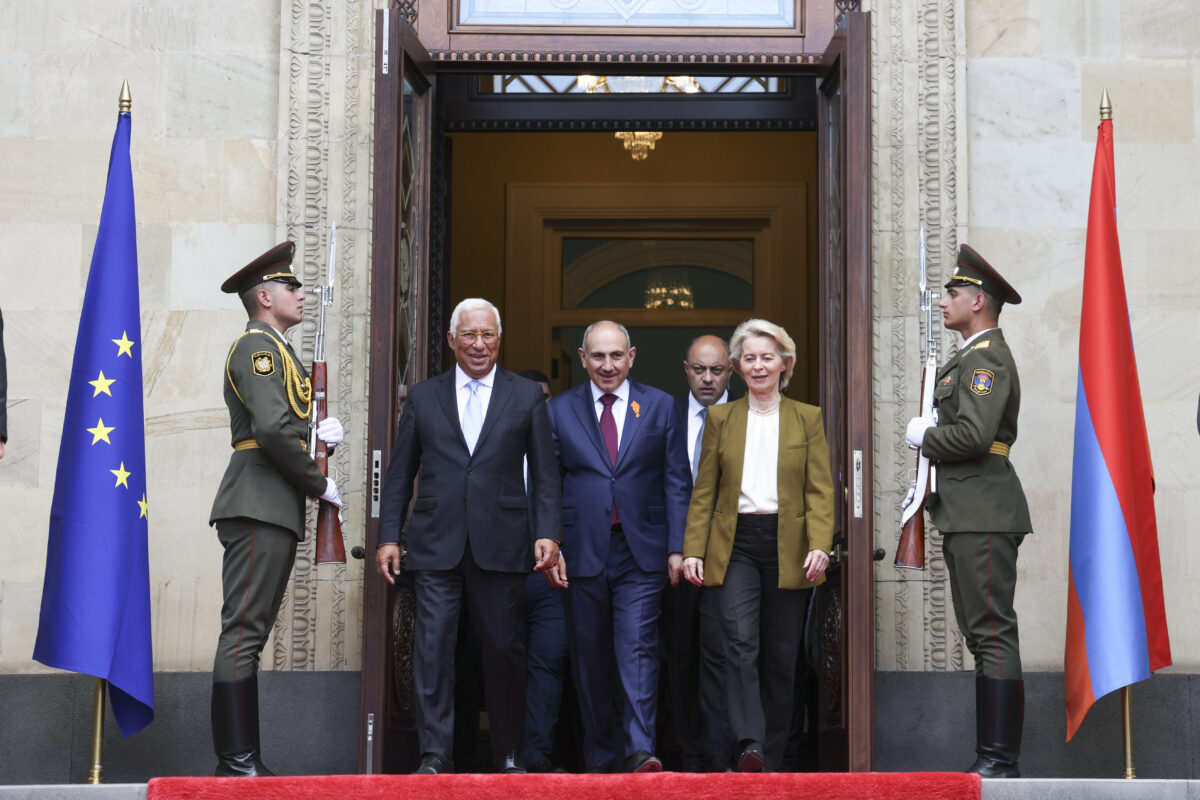
“If the European Union accepts us, we will be happy and enthusiastic about it,” said Armenian prime minister Nikol Pashinyan at a first-ever EU-Armenia summit.

The EU’s deforestation regulation was very popular — until it became law. But after two years of delays and exemptions, the EU Commission appears to have decided to give no more ground.
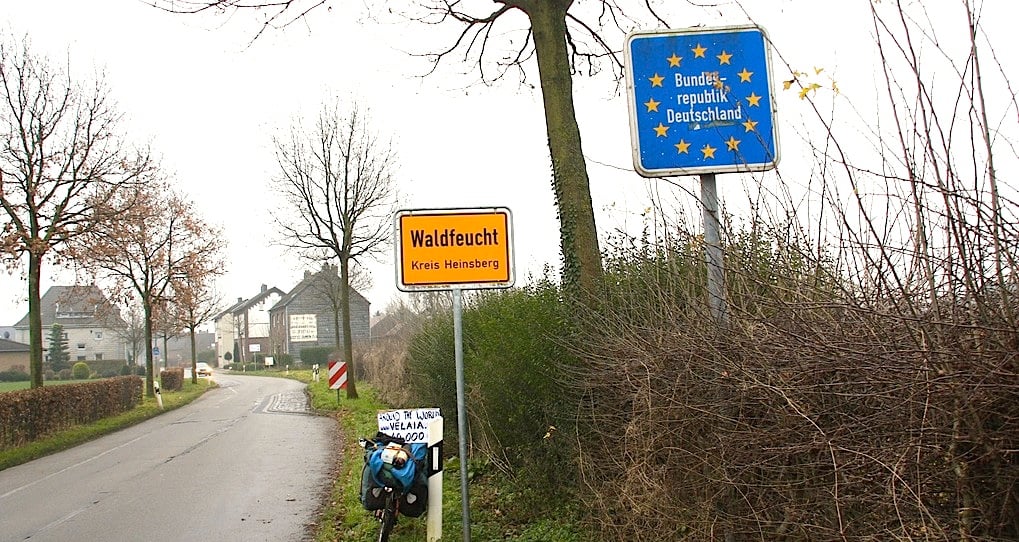
The EU agrees to reform social security rules for cross-border workers, following a decade of stalled negotiations and repeated impasses over key provisions.

The current negotiations, led by the EU Commission, were launched last year following US threats to revoke visa-free travel for EU citizens unless Washington is granted access to biometric data held by European authorities by an end of 2026 deadline.
Instead of funding European commercial alternatives to American chokepoints, Europe should fund the layer underneath them: infrastructure that is useful because it cannot easily be owned.
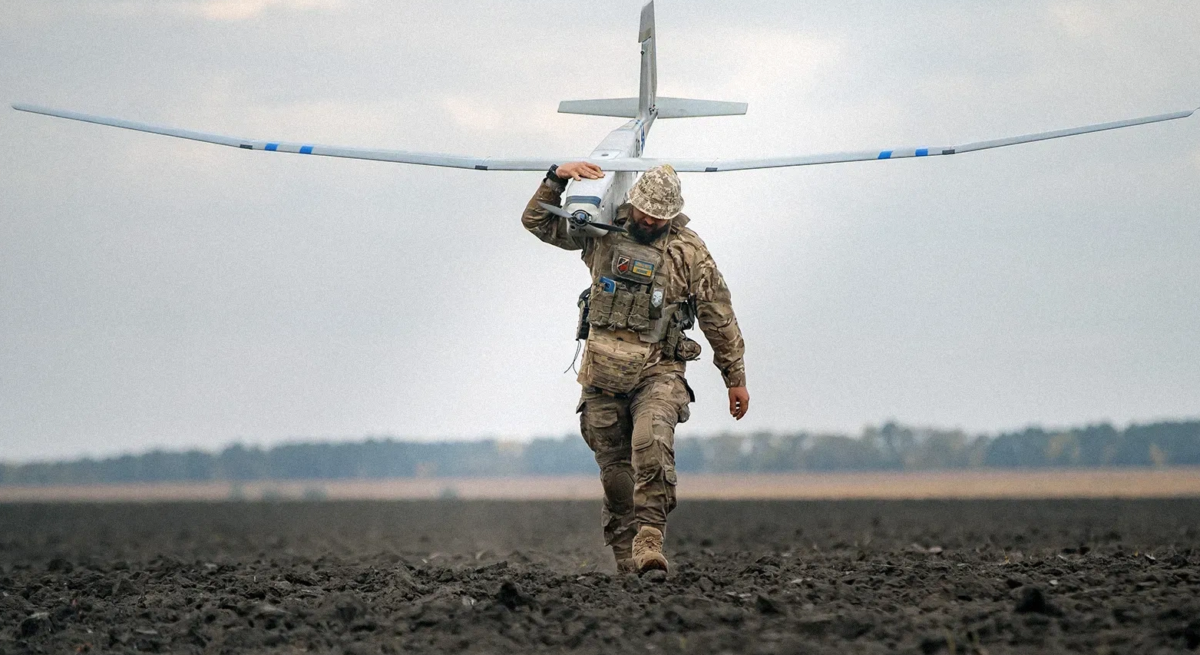
Major Robert Brovdy, nicknamed Hungarian, commands Ukrainian Unmanned Systems Forces, responsible for about one-third of troop losses on Russian side.
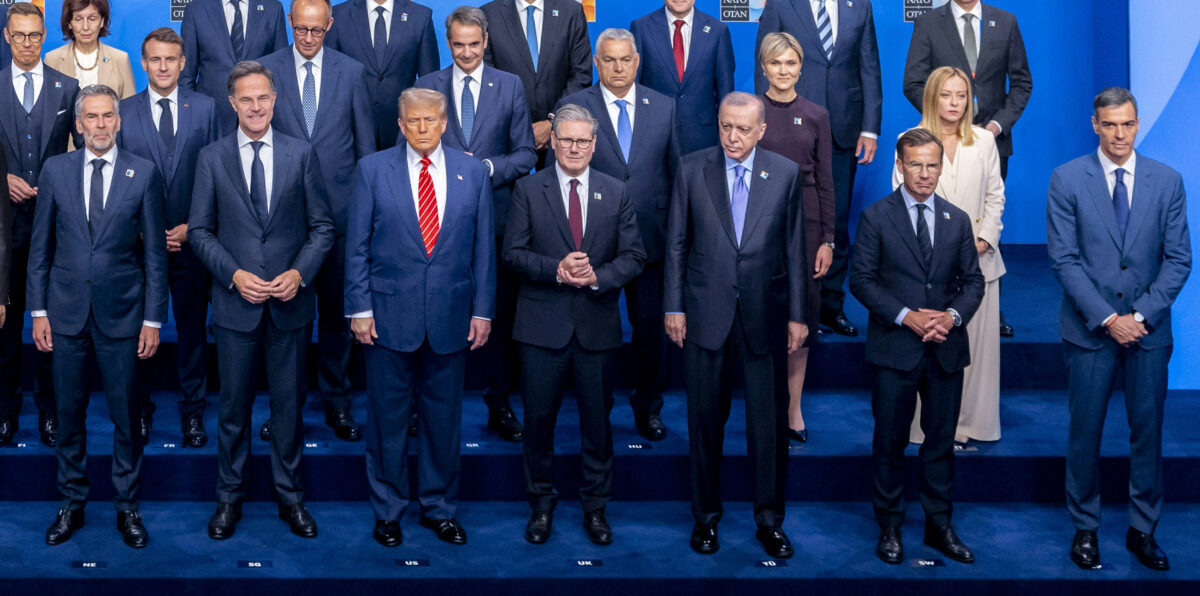
A Post-Nato Manifesto: Given that no country can defend itself alone, the priority is to make new alliances — flexible, capable frameworks of threat-aware allies that are willing to take risks and make sacrifices for themselves and for others. The most promising group of like-minded states includes the Nordic five (Denmark, Iceland, Finland, Norway and Sweden) and the Baltic three (Estonia, Latvia and Lithuania). Together with Britain and the Netherlands they are part of the Joint Expeditionary Force (JEF).
A few days ago, Donald Trump threatened Europeans with new tariffs on cars. This time around, will the EU show some teeth?



Geen opmerkingen:
Een reactie posten