Good morning.
The ‘European Dream’ has always had a distinctive hallmark: putting collective welfare and quality of life over pure individual wealth, in stark contrast to the ‘American Dream’. But this model is now under increasing pressure.
In the past, the European Commission has pledged to ensure that “competitiveness matches the European dream,” making sure the result is a “Europe that drives prosperity for its citizens and is competitive on the global stage”.
This hasn’t been the case until now, as Europe finds itself squeezed between economic giants that play by different rules, lagging in innovation, productivity, and “strategic autonomy”.
Internal problems such as different national rules, rigid bureaucracy, inflexible labour markets, and a rapidly-ageing population, mixed with external factors, including global competition, geopolitical tensions, and unexpected economic shocks, have placed many European economies in a tough spot for years.
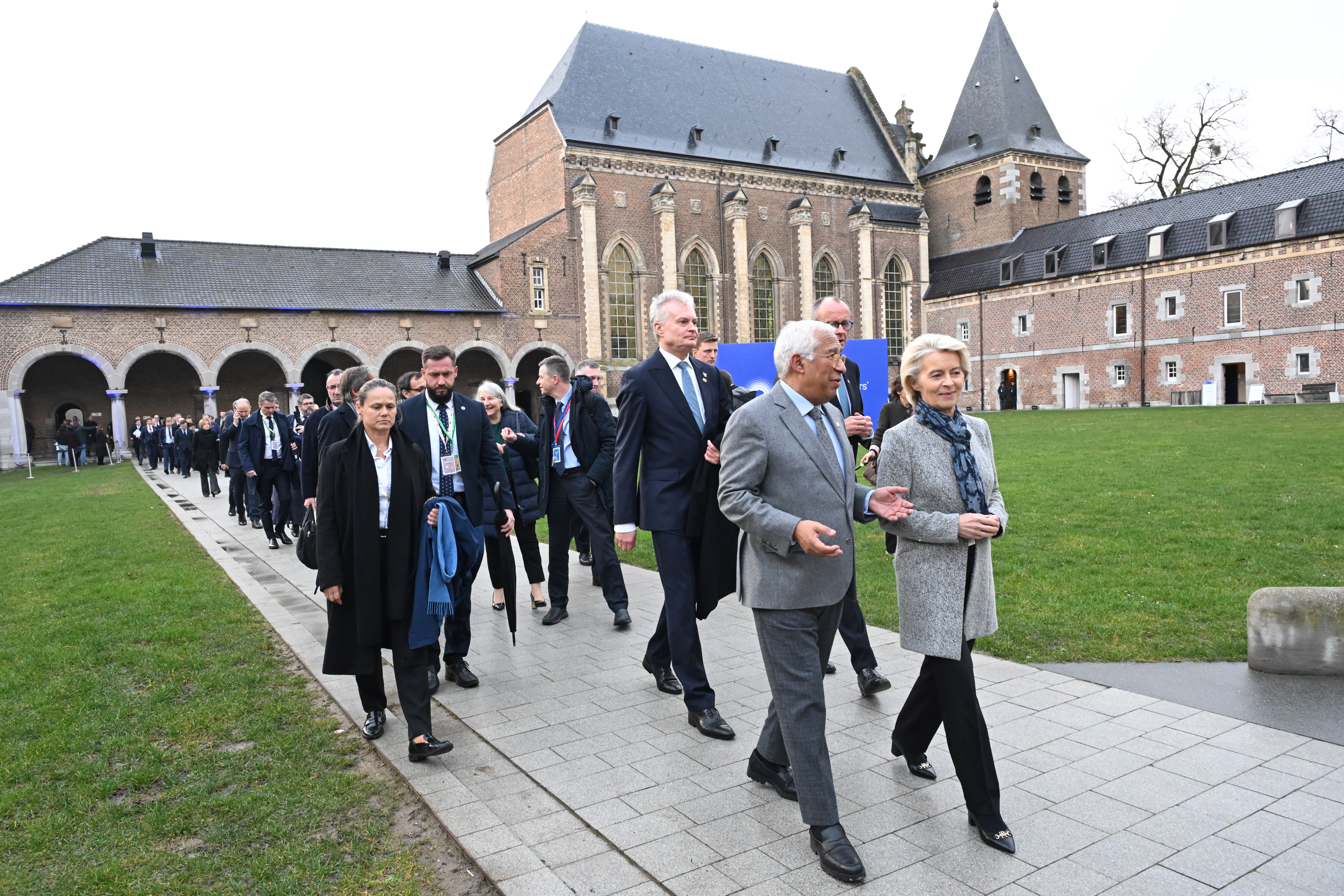
When EU leaders met yesterday in a medieval castle in Belgium to talk about competitiveness, they discussed for hours problems that have haunted the bloc for decades – think about financial market integration, investment gaps or different national views (with the French push for a “Made in Europe” preferential treatment).
Recent analyses, including those put forward by Enrico Letta and Mario Draghi (who also joined leaders in Alden Biesen), were welcomed in Brussels back much like a doctor finally confirming a diagnosis you had long suspected — but hoped was wrong.
Europe has now to show that welfare and economic prosperity are not mutually exclusive, and to do so, it must be more creative. Here comes the so-called “two-speed Europe” solution – sounds better than “coalition of the willing” but it’s essentially the same pragmatic idea. Several EU leaders, including Ursula von der Leyen, Emmanuel Macron, and Friedrich Merz, have supported the idea, which would trigger market integration in smaller groups rather than as the entire bloc, given the political deadlock.
The proposal builds on precedents like the eurozone or Schengen area, where not all 27 states participate equally.
This concept would allow frontrunner countries such as Germany, France, the Nordics, and perhaps the Benelux, to deepen integration in areas like fiscal union, defence projects or digital markets without waiting for unanimous backing.
But the risks of deepening the East-West divide, eroding solidarity and fuelling populism – where the ‘European Dream’ is already cracking – remain real. Once again, can the ‘European Dream’ remain a common objective — rather than a privilege of the few?
Elena Sánchez Nicolás, editor-in-chief
What else you need to know
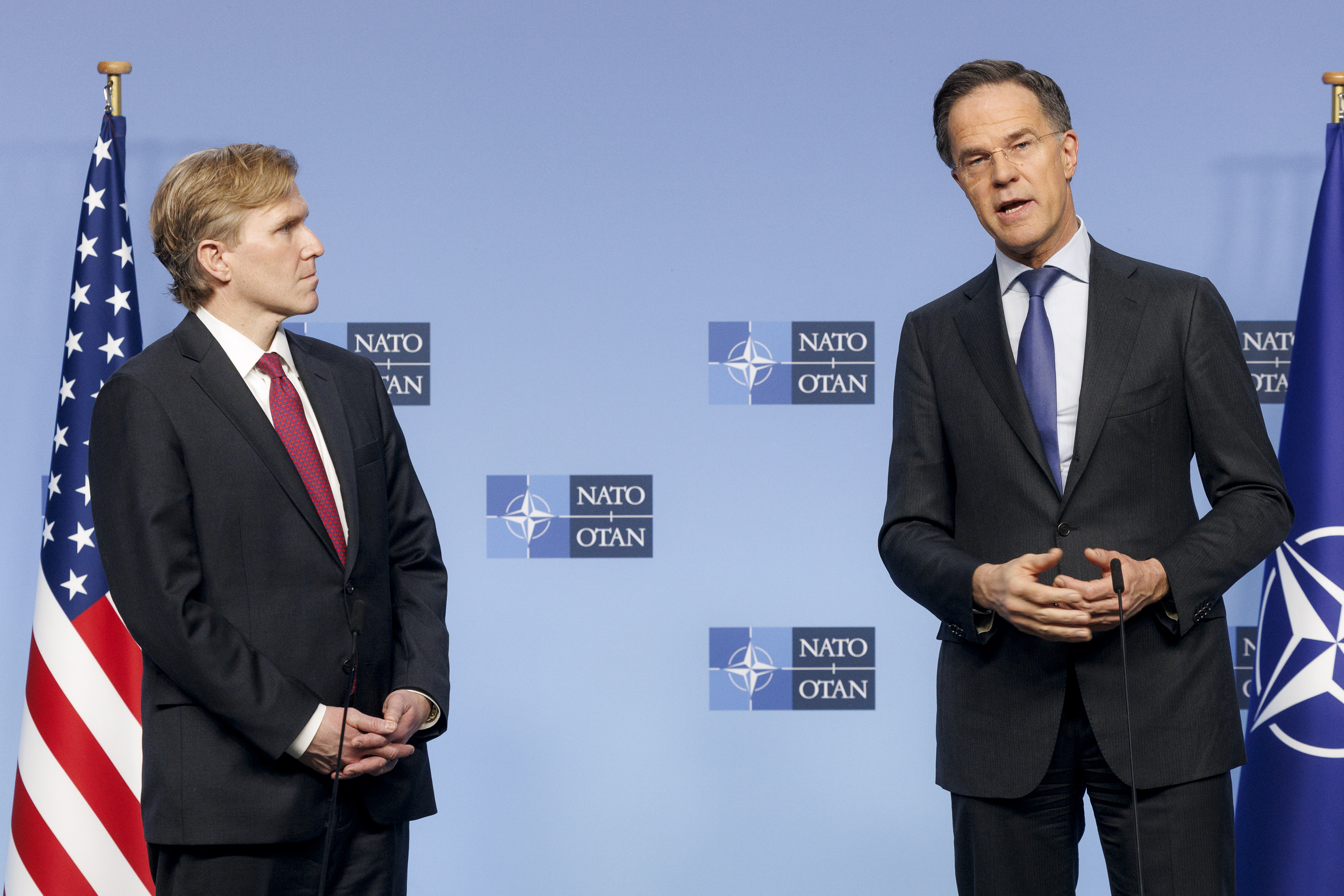
Nato chief Mark Rutte joked about Donald Trump’s invasion threat, at the Western allies’ first high-level meeting since the peak in the Greenland crisis.
Greek authorities have issued an European Arrest Warrant against Norwegian human rights activist Tommy Olsen, who leads the Aegean Boat Report, supporting migrants.
Accusations of corruption, favouritism, eroding the rule of law and judicial independence under Robert Fico’s Slovak government are aired in the European Parliament.
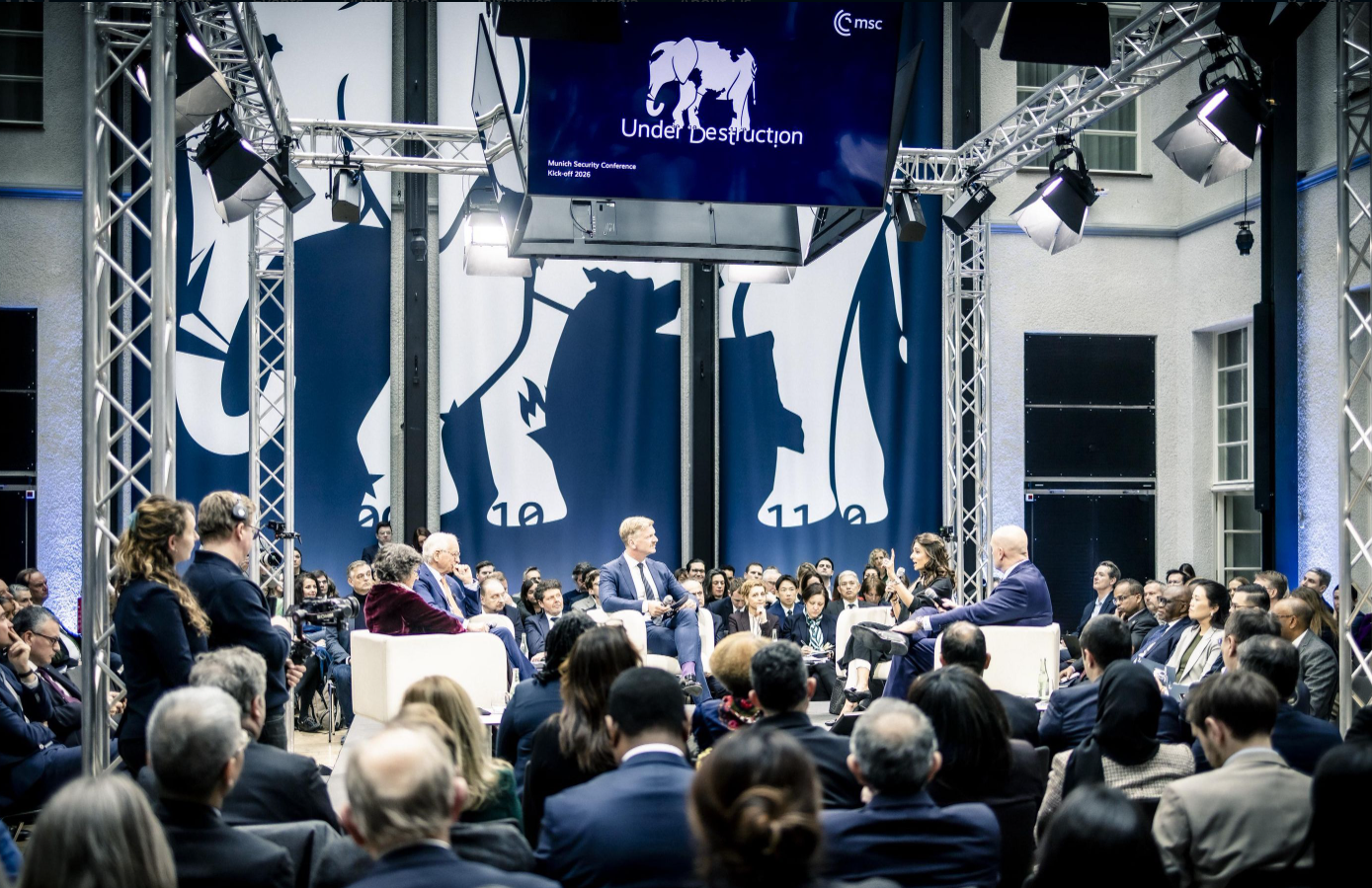
The US under current management is a critical threat to Europe+ democracies — the UK, Norway, Canada, as well as Japan, South Korea, Taiwan, Australia and New Zealand. This weekend’s Munich Security Conference is the place to start planning counter-measures.
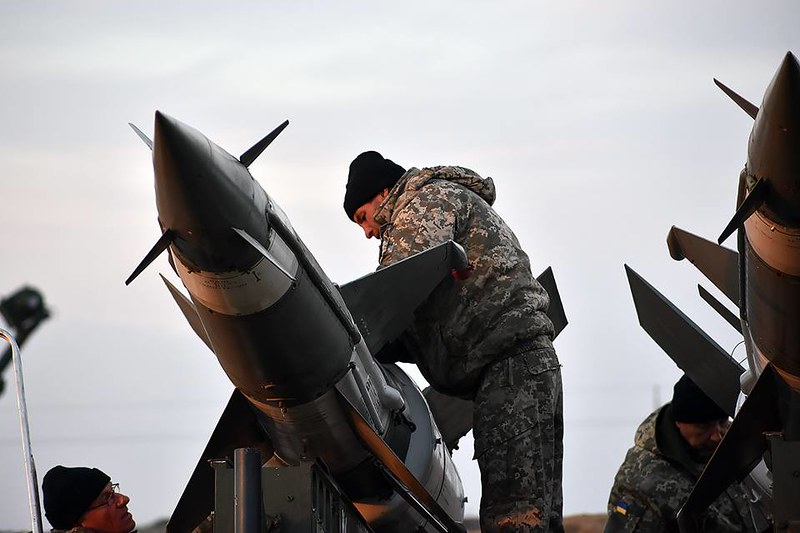
Ukraine will set up 10 export hubs across Europe to sell surplus military equipment, giving the EU access to new, battle-hardened technology.
The EU wants to increase its stake in Algeria’s gas and green hydrogen supplies, the bloc’s energy commissioner said on Thursday.
Researchers found Apple’s in-built AI system systematically exhibits forms of racial bias and gender stereotyping when summarising texts and emails, according to a report exclusively shared with EUobserver.

This week, in our digest of the Hungarian campaign trail to the April election: the opposition Tisza’s election manifesto, a potential government cover-up, a sex-smear video, and Marco Rubio in Budapest.
A banned chemical, a divided nation, and Europe’s shifting rules: France reopens a heated debate over pesticides, public health, and industry pressure — as the EU hints at rolling back protections
Competitiveness has become the most abused word in Brussels.
It is invoked to justify almost anything — except the one thing Europe actually needs: a strong industrial policy to build quality jobs, to safeguard and reinforce economic capacity in Europe and to achieve shared prosperity.


Geen opmerkingen:
Een reactie posten