Good morning.
When the EU faces emergencies, it is usually much quicker to act than its critics would have you believe.
Shortly after the start of the eurozone debt crisis, a bailout mechanism was created despite initial warnings that this would be illegal.
Then, when the scale of economic damage that the Covid pandemic would cause became clear, the EU27 agreed to temporarily drop their objections to the Brussels executive issuing its own debt, allowing it to set up a loan fund worth more than €700bn.
Similarly, when US president Donald Trump threatened to pull the plug on military support for Eastern Europe, the EU was abruptly shaken out of several decades of underspending on defence.
To its credit, the von der Leyen Commission moved to set up a €150bn soft loan facility and an €800bn joint defence procurement programme.
Yet when it comes to fixing outdated legislation, the EU moves more like a tanker ship.
As someone who had assumed that the EU’s single market was comprehensive, it was a shock to learn earlier this week that the EU does not have common rules for the licensing and certification of defence equipment.
For example, a commercial vehicle can travel across the EU without being checked at any border. But put some camouflage or military hardware on it, and it faces swathes of red tape.
The result is that the EU, and the majority of countries that do not have a defence industry of any note, pays a premium of around 30 percent on its equipment.
If the EU is serious about creating a ‘defence union’ and reducing its reliance on the United States, fixing such bottlenecks is as essential as harmonising procurement and making it easier for defence firms to access finance.
Otherwise, as German MEP Tobias Cremer, who has drafted the European Parliament’s blueprint for a single market in defence, put it, “we will carry on paying more for less”.
Benjamin Fox, trade and geopolitics editor
What else you need to know
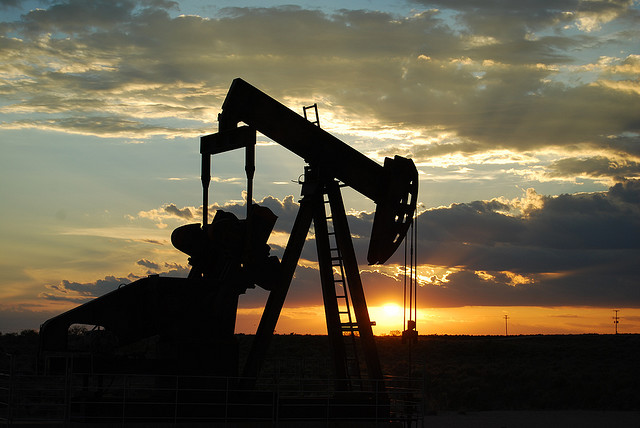
Russia has earned an estimated €6bn in fossil-fuel, or €510m per day, since the attacks on Iran, according to a new analysis published on Thursday.
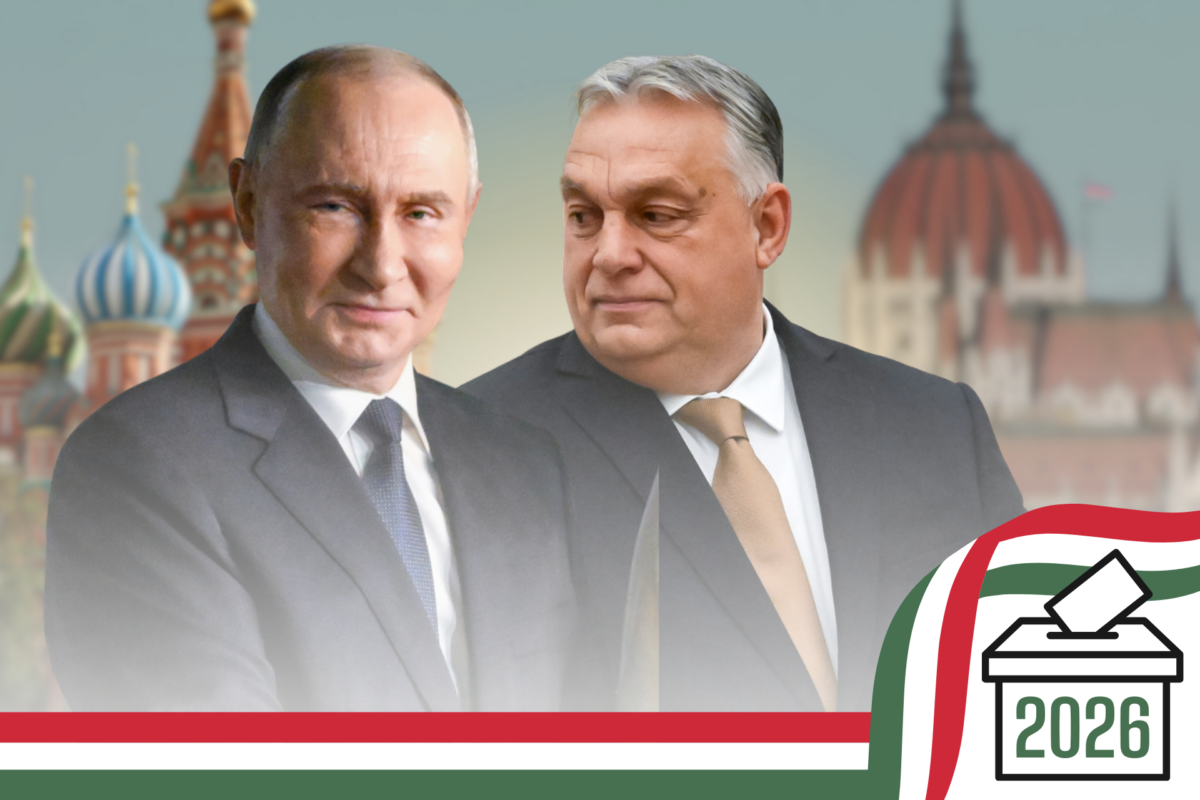
In our regular digest of the week’s news from the Hungarian campaign trail: latest opinion polls, a Hungarian delegation to Ukraine to inspect the damaged Russian oil pipeline, claims Kremlin-approved Russian disinfo is amplifying Fidesz campaign messaging, Hollywood star Mark Ruffalo calls on Hungarians to free themselves from Orban, and physical attacks on independent journalists.
It is easy to treat the case as just a French affair. In reality, the appeal carries wider international stakes and has become a stress test for the rule-of-law ecosystem under pressure across the EU.
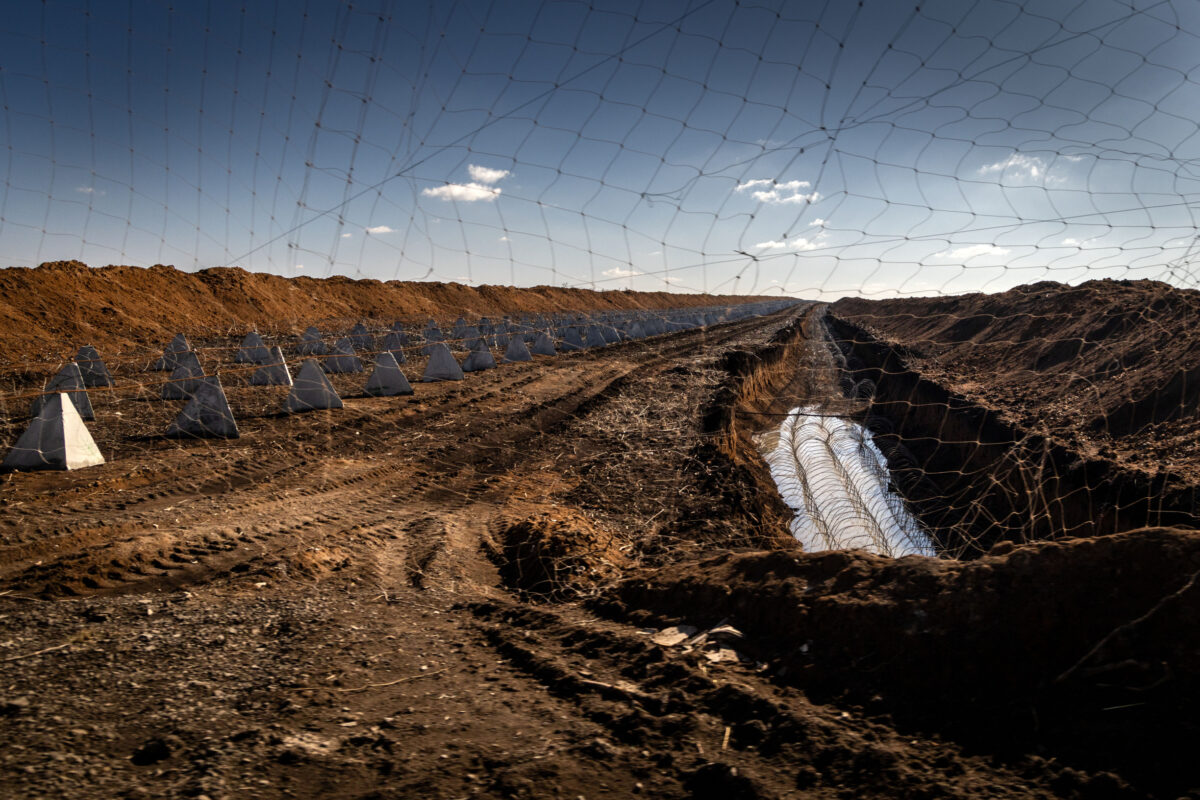
Ukrainian anti-tank ditches contain barbed wire, between them rows of dragon’s teeth connected by steel cables, and between those further belts of barbed wire. Parts of the ditches were flooded by melted snow.
The European Parliament’s centre-right is increasingly voting with far-right parties — first on migration, now on deregulation. As similar alliances emerge in national governments across Europe, the long-standing political “cordon sanitaire” against the far right is weakening, raising questions about whether this shift could soon become the new norm.
In case you missed it
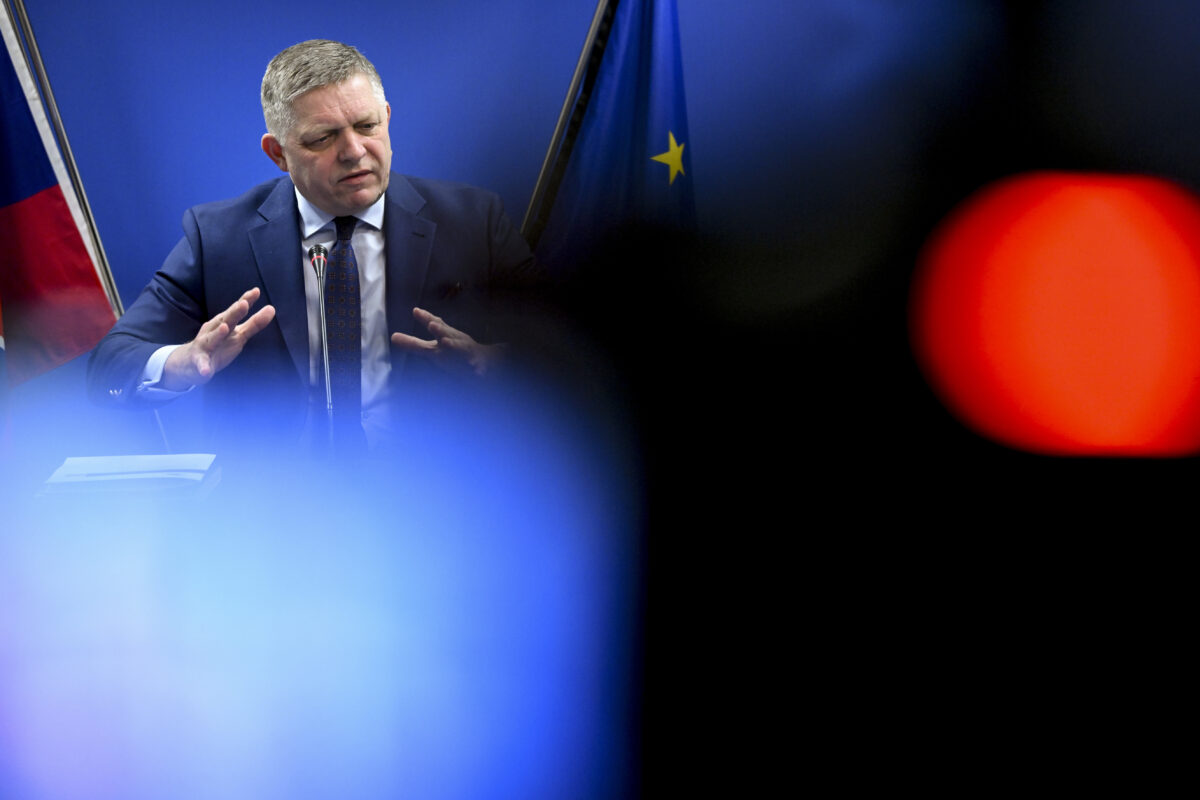
Slovakia has said it would block the rollover of the existing visa-bans and asset-freezes on Russia due on 15 March, unless the EU first delists two Russian oligarchs.
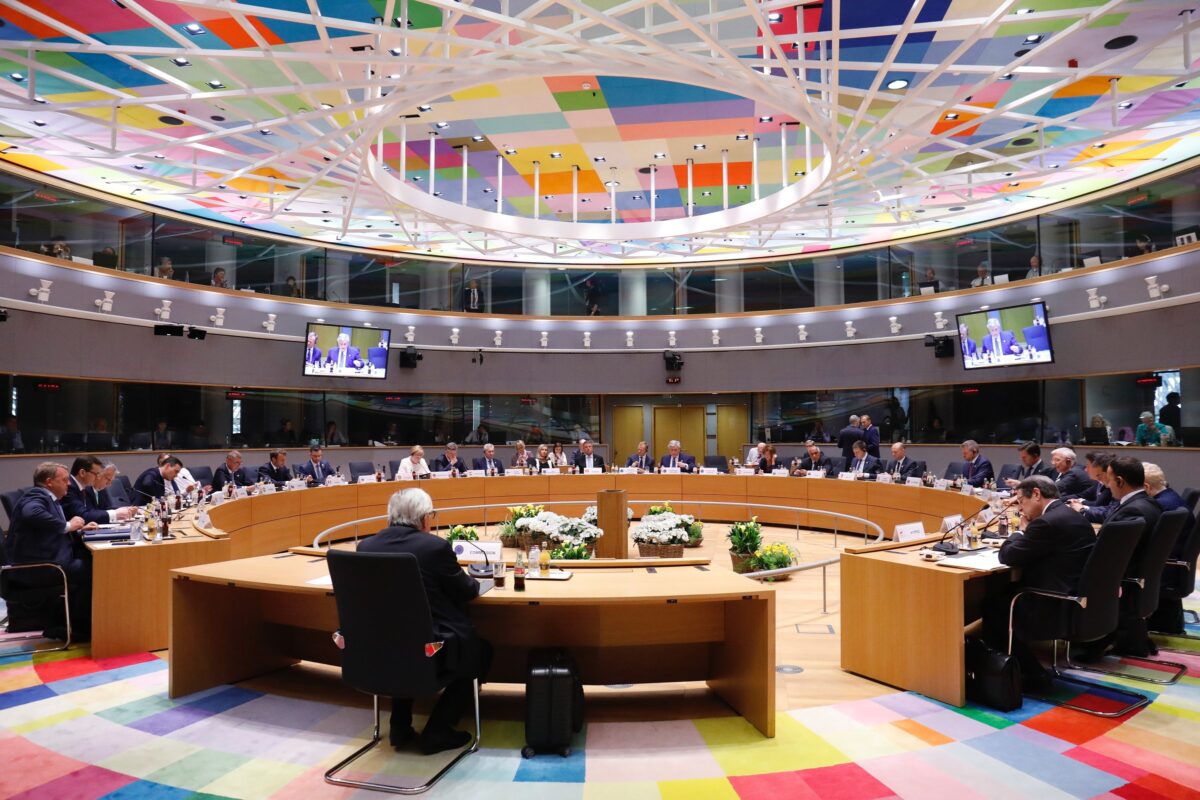
EU leaders want the carbon market reviewed by July at the latest, instead of the currently planned third-quarter timeline, a leaked draft of next week’s European Council conclusions shows.
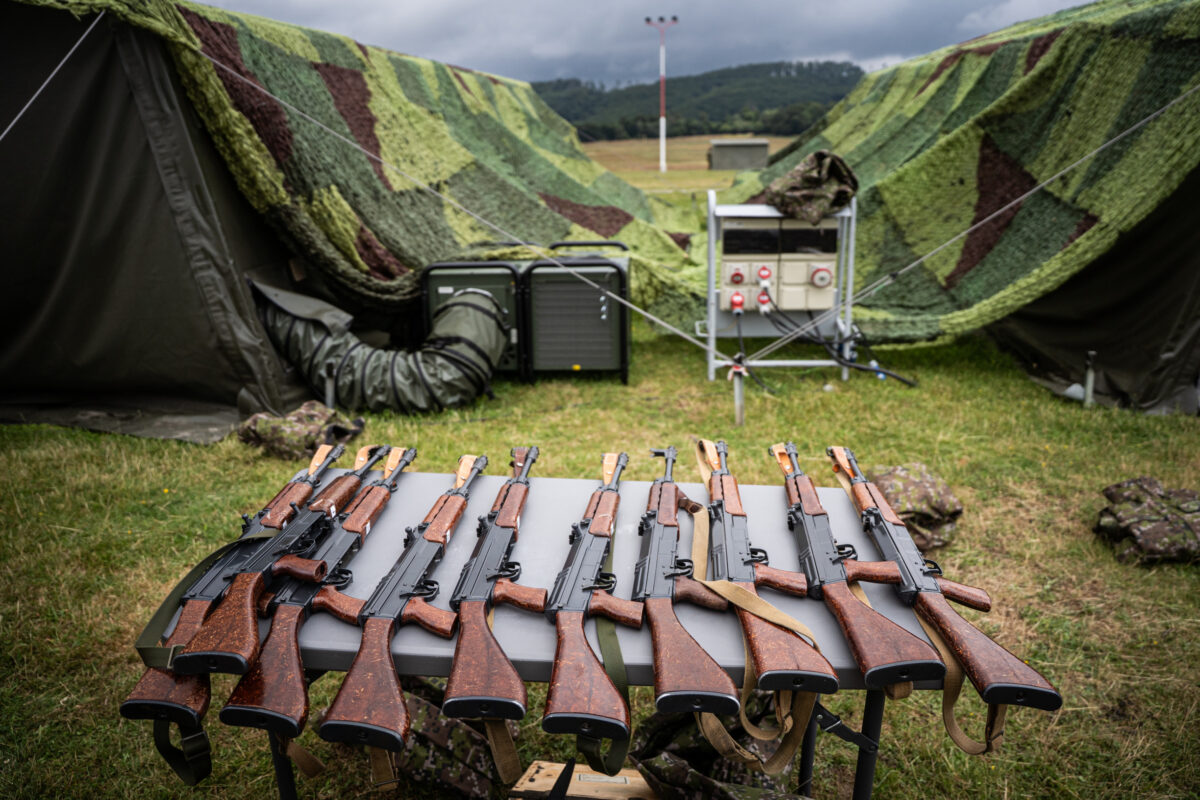
Global arms flows are surging to Cold War levels, fuelled by European rearmament and the war in Ukraine. Ukraine, Poland, and the Czech Republic are reshaping Europe’s defence landscape, while a Czechoslovak Group’s record-breaking IPO exposes links between business and politics. Meanwhile, Saudi Arabia eyes Ukrainian weapons amid drone threats, highlighting a defence boom that is both highly profitable and increasingly entangled with geopolitics.
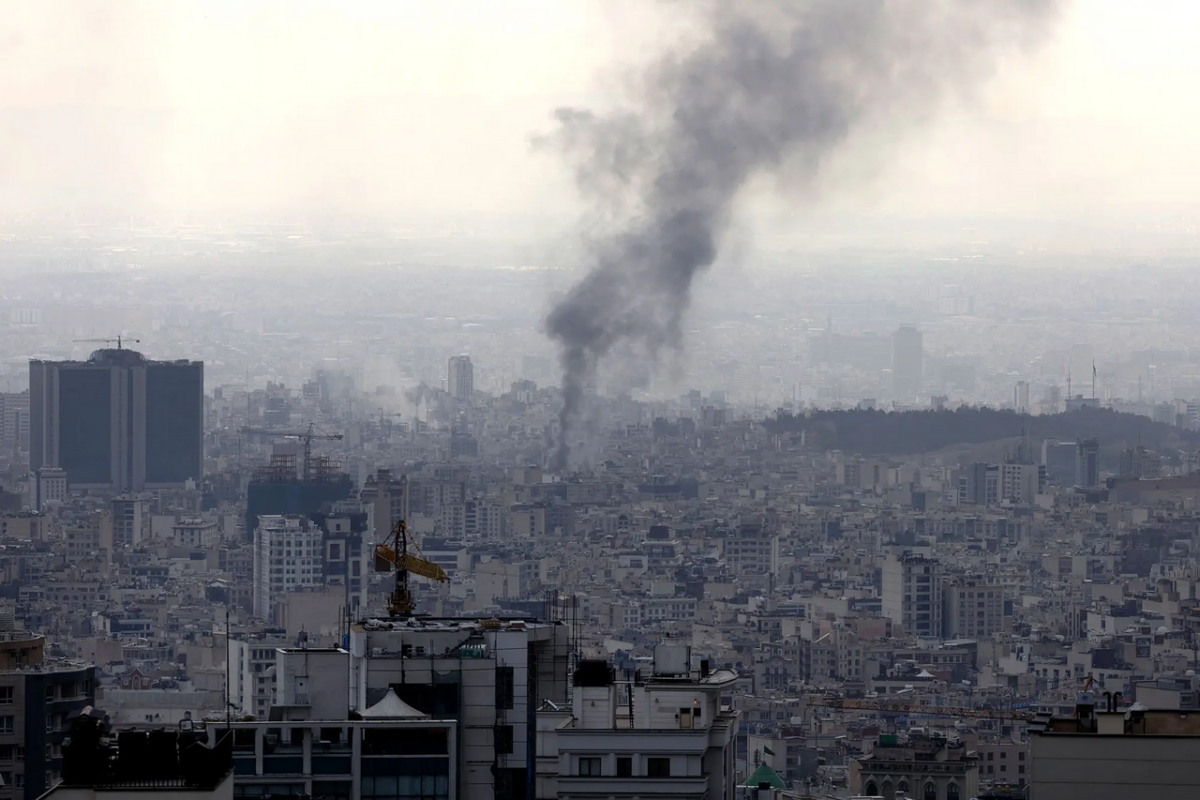
Mojtaba Khamenei’s election as Iran’s new supreme leader signals a hardline turn, stronger Revolutionary Guards, and rising risk of civil conflict. Experts warn his ascension marks the dynastisation of the Islamic Republic, exposing contradictions at the heart of the regime. “There is an alarming abundance of negative scenarios,” says Iranist Lenka Hrabalová.
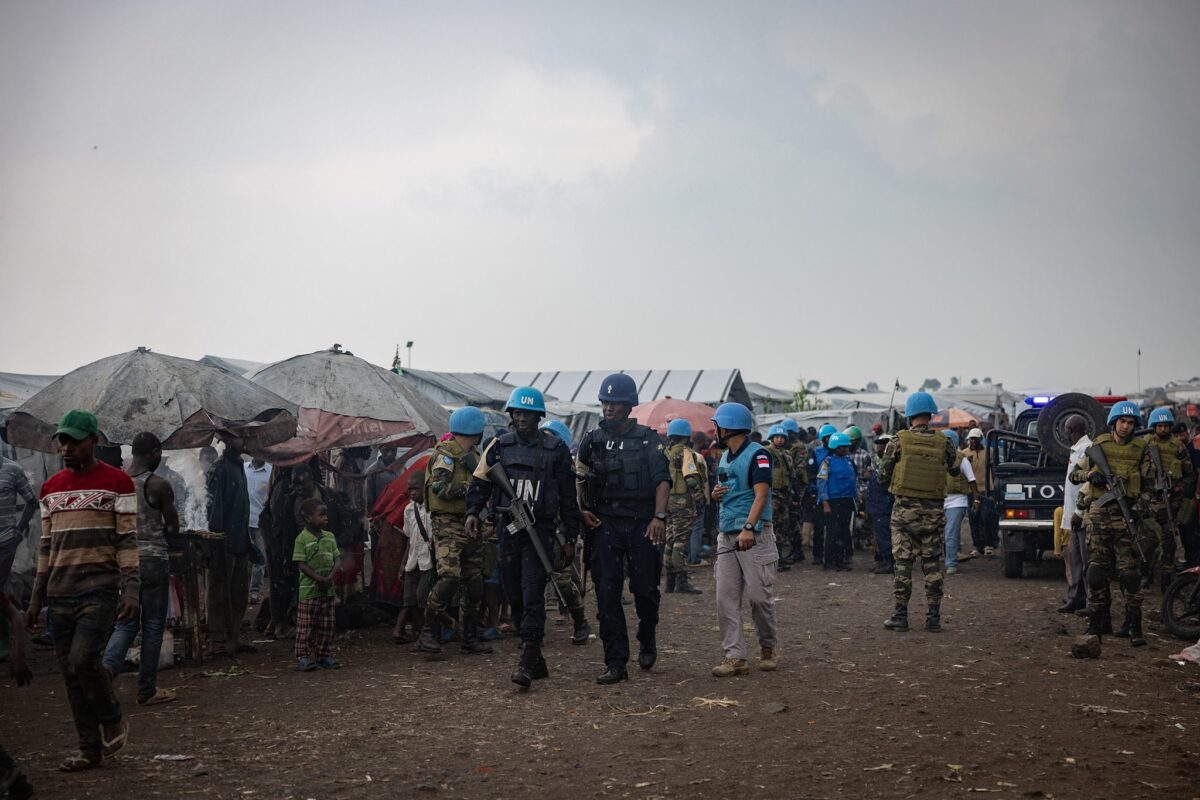
With EU foreign ministers ready to discuss possible sanctions on Rwanda at a meeting in Brussels next Monday, DR Congo communications minister Patrick Muyaya says the EU should match US sanctions over the eastern DR Congo invasion and reconsider its controversial minerals deal with Rwanda.
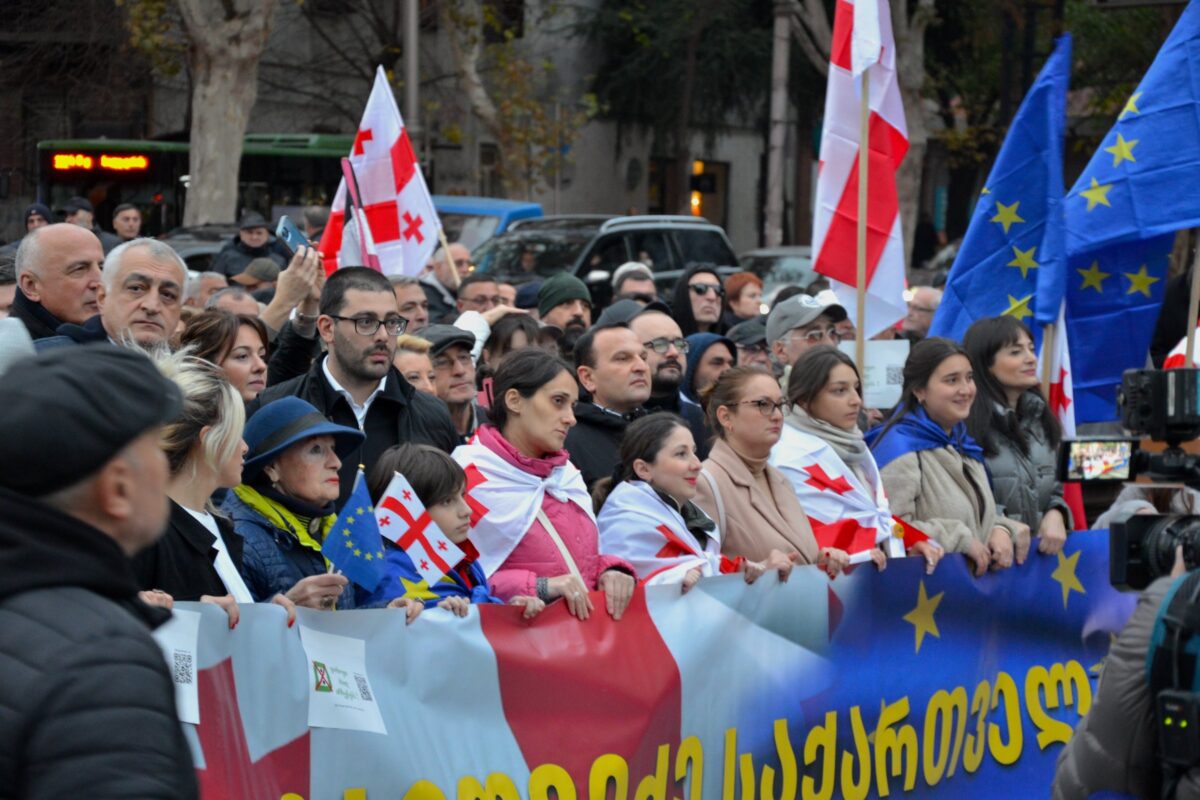
Recently, nine pro-Western opposition parties in Georgia signed an agreement to coordinate their efforts against the ruling party, Georgian Dream. For a country whose opposition has long been divided and distrustful, this is a significant development. The question now is whether the West will act in time to help them keep their country in the democratic world.
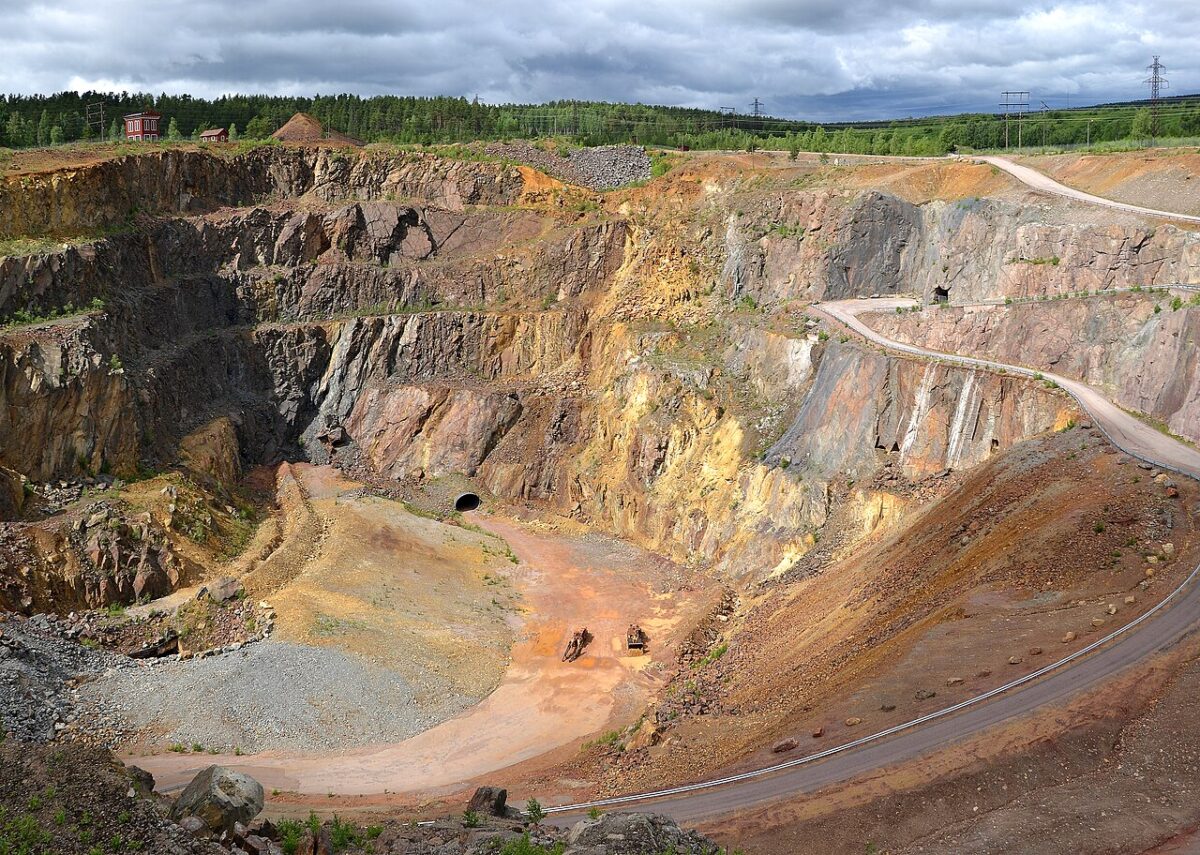
The EU’s key water law is under pressure amid intensified lobbying by the mining industry. DeSmog analysis shows sector meetings with EU officials tripled in the year before the European Commission pledged to “review and revise” the Water Framework Directive.



Geen opmerkingen:
Een reactie posten