Good morning.
Over the weekend, US president Donald Trump urged France to join his Iran war, while Ukrainian president Volodymyr Zelensky accused the EU of "blackmail" on Russian oil, highlighting the strong links between the two conflicts.
Trump said on Truth Social that France (and the UK) should escort international oil tankers through the Strait of Hormuz: “This should always have been a team effort, and now it will be".
Zelensky told the press in Kyiv he was facing EU pressure to repair a Russian pipeline feeding oil to the Kremlin-friendly Hungary, so that Hungary would lift its veto on a European loan for Ukraine's arms purchases.
"We either sell Russian oil or we don't. Because [the EU] are forcing me to restore Druzhba [the pipeline]," said Zelensky.
Trump's Iran attack has seen oil prices surge, helping Russia to fund its Ukraine war, which compounded Zelensky's frustration.
But I would be very surprised if France sent its warships into a clash with Iran to restore oil to world markets.
One French soldier was already killed in Iraq last Friday and France has some 300,000 expats living in the Middle East who are in harm's way.
Meanwhile, Trump's ugly rhetoric (he also said this weekend he might keep bombing Iran "just for fun"), as well as his unbounded aggression, make him an ever more toxic ally for European leaders with each passing day.
At the same time, the way Zelensky vented his anger risked playing into his enemy's hands.
He all but admitted Hungary's central accusation - that he was refusing to restore Druzhba for political rather than technical reasons - ahead of an EU summit this week that was meant to put Hungarian prime minster Viktor Orbán on the back foot.
And so I fear a worst-case scenario unfolding in the weeks and months ahead: Hormuz blocked, Russia enriched, EU aid to Ukraine blocked, fraying transatlantic ties, and Euro-Ukrainian relations tested to breaking point.
Andrew Rettman, foreign-affairs editor
What else you need to know
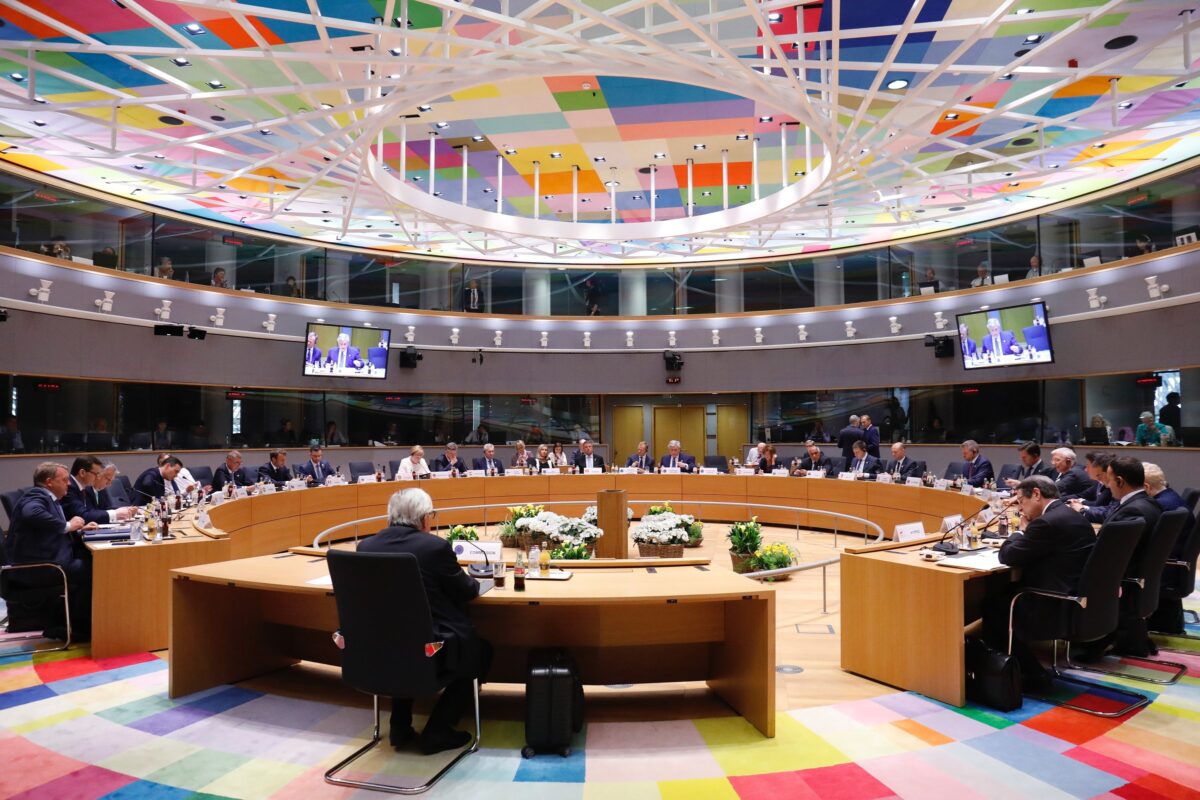
All 27 EU leaders meet on Thursday in Brussels to discuss Ukraine support, energy prices, security risks from the Iran war and competitiveness. At the start of the week, foreign affairs ministers will address Iran sanctions, maritime security and Lebanon. Also this week, the EU commission will unveil its “EU Inc” proposal, while MEPs are expected to finally vote on the US-EU trade deal from July. Slovenia has national elections on Sunday.
We spoke with president Volodymyr Zelensky’s adviser about how he sees the dispute over the Druzhba pipeline, what motivated Russia to attack the pumping station in Brody; why Robert Fico and Viktor Orbán are so obsessed with buying Russian energy, why there should be far more attacks on Russian tankers, and the impact of the war against Iran on developments in Ukraine.
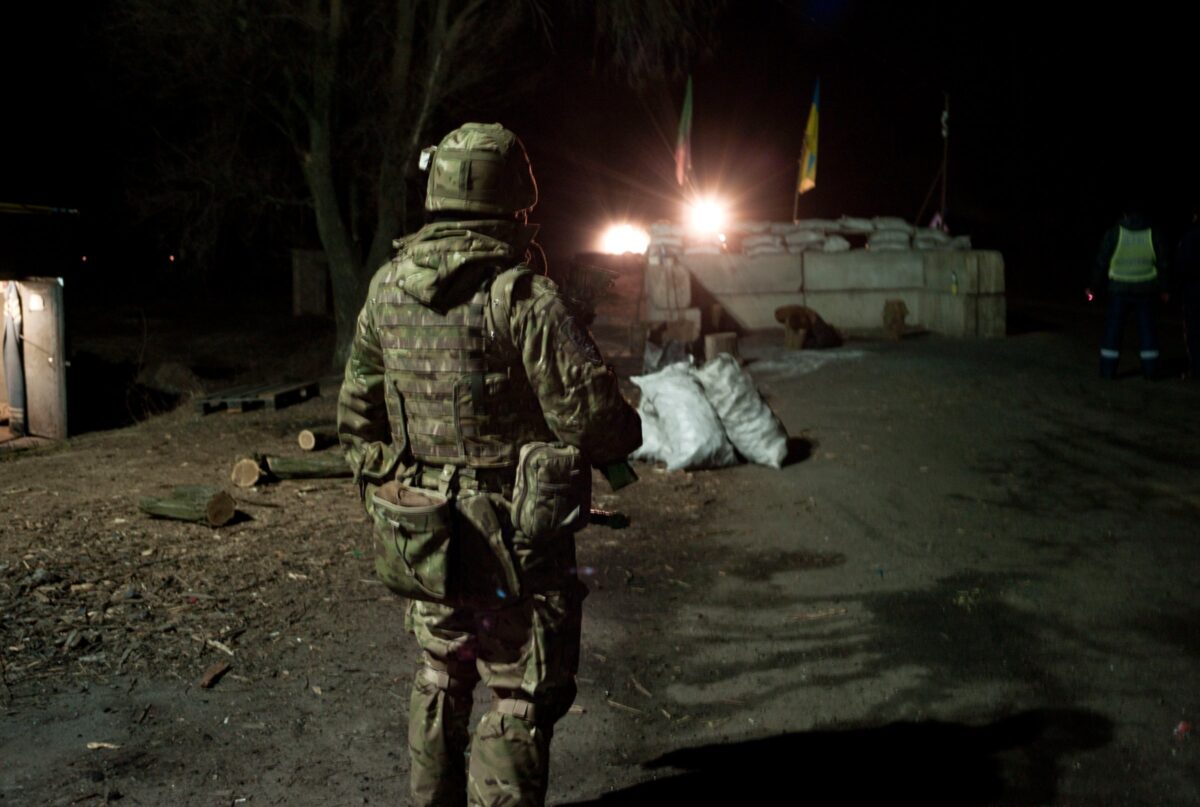
Amid concerns about waning US aid and shortages of air‑defence systems for Ukraine linked to the Iran war, there are expected to be renewed calls during Monday’s foreign affairs council meeting for increased bilateral military support for Kyiv alongside the stalled €90bn in EU funding that Hungary is currently blocking.
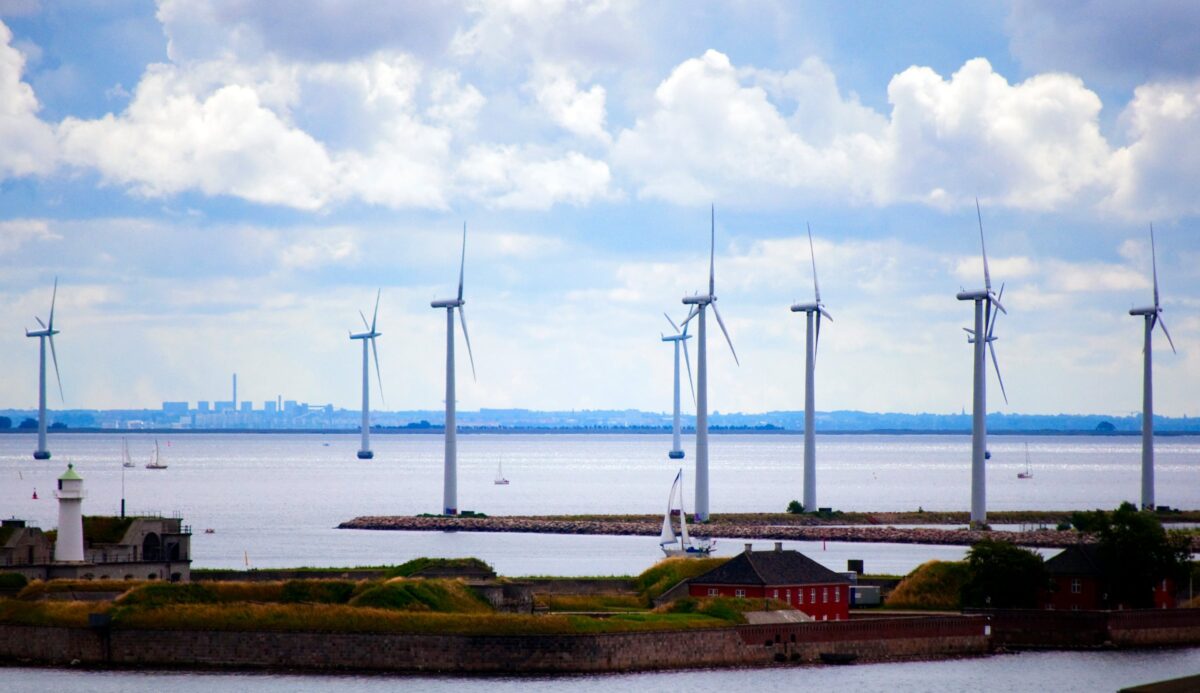
As European energy ministers meet on Monday (16 March) to discuss Europe’s new Energy Package, the continent faces a strategic choice. At a time of renewed geopolitical instability, with the illegal war in the Middle East that is shaking global energy markets, we must use the Green Deal to strengthen competitiveness, boost energy sovereignty and affordability, and lead in the industries of the future, write the Socialists & Democrats.
Plastic products in the EU could soon be labelled “recycled” — even when they contain barely any recycled material. A new definition backed by most member states allows plastics with as little as 2.5 percent waste-derived content. Critics warn that the rule relies on accounting tricks that may mask fossil-based plastic production.
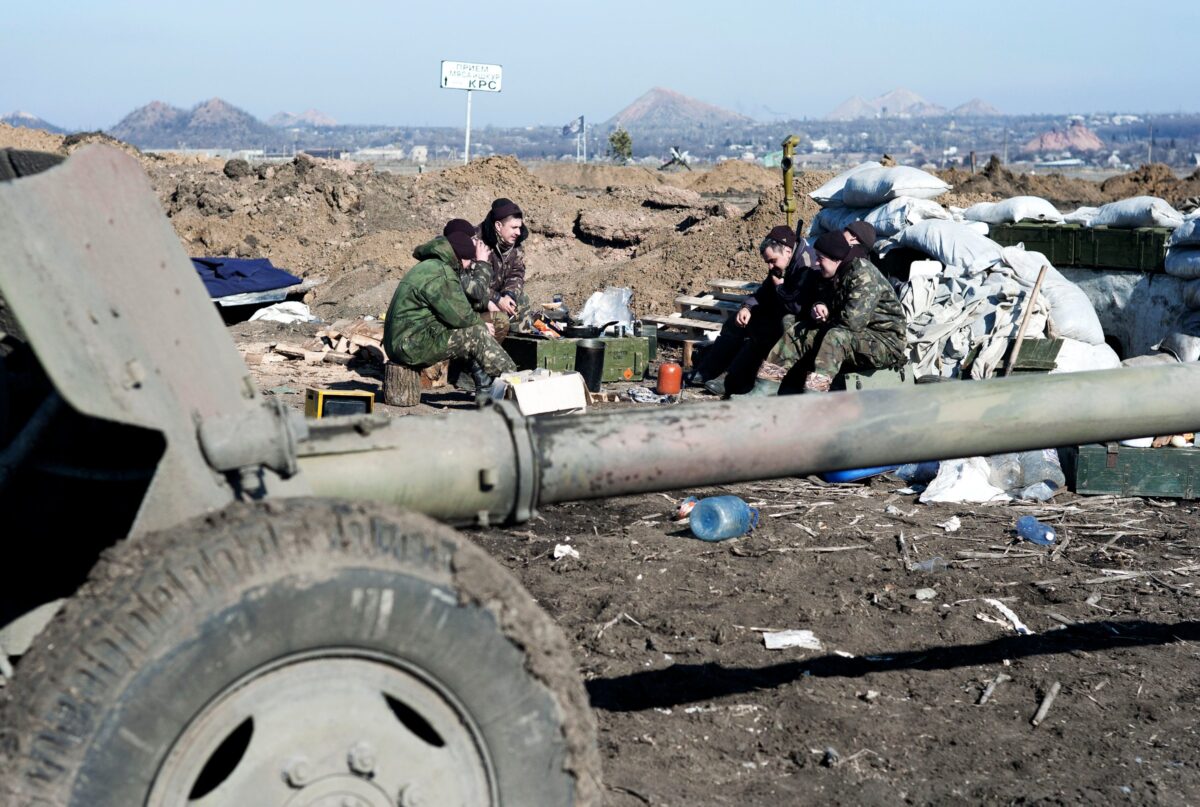
Ukraine managed to cut off the Russians from the US Starlink satellite system and increased drone attacks against Russia’s rear positions.

The EU restricts biometric surveillance at home – but its landmark AI Act does nothing to prevent European companies from exporting the same technology abroad.
A court ruling has just ordered the city of Madrid to create a registry of doctors in the region who refuse to perform abortion procedures. Are there still many of these conscientious objectors in Spain and across Europe?




Geen opmerkingen:
Een reactie posten