Having trouble viewing this email? Read it on the web.
| Image caption: Workers dismantling a ship without adequate protective equipment in Chattogram Bangladesh. © 2023 Anukta |
|
|
|
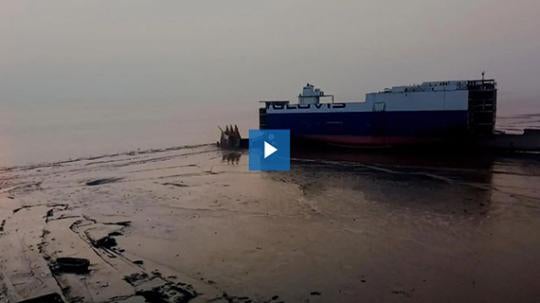
Scrapping Toxic Ships on Bangladesh's BeachesEuropean shipping companies are knowingly dumping their old ships for scrap on Bangladesh’s beaches, where workers dismantle them under dangerous and polluting conditions. Since 2020, approximately 20,000 Bangladeshi workers have ripped apart more than 520 ships on the country’s beaches, far more tonnage than in any other country. A new report by Human Rights Watch and NGO Shipbreaking Platform reveals an entire network used by shipowners to circumvent international regulations prohibiting the scrapping of ships in places without adequate environmental or labor protection. Treacherous Work The International Labour Organization has described shipbreaking as one of the most dangerous jobs in the world. In Bangladesh, the life expectancy for men in the shipbreaking industry is 20 years lower than the average. It’s clear why. Workers told Human Rights Watch how their legs were cut off by falling iron, how they fell from multiple stories, or were trapped inside a ship when it caught fire or pipes exploded. They described using their own socks as gloves to avoid burning their hands as they cut through molten steel, wrapping their shirts around their mouths to avoid inhaling toxic fumes. Ships contain toxic materials such as asbestos, heavy metals, and oil. A 2017 study found that more than one third of shipbreaking workers surveyed suffered health complications from asbestos exposure. |
| WATCH: Shipping Companies Profit at the Expense of Bangladeshi Lives and the Environment |
|
|
|
Workers interviewed said they are often denied breaks or sick leave, even when they are injured on the job, in violation of Bangladesh labor laws. Most shipbreaking workers are paid a fraction of what they are legally entitled to. Workers are rarely given formal contracts, which means yard owners can cover up worker deaths and injuries – in some cases denying that a worker who died on the job had ever worked there. Shockingly, at least 13 percent of Bangladesh’s shipbreaking workforce are estimated to be children. Toxic Beaches The ships are taken apart directly on the beach, with toxic waste dumped into the sand and sea. But ship recycling doesn’t have to be this dangerous or environmentally damaging. There are dozens of ship recycling yards, primarily in Europe, that safely recycle ships using environmentally sustainable practices. But sustainable alternatives cost more. But this cost should be paid by the shipping industry – not the people and environment of Bangladesh. Read More |
| The European Union and its members have backtracked on their support for continued international scrutiny of the human rights situation in Ethiopia, a devastating blow to victims of numerous atrocities. Read More |
|
| With the Modi government’s Olympics bid, the International Olympic Committee has a key opportunity to press for rights reforms in India, including stopping the abuse of athletes and the targeting of journalists. Read More |
|
| Every year, Canadian authorities detain thousands of people in immigration detention, including refugee claimants, children, and people with disabilities. But there is hope. Read More |
|
The Weekly QuizWant to test your human rights knowledge? Take our quiz and see how you stack up. Find It Here |







Geen opmerkingen:
Een reactie posten