Good morning.
Ukraine marks four years today since Russia’s full-scale invasion on 24 February 2022.
I still remember that day clearly — hours spent scrolling through social media, videos, and breaking news, barely able to process the flood of information coming in.
For weeks, our morning editorials had been focusing on the same questions: whether Vladimir Putin would actually invade, when it could happen, and how it would unfold.
That day, I couldn’t stop thinking about the Ukrainians and Russians I had met years before in my life, and wondered how ordinary people on both sides were facing a war and caught up in the middle of history beyond their control.
On 24 February 2022 at 6 AM, we published a story written by my colleague Andrew Rettman, compiling the reactions of EU leaders. That was only the first of many for the day.
Back then, the EU was in a hurry to have its first sanctions proposal, targeting some of Russia’s most prominent TV personalities, as well as several Kremlin cronies.
Four years on, the 20th such sanctions package is being carefully negotiated, with sweat and tears, amid drama from Moscow-friendly Hungary and Slovakia, who are determined to keep Russian energy flowing.
Four years in, the conflict has hardened into what experts and journalists on the ground say is a war of attrition — fought in trenches and waged by drones.
Ukraine now faces immense military and fiscal pressure, and increased calls to accept a freeze of the conflict lines, territorial concessions, or some other face-saving off-ramp for Putin.
These have also been four years of geopolitical awakening for European countries, and a reminder thatearly warnings alone weren’t enough to prevent war.
Whatever comes next, this war has already reshaped Europe. Joint arms procurement, energy diversification, and creatively bypassing Hungarian vetoes would have been unthinkable in early 2022.
But Europe’s awakening has come at the price of immense human suffering in Ukraine.
Despite it all, Ukraine’s EU ambassador Vsevolod Chentsov told me in an interview that morale in the country has not collapsed.
“Physically, psychologically, definitely everyone is tired,” he said. “But it doesn’t mean that we are ready to give up. Putin underestimated, again, the resilience of the Ukrainian people.”
“The danger is that this war is accepted as something normal,” he warned. “Whatever they say about excuses and reasons — about historical truth, their understanding of reality, or being offended by Nato 30 years ago — sorry, it’s bullshit”.
Elena Sánchez Nicolás, editor-in-chief
In case you missed it
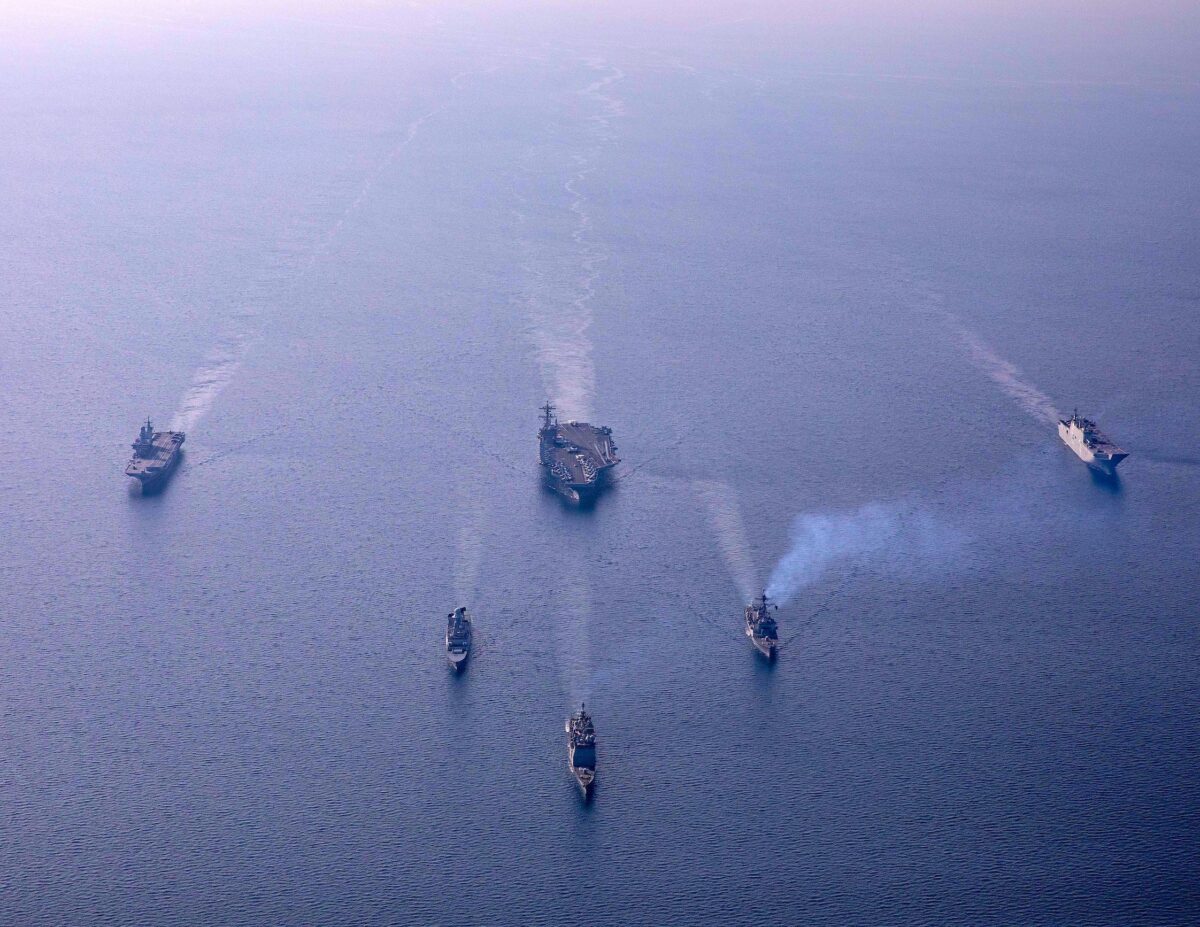
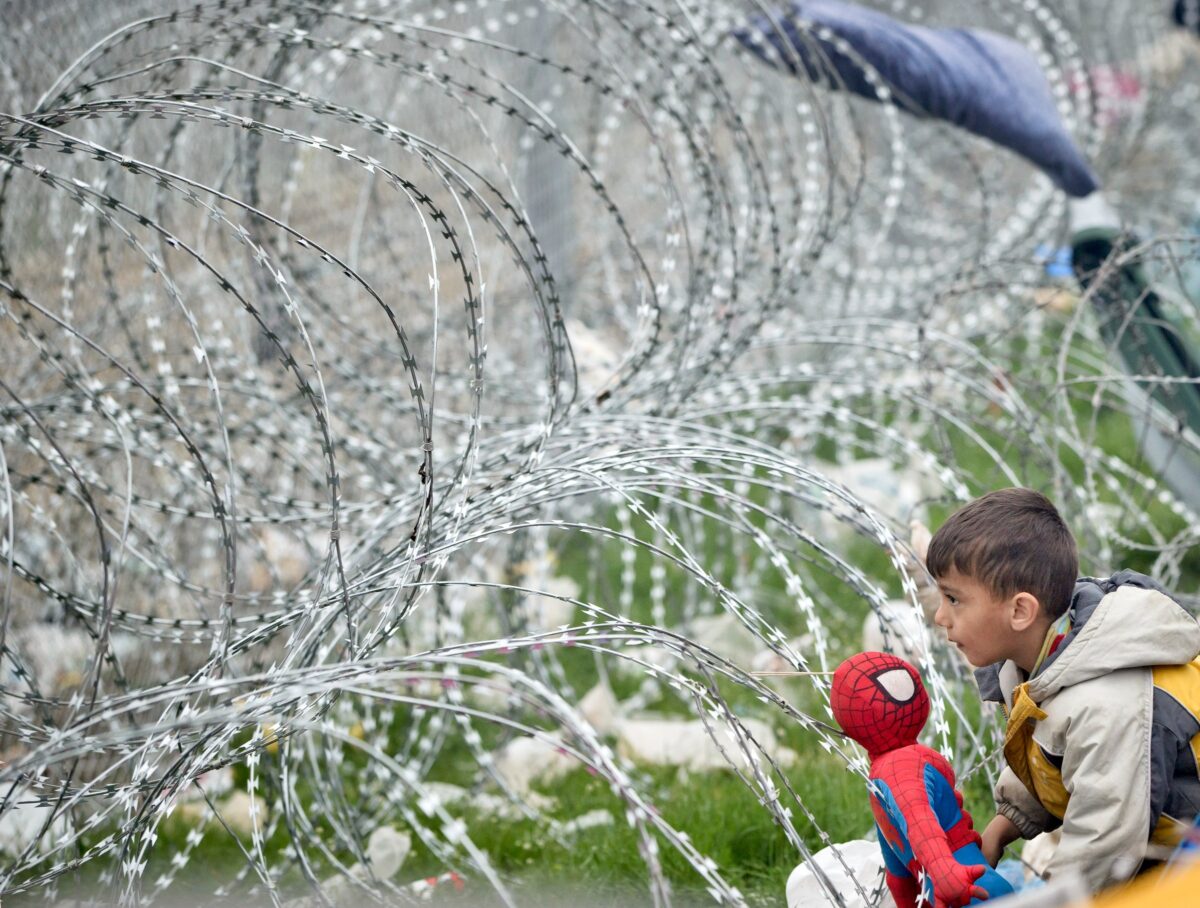
Iran’s population today exceeds 93 million— and is hosts six million Afghan refugees.
In the event of regional war, both Iranians and displaced Afghans would inevitably seek routes toward Europe.
Fourth-anniversary Russian sanctions, plans for Gaza under Donald Trump’s Board of Peace, Friedrich Merz in China, and domestic EU curbs on firearms are all on the table this week.
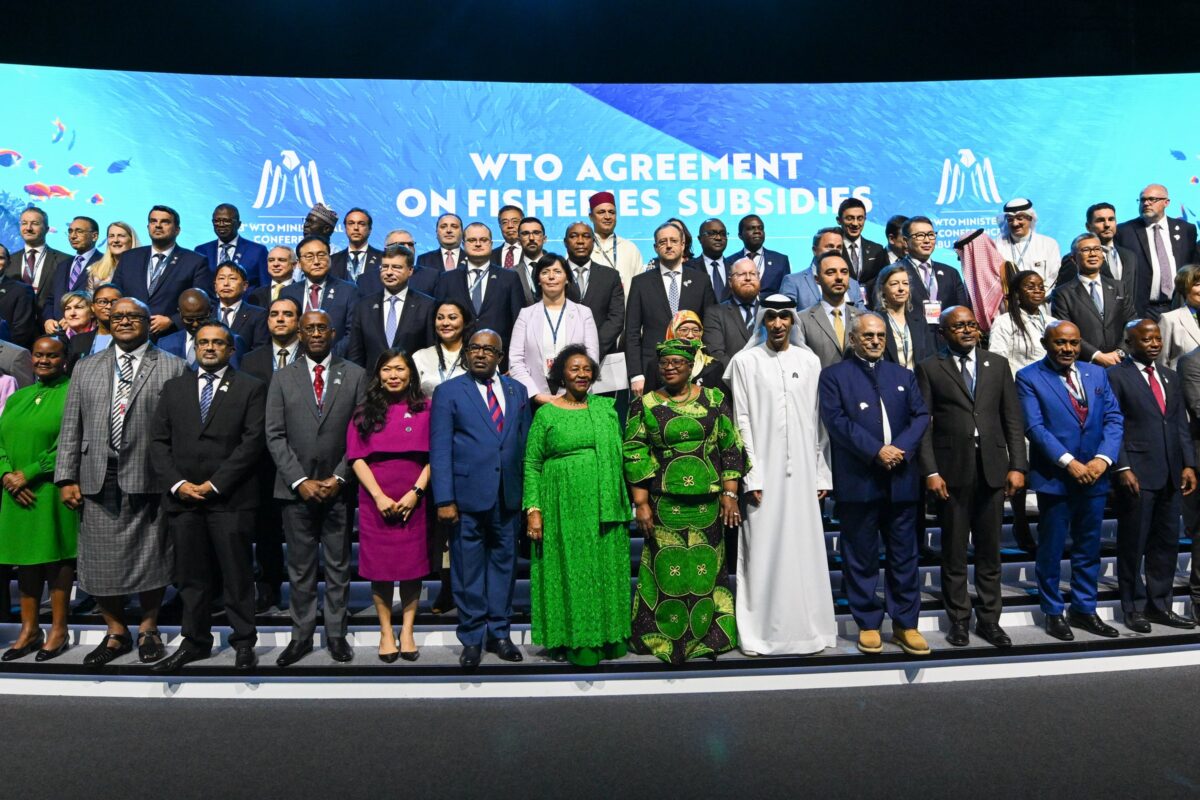
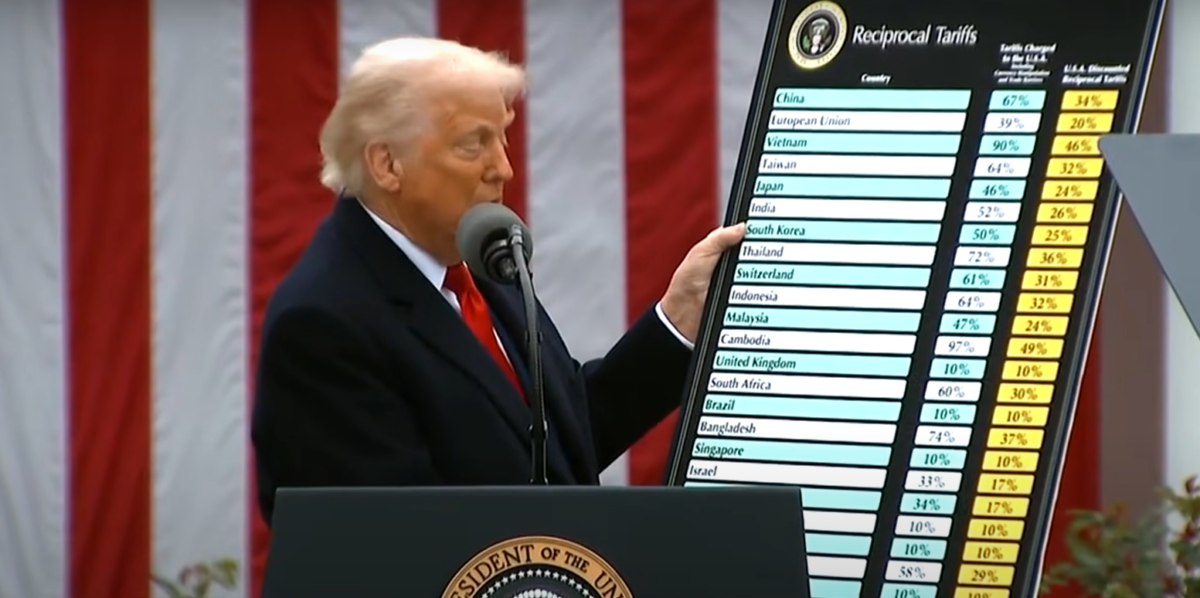
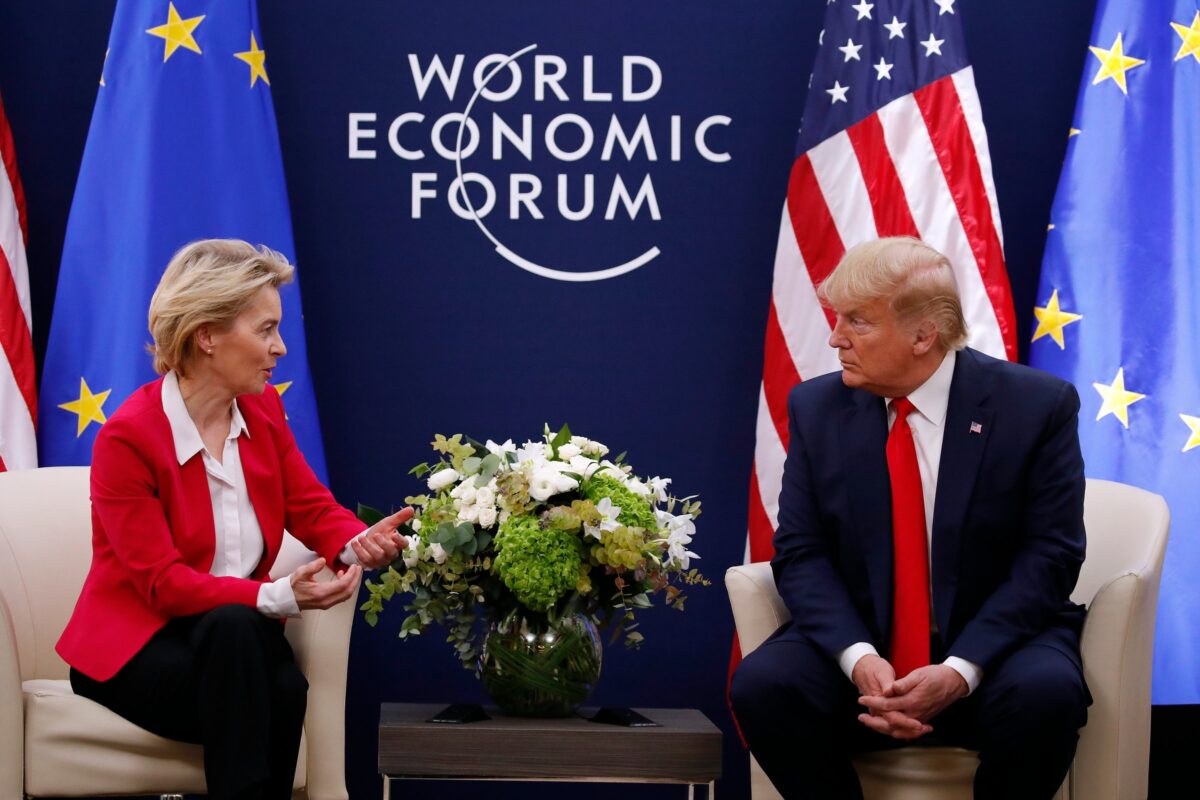
The EU and US are pushing for reform of the WTO’s most favoured nation principle which is supposed to offer tariff and quota free trade.
“We aim to work from the political centre and build constructive, workable compromises,” said the office of Malik Azmani, a Dutch liberal from the Renew Europe faction, who is leading talks on the bill.

Many EU member states are working on social media bans individually, before any EU-wide measure — but is banning social media, only for kids, and one country at a time, the best move?
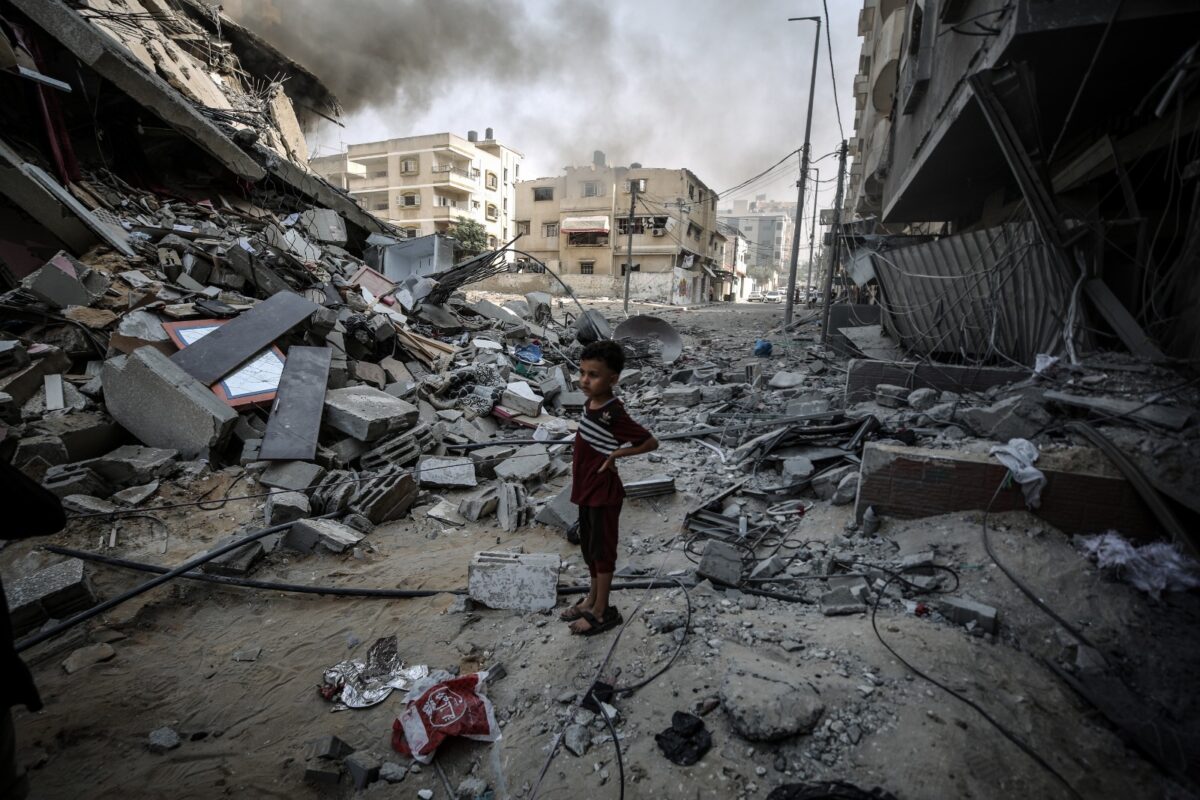
The European Commission says their presence at Donald Trump’s Board of Peace is needed because they have invested heavily in Gaza – despite reported objections from France and Spain.
Viktor Orbán has also pledged, in his annual address earlier this month, to “clear out” after the April elections media and civil society organisations deemed to threaten “sovereignty.” Fidesz already directly or indirectly control 80 percent of Hungary’s media.
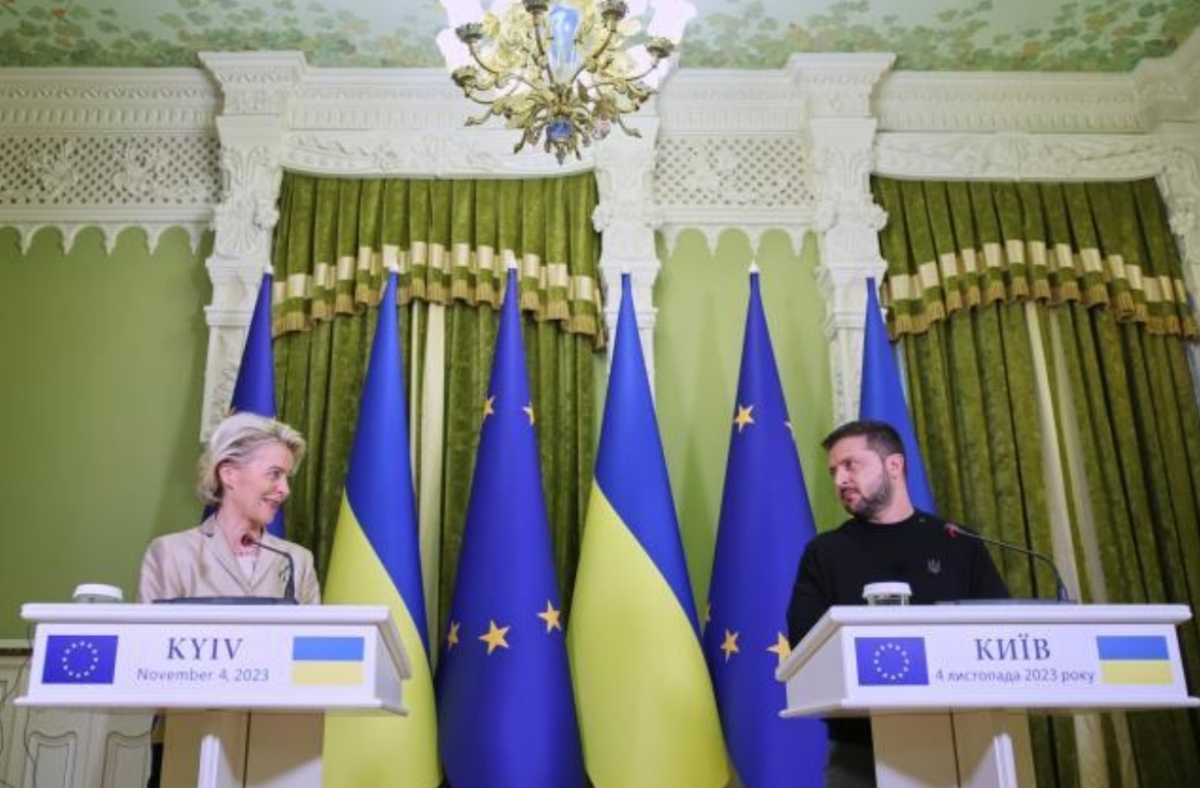
The idea of a fast-tracked Ukraine accession to the EU, as early as 2027, is gaining ground in Brussels. But urgency must not come at the expense of principle. The greater risk today is not moving too fast but moving halfway, warns the European Policy Centre.
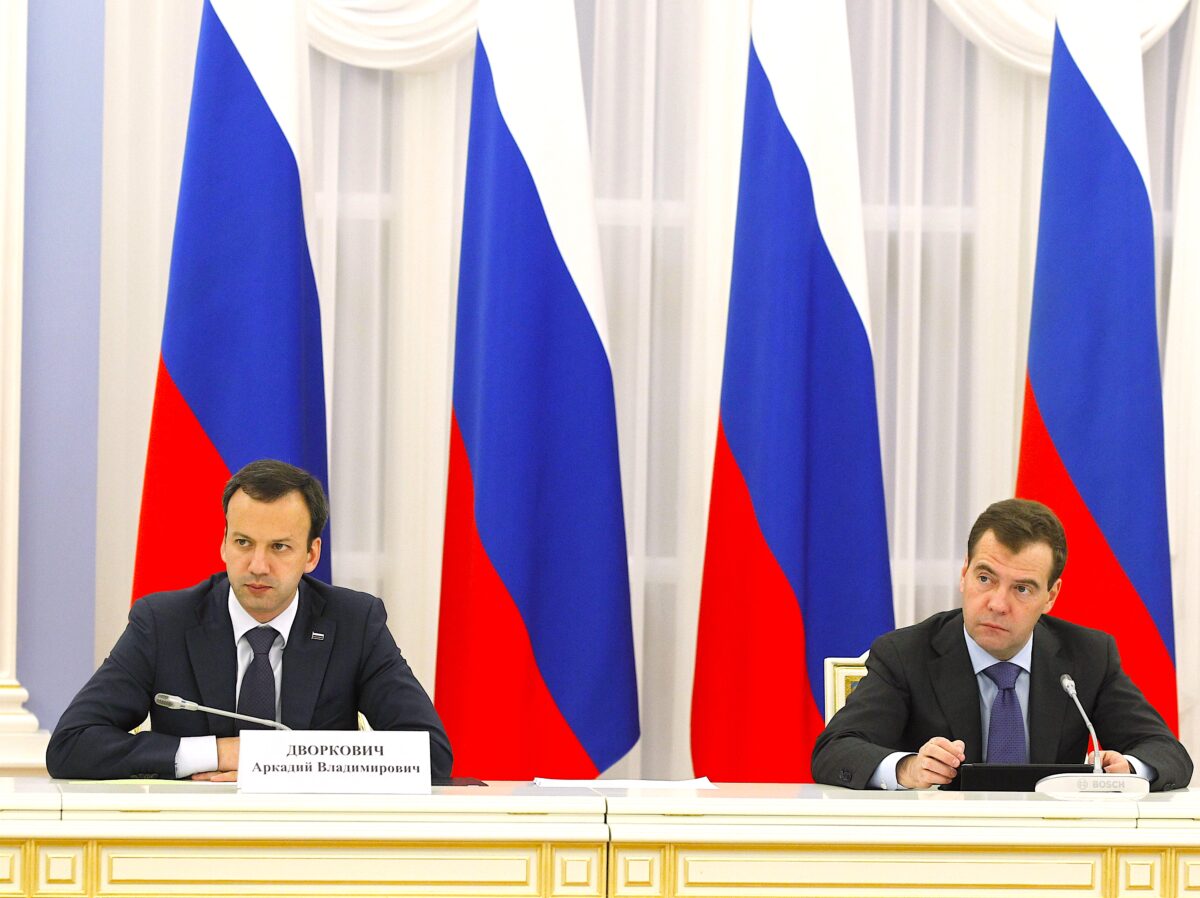
The Russian president of the international chess federation, Arkady Dvorkovich, might be forced out of his role at a showdown in Samarkand — especially if he was to face an EU visa-ban.



Geen opmerkingen:
Een reactie posten