Good morning.
A growing number of European capitals are turning against the EU’s most powerful and effective climate policy.
Italian minister for enterprise Adolfo Urso said ahead of a Brussels council meeting on Thursday that “all were aware” that the Emission Trading System (ETS) mechanism needed a “radical revision.”
He also called for the system to be “suspended, pending reform.”
Urso was one of the signatories of a joint letter circulated a day earlier, signed by 13 countries calling for the ETS to be revised to “support competitiveness.”
Germany’s Katherina Reiche, who spearheaded the letter, said that the ETS benchmarks “are impossible to meet” and “will drive the chemical industry out of the country. We cannot allow that.”
The bloc’s ETS charges companies for their carbon emissions. Under current plans, the supply of free pollution permits ends by 2034. The idea of the 2005 scheme is to gradually increase the cost of polluting products while making greener products more attractive. Tata Steel’s sustainability chief recently warned the Dutch prime minister that revising the system now would “put pressure” on companies that have already invested in sustainability.
But Cefic, Europe’s powerful chemical lobby, has campaigned relentlessly to weaken the system.
EU commission president Ursula von der Leyen and climate commissioner Wopke Hoekstra offered a full-throated defence of the system at the recent leaders retreat in Antwerp, but national capitals increasingly are listening.
Sweden’s deputy prime minister, Ebba Busch, however offered a different view: polluting companies “had years to make necessary changes, but they decided not to and now they want the EU to come save them,” she said. “Well, that’s just lazy.”
The commission plans to put forward the ETS revision in the third quarter of this year.
Wester van Gaal, economy editor
What else you need to know
Member states can use EU funds to finance safe and legal abortions, on a voluntary basis, the European Commission confirmed on Thursday.

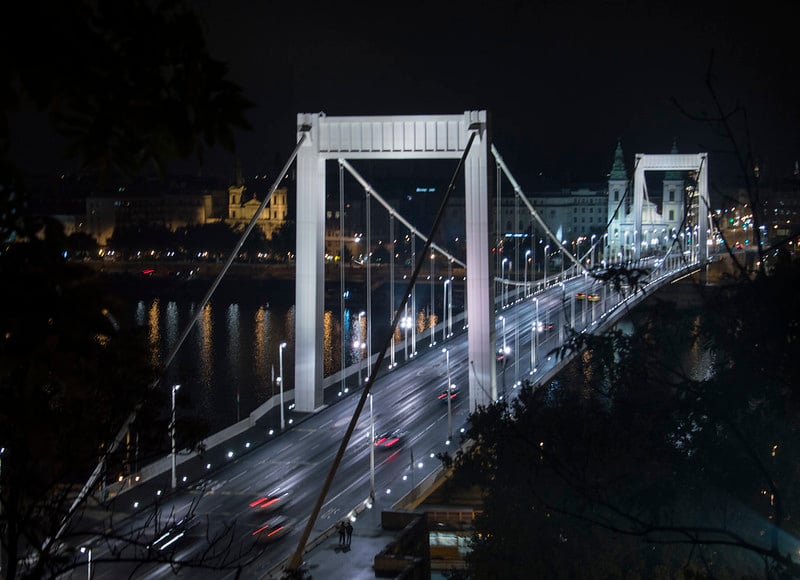
In our regular digest of the week’s news from the Hungarian campaign trail: conflicting opinion polls, soldiers on the streets (due to the Ukrainian ‘threat’), and a simple ‘how-to’ guide to the voting process.
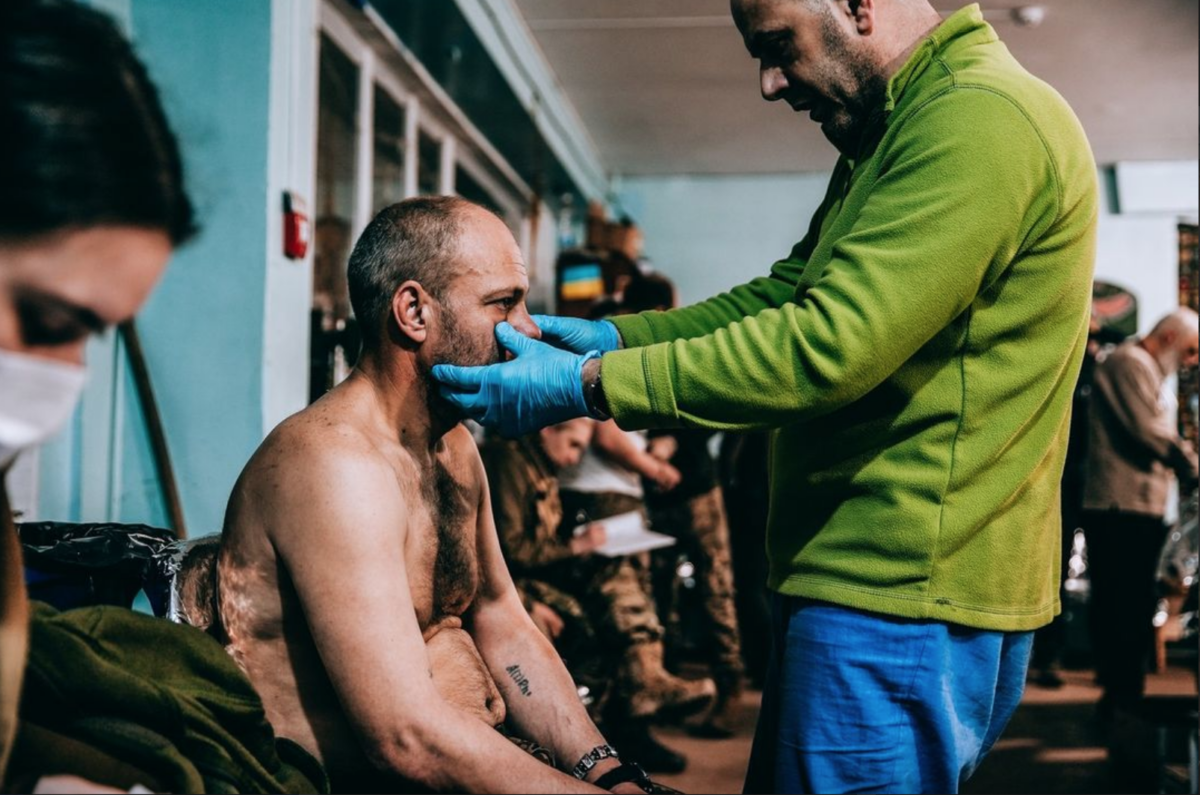
Since World War II, no other country has had as large a proportion of its population serve on the frontlines as Ukraine. Could psychedelic-assisted therapy help in their return to civilian life?
‘We are not yet seeing the waves of redundancies that are feared’, European Central Bank chief Christine Lagarde said, but stressed Europe was benefitting for AI-productivity gains on a par with the US and China.

A new report suggests Europe has entered a new phase, whereby critical voices are increasingly silenced by authoritarian-leaning governments spanning Hungary to Russia and Turkey.
In Spain, a small group of people who identify spiritually as animals, called Therians, has caused a big stir online. Few actually showed up to rallies, but social media made them seem much larger, turning a playful subculture into a surprising political talking point.
In case you missed it
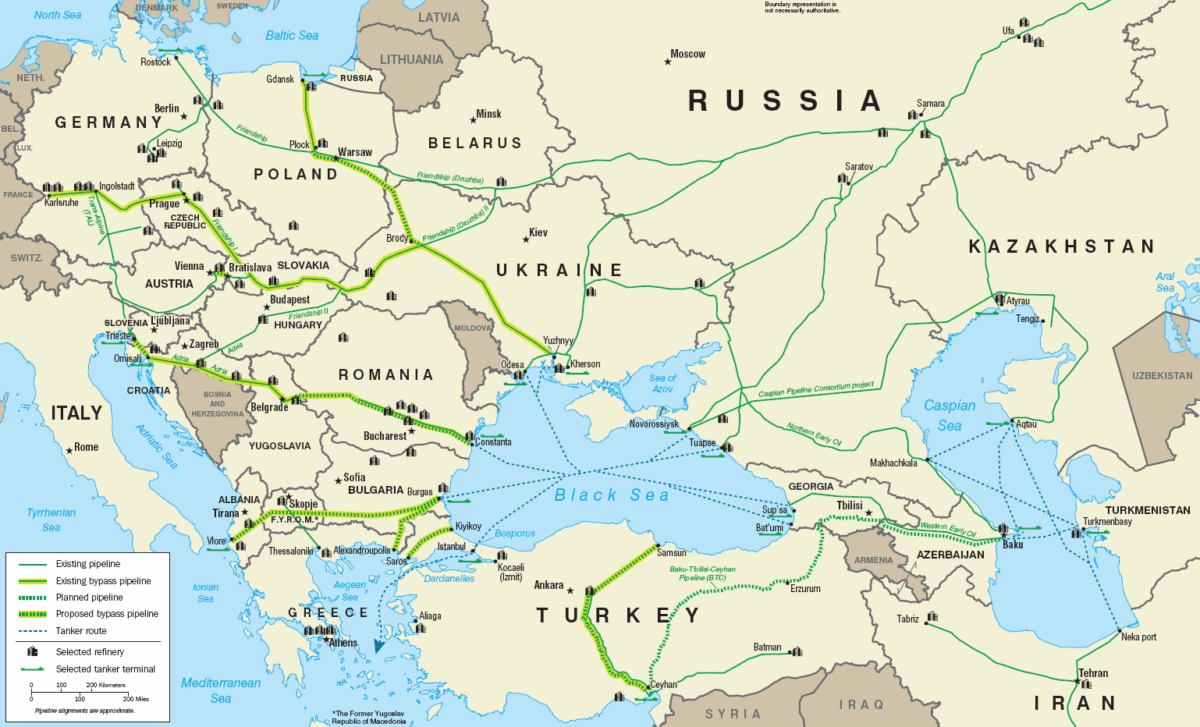
Russian oil via the Druzhba pipeline has halted, sparking tensions between Slovakia, Hungary and Ukraine, although Brussels says supplies remain stable. In contrast, Kyiv builds cyber ties with other EU countries while Baltic states bolster border defences.
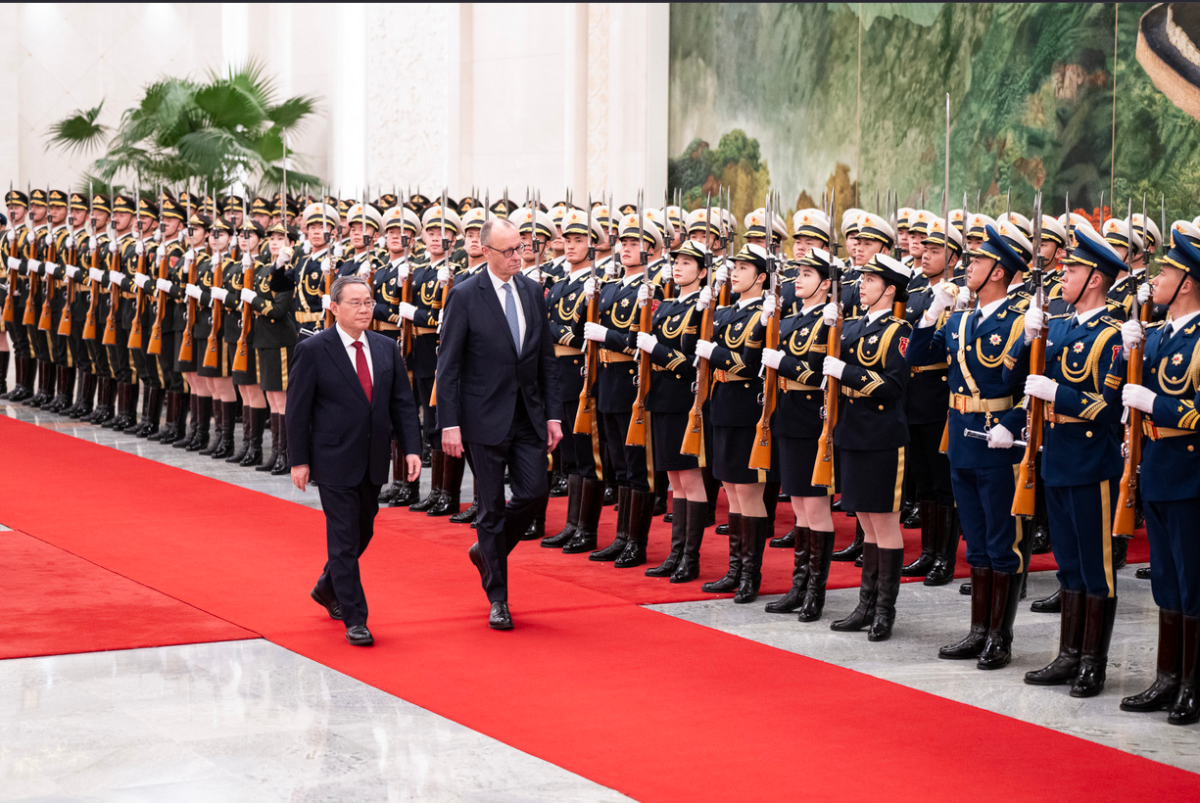
Despite soaring trade imbalances and EU pressure, German chancellor Friedrich Merz stressed the need to fortify diplomatic and economic relations with China on his first Beijing visit.
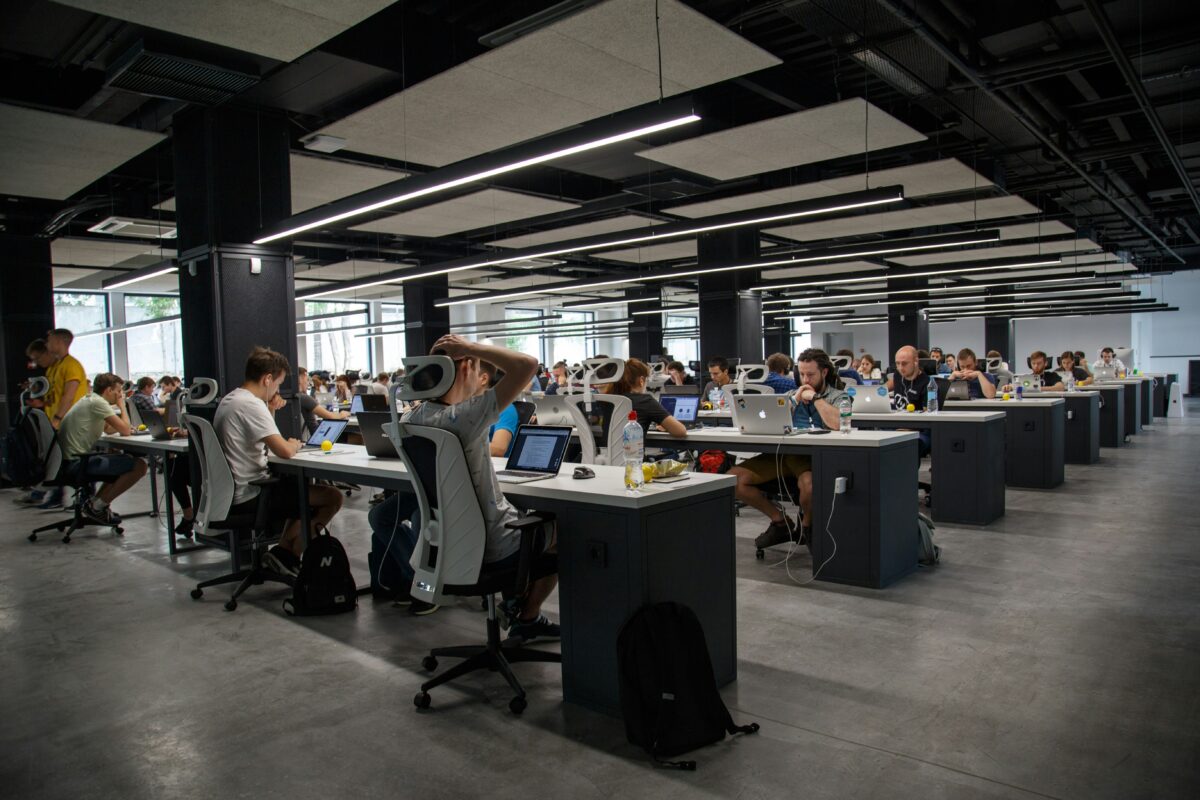
Brussels’ drive to cut digital “burdens” is spilling into labour law. A recent paper by lobby group BusinessEurope calls for a sweeping “labour market omnibus” to reduce obligations under EU social law, raising fears that competitiveness rhetoric could undermine workers’ rights and weaken Europe’s social model.
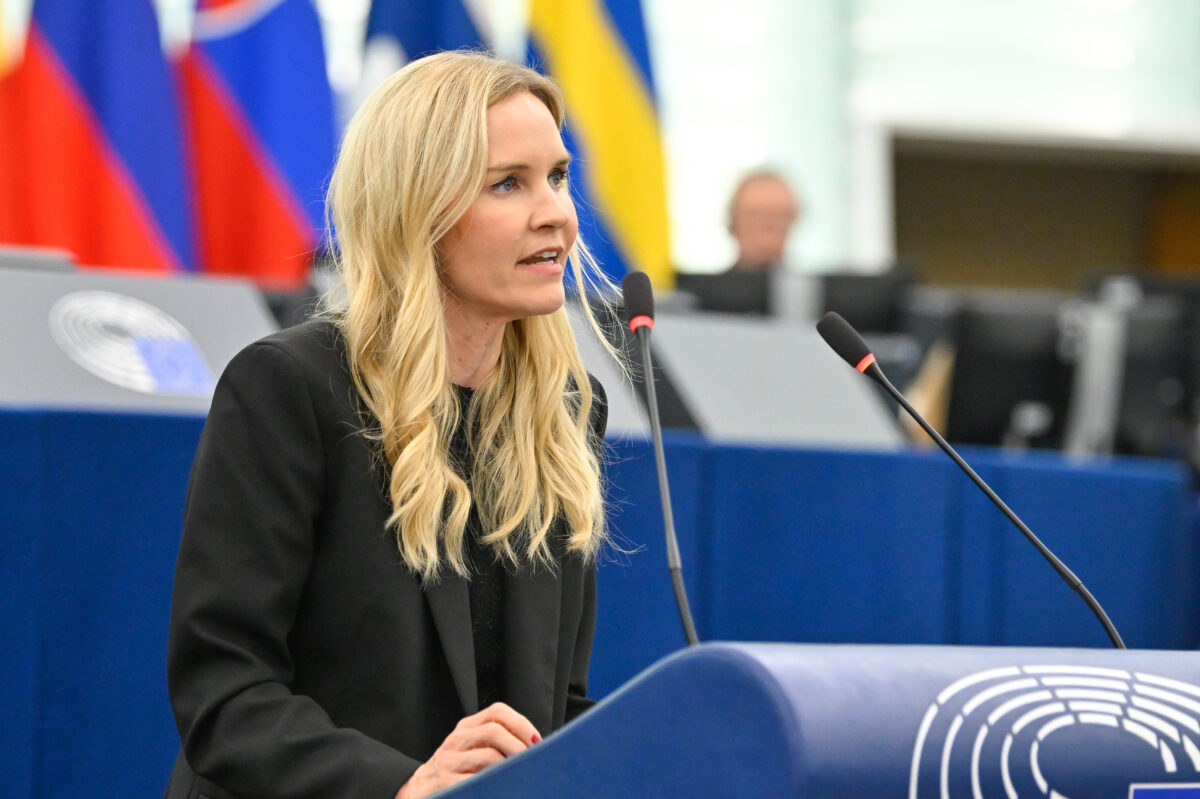
The open letter on Wednesday from NGOs Corporate Europe Observatory, Transparency International and five other organisations argues Finnish centre-right MEP Aura Salla’s ties to Meta constitute an irreconcilable conflict of interest in the digital file.
At the start of last year, all 27 EU member states were signed up to the Ottawa Convention, banning the use, production, stockpiling and transfer of anti-personnel mines. Now Estonia, Latvia, Lithuania, Poland and Finland have withdrawn — with silence from Brussels.
Hungary’s pro-Russian veto is being seen by diplomats as a temporary glitch, while other states passed a law anyway to loan money to Ukraine.
Incoming EU laws are helping to shield media from abusive lawsuits, but in the meantime EUobserver gives its top tips on how to survive a Slapp.
Spain’s move forces a harder conversation. Is it better to pretend half a million workers do not exist, or to regulate the reality already on the ground?



Geen opmerkingen:
Een reactie posten