Good morning.
As we wait for details of new Russia sanctions to leak, I was struck by a little announcement that the EU has launched a joint fire brigade.
The "rapid reaction force" is to have 300 firemen, drawn from 27 member states, be based at one site, and to be sent out to battle wildfires, according to EU climate commissioner, Wopke Hoekstra, speaking to press in Cyprus last Friday (6 February).
The usually break out in summer in the Mediterranean region, were the worst on record in 2025, killed 20 people, and are 13 times more likely today than in the pre-industrial history.
The announcement struck me, as the EU has also been talking about the creation of a joint "rapid reaction" military force for at least 25 years.
A force of 5,000 soldiers exists on paper since last May. It is designed to be sent to stop small crises in Europe's southern neighbourhood, such as North Africa or the Middle East, but has never been used.
Meanwhile, an informal coalition of some 10 EU countries is also pledging troops for a peacekeeping force to be sent to Ukraine if there is a ceasefire.
And there is more bombastic talk than ever of European "strategic autonomy", given the madcap antics of US president Donald Trump.
Banding together to save lives is what Europe should be doing in increasingly dangerous times.
In fact, I wish there were also "rapid reaction" EU police and medical emergency teams, which could be parachuted in to help with law-and-order or heath crises, whether in Europe or its neighbours.
But there are big differences in any such projects.
For one, fires are less political than conflicts - everybody agrees they should be fought, even if the far-right doesn't believe in climate change, or if a nationalist leader would hate to call for 'woke' EU help.
But will Europe ever be ready to decide unanimously which conflict or security crisis to deploy soldiers into?
Russia has threatened to shoot at Western peacekeepers in Ukraine and even Europe's coalition of the brave has been deemed pointless, unless there's a US backstop.
Meanwhile, it's still unknown where the Hoekstra's fire brigade will be based, or if it will be ready in time for summer 2026.
But for those who stopped believing in fairy tales of joint EU military forces long ago, the parachuting firemen might be as good as reality ever gets.
Andrew Rettman, foreign-affairs editor
What else you need to know
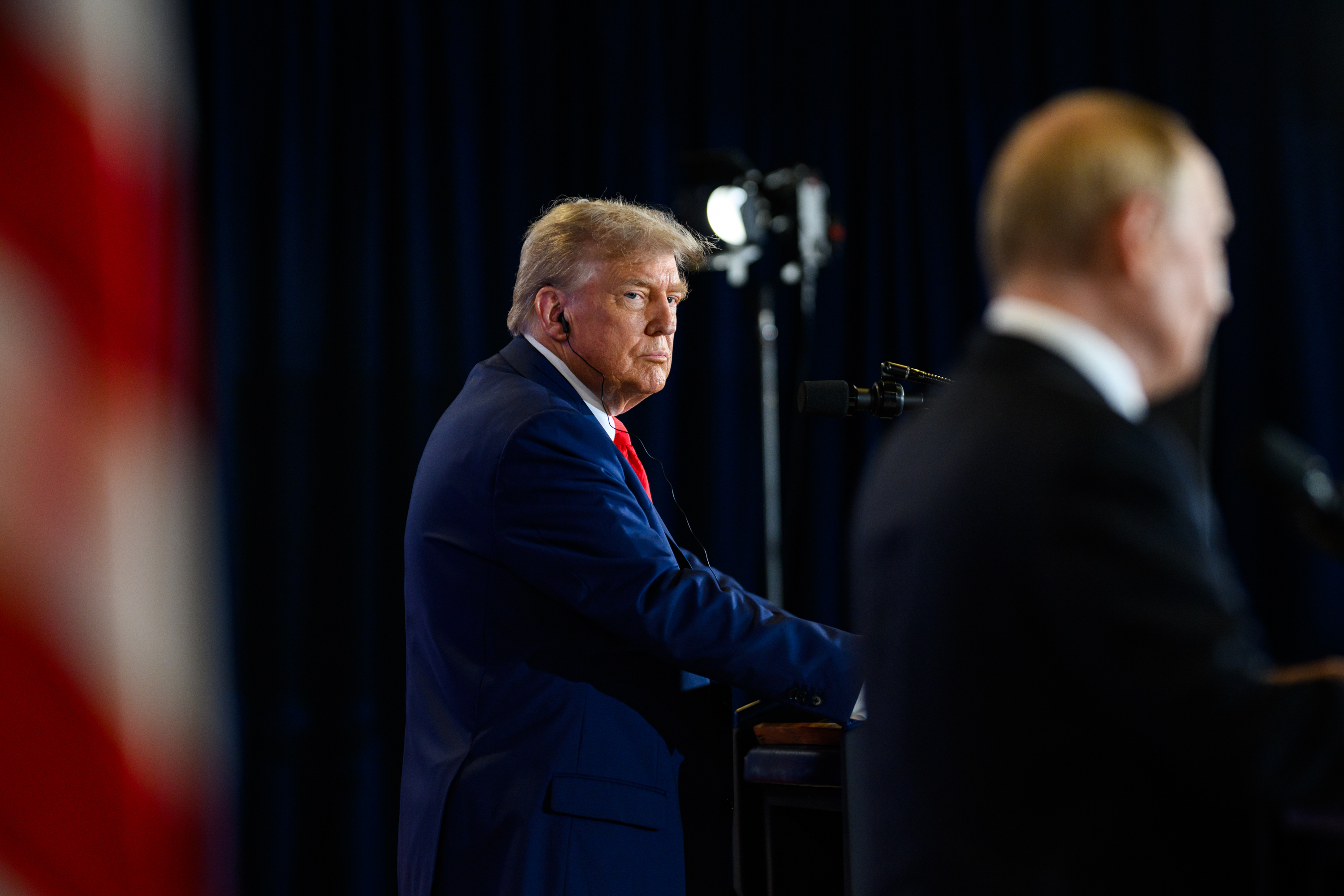
Any new US-Russia deal on strategic nuclear bombs would have mostly “symbolic” value, as France and Germany focus on tactical threats instead.
The European Commission preliminarily found TikTok in violation of the Digital Services Act on Friday, for breaching the EU’s addictive design rules — such as not adequately assessing addiction risk and implementing weak mitigation features
The European Commission has voiced opposition to Russia’s reinstatement in international football, following FIFA’s announcement that it is ready to lift the ban imposed in 2022 after Moscow’s invasion of Ukraine.
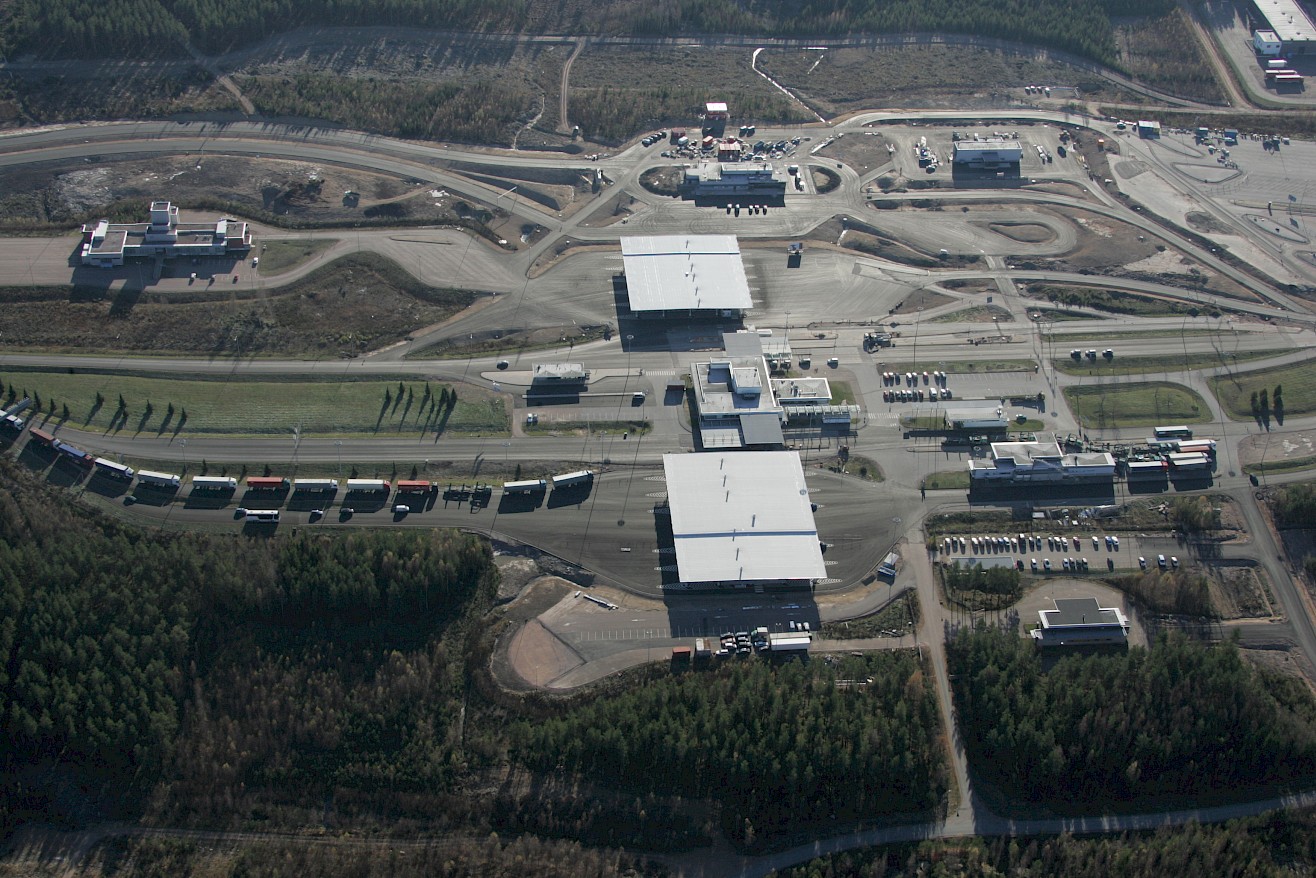
As the EU Commission implements its Preparedness Union Strategy announced in March 2025, Finland stands among the very few member states that have already operationalised what Brussels is still designing.
Are Europeans truly ready for a Russian threat? As Ukraine endures war and peace talks stall, Léa Marchal examines EU defence preparedness, spending gaps, and the warnings of President Zelensky. Is Europe acting fast enough? The short answer is no.
North African countries can drive a multi-billion euro increase in EU-Africa trade, IMF chief Kristalina Georgieva told a conference in Algiers.
Russia’s ‘Cosmos-2589’ satellite is one to watch for future spying on EU signals, after Moscow’s older model joined a “graveyard”.




Geen opmerkingen:
Een reactie posten