Good morning.
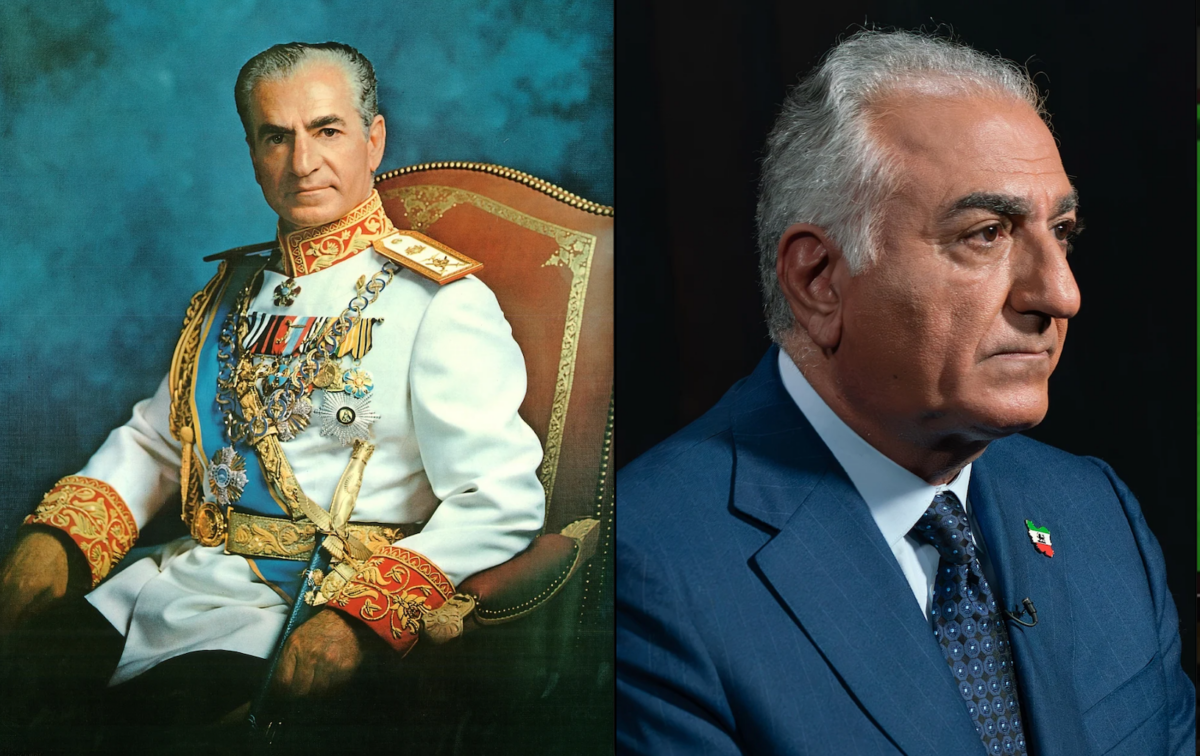
US and Israeli strikes on Iran have reopened the shadow of 1953 — when a CIA-MI6 operation reshaped the country’s future and still echoes today.
As Europe reacts to the latest escalation, this analysis asks whether history is repeating itself — and whether intervention once again risks backfiring.
No EU leaders backed the US strike killing Ali Khamenei, except far-right allies of Donald Trump. Most urged de-escalation.
European Commission president Ursula von der Leyen is convening an emergency meeting today, after backing regime change in Iran, saying a “credible transition is urgently needed”.
"We call for maximum restraint, protection of civilians and full respect of international law, including the principles of the United Nations charter, and international humanitarian law," EU chief diplomat Kaja Kallas said after an online crisis meeting with EU foreign affairs ministers on Sunday.
She also said the EU would take part in diplomatic efforts to reduce tensions and help find "a lasting solution" to prevent Iran from acquiring a nuclear weapon.
"The disruption of critical waterways, like the Strait of Hormuz, must be avoided," Kallas also said in the statement.
The Strait of Hormuz is critical to the global energy market, as about 30 percent of the world's crude oil shipments.
"The conflict unfolding in Iran, Israel, and across the Gulf is a test of whether Europe intends to shape the emerging order or merely observe its fragmentation," said Alain Berset from the non-EU Strasbourg-based Council of Europe.
EUobserver
What else you need to know
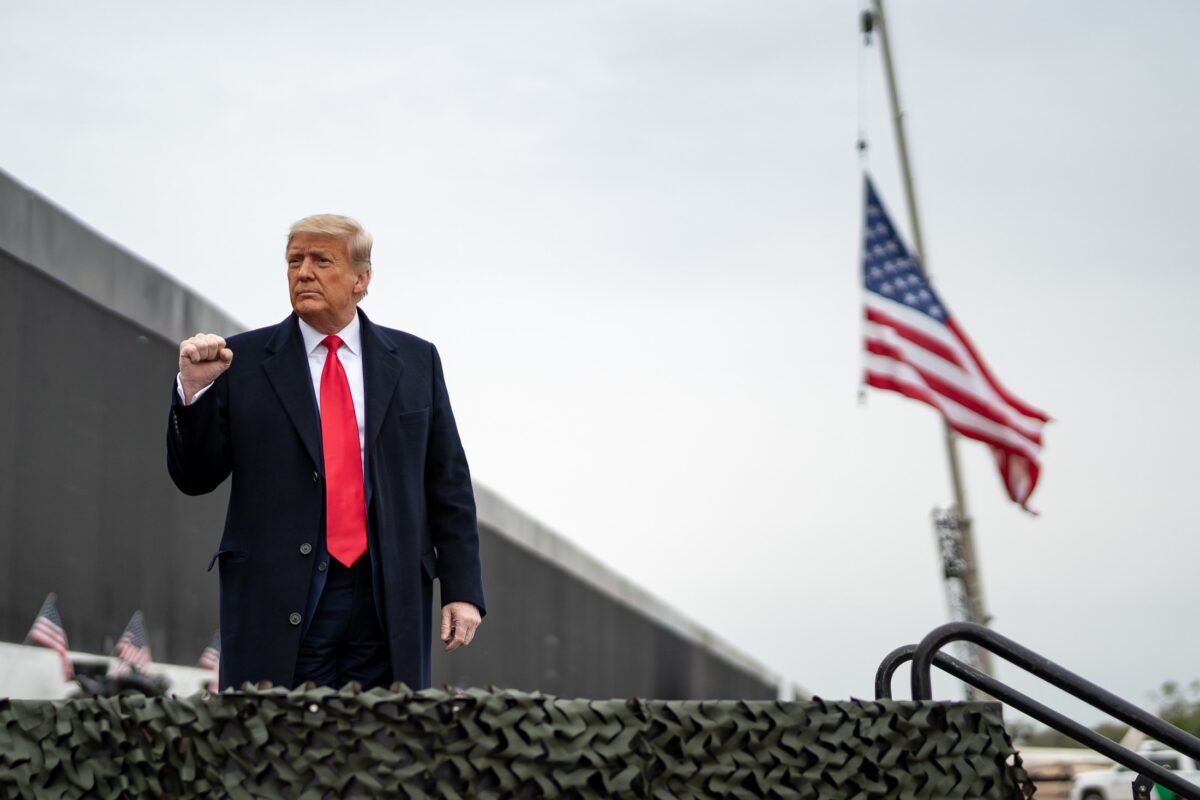
No EU or Nato leaders backed the US strike killing Ali Khamenei, except far-right allies of Donald Trump. Most urged de-escalation. Spanish PM Pedro Sánchez condemned Washington, while French president Emmanuel Macron called for UN talks.
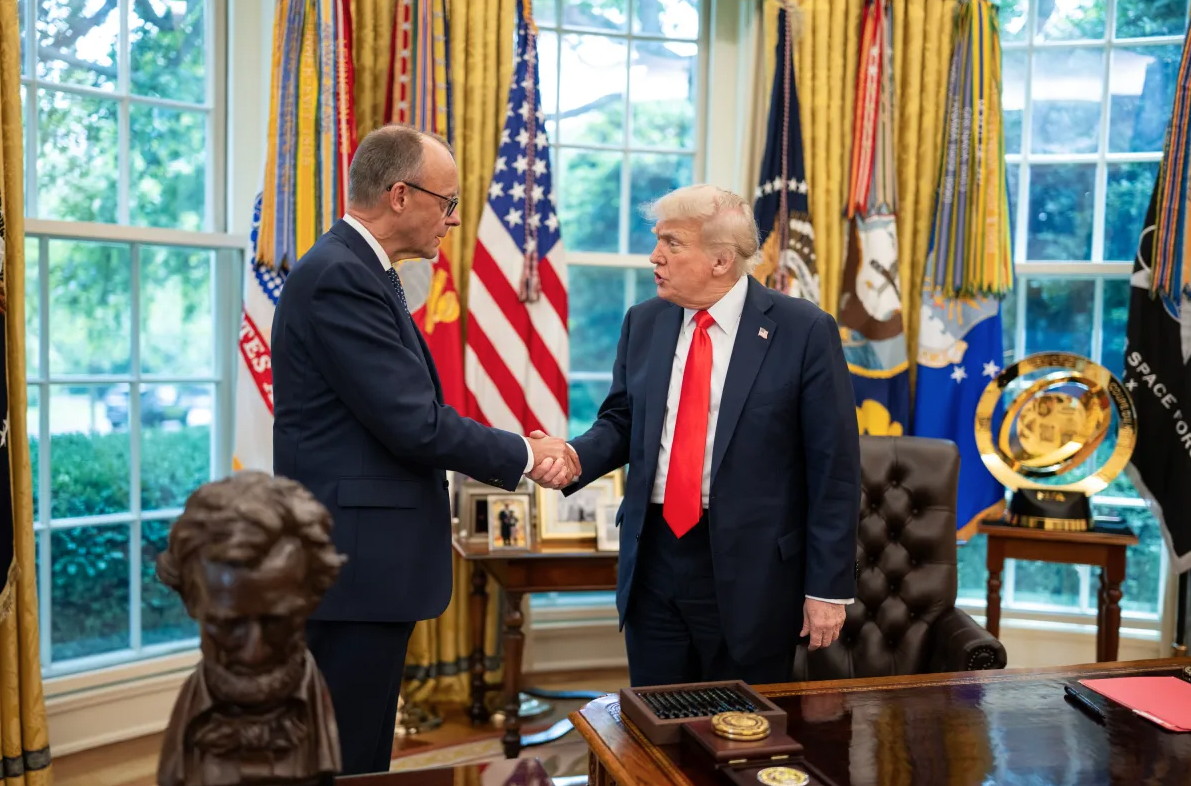
THIS WEEK offers a weekly snapshot of the key developments in Brussels and across Europe over the next seven days, published every Monday morning.
Under Giorgia Meloni, Italy’s new migration law revives largely symbolic deterrence measures like the “naval blockade” and the Albania model that are unlikely to boost returns or reduce arrivals, while pragmatic labour regularisations proceed quietly in the background. However, voters are exposed primarily to the spectacle of deterrence.
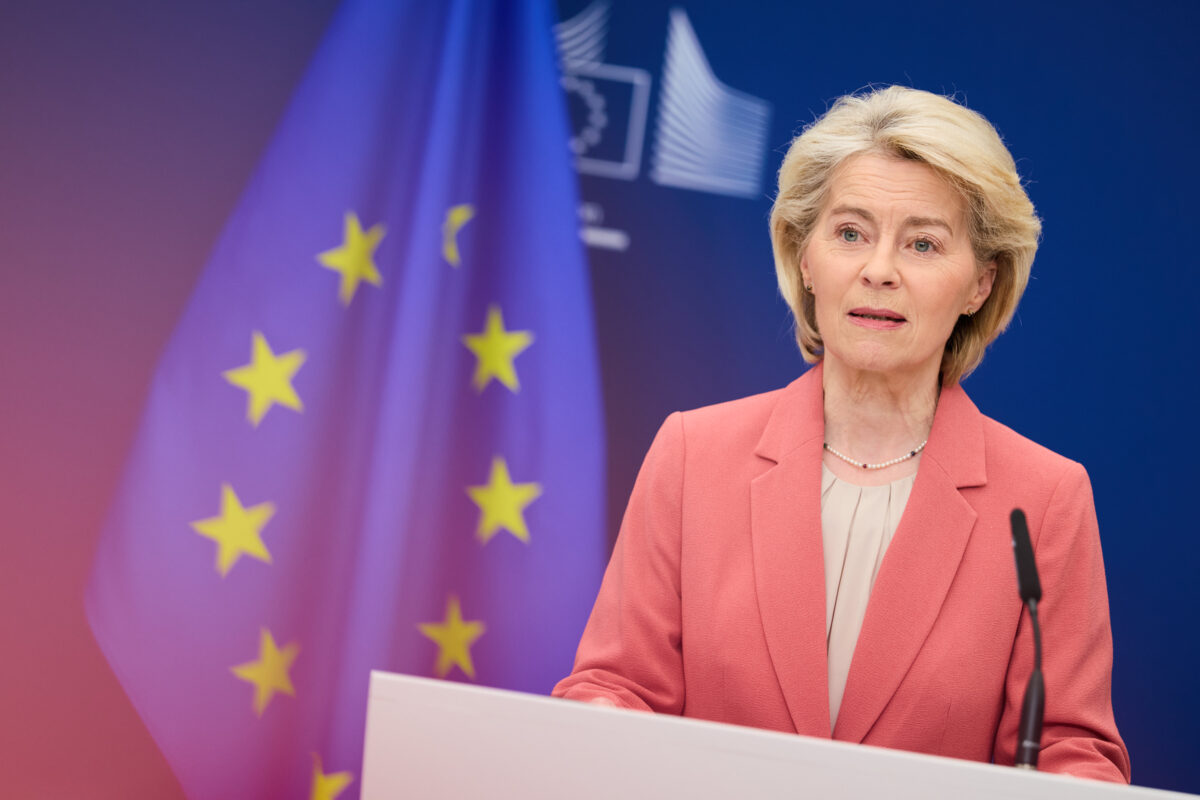
The EU Commission’s decision to apply the Mercosur trade deal will be poorly received by some MEPs – and has already been attacked by France. This follows the ratification by the parliaments in Argentina and Uruguay.
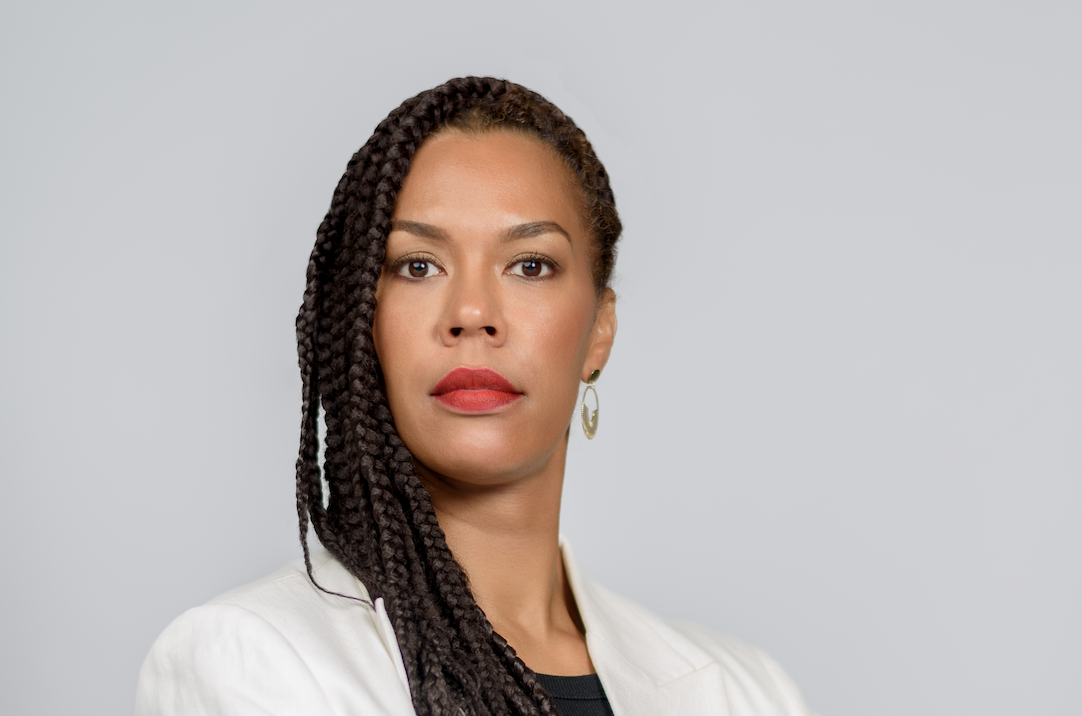
Michaela Moua, the European Commission’s anti-racism coordinator, is anxious. “Independent of what’s happening in the US, we’re seeing the normalisation of hatred and racism, and that is extremely worrying, as it can lead to violence and even death. We have already seen that,” she told EUobserver in an interview.
“Far-left kills.” That’s how extreme-right protesters have described the death of Quentin Deranque. A formula also used by various political figures in France and Europe to blame far-left and antifascist movements in a broader sense. Can this dramatic event weaken antifascist movements across Europe?
The EU is attempting to equalise access to medicines with the biggest reform of the bloc’s medicine laws in 20 years. But Europeans are unlikely to feel the tangible effects of the Pharmaceutical Package, such as shorter waiting times for medicines, until around 2028 at the earliest.
In case you missed it
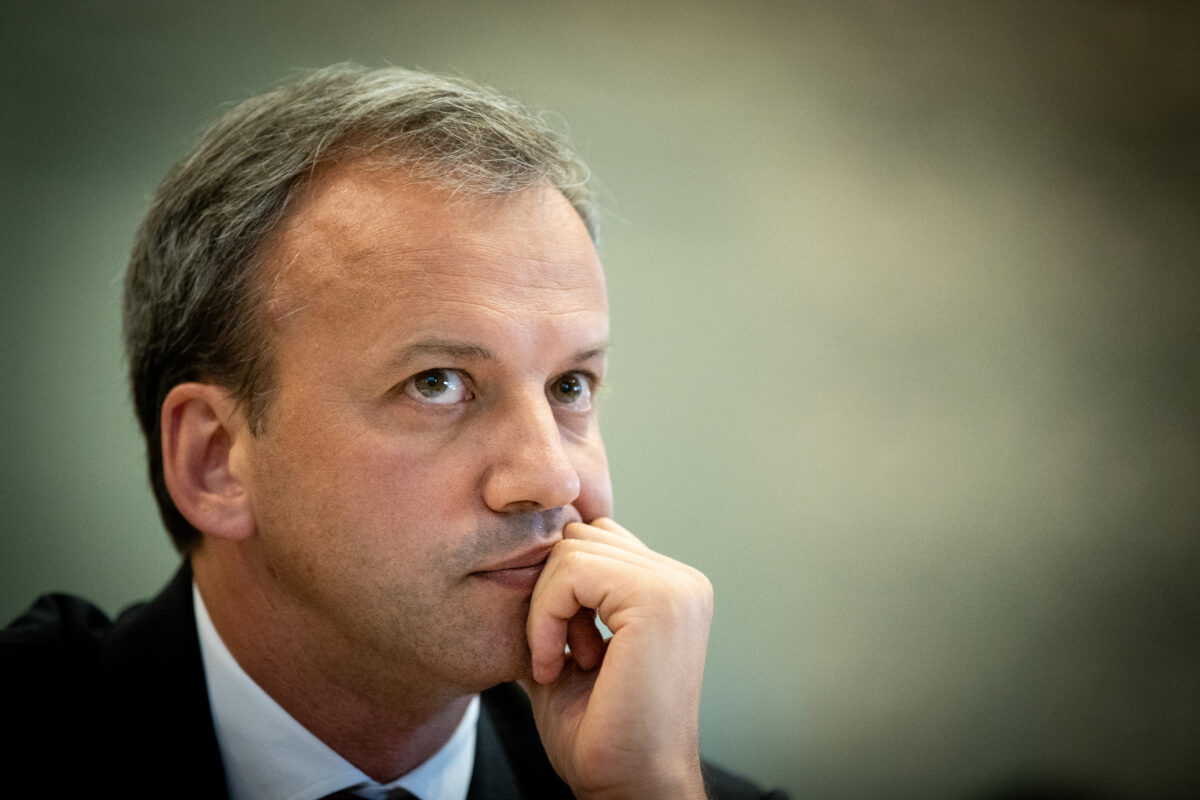
The Russian head of world chess, Arkady Dvorkovich, has two faces – a politically-correct one FIDE wants the EU to see, and a pro-war face that attacked Ukrainian ‘Nazism’. It’s the latter one that may now see him slapped with an EU visa-ban.
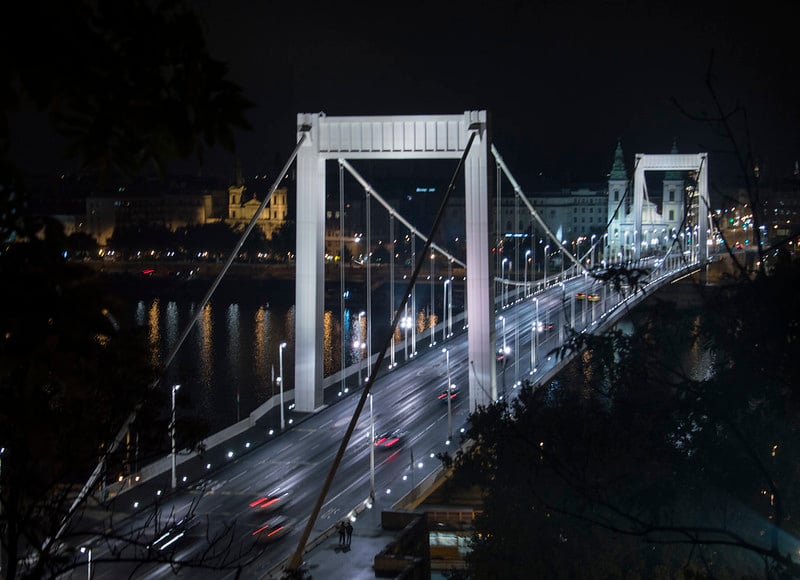
“Hungary has infringed the freedom of expression and information,” EU judges said, inviting the EU Commission to seek fines against the government of prime minister Viktor Orbán.
Member states can use EU funds to finance safe and legal abortions, on a voluntary basis, the European Commission confirmed on Thursday.
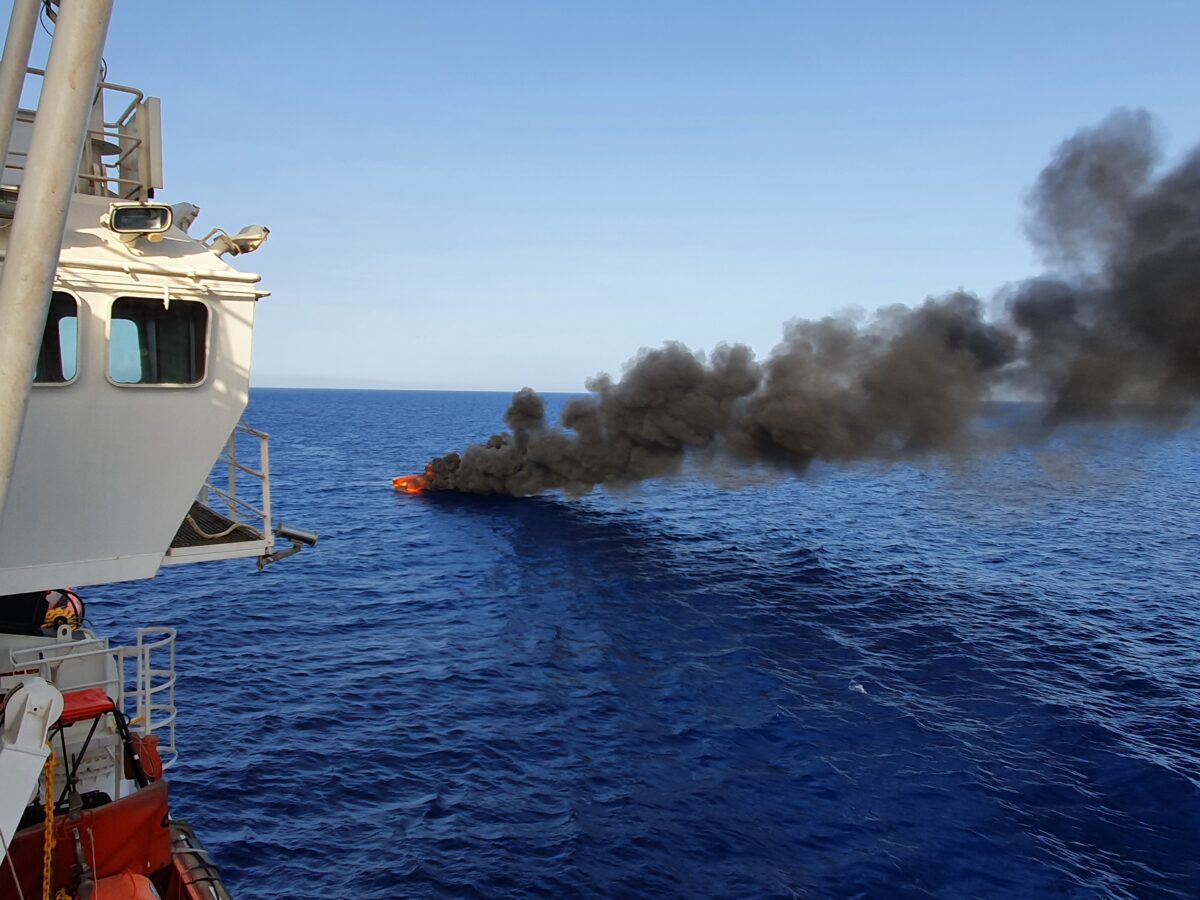
The International Organization for Migration warns that growing restrictions on access to information about search-and-rescue operations along Europe’s sea routes are making it increasingly difficult to verify a rising number of deaths.
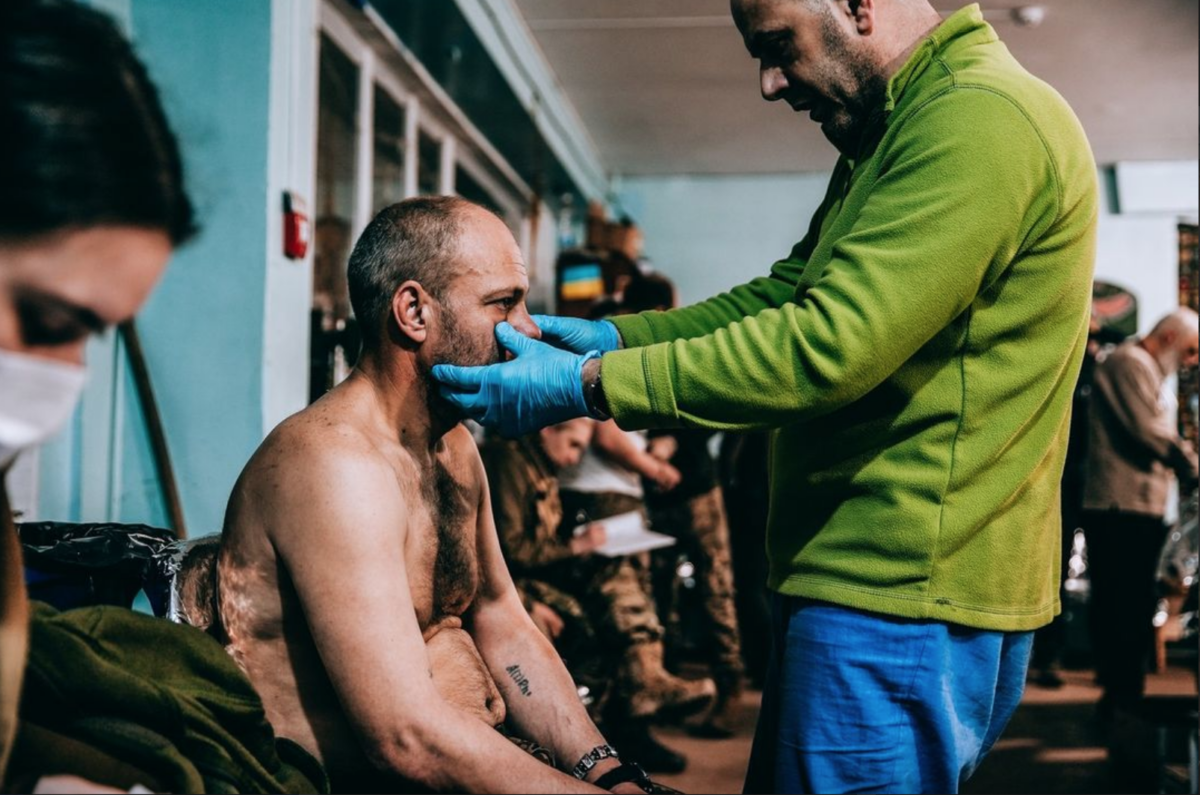
Since World War II, no other country has had as large a proportion of its population serve on the frontlines as Ukraine. Could psychedelic-assisted therapy help in their return to civilian life?
‘We are not yet seeing the waves of redundancies that are feared’, European Central Bank chief Christine Lagarde said, but stressed Europe was benefitting for AI-productivity gains on a par with the US and China.
A new report suggests Europe has entered a new phase, whereby critical voices are increasingly silenced by authoritarian-leaning governments spanning Hungary to Russia and Turkey.


Geen opmerkingen:
Een reactie posten