Good morning.
Few are likely to shed a tear for the death of Ali Khamenei, not least the families of all the people his regime slaughtered during mass demonstrations in Iran over the past few months.
But for all its talk on the inviolability of international law, not least the Geneva convention and UN charter, the European Commission has drawn an exception when it comes to the United States and Israel.
On Monday (2 March), it refused to frame those attacks as a possible violation of rules that are designed to protect and minimise civilian loss — despite reports that an elementary girls' school was bombed in southern Iran.
Donald Trump has also possibly triggered a wider regional war without support from Congress, even though the US department of defence said Iran posed no imminent threat. So does the commission support the US and Israel attacks in Iran over the weekend?
"What we do not support is the oppressive regime that has been killing people in Iran, and that is against any law," Paula Pinho, the commission's chief spokesperson told reporters in Brussels, when pressed.
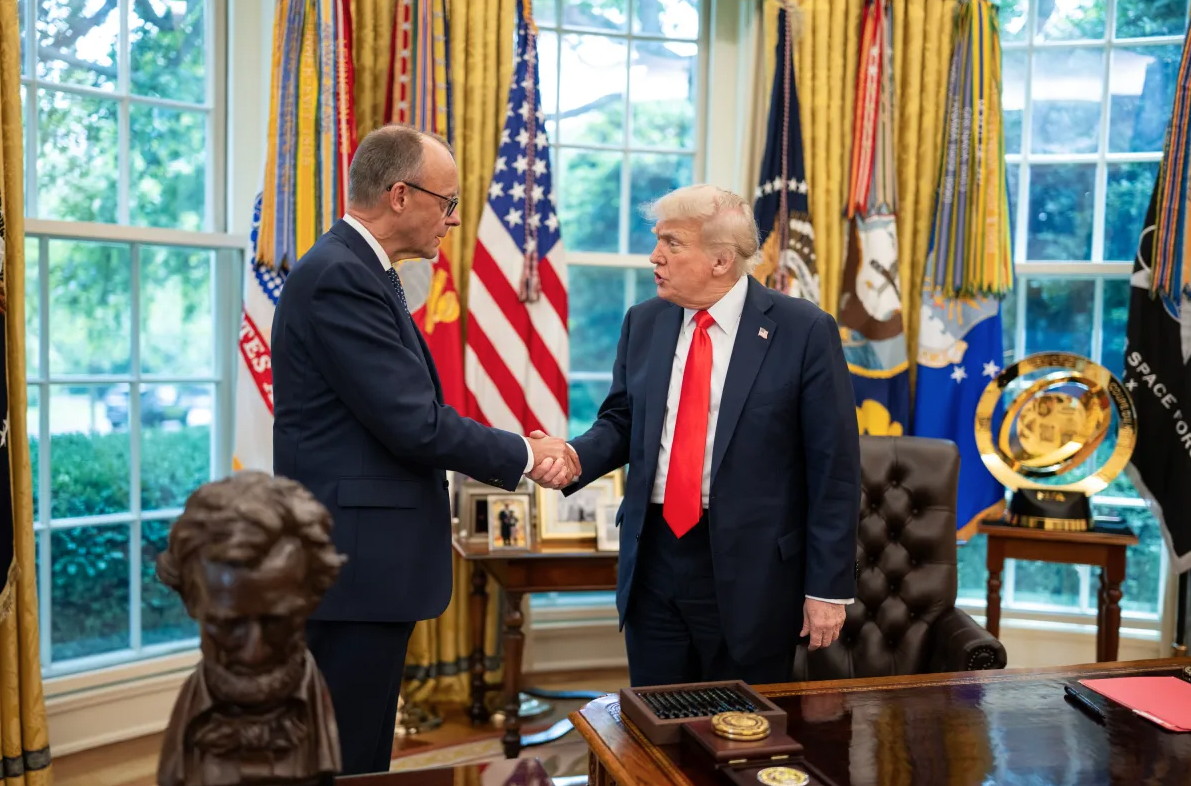
The position is a reflection of Germany's chancellor Friedrich Merz, who earlier this month said that the world's rules-based system no longer exists.
Neither, apparently, does the balance of competences between the EU institutions — as the European Commission and the European Council jostle for relevance on the global stage.
On Saturday, commission president Ursula von der Leyen spoke to the leaders of the United Arab Emirates, Jordan, Qatar and Saudi Arabia.
But it is António Costa, the president of the European Council, who is tasked to lead and represent member states on foreign policy amid overlap from the EU’s foreign policy chief, Kaja Kallas.
Costas was not asked to join the calls with the regional leaders due to "efficiency" and "in case he's not doing the calls himself," said the commission.
And although a statement of 27 foreign ministers was finally adopted and agreed later on, the trivial slight against Costa points to a deep-rooted petty rivalry between the EU institutions that only sows confusion.
Nikolaj Nielsen, home-affairs editor
What else you need to know
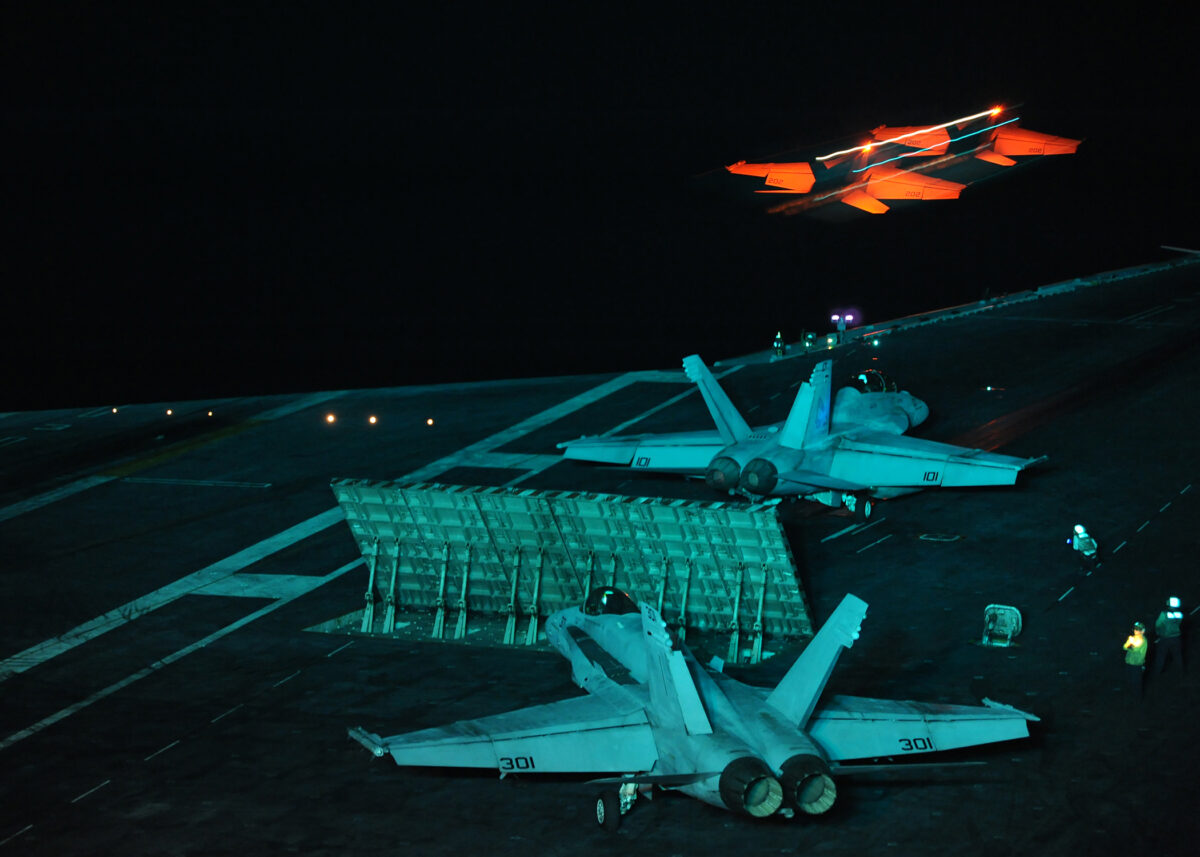
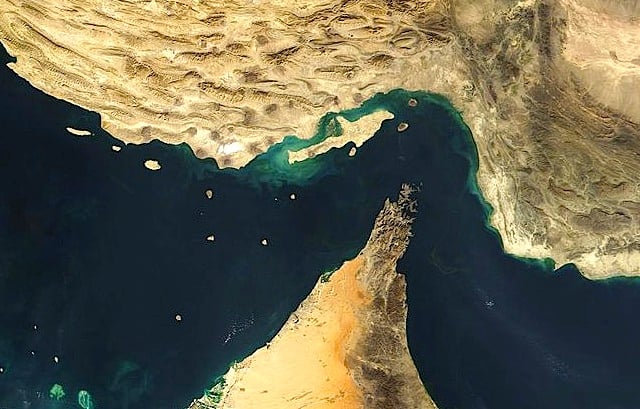
Iran has shown EU cities could be hit in the Middle East war, as tens of thousands of European nationals try to flee the region. But the fact Iran has not fired at neighbouring Nato power Turkey indicates it might still be seeking to de-escalate violence, using Turkish mediation, instead of lashing out at any Western targets it can reach.
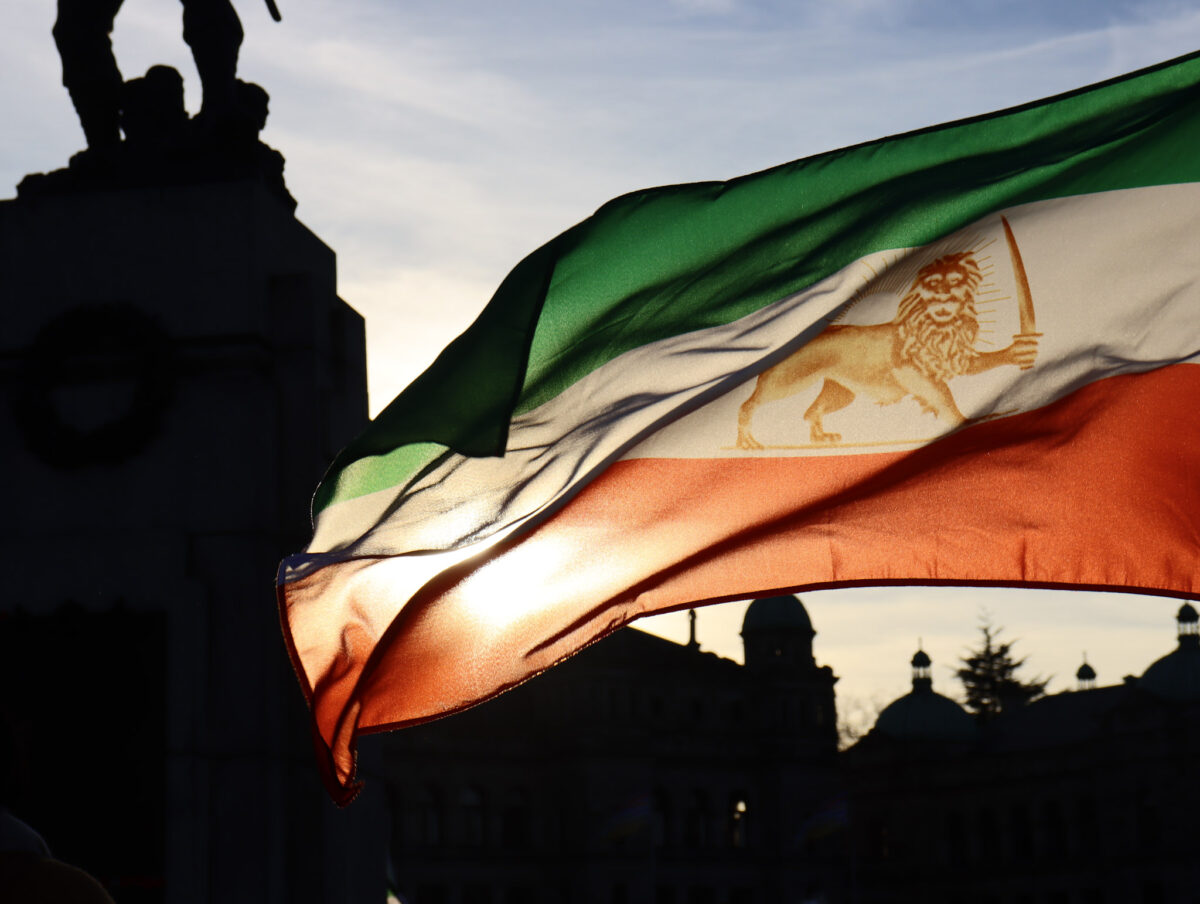
The European Union must decide whether it will confine itself to the comfortable position of simply saying ‘no to war’, or whether it will actively support a democratic transition. A reactive anti-war posture may appear principled in Brussels. For Iranians who have already paid for regime change with massacres, mass imprisonment, executions, and now open war, it is inconsequential.

While leaders of France, Germany and the United Kingdom condemn Iran and consider defensive steps, they stop short of direct war involvement, coordinating cautiously with the United States. Here’s a closer breakdown of how each country is positioning itself.
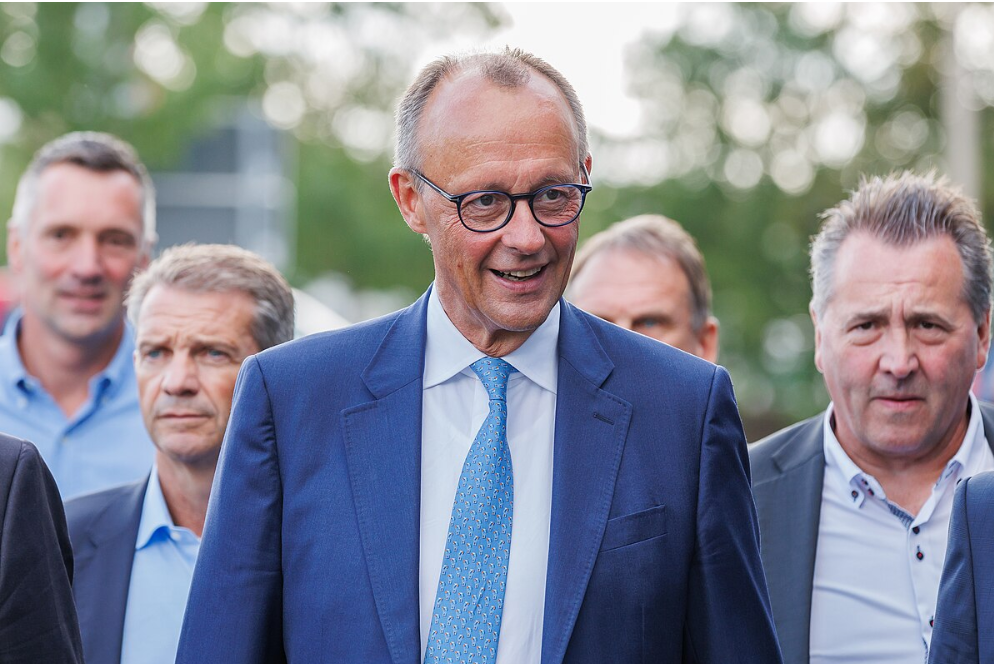
Friedrich Merz has pledged to transform the German armed forces into the strongest conventional land force among European Nato members. Will that be enough for Donald Trump?
The new EU-Swiss trade pact does not include a cap on freedom of movement, despite Switzerland’s focus on migration control.
TikTok removed 112 million pieces of content – mainly with automated systems – that violated the platform’s policies in the EU between July and December 2025, according to the platform’s latest Digital Services Act transparency report.
In case you missed it
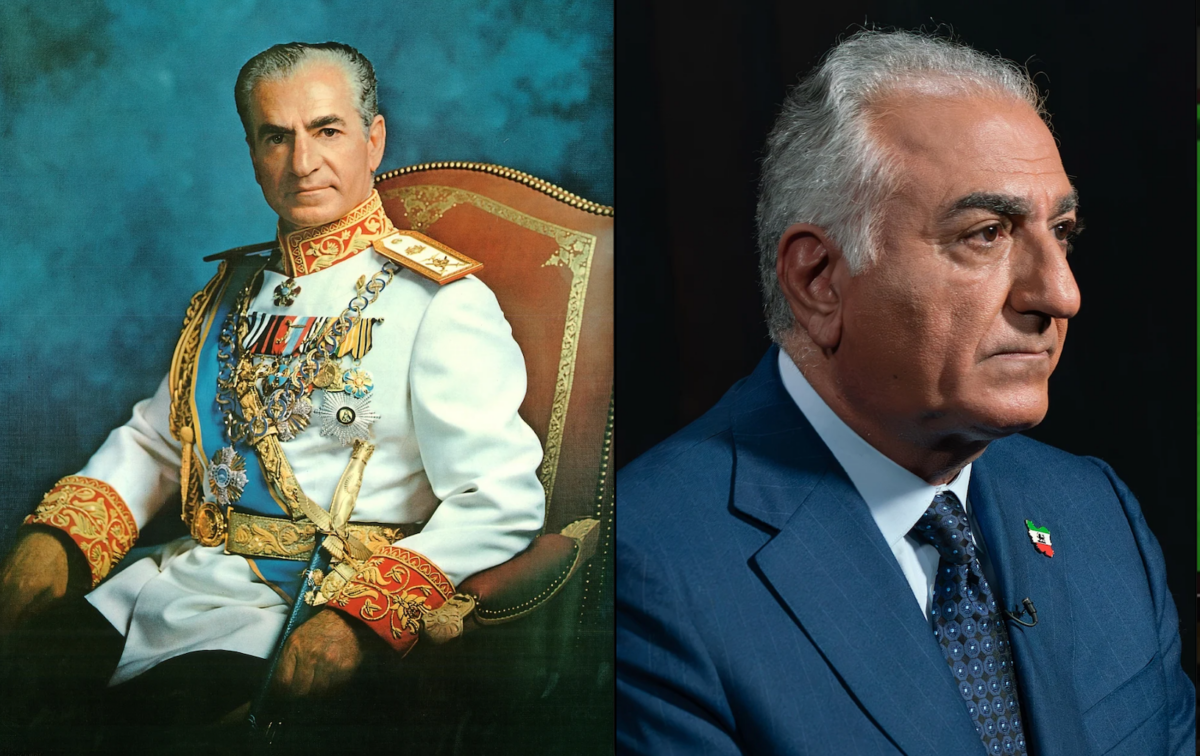
Today, with Iran’s supreme leader dead and the son of the CIA-installed shah coordinating with Washington on what comes next, Europe faces the question it has avoided for seven decades.
THIS WEEK offers a weekly snapshot of the key developments in Brussels and across Europe over the next seven days, published every Monday morning.
Under Giorgia Meloni, Italy’s new migration law revives largely symbolic deterrence measures like the “naval blockade” and the Albania model that are unlikely to boost returns or reduce arrivals, while pragmatic labour regularisations proceed quietly in the background. However, voters are exposed primarily to the spectacle of deterrence.
The EU Commission’s decision to apply the Mercosur trade deal will be poorly received by some MEPs – and has already been attacked by France. This follows the ratification by the parliaments in Argentina and Uruguay.
Michaela Moua, the European Commission’s anti-racism coordinator, is anxious. “Independent of what’s happening in the US, we’re seeing the normalisation of hatred and racism, and that is extremely worrying, as it can lead to violence and even death. We have already seen that,” she told EUobserver in an interview.


Geen opmerkingen:
Een reactie posten