| Good morning.A big fight about the EU's carbon pricing system is set to take place at the EU leaders' summit in Brussels on Thursday (19 March). After almost three weeks of war and the Strait of Hormuz still closed, oil prices in the Gulf skyrocketed to above $170 [€150] this week, and with no end in sight, fears for a wider energy shock are rising, once again. This fear is being used as an argument by some to weaken or “suspend” the EU's Emissions Trading System [ETS]. In a letter addressed to council president Antonio Costa and EU Commission president Ursula von der Leyen, ten member states said that the current ETS timeline is "overly ambitious." Echoing earlier calls from the chemical lobbyist Cefic and US oil giants ExxonMobil, these countries want to extend free emission allowances beyond 2034 and “smooth” the phase-out set to begin in 2028. The group includes Austria, Greece, Italy, Slovakia, the Czech Republic, Poland, Hungary, Croatia, Romania and Bulgaria. But the letter was heavily criticised by a senior diplomat representing a pro-ETS country on Wednesday. “The ETS is the best way to become less dependent on fossil fuels,” said the diplomat who requested to remain anonymous. “The last thing we should do now is change our plan and become more dependent on fossil fuels again by delaying ETS,” the diplomat added. “The shortest-term thing member states can do in terms of the electricity price is reduce tariffs and levies,” he also said. “That would have an immediate effect on prices.” When asked whether an agreement was expected, another diplomat said: “There are two schools of thought, and I don’t think these two views will be united [at the summit].” Wester van Gaal, economy editor ADVERT  Top story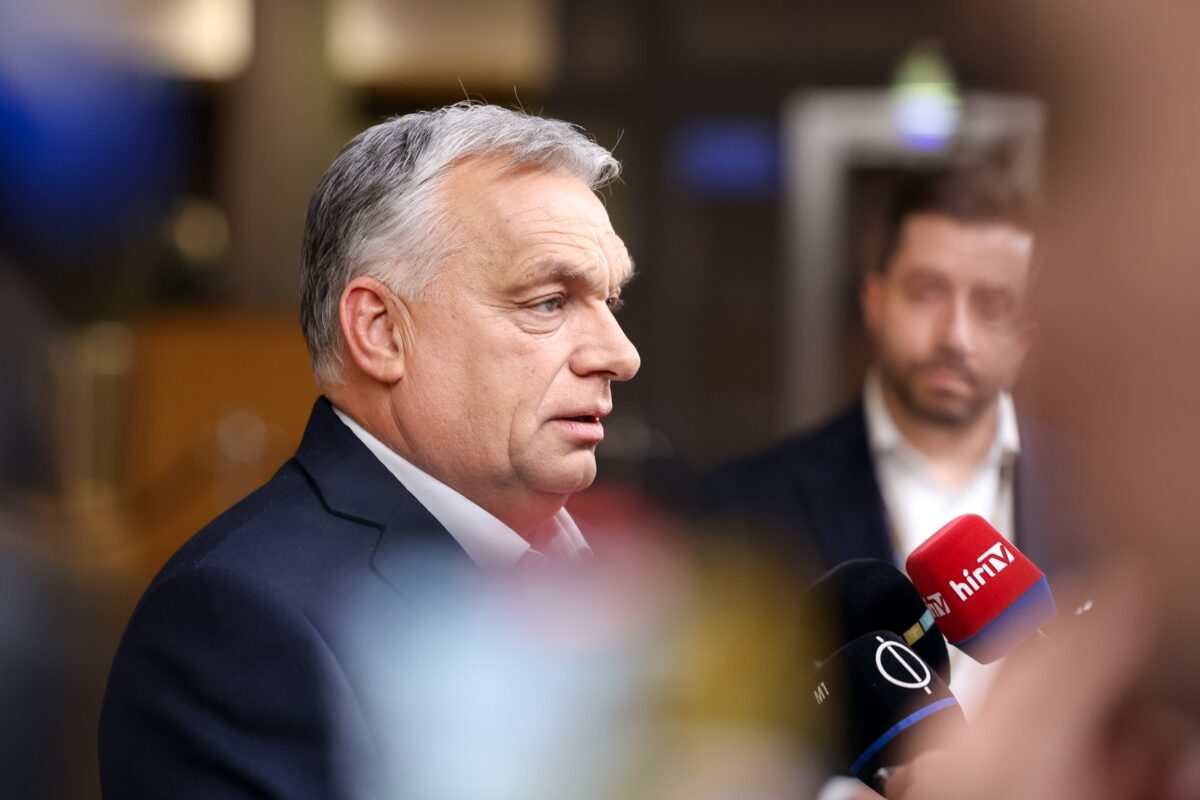 Hungary’s veto on Ukraine money is to hijack the spotlight at Thursday’s EU summit in Brussels, alongside disagreements over Europe’s carbon market — overshadowing what was meant to be a key debate on turning Europe into a truly economic powerhouse. What else you need to know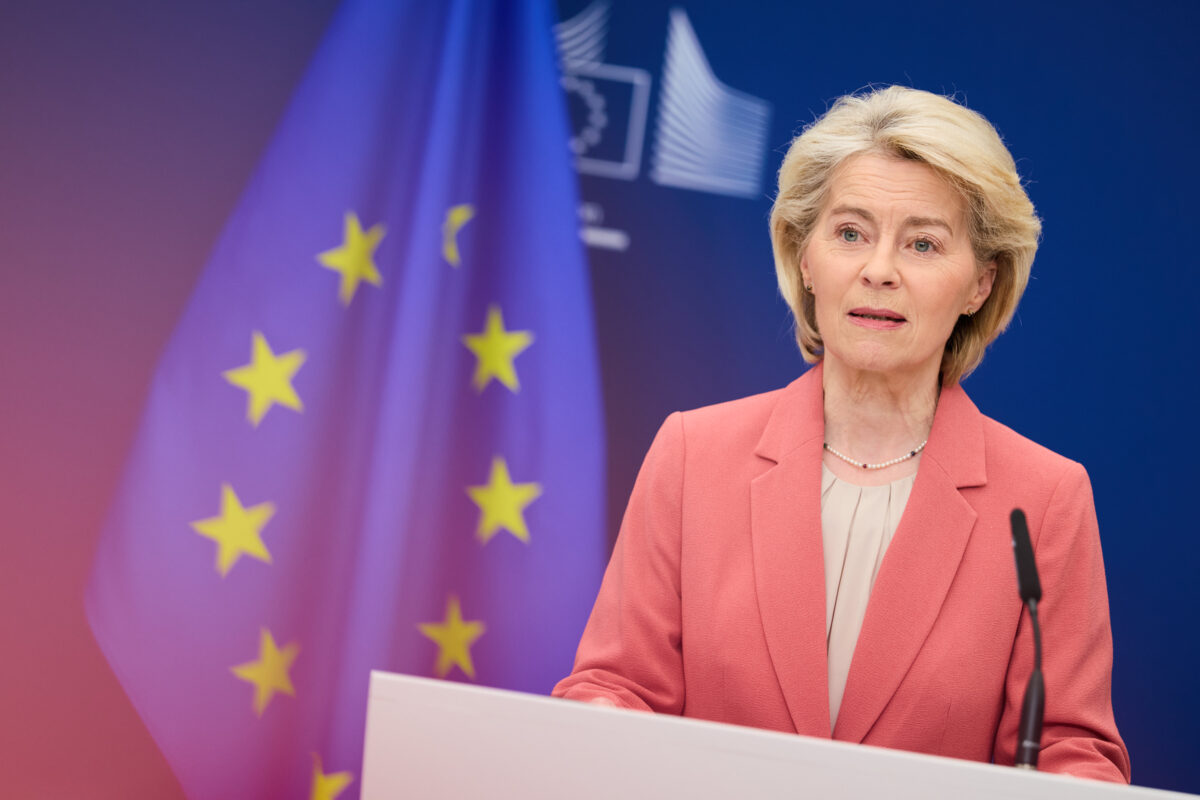 The so-called ’28th regime’ is intended to create a single European business code applicable across the EU. 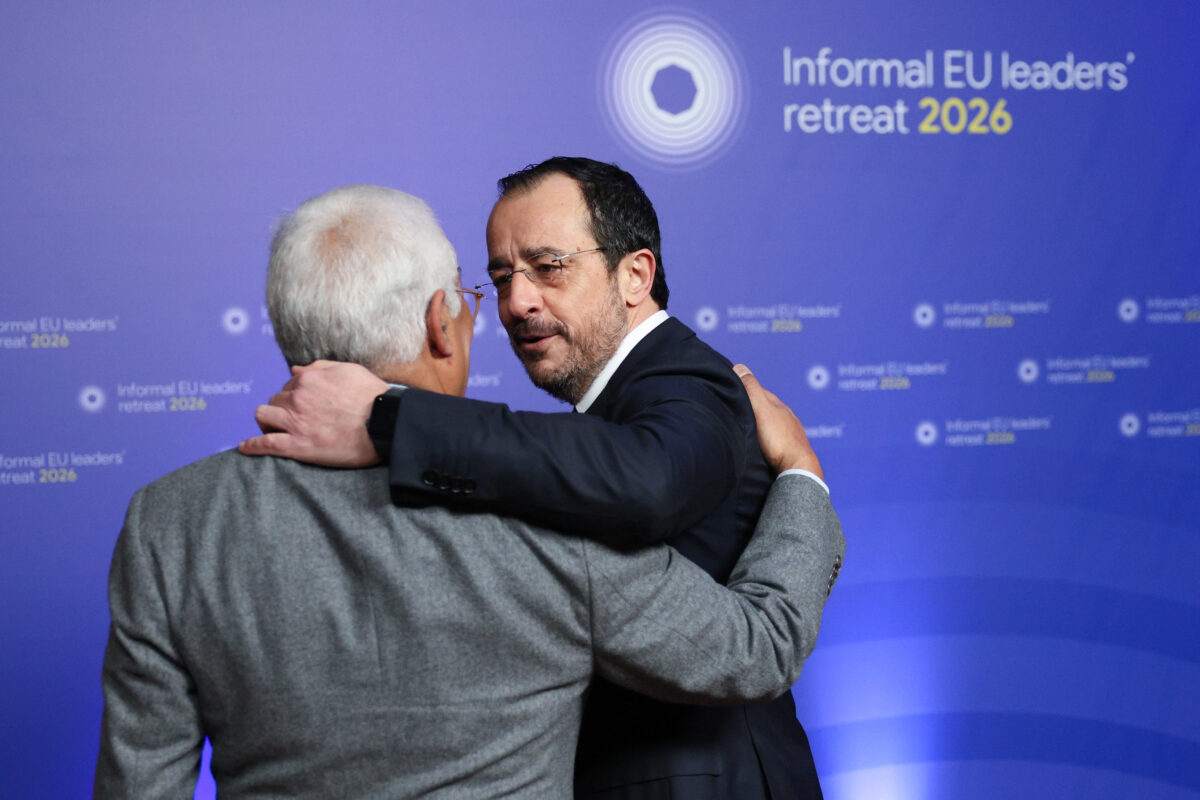 “We … gave flesh and bones to the [EU’s] mutual assistance clause,” Cypriot president said, after France and others sent warships to protect the island, which is a member of the EU but not Nato. 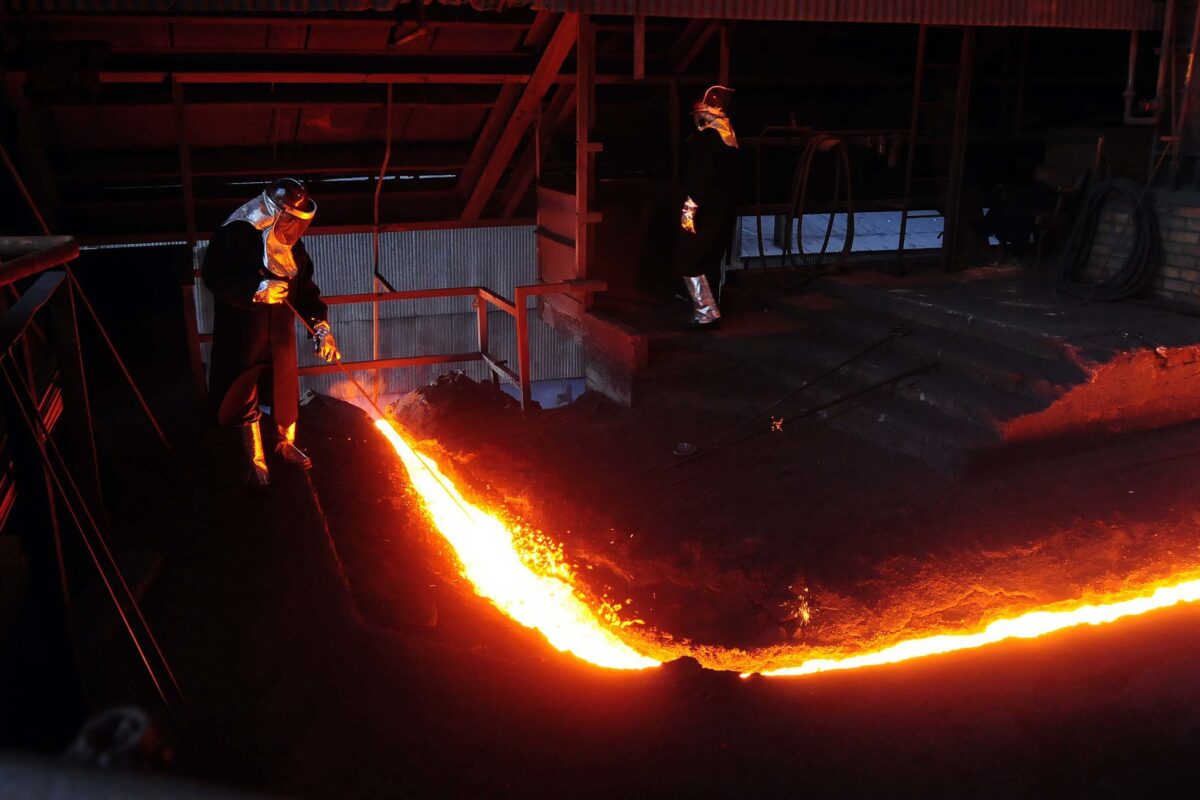 A blocking minority of member states is pushing to weaken the bloc’s carbon pricing mechanism — which requires industries to pay for their pollution. 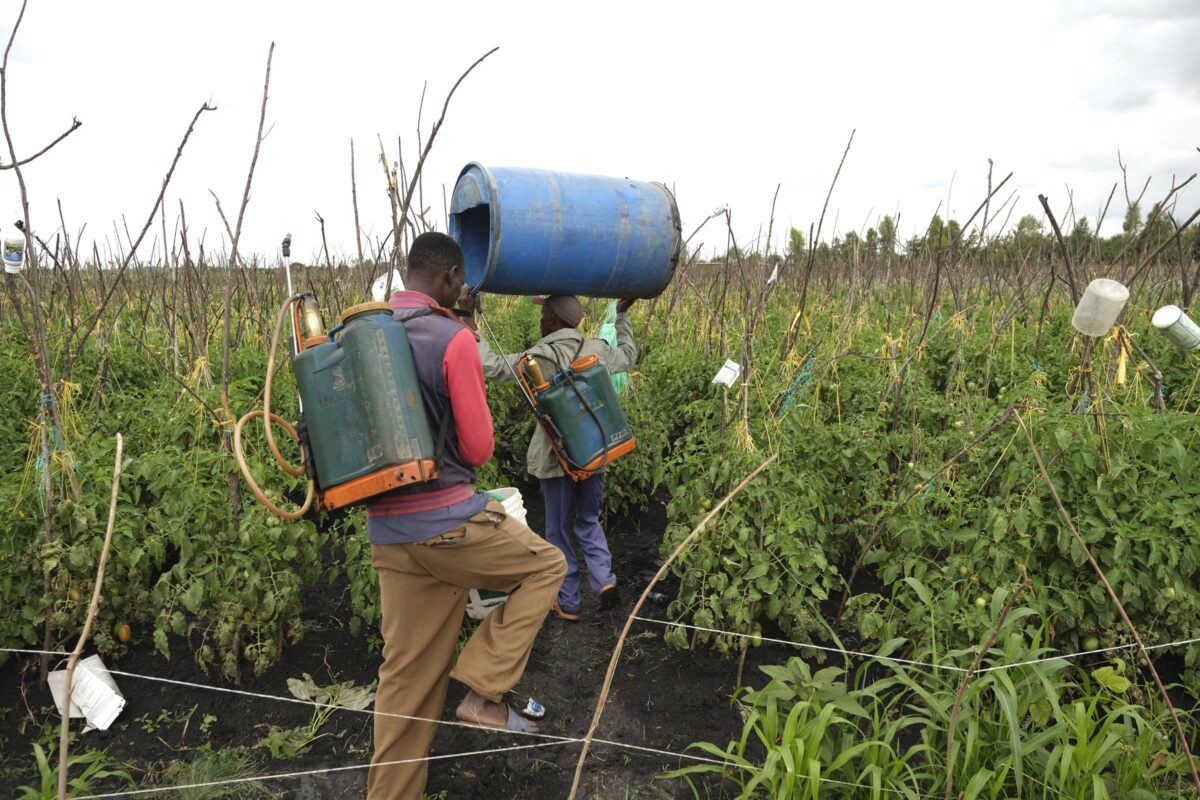 The South African tribunal on agrotoxins wants its government to overhaul national laws on chemicals and pesticides and for the EU to apply a blanket ban on the sale of banned substances. 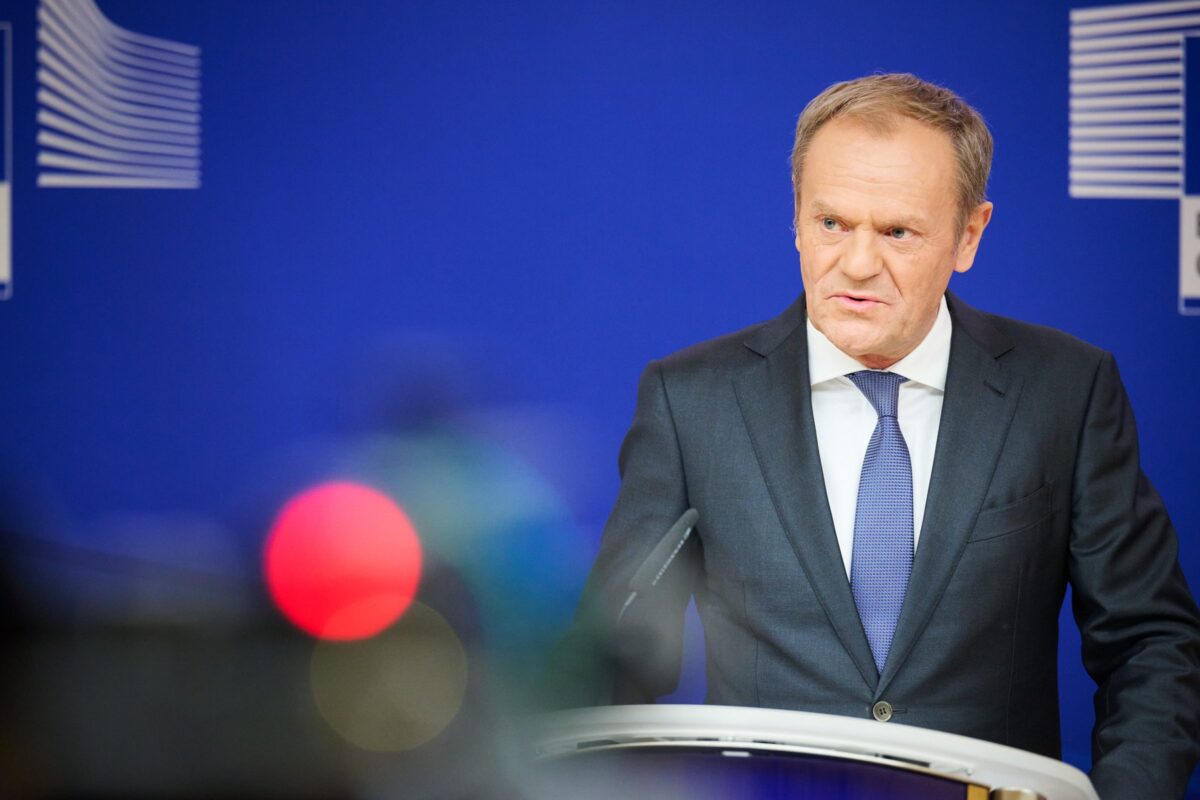 The Polish government is reaching for a workaround to access European loans for rearmament after president Karol Nawrocki vetoed a historic law enabling the EU’s SAFE programme. Meanwhile, an information campaign is spreading narratives of a ‘Narva separatist republic’ in Estonia, and a spy scandal is unraveling Slovenia’s election campaign.  “The ground is drying out, soon ‘zelenka’ will appear [and] we will see what conclusions the Moskali [Russian forces] have drawn from the last summer campaign,” said one Ukrainian soldier. 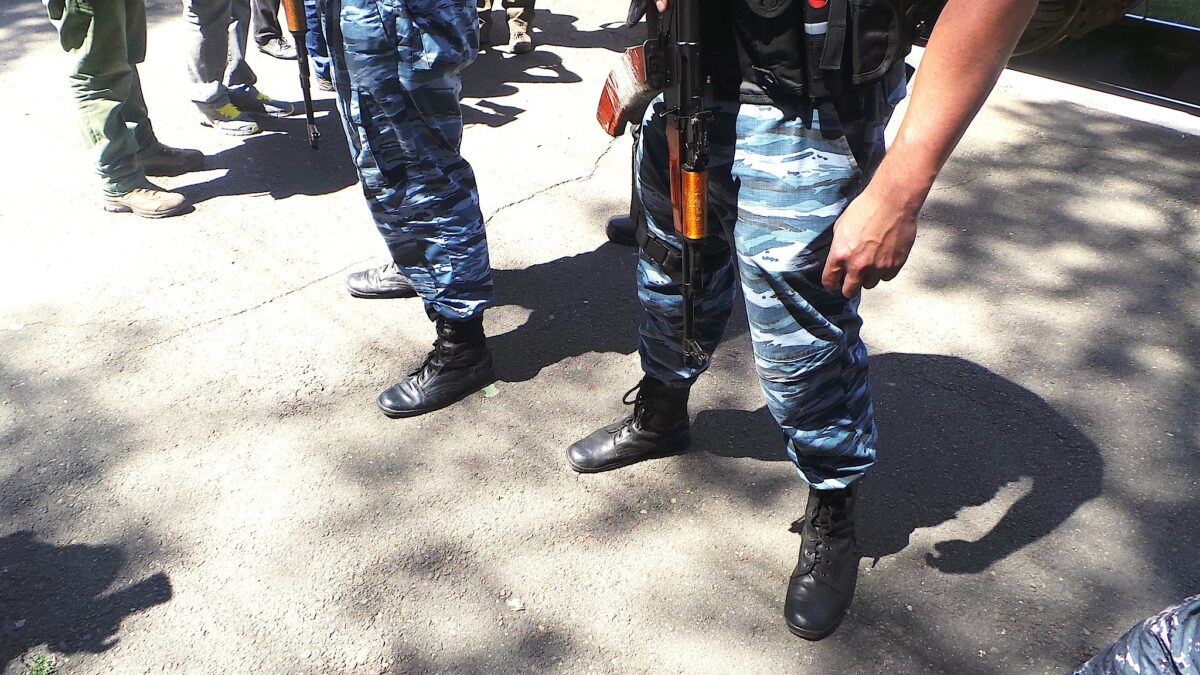 “This number is larger than some armed forces in some of the European countries,” says Andriy Yusov, a Ukrainian intelligence spokesperson. Many come from post-Soviet states, but around 1,800 are Africans. 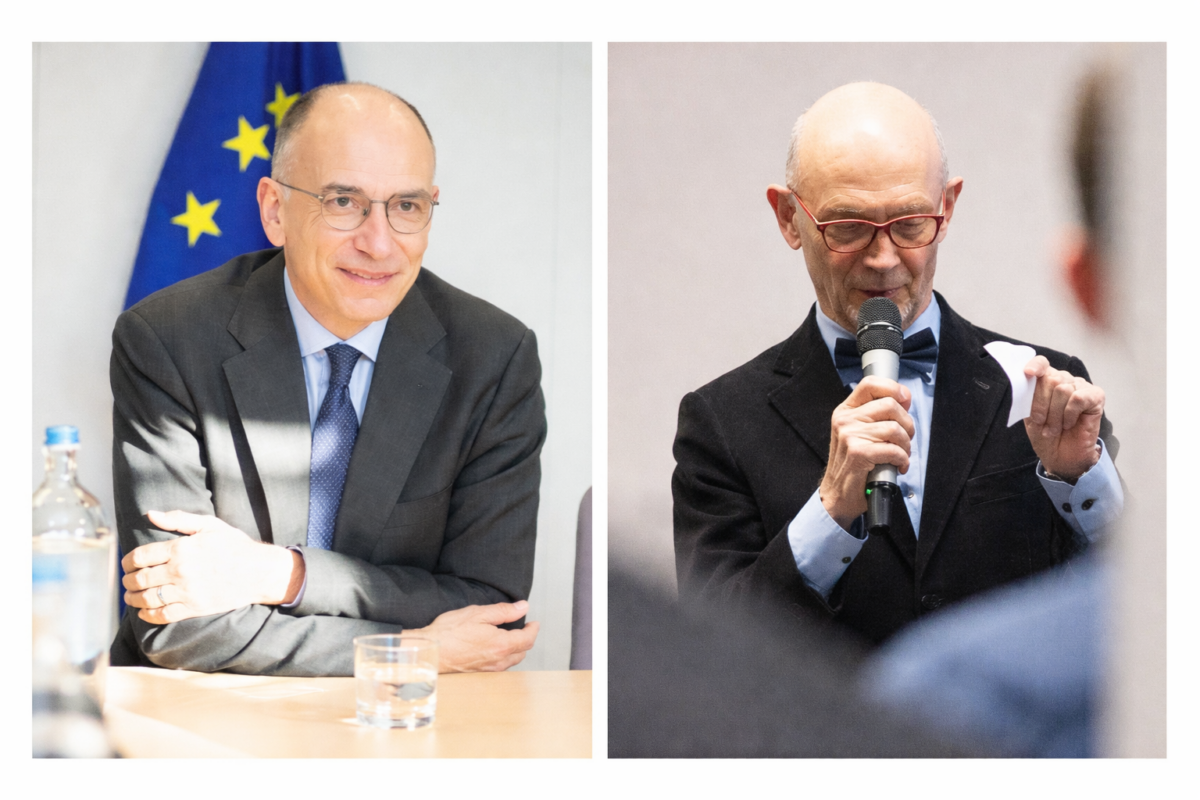 The strongest message that can come out of Thursday’s EU summit would be if European leaders fully commit themselves to completing the EU single market, without which Europe cannot unlock the growth potential needed to cover rising defence spending and build a truly inclusive economy, write Enrico Letta and Pascal Lamy. 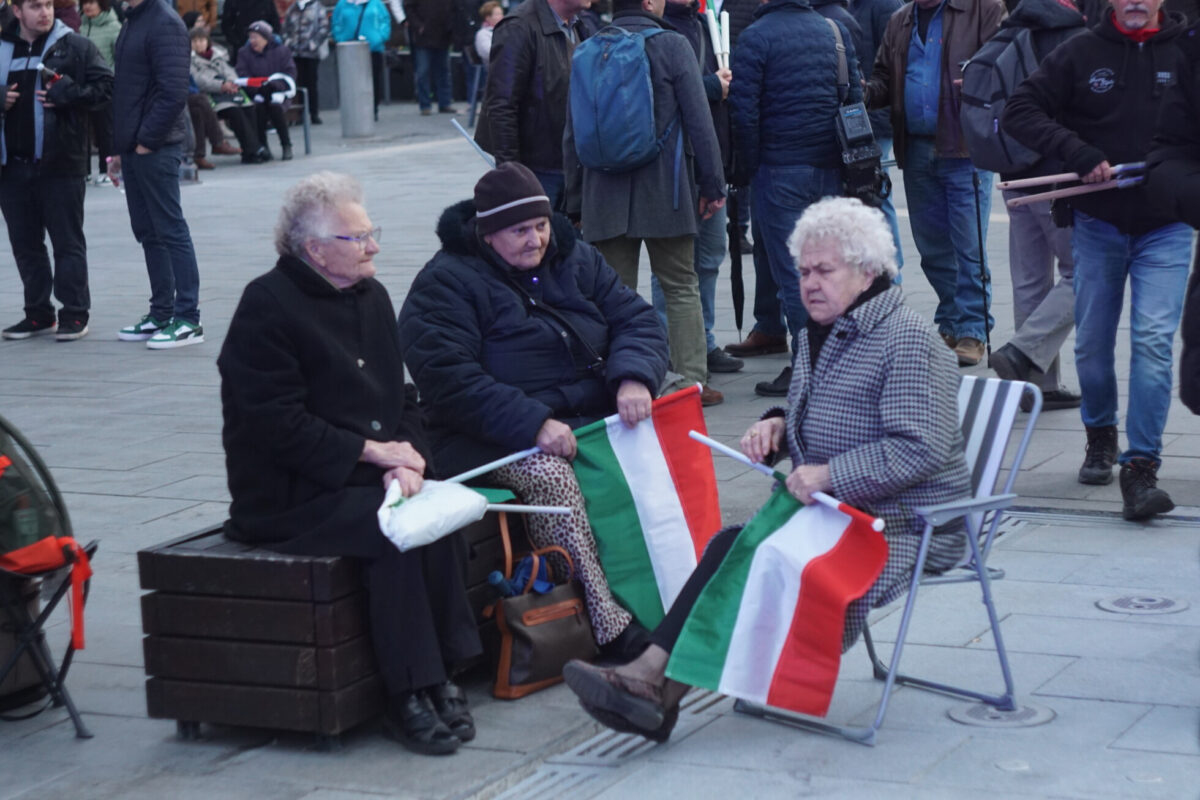 Crowds pack the historic square of Eger on Tuesday, as Viktor Orbán campaigns like a rock star, drawing cheers and criticism alike. Supporters praise stability; sceptics cite failing services and demand change. With rival Péter Magyar gaining ground, Hungary’s election race reveals a country split between loyalty, fear, and growing political tension. 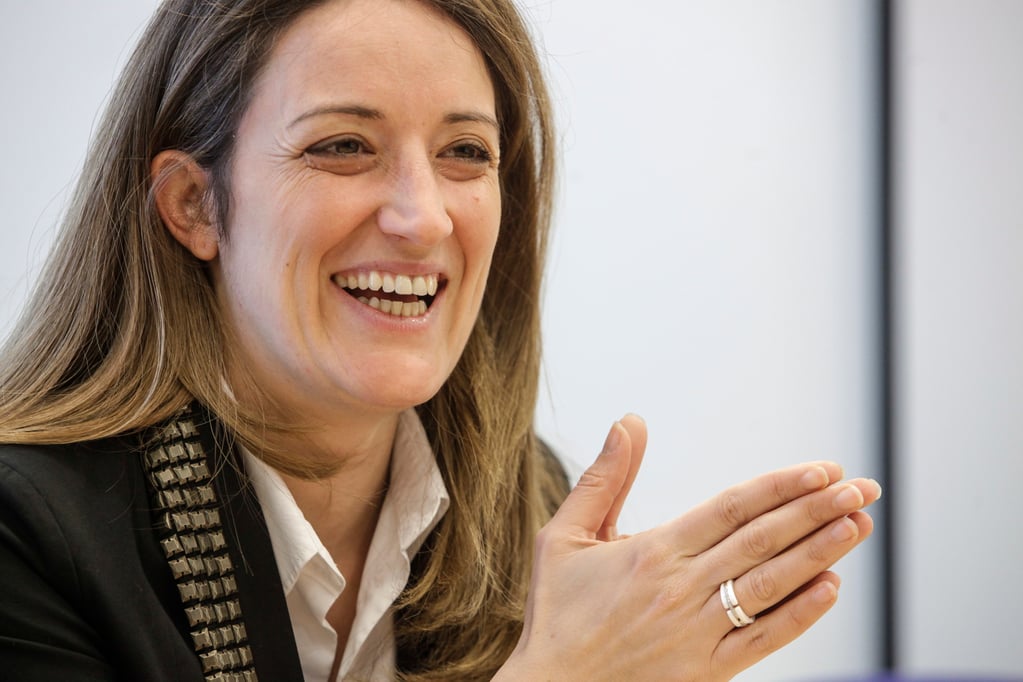 As someone who voted twice for European Parliament president Roberta Metsola, I believe she can win a historic third term — but only if she reassures MEPs that she represents the interests of parliament, and not national governments, writes MEP Barry Andrews. Nuclear energy is no longer just a French affair. Brussels is changing its tune, and even the European Commission now sees a future where nuclear plays a key role in Europe’s energy mix. But here’s the real question: how many countries are quietly making a comeback to nuclear power? In case you missed it“The US alone has already spent more money on this conflict in the last two and a half weeks than the $23bn (€19.9bn) I need to save 87 million lives this year,” said Tom Fletcher, a senior official at the United Nations. 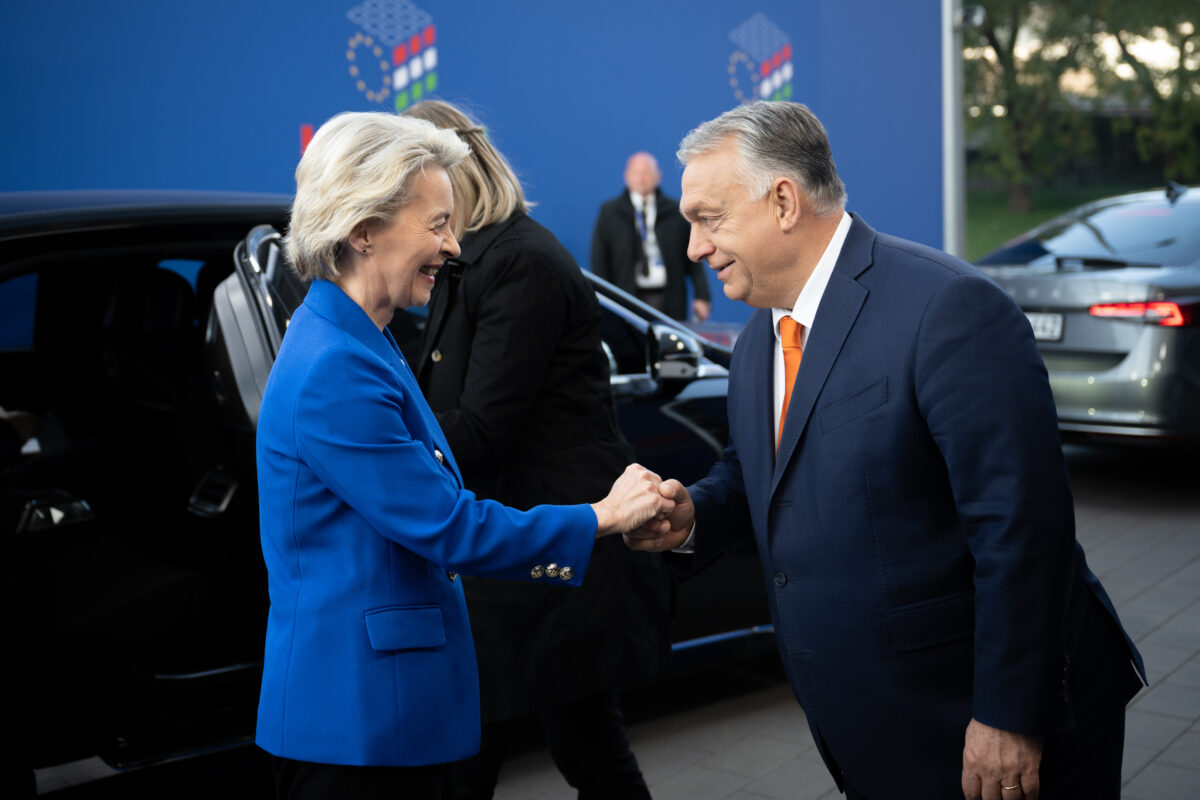 Hungarian prime minister Viktor Orbán has dragged top EU officials into his re-election battle, even as the EU warned against “adversaries … in the system” on election integrity. 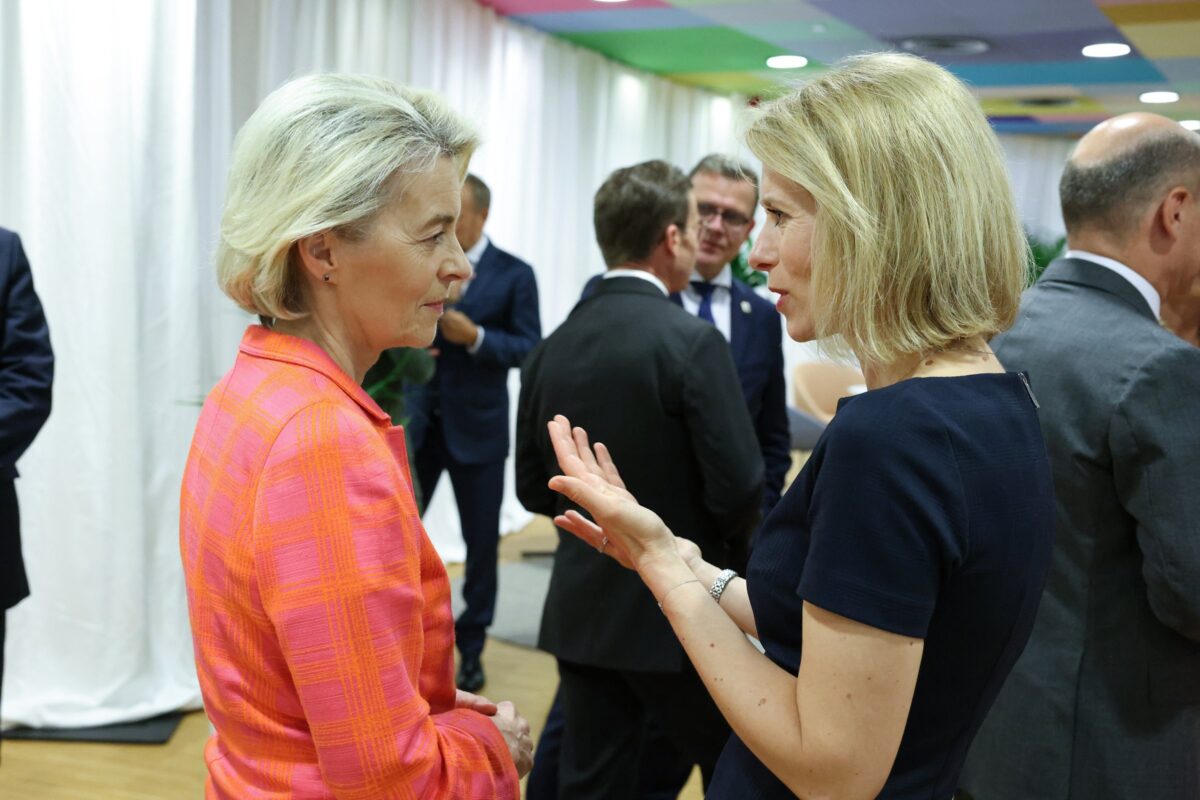 Ursula von der Leyen’s flurry of diplomacy after the US-Israel strikes on Iran is very hard to ignore. In the span of one day, she had conversations with eight foreign leaders, as well as with three EU countries — greatly overdoing communications by both the president of the European Council (António Costa) and the high representative (Kaja Kallas). Here’s why this is seen as highly controversial, or even problematic, within the EU institutional system. MEPs are going to press ahead with a vote to approve the EU-US trade pact —despite most observers believing that it clear favours the US. The EU has spent the last five years building the most ambitious digital regulatory framework on earth. It has regulated platforms, algorithms, AI models, political advertising, environmental claims, and data brokers. It has legal definitions for “very large online platforms” and “general purpose AI models.” But it doesn’t have one for “influencer” – and that’s an interesting oversight. 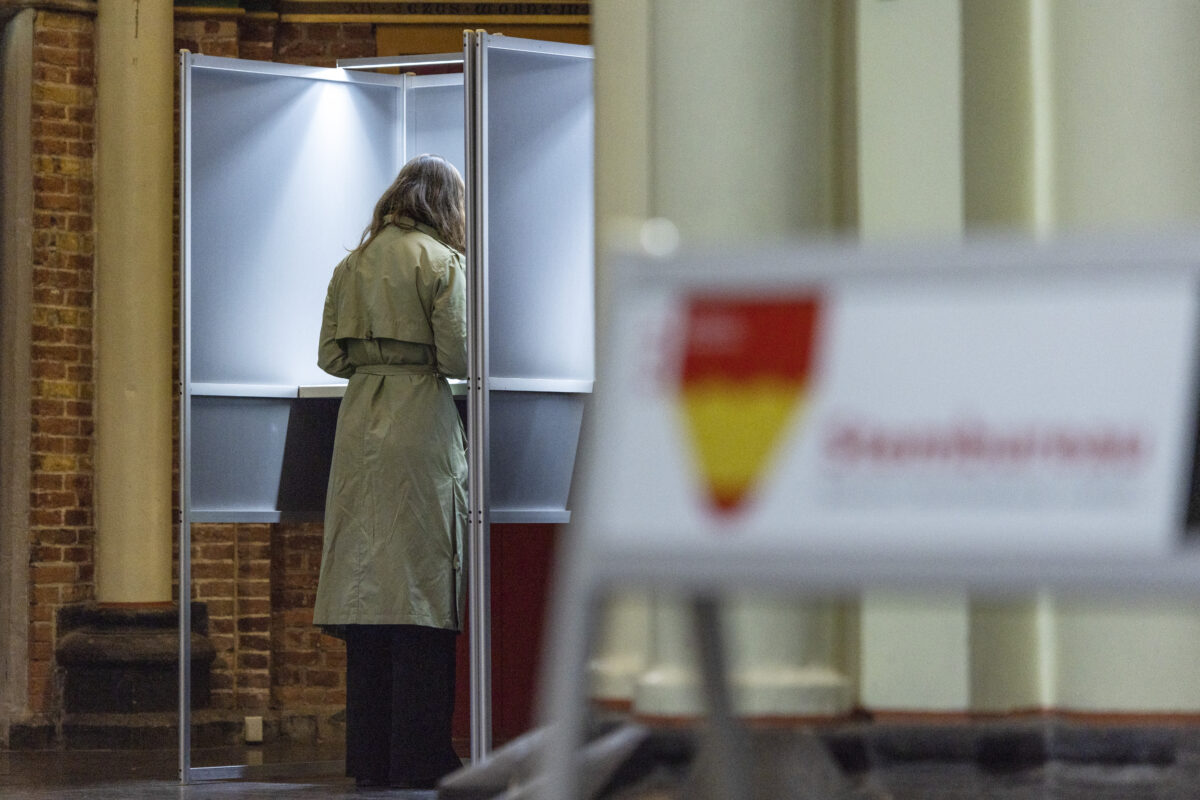 A stable but flatlining economy, social tensions with Roma, welfare payments and emigrating medics, and a fragmented Left are all shaping the Slovenian electoral campaign, ahead of the parliamentary elections on 22 March. Marina Lacerda was born in Brazil. She was eight years old when she moved to the United States with her mother. She was fourteen when she first stepped inside the New York residence of serial sex offender and trafficker Jeffrey Epstein. 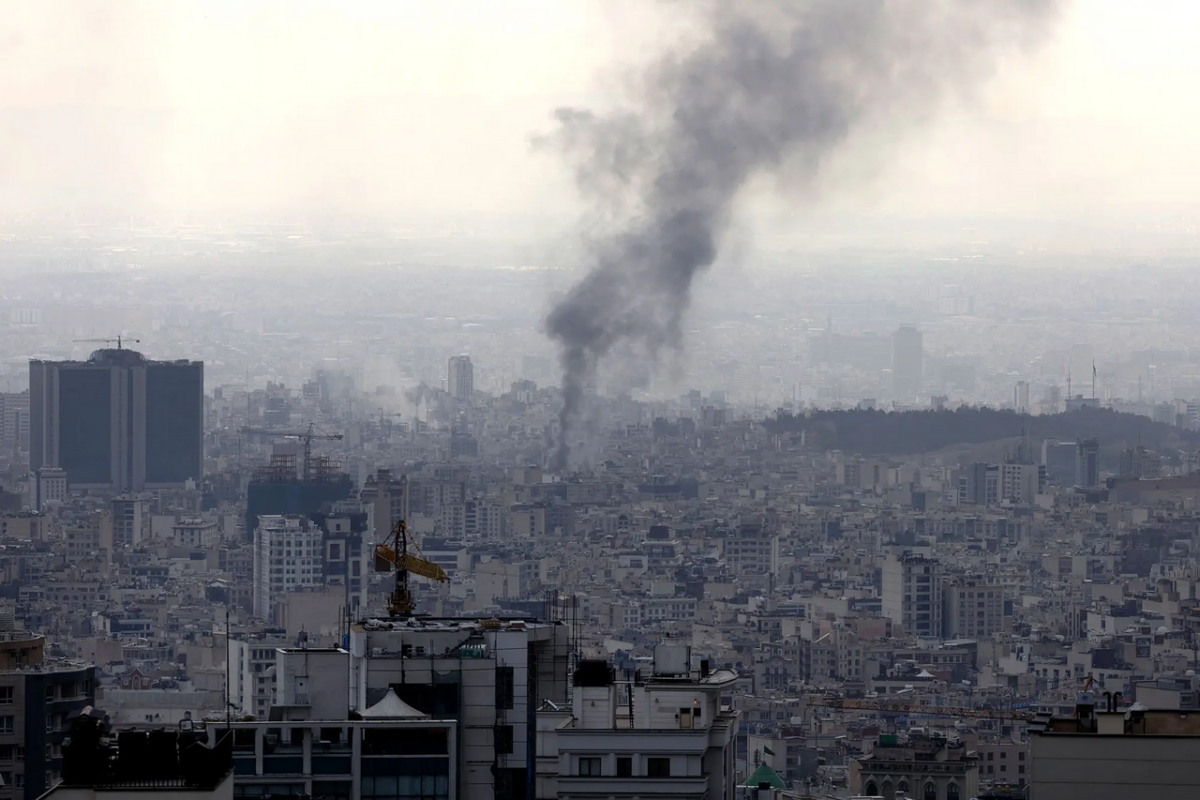 Mojtaba Khamenei’s election as Iran’s new supreme leader signals a hardline turn, stronger Revolutionary Guards, and rising risk of civil conflict. Experts warn his ascension marks the dynastisation of the Islamic Republic, exposing contradictions at the heart of the regime. “There is an alarming abundance of negative scenarios,” says Iranist Lenka Hrabalová. |
|


Geen opmerkingen:
Een reactie posten