Good morning.
Just over two years ago, a village mayor near the frontline in Ukraine told me EU funds were a choice between life and death.
“We need this to live. It is really important for us; without money, we have no hope. Our needs are too great,” said Liubov Shevchenko, Pravdyne’s mayor.
At the time, Hungary's prime minister Viktor Orbán was threatening to torpedo €50bn of aid to Ukraine only days ahead of an EU summit in early 2024.
Orbán ultimately backed down after being asked to leave the room, allowing the remaining 26 EU leaders to reach an agreement.
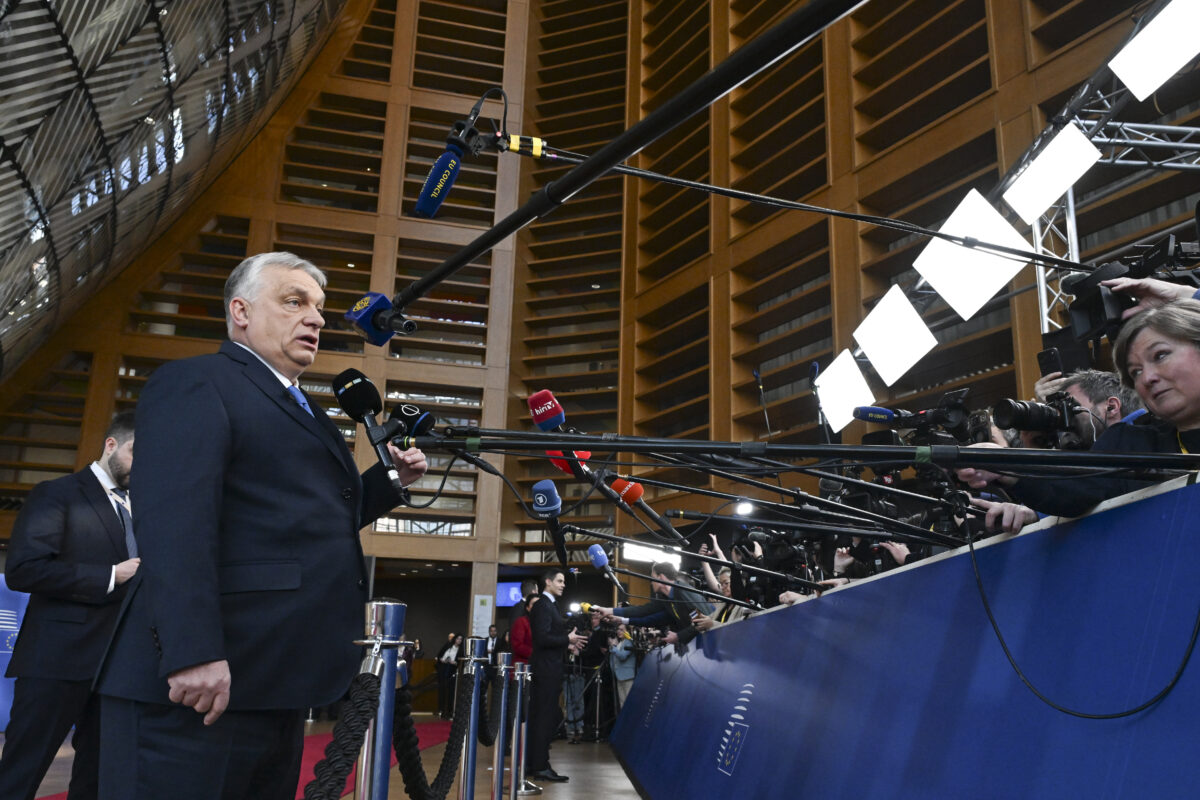
Now, he is employing the same tactics again by using Ukraine’s fate as leverage to appeal to his domestic audience in the lead-up to the April national elections.
On Thursday (19 March) morning ahead of the EU summit in Brussels, he described his country’s need for Russian oil as "existential" for Hungary.
He said this with a straight face, even though more civilians were killed in his neighboring country, Ukraine, in 2025 than in any other year since Russia launched its invasion.
I imagine Pravdyne's mayor Shevchenko would probably have some choice words for Orbán.
Last year, a Russian drone killed a one-year-old boy in the village. An elderly woman also sustained serious injuries.
Russia had occupied Pravdyne for nine months prior to its liberation by Ukrainian forces. But they had also left behind horrors: cluster bombs, mines, and murder.
During the siege, the Russians shot dead seven of the villagers. In an effort to conceal the crime, they hid the bodies in a house and blew it up.
Hundreds of mines had also been laid in the fields surrounding the village, making it impossible to sow crops.
Ukraine now faces renewed uncertainty as the escalating US–Israeli war against Iran sends oil prices soaring, in a development that stands to strengthen Russia’s hand and bolster its war economy.
All informed people know this - and Russian president Vladimir Putin's mouthpiece in Brussels does so too despite his “existential” rhetoric.
Nikolaj Nielsen, home-affairs editor
What else you need to know
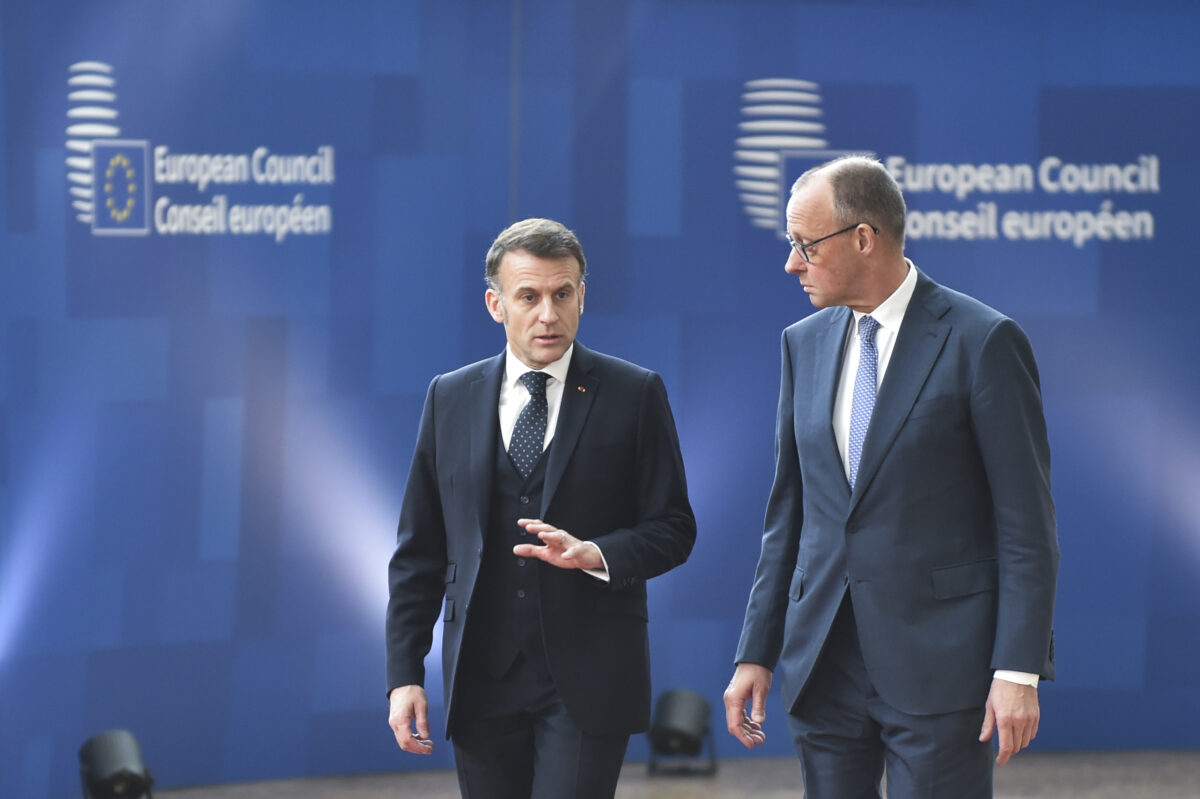
“As the [Middle East] region enters a period of religious holidays, I think everyone should calm down and the fighting should stop,” said French president Macron in Brussels.
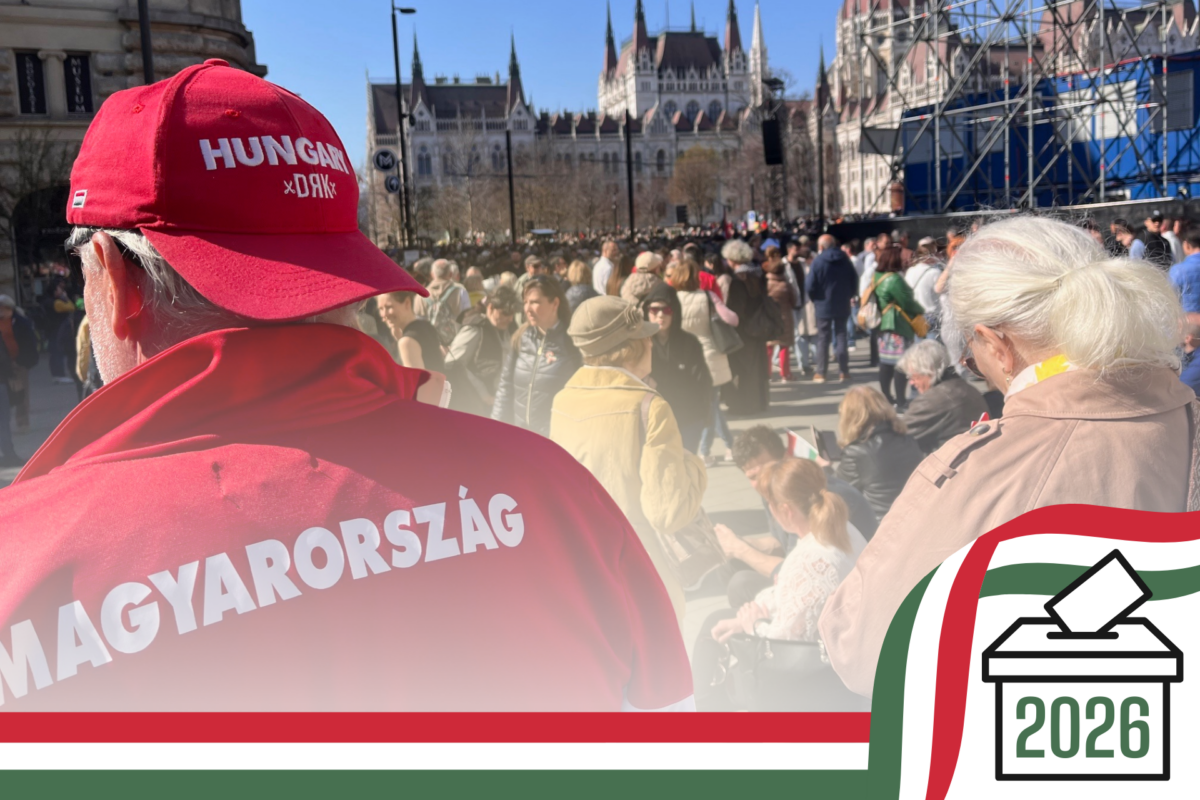
With just over three weeks to go, a literal ‘false flag’ operation at a Tisza rally, a potential JD Vance (but not Donald Trump) visit, some suspect candidates name-changing to confuse voters, and the latest opinion polling.
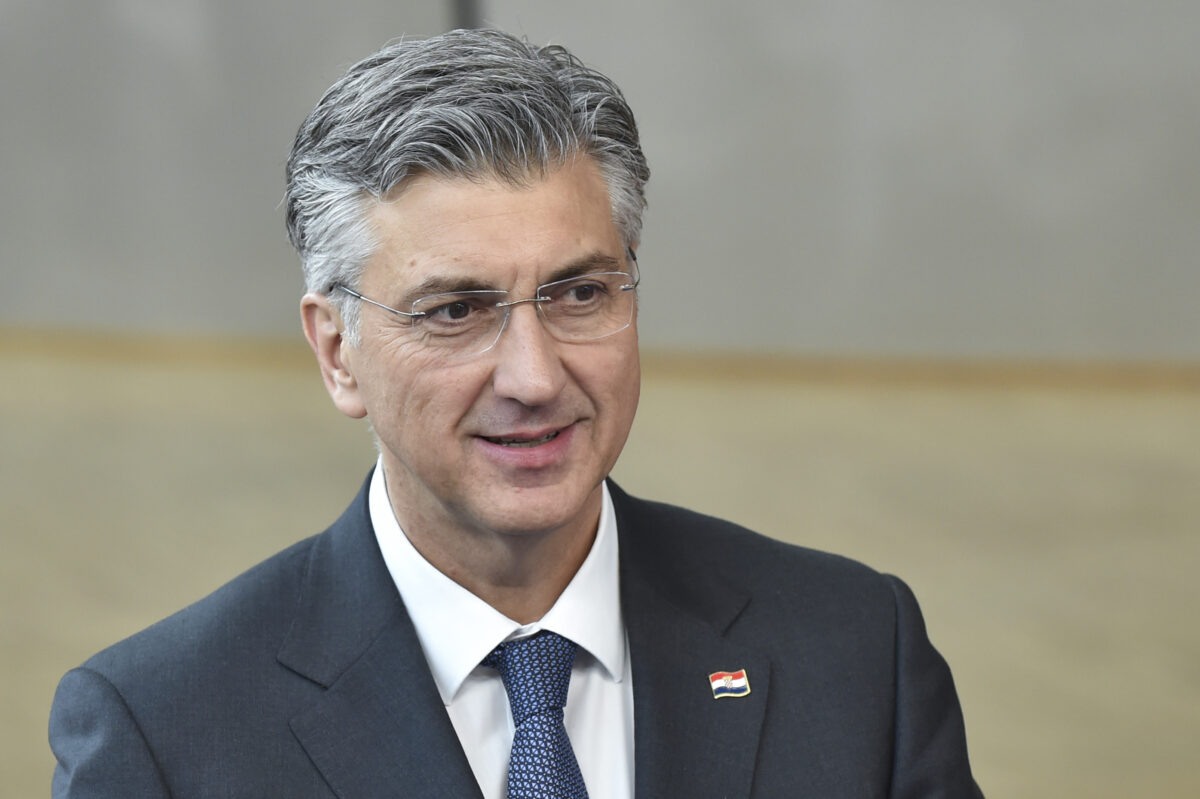
Croatia says 13 tankers carrying non-Russian oil are ready to supply Hungary, even as Budapest presses Ukraine to deliver cheaper Russian fuel in exchange for lifting its veto on a €90bn loan for Kyiv at Thursday’s EU summit.
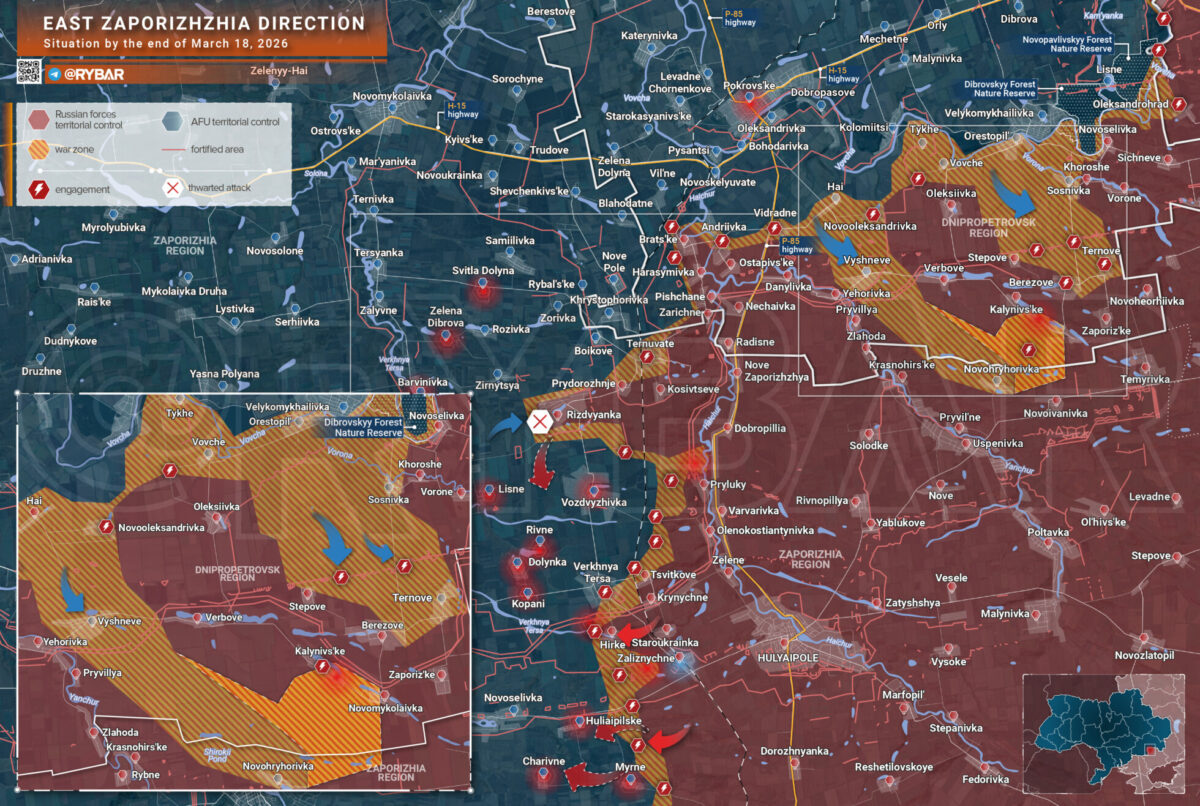
“Just before zero hour [midnight], the first [Russian] assault groups … moved off in the drizzle and ran straight into the drones,” said a Ukrainian commander.
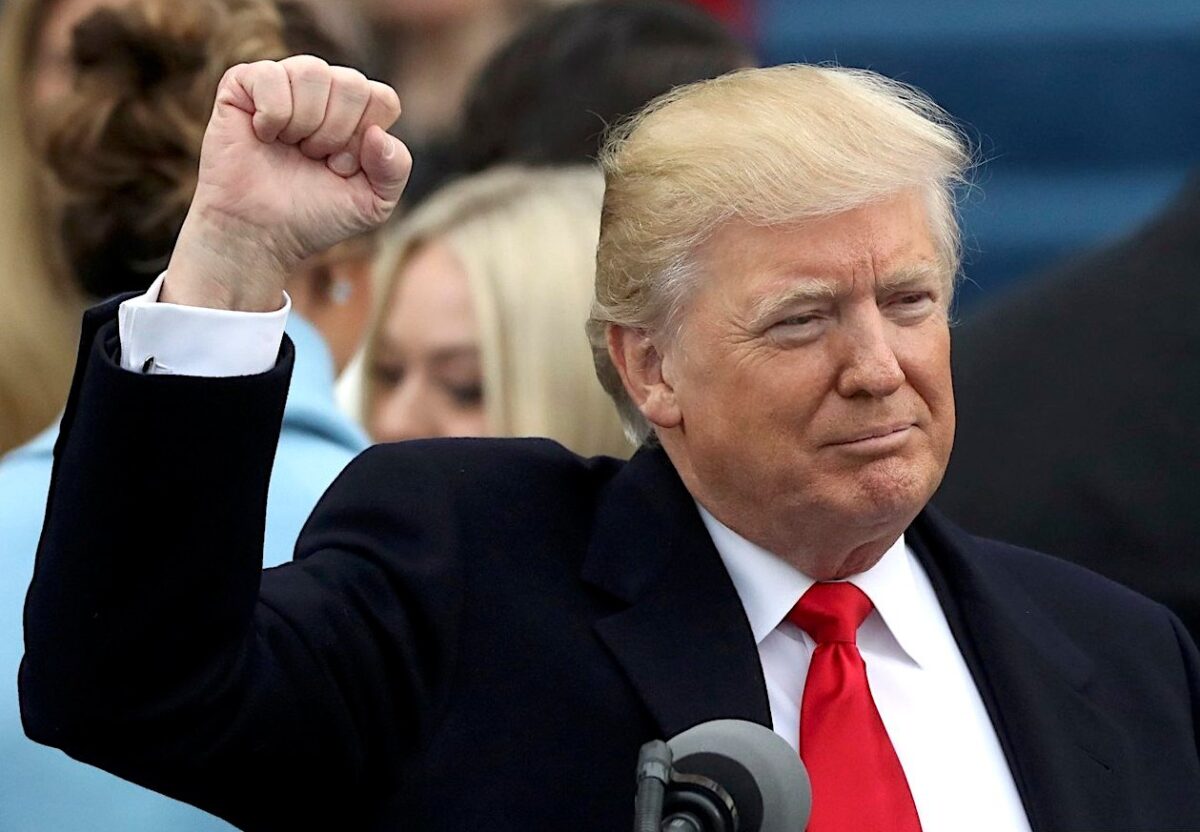
MEPs expect to take a final plenary vote on a hotly contested EU-US trade deal in Strasbourg next Thursday.
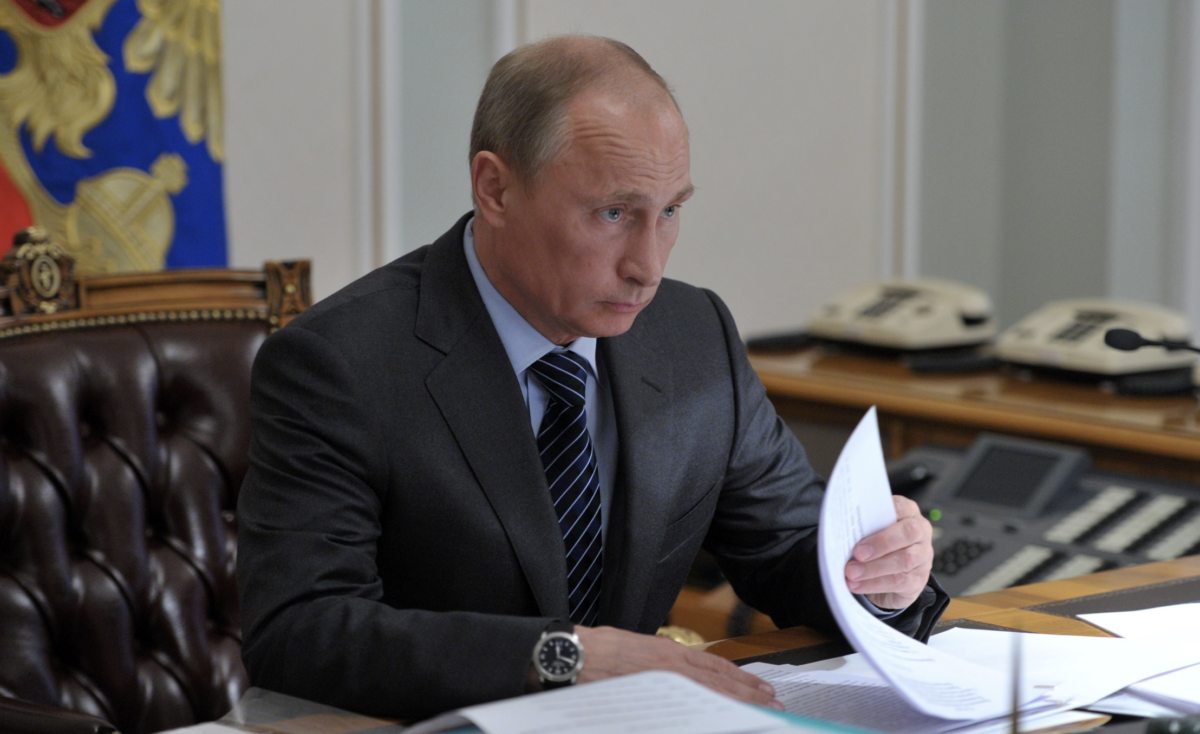
Russian president Vladimir Putin’s regime is testing a “sovereign internet” following the Chinese and Iranian model and is preparing a system of total censorship for cases of public discontent.
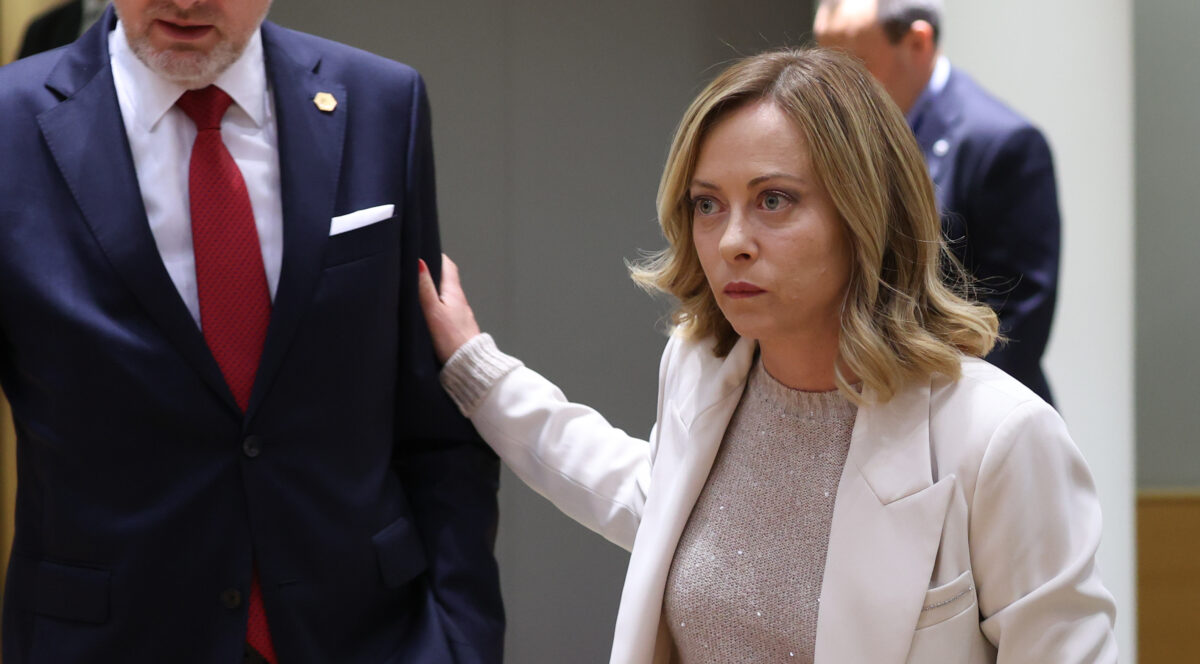
On March 22 and 23, Italians will vote in a referendum intended to curb the power of the country’s prosecutors. But the reform championed by prime minister Giorgia Meloni could produce the opposite effect, giving prosecutors even greater control over Italy’s justice system.
Ukraine faces a financial crisis as Hungary blocks the EU’s €90bn loan. Can Brussels convince Hungarian prime minister Viktor Orbán to lift his veto?
In case you missed it
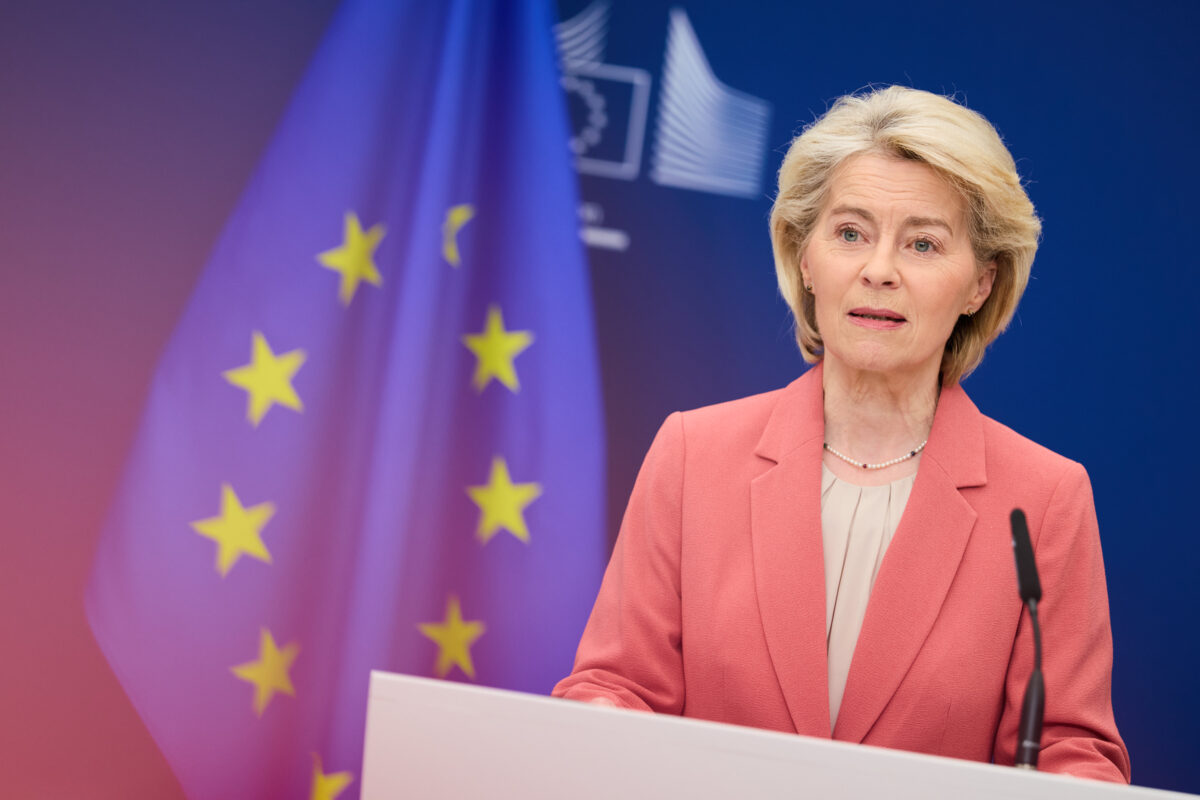
The so-called ’28th regime’ is intended to create a single European business code applicable across the EU.
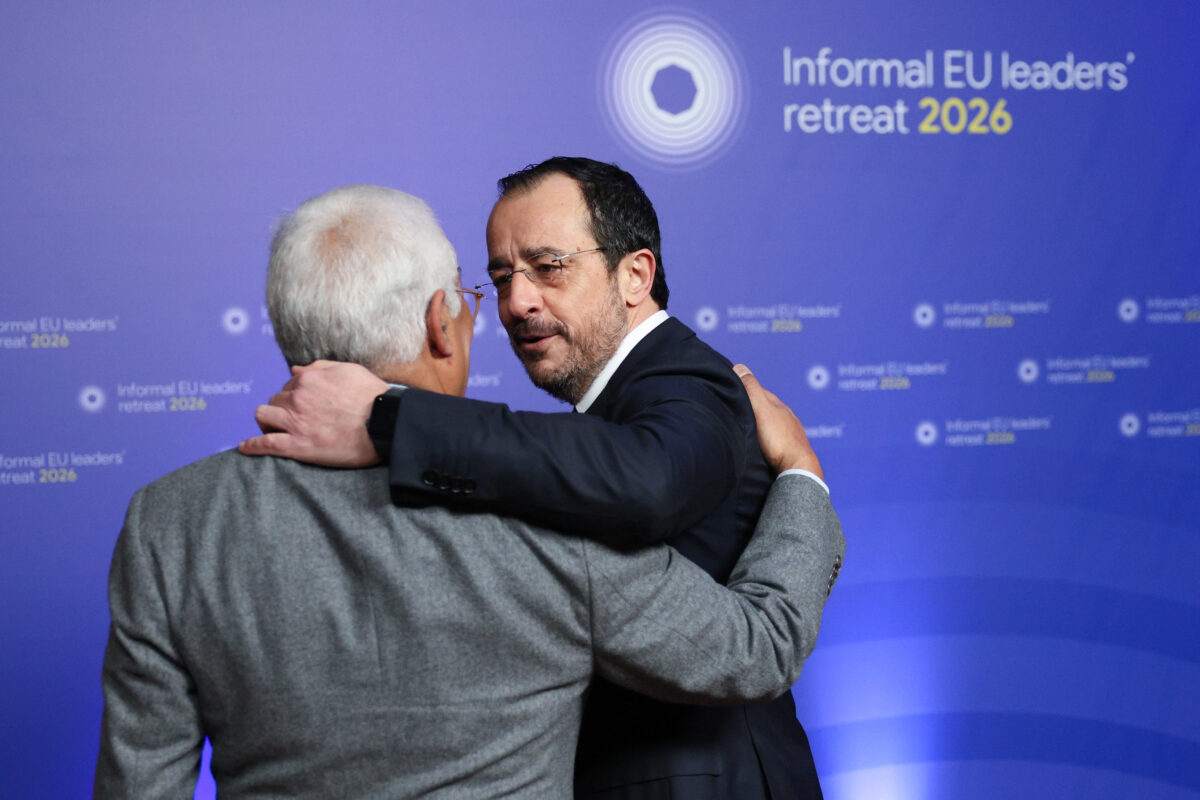
“We … gave flesh and bones to the [EU’s] mutual assistance clause,” Cypriot president said, after France and others sent warships to protect the island, which is a member of the EU but not Nato.
A blocking minority of member states is pushing to weaken the bloc’s carbon pricing mechanism — which requires industries to pay for their pollution.
The South African tribunal on agrotoxins wants its government to overhaul national laws on chemicals and pesticides and for the EU to apply a blanket ban on the sale of banned substances.
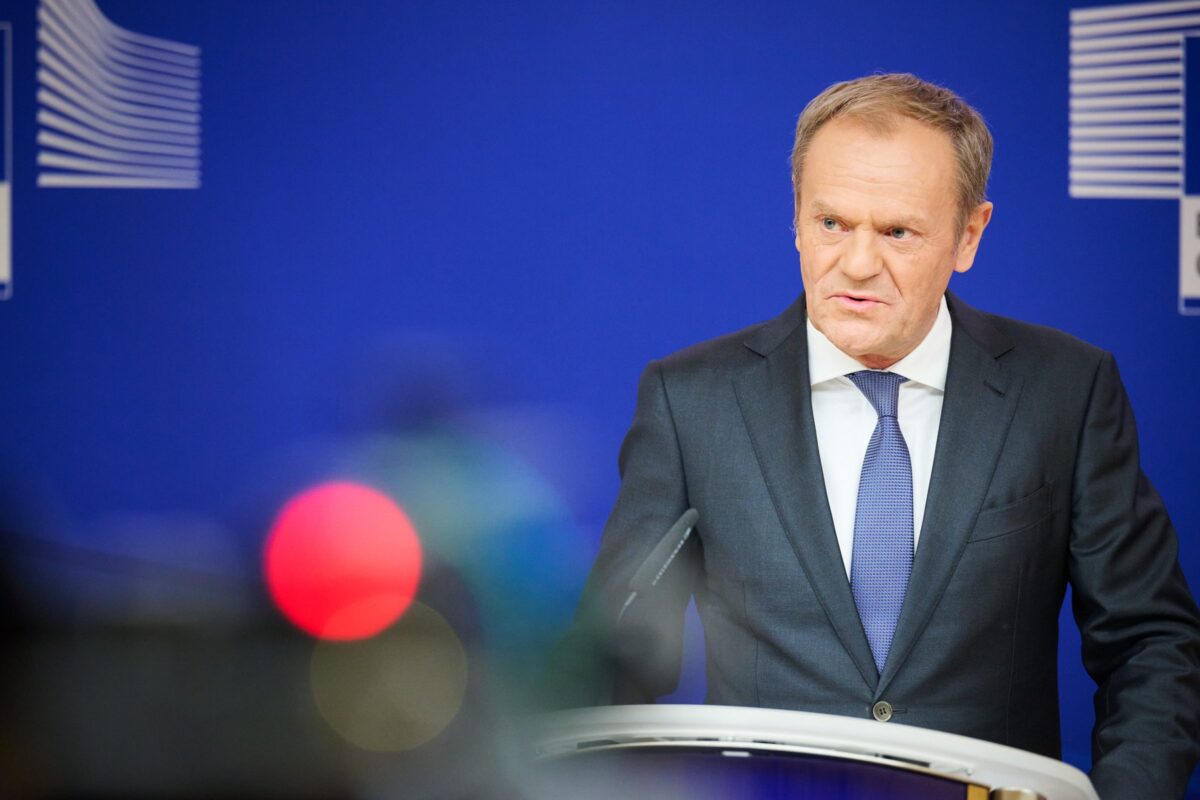
The Polish government is reaching for a workaround to access European loans for rearmament after president Karol Nawrocki vetoed a historic law enabling the EU’s SAFE programme. Meanwhile, an information campaign is spreading narratives of a ‘Narva separatist republic’ in Estonia, and a spy scandal is unraveling Slovenia’s election campaign.
“This number is larger than some armed forces in some of the European countries,” says Andriy Yusov, a Ukrainian intelligence spokesperson. Many come from post-Soviet states, but around 1,800 are Africans.
The strongest message that can come out of Thursday’s EU summit would be if European leaders fully commit themselves to completing the EU single market, without which Europe cannot unlock the growth potential needed to cover rising defence spending and build a truly inclusive economy, write Enrico Letta and Pascal Lamy.
Crowds pack the historic square of Eger on Tuesday, as Viktor Orbán campaigns like a rock star, drawing cheers and criticism alike. Supporters praise stability; sceptics cite failing services and demand change. With rival Péter Magyar gaining ground, Hungary’s election race reveals a country split between loyalty, fear, and growing political tension.
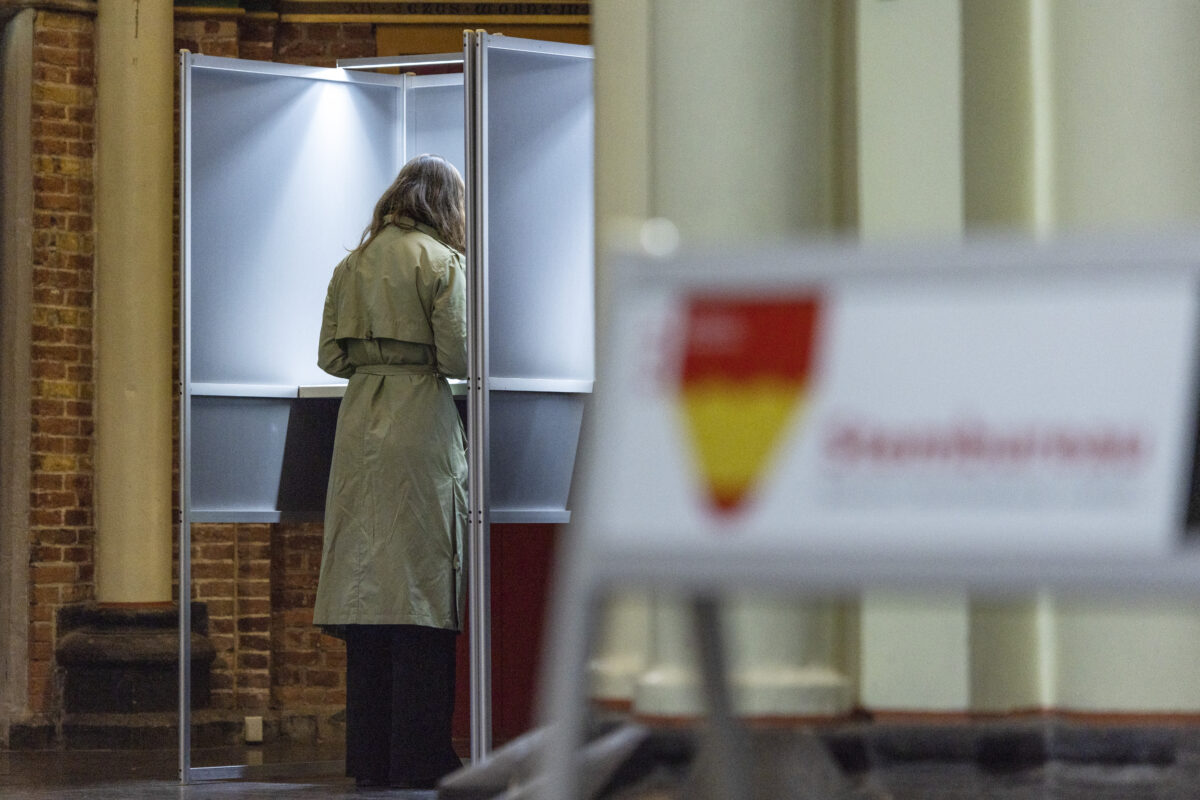
A stable but flatlining economy, social tensions with Roma, welfare payments and emigrating medics, and a fragmented Left are all shaping the Slovenian electoral campaign, ahead of the parliamentary elections on 22 March.
As someone who voted twice for European Parliament president Roberta Metsola, I believe she can win a historic third term — but only if she reassures MEPs that she represents the interests of parliament, and not national governments, writes MEP Barry Andrews.


Geen opmerkingen:
Een reactie posten