
Good morning.
If someone shot the Hungarian prime minister before the election in April it might be a "Gamechanger", but another pro-Russia and MAGA populist failed to take power in a hung Slovenian vote.
A "Gamechanger" is what Russia's 'SVR' foreign-intelligence service called staging a potential false-flag attack in Hungary in an internal report leaked to the Washington Post newspaper on Saturday (21 March).
"The staging of an assassination attempt on Viktor Orbán ... [would] fundamentally alter the entire paradigm of the election," the SVR said.
“Such an incident will shift the perception of the campaign out of the rational realm of socioeconomic questions into an emotional one [in his favour]," it added.
A European intelligence officer also told the US newspaper that Hungarian foreign minister Péter Szijjártó took regular phone breaks at EU foreign ministers' meetings in Brussels to give Russian foreign minister Sergei Lavrov "live reports on what’s been discussed".
Szijjártó and the Kremlin called the Washington Post story "lies", "fake news" and "disinformation".
But Polish prime minister Donald Tusk and foreign minister Radek Sikorski endorsed it on X, with Tusk saying: "That’s one reason why I take the floor only when strictly necessary [in EU meetings] and say just as much as necessary".
For his part, Orbán huddled with other pro-Russian populists at a 'CPAC' conference in Budapest on Sunday, which included Argentinian president Javier Milei, Georgian prime minister Irakhli Kobakidze, Austrian politician Herbert Kickl, German politician Alice Weidel, and Dutch politician Geert Wilders.
Orbán will be joined in Budapest on Monday by Polish far-right president Karol Nawrocki, as well as French, Italian, Portuguese, and Spanish far-right party leaders from his EU Parliament 'Patriots for Europe' group, but Russia's top EU asset might still fail, the leaked SVR report fretted.
“The majority (52.3 percent) are dissatisfied with the state of affairs in the country [Hungary] ... The dissatisfaction prevails not only in cities, but also in the rural areas (50.8 percent), where traditionally the ruling Fidesz party’s position is strong," the SVR report said, according to the Washington Post.
The Orbán family of friendly-Russia and MAGA populist EU leaders includes Slovak prime minister Robert Fico and Czech prime minister Andrej Babiš.
But their sibling, Slovenia's Janez Janša, failed to get back into power in elections on Sunday, where exit polls predicted a hung parliament after a low turnout of 21 percent.
Janša's SDS party came second with 27 seats out of 90, losing to the liberal GS party of incumbent prime minister Robert Golob with 30 seats, polls said.
But Golob will struggle to form a ruling coalition, meaning he might stay on in a caretaker role only until a new election is held in the next two months.
As in Hungary, the Slovenian vote was marred by spy tricks, amid revelations by the Mladina news website that Israeli private intelligence firm Black Cube had organised a smear campaign against Janša's rivals using covert recordings.
Meanwhile, if Szijjártó did phone Lavrov it would not be the first time a foreign power got live EU Council briefings.
Back on 15 January 2016, for instance, EU ambassadors on the Council's 'Political and Security Committee [PSC]' suspected their Greek colleague was feeding updates to Israel.
After the PSC leaks, a senior EU official told EUobserver at the time "there was a follow-up discussion at Coreper [another Council organ] where an element of [foreign] espionage was raised, but this was just to save face and to prevent someone from having to turn to the suspects [Greece] and say: ‘You fuckers did it’."
Unless the Washington Post has its own mole in the SVR, it means a Western spy service gave them the leaked Russian "Gamechanger" report.
Orbán is vetoing existential EU aid to Kyiv to try to get re-elected, on top of his years-long litany of pro-Russian, anti-EU, and illiberal acts.
And as the election date approaches in Hungary, it seems his EU colleagues are becoming readier to point the finger and say "you did it", in contrast to the more polite Greek incident 10 years ago.
Andrew Rettman, foreign-affairs editor
Top story

THIS WEEK: EU turns to Africa, as Middle East burns
EU will sign defence partnership with Ghana, after a series of coups reduced European power in west Africa.
What else you need to know
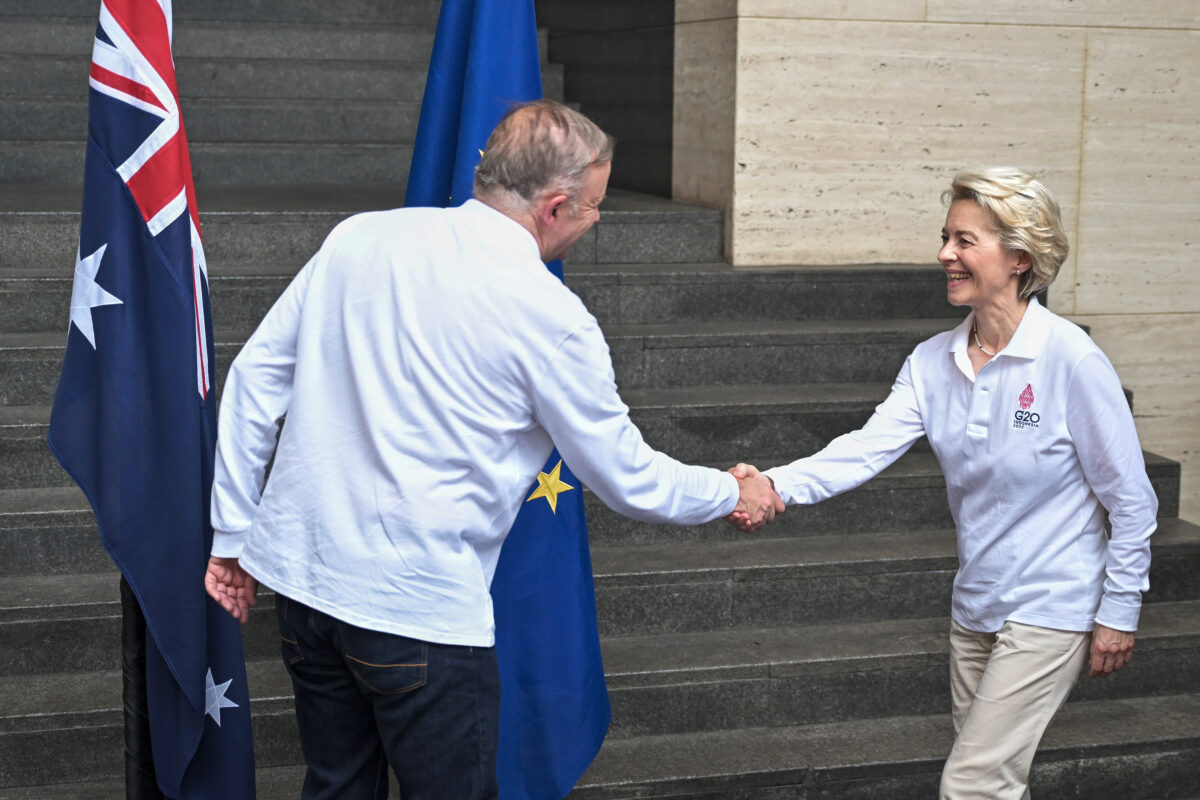
Beef and car duties on the line, as von der Leyen hopes for Australia trade pact
Beef quotas and the scrapping of an Australian tax on luxury cars are the main issues to be resolved by officials.

10 years on from the Brussels bombings, what about the victims?
On 22 March 2016, Brussels Airport became the site of the deadliest terrorist attack in Belgium’s post-war history. 13 minutes later, at 9:11 am another blast was heard in Maelbeek metro station, a few kilometres away.
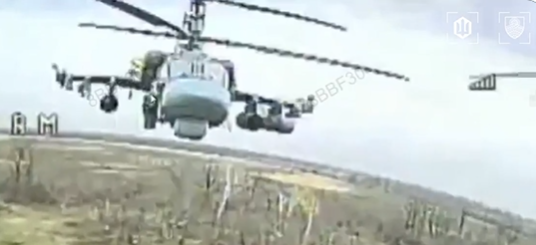
Crimea air-defences bleeding, drone downs Russian Ka‑52 chopper (Ukraine Battlefield update, day 1485):
A Ukrainian drone knocked out a Russian helicopter in a rare incident, while massed drone attacks degraded air defences in Russian-occupied Crimea.

[Interview] Journalist who was followed by Russian agents in Vienna: ‘If they want to find something out, they will’
Interview with Anna Thalhammer, who exposed Austrian journalists suspected of working for Moscow, why the country treats Russian espionage so casually, and how its history has shaped this attitude.

Did EU ‘right to repair’ law force Apple to finally make a repairable Macbook?
For a decade, ‘Apple Engineering’ was a masterclass in planned obsolescence. Now the new Neo is the most repairable Mac in 15 years. This is not due to some sudden surge of corporate altruism — the Neo exists because of a hard deadline: 31 July 2026.

El Niño is coming, meteorologists say ‘super’ version is possible
In recent history, the El Niño phenomenon has in most cases brought exceptionally hot and wild weather. And 2026 is likely to be the same, especially its second half.
Listen: Will the EU carbon market pay the price of the energy crisis?
Europeans are looking for answers to the energy crisis. Several EU member states are proposing to revise how the carbon market works, so that it weighs less on prices. But could this actually make a difference?
In case you missed it
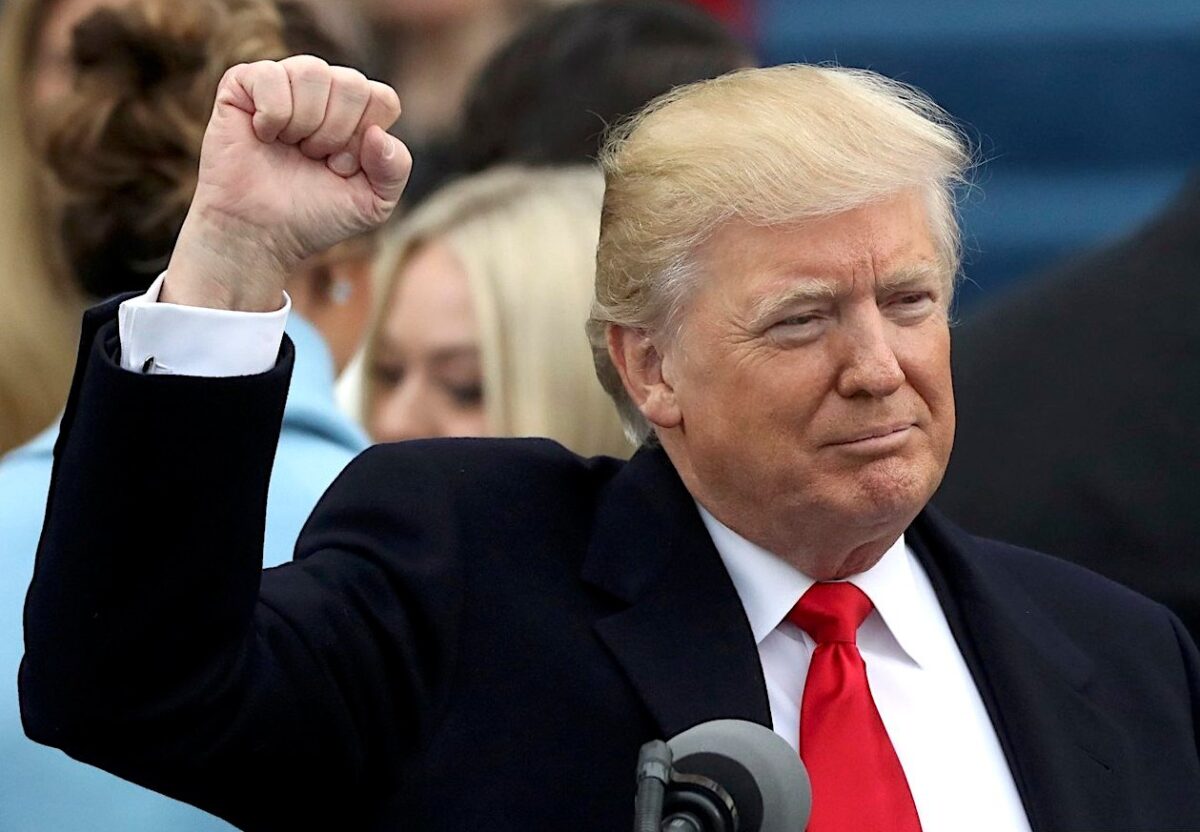
MEPs greenlight US trade pact after steel promises
MEPs expect to take a final plenary vote on a hotly contested EU-US trade deal in Strasbourg next Thursday.
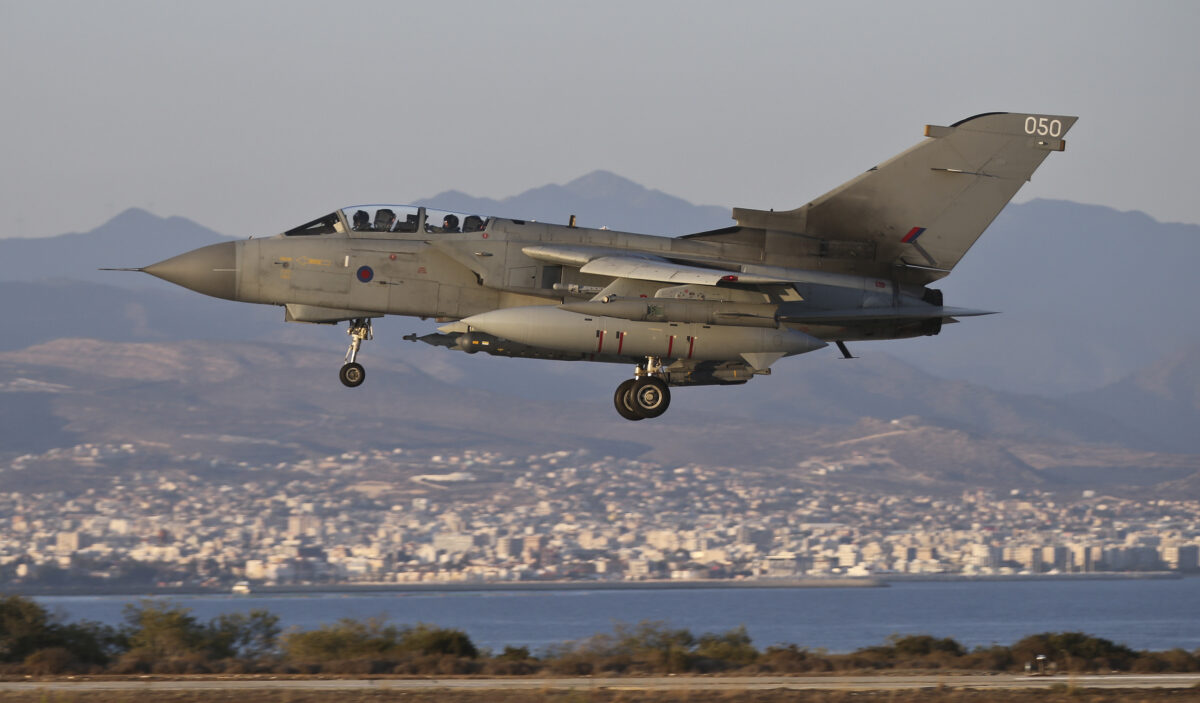
Despite growing opposition, closing the UK military bases in Cyprus would not be easy
Cypriots have long felt that — far from providing protection from the tribulations of their geographical neighbourhood —the existence of two British sovereign base areas on the island effectively placed a target on the back of Cyprus and therefore of Cypriots.
Spain’s Sánchez attacks other EU leaders for exploiting energy prices to gut climate policies
“Unfortunately, some governments are using this crisis and the rise in electricity prices to undermine climate policies,” Spain’s socialist prime minister Pedro Sanchéz said on arrival at an EU leaders summit in Brussels.
Cyprus looks to EU joint-defence, amid Nato split on Iran
“We … gave flesh and bones to the [EU’s] mutual assistance clause,” Cypriot president said, after France and others sent warships to protect the island, which is a member of the EU but not Nato.
Croatia readies oil for Hungary, as Orbán sticks to EU-Kyiv loan veto
Croatia says 13 tankers carrying non-Russian oil are ready to supply Hungary, even as Budapest presses Ukraine to deliver cheaper Russian fuel in exchange for lifting its veto on a €90bn loan for Kyiv at Thursday’s EU summit.
MEPs greenlight US trade pact after steel promises
MEPs expect to take a final plenary vote on a hotly contested EU-US trade deal in Strasbourg next Thursday.
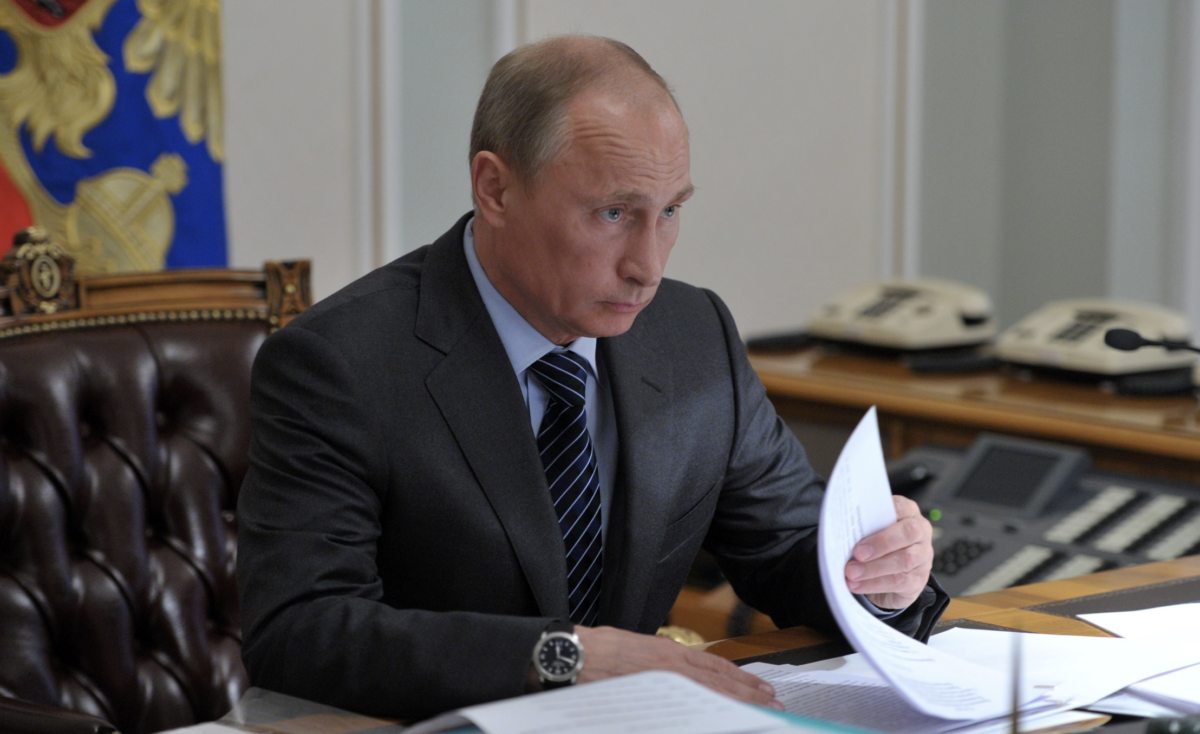
Russia pulls the mobile internet plug: citizens told to ‘navigate by the stars’
Russian president Vladimir Putin’s regime is testing a “sovereign internet” following the Chinese and Iranian model and is preparing a system of total censorship for cases of public discontent.
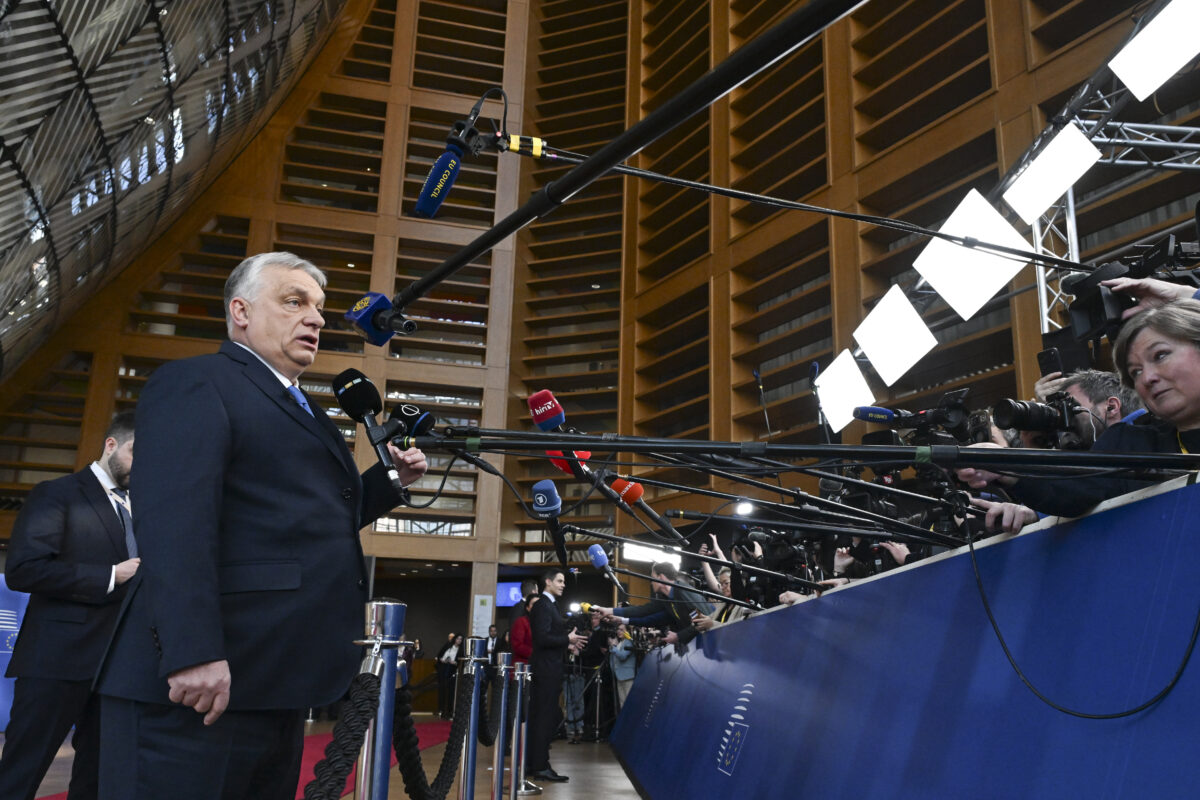
EU leaders enraged as summit ends with Orbán vetoing €90bn Ukraine aid
EU leaders failed to convince Hungary to lift its veto on Ukraine support, as president Volodomyr Zelensky lamented the blockage.
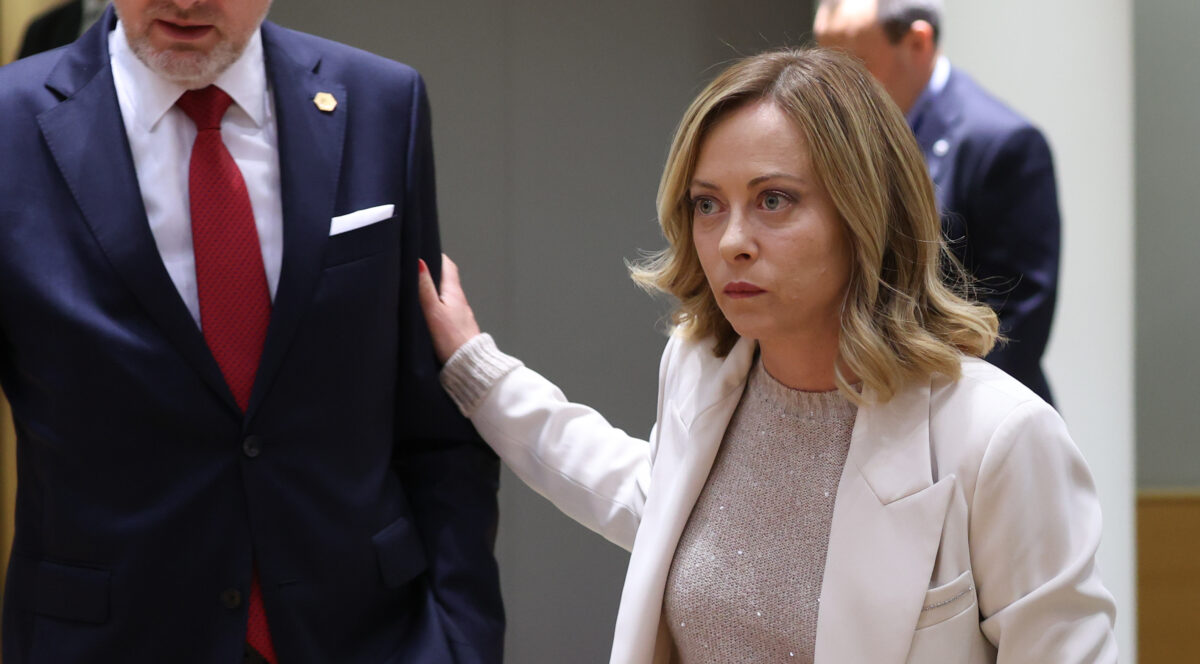
Meloni wanted to tame Italy’s prosecutors. She may end up empowering them instead
On March 22 and 23, Italians will vote in a referendum intended to curb the power of the country’s prosecutors. But the reform championed by prime minister Giorgia Meloni could produce the opposite effect, giving prosecutors even greater control over Italy’s justice system.

Geen opmerkingen:
Een reactie posten