Good morning.
The United States and the EU may have spent much of the past year in a bruising trade battle, culminating in an agreement that MEPs will sign off this week, but their officials are marching in lockstep ahead of the World Trade Organization’s bi-annual ministerial summit in Cameroon.
They both want the WTO’s Most Favoured Nation (MFN) principle to be re-opened and reformed.
The MFN principle is based on equal treatment in trade terms between countries. The Trump administration’s position reflects a view that trade is a zero-sum game where the most powerful – like the US – should dictate the terms and has basically declared war on the traditional concept of free trade.
EU officials have repeatedly stressed over the past two years that they are committed to the so-called ‘rules-based order’. Yet the EU’s trade commissioner Maroš Šefčovič has given his support for reforming MFN.
In truth, the EU’s ire is aimed at China, who Brussels accuses of subsidising a wide range of industries and drafting its rules on procurement and exports of rare earths, to take a couple of examples, to shut out foreign companies. Those complaints are at the heart of Brussels’ multi-sector trade dispute with China that also covers excess supply in the electric vehicle and steel sectors.
The question is whether the EU should position itself alongside the US on WTO reform when their positions are so different. Commission president Ursula von der Leyen is currently in Australia hoping to shake hands on a free trade deal, part of the EU’s agenda to diversify the bloc’s trade relationships.
But for one thing, there are several hundred other countries apart from China. Developing and middle-income countries in southern Asia, Latin America and Africa, for the most part, want to do more and cheaper trade with Europe. But if the EU indicates that it and the US view them with hostility or indifference, they will shift their attention elsewhere. After Trump’s so-called ‘Liberation Day’ tariffs last April, China responded quickly by offering tariff and quota-free trade to Africa’s 54 countries.
If the EU is serious about the ‘rules-based order’ it should start by not undermining one of its bastions.
Ben Fox, trade and geopolitics editor
What else you need to know
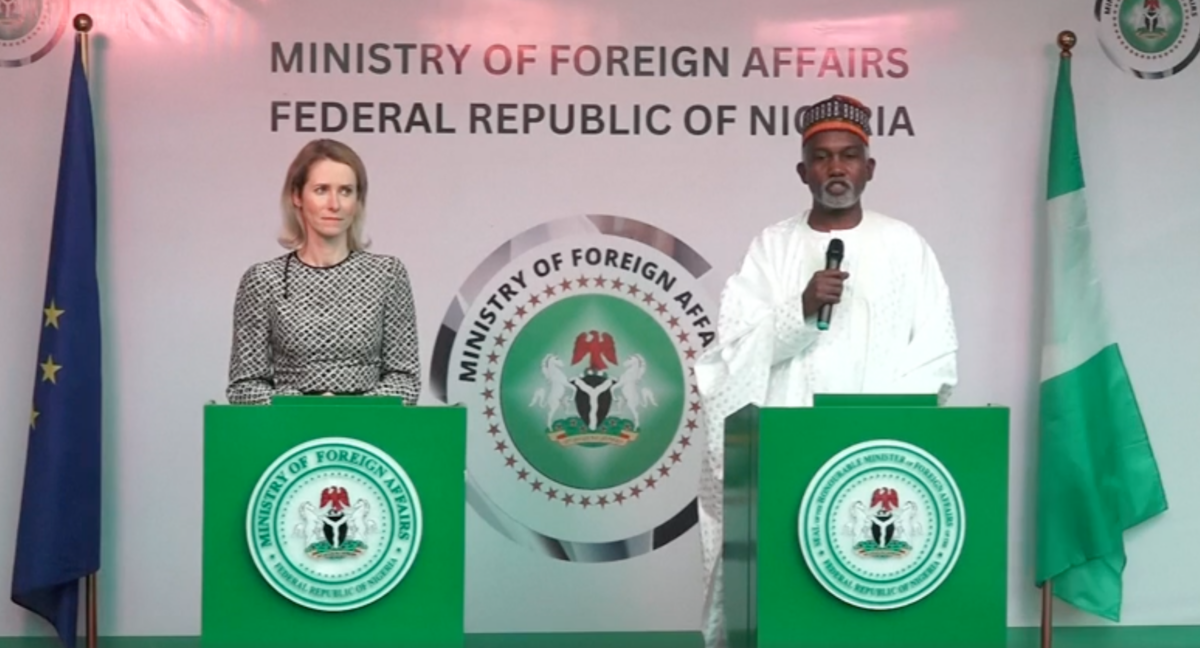
The EU and Nigeria have made progress on the ‘strategic partnership’ first announced in 2023, unveiling a returns and readmission agreement for failed migrants on Monday.
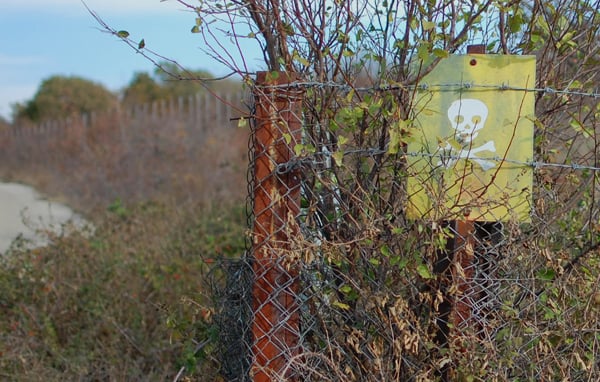
Operating under the supervision of three Greek officers, the Afghan unit robbed, stabbed, threatened rape, and beat 61 newly-arrived migrants in 2023, says the report.

While diplomatic efforts by the Lebanese government are failing, authorities are reporting further attacks on civilian infrastructure as well as on central Beirut. We summarise what is happening in the south of the country, the current chances for a ceasefire, and how the war in Lebanon is linked to Syria.
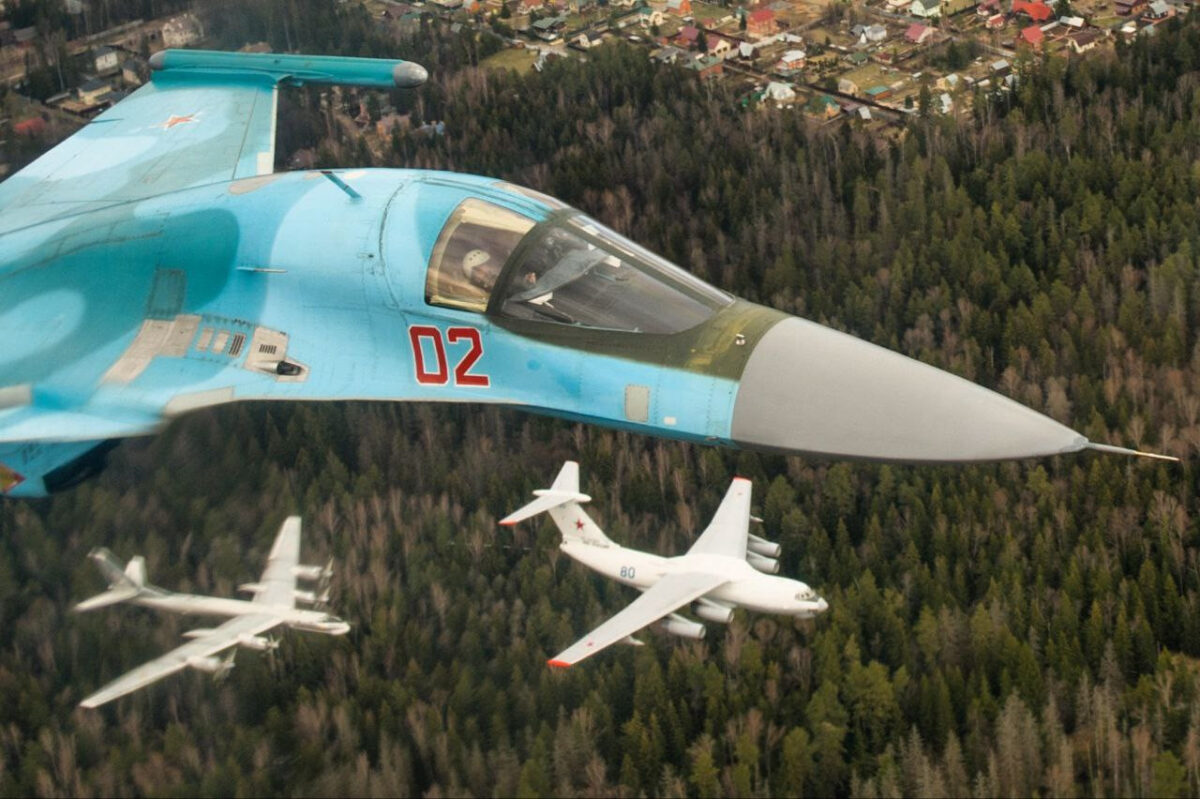
Leaked documents reveal frequent Russian aircraft technical failures and crew errors, as Ukraine successfully downed a Ka-52 helicopter using FPV drones. On the ground, Russian forces advanced near Hryshyne, while Ukraine reported repelling a major mechanised assault near Borove.
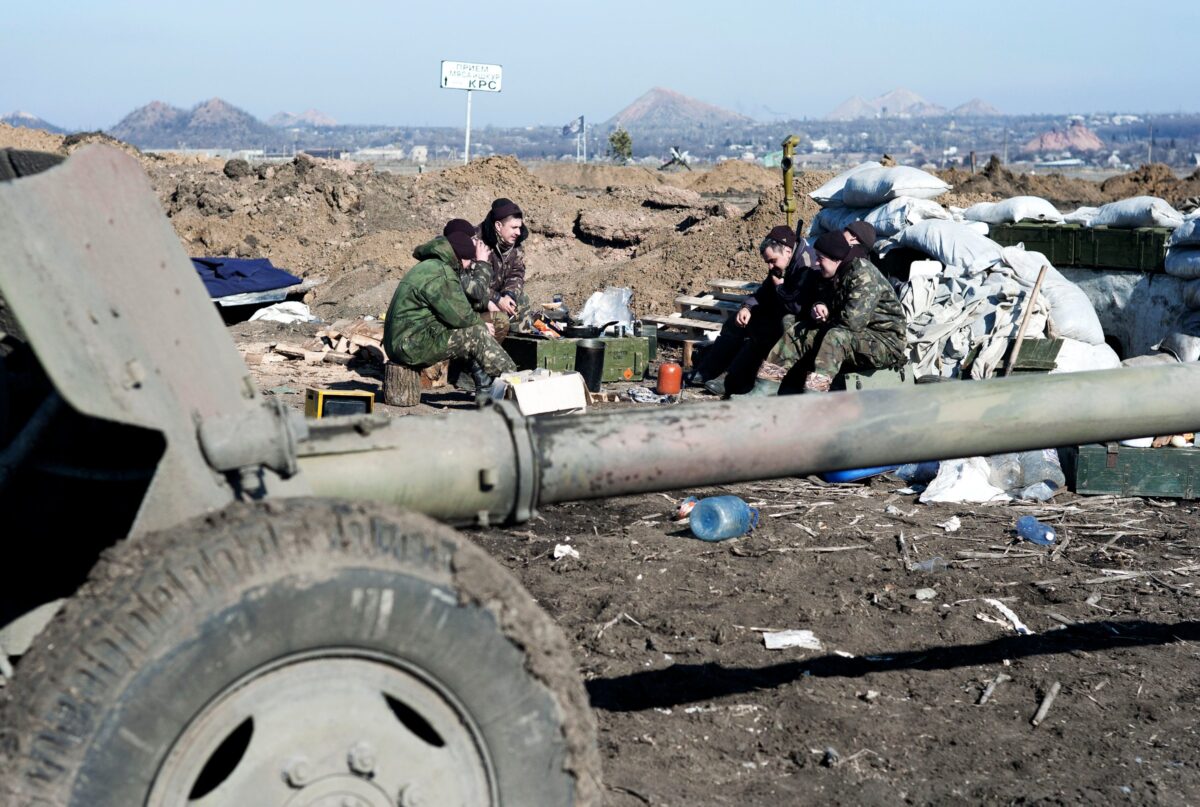
Europe is about to spend billions of euros on defence. But what happens if citizens later discover that part of that money was lost to corruption, problematic procurement chains, or poorly supervised contracts?
In France and across Europe, the right casts the left as a threat. Yet left-wing parties still find ways to unite at the ballot box. At the same time, far-right actors are increasingly normalised, while anti-capitalist groups are pushed to the political margins.
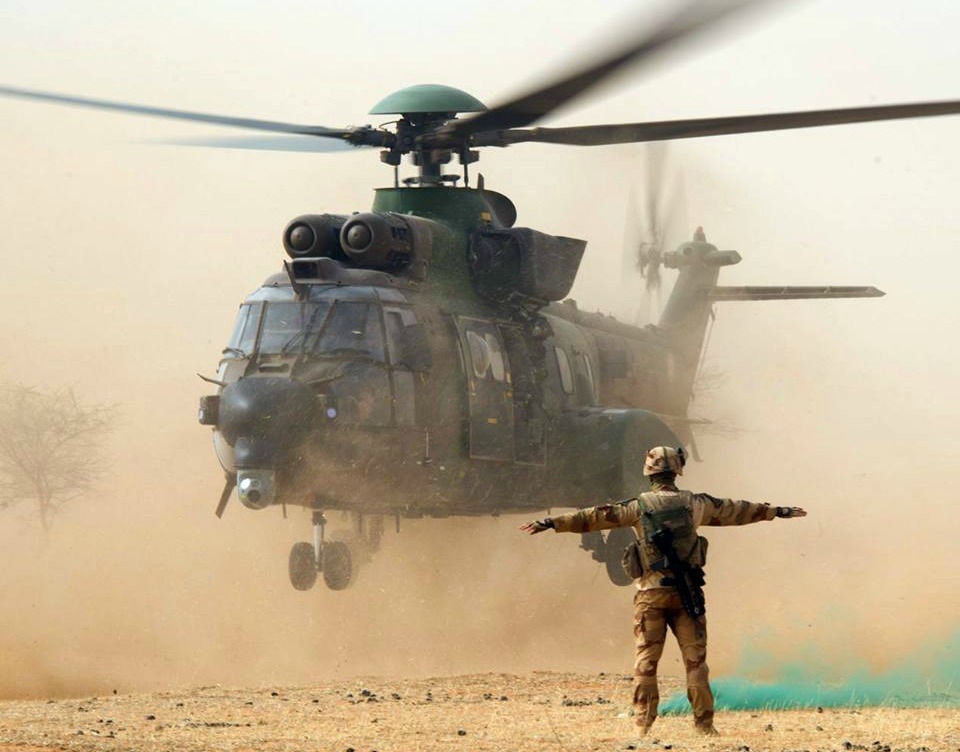
EU will sign defence partnership with Ghana, after a series of coups reduced European power in west Africa.
In case you missed it
Beef quotas and the scrapping of an Australian tax on luxury cars are the main issues to be resolved by officials.
Interview with Anna Thalhammer, who exposed Austrian journalists suspected of working for Moscow, why the country treats Russian espionage so casually, and how its history has shaped this attitude.
On 22 March 2016, Brussels Airport became the site of the deadliest terrorist attack in Belgium’s post-war history. 13 minutes later, at 9:11am another blast was heard in Maelbeek metro station, a few kilometres away.
For a decade, ‘Apple Engineering’ was a masterclass in planned obsolescence. Now the new Neo is the most repairable Mac in 15 years. This is not due to some sudden surge of corporate altruism — the Neo exists because of a hard deadline: 31 July 2026.
In recent history, the El Niño phenomenon has in most cases brought exceptionally hot and wild weather. And 2026 is likely to be the same, especially its second half.
The South African tribunal on agrotoxins wants its government to overhaul national laws on chemicals and pesticides and for the EU to apply a blanket ban on the sale of banned substances.
The EU’s key water law is under pressure amid intensified lobbying by the mining industry. DeSmog analysis shows sector meetings with EU officials tripled in the year before the European Commission pledged to “review and revise” the Water Framework Directive.
The EU has spent the last five years building the most ambitious digital regulatory framework on earth. It has regulated platforms, algorithms, AI models, political advertising, environmental claims, and data brokers. It has legal definitions for “very large online platforms” and “general purpose AI models.” But it doesn’t have one for “influencer” – and that’s an interesting oversight.


Geen opmerkingen:
Een reactie posten