Good morning.
Washington is anxious to see the US-EU trade deal approved at a European Parliament vote this Thursday (26 March) — but it is also threatening to impose higher tariffs and the end of favourable liquified natural gas (LNG) terms if it fails.
The deal, struck last July at Trump’s Turnberry golf club in Scotland, was supposed to be simple: a 15-percent tariff ceiling for the EU’s exports in exchange for dropping industrial and agricultural duties on US products to zero. The main aim was to avert the 30-percent tariff threat initially floated by US president Donald Trump.
Under EU procedures, the deal still required approval from the European Parliament. But in response to the Greenland crisis and the recent ruling of the US Supreme Court limiting tariff powers, MEPs have delayed the vote on several occasions and introduced amendments — a "multi-tiered safety net" that Washington views as a breach of the original political agreement.
The sticking points? A so-called ‘sunrise clause’ — meaning the US doesn’t get its new tariff rates until it proves it’s actually honouring its side of the bargain — and a ‘sunset clause’ that kills the deal in 2028 unless both sides agree to prolong it.
The vote is still expected to pass as most political groups are likely to vote in favour, with the European People’s Party — the largest group in the parliament — pushing for adoption.
But US ambassador to the EU Andrew Puzder has been blunt, saying the failure to pass the deal would amount to "economic malpractice” and warned that the US could respond by adding new tariffs, pointing to what happened with South Korea.
In January, Trump said he was raising tariffs on Seoul from 10 percent to 25 percent on the grounds that South Korea was "not living up” to a previous commitment.
But energy is the real leverage. Puzder told the FT that these amendments risk losing the EU’s "favourable " access to American LNG. This comes at a time when the war in the Middle East is causing severe disruption to Qatari LNG production, and European gas prices have already nearly doubled.
Washington knows exactly where we’re vulnerable, as did Russia in 2022, and it’s not afraid to use that leverage. The question is whether Europe has learned anything from the last energy war, or if we are simply swapping one master for another.
Elena Sánchez Nicolás, editor-in-chief
What else you need to know
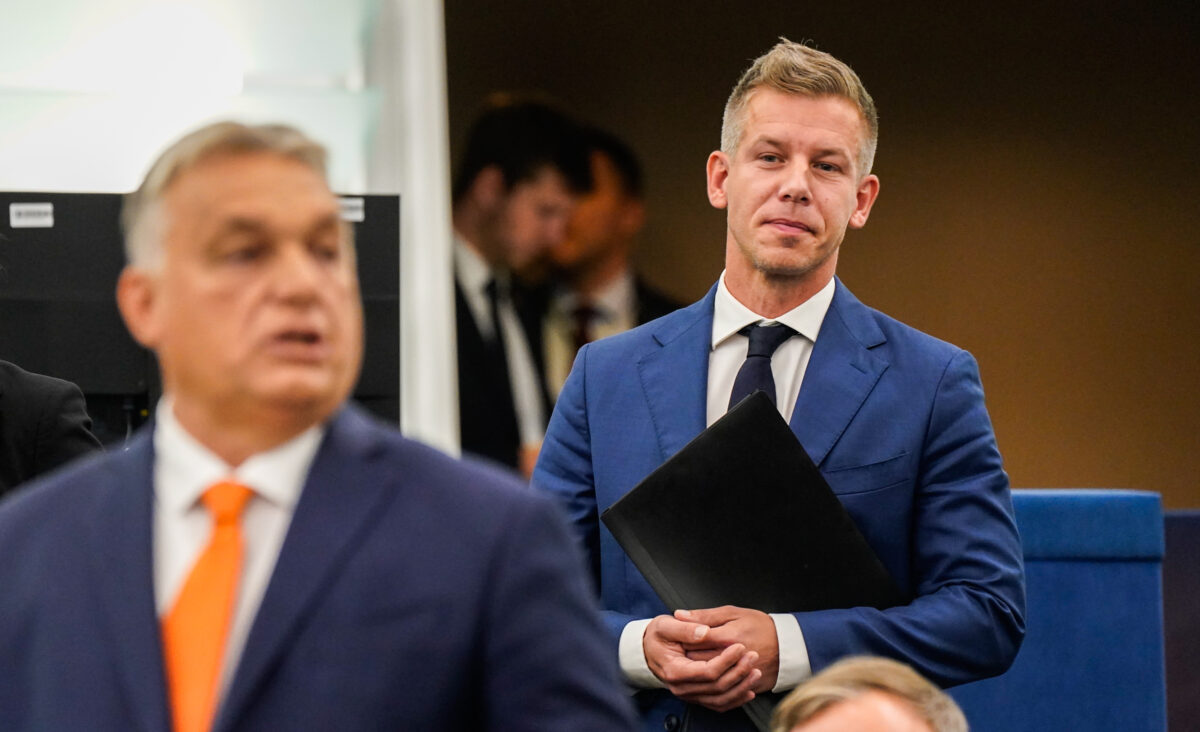
Viktor Orbán’s Fidesz needs fewer votes than the opposition Tisza party to stay in power, as the electoral system still favours the incumbent. In this article, we examine the most likely developments after the Hungarian elections on 12 April.
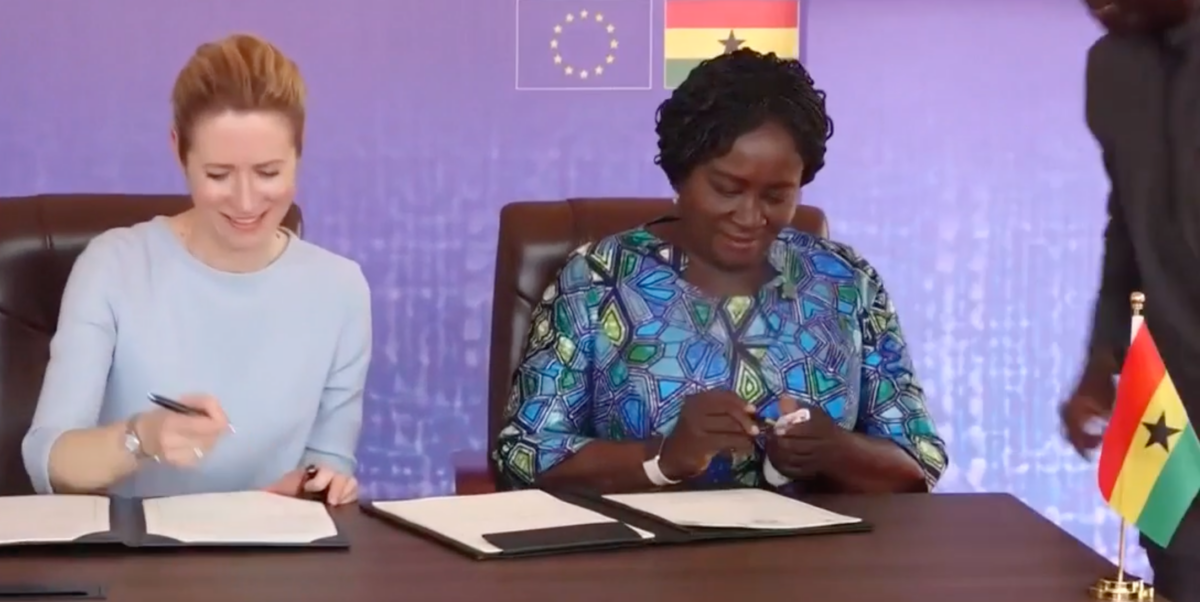
A report by the All Eyes on Wagner investigative group listed 1,417 fighters from 35 African countries who had joined the Russian army between 2023 and mid-2025, 316 of whom have been killed. Ghana’s West African neighbour Cameroon has suffered the highest losses: 94 of its 335 recruits have been killed during Russia’s war in Ukraine.
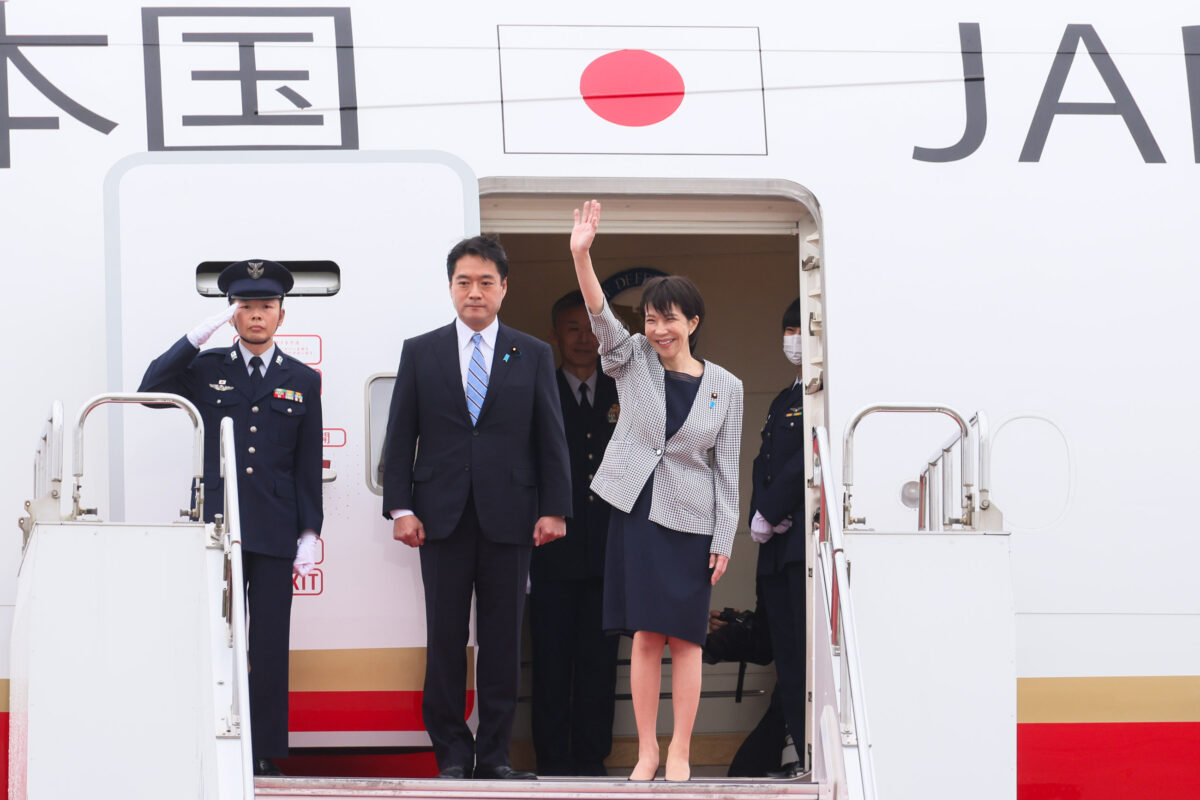
Europe should recognise that Japan has already confronted dilemmas we are only now fully acknowledging: how to stay open without becoming exposed, and how to deepen security ties without trading away a rules-based identity.
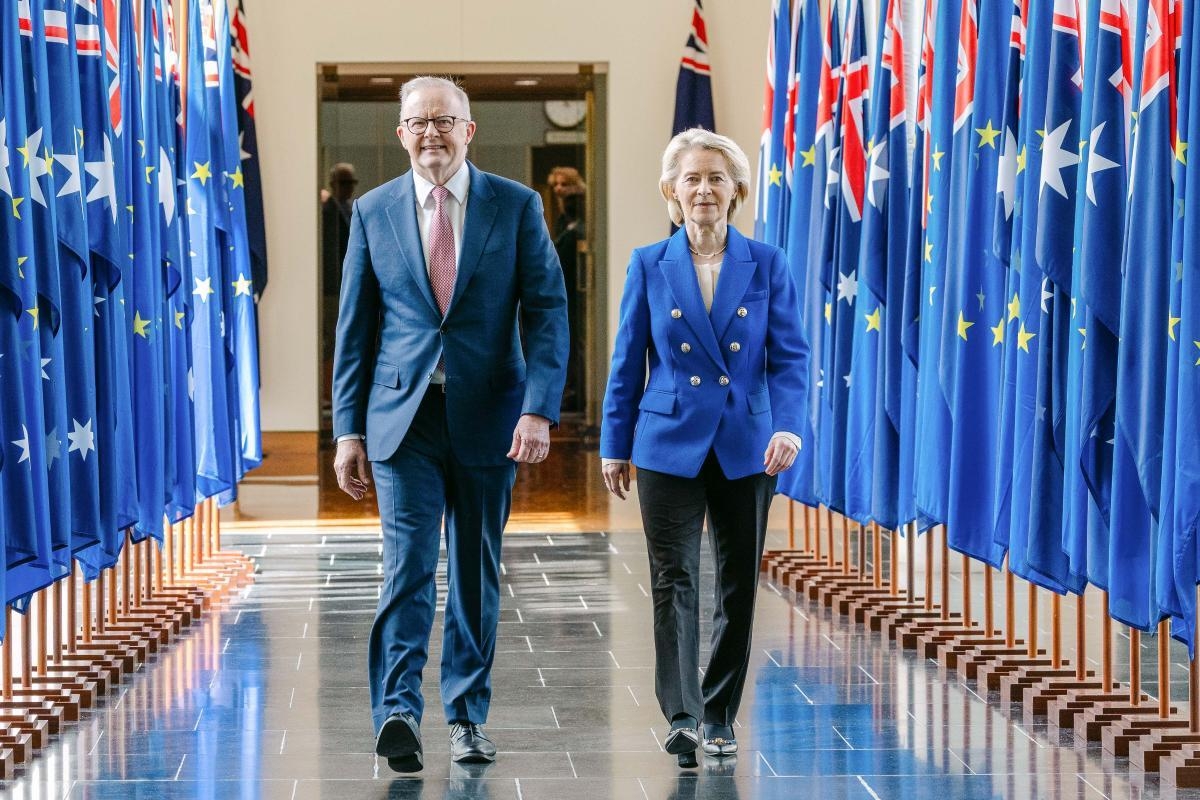
The deal grants Australia quota-based access for beef, lamb, and dairy products to the EU, while European exporters gain near-zero tariffs on vehicles, dairy, and other goods.

Debates are becoming more muted as equality experts and activists learn to be silent on questions like Gaza and the illegal US and Israeli attack on Iran for fear of losing their access to much-needed EU funding. It is, as one conference participant says wryly: “The new Brussels effect”.
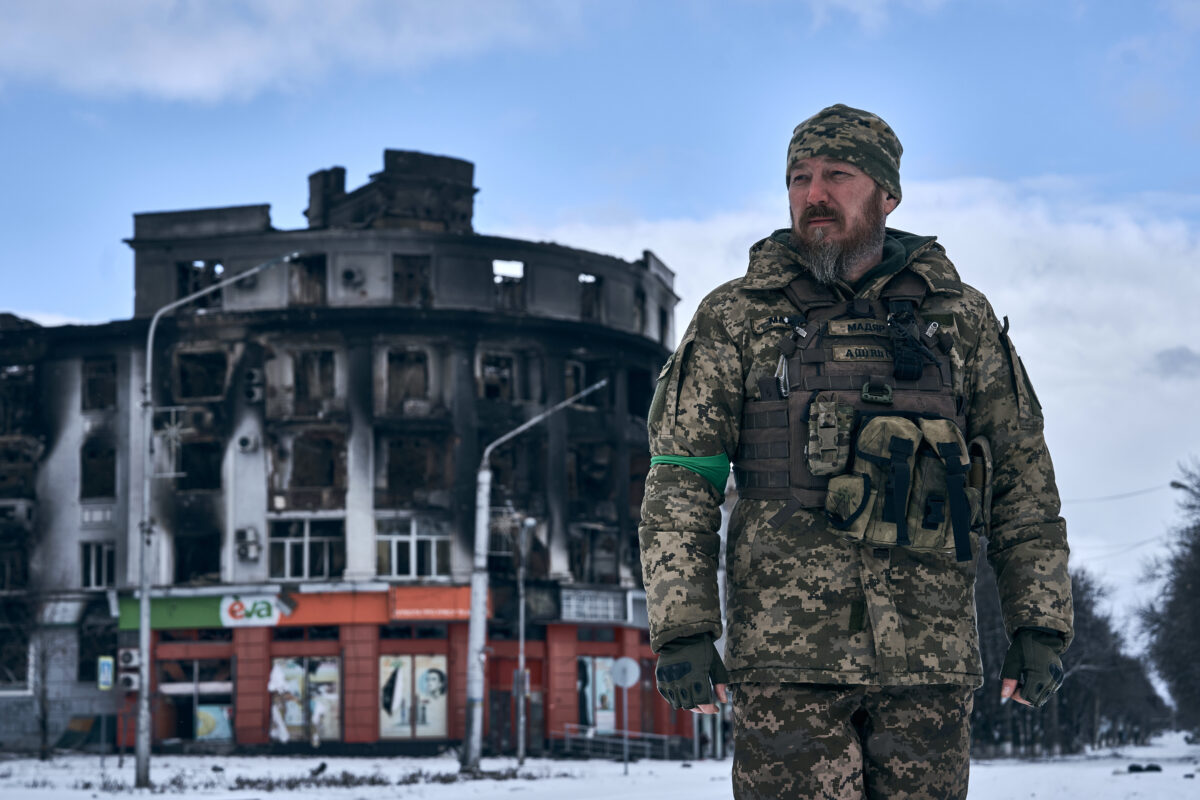
The cost of “eliminating” a Russian soldier was €758, said Magyar: “We should be exchanging plastic and metal for dead Russians. It is the best exchange rate”.

Roughly a third of the world’s fertiliser exports pass through the Strait of Hormuz, a narrow chokepoint now blocked by Iran in response to being attacked. Within days of the latest escalation, fertiliser prices surged, with urea (a nitrogen-based fertiliser) jumping sharply across global markets.
Peace talks between Ukraine and Russia are constantly being delayed. That’s what Ukrainian president Volodymyr Zelensky stated last week. As his country begins to run out of missiles and financial support, can Zelensky still hope to get out of this war with dignity?
In case you missed it
A leaked transcript of a 2020 phone call suggests Hungary’s foreign minister sought Moscow’s help to bolster a Slovak ally ahead of a pivotal election, raising fresh questions about Budapest’s ties to the Kremlin and deepening concerns within the EU over trust, influence and the handling of sensitive information.
The EU and Nigeria have made progress on the ‘strategic partnership’ first announced in 2023, unveiling a returns and readmission agreement for failed migrants on Monday.
While diplomatic efforts by the Lebanese government are failing, authorities are reporting further attacks on civilian infrastructure as well as on central Beirut. We summarise what is happening in the south of the country, the current chances for a ceasefire, and how the war in Lebanon is linked to Syria.
Europe is about to spend billions of euros on defence. But what happens if citizens later discover that part of that money was lost to corruption, problematic procurement chains, or poorly supervised contracts?
The EU’s key water law is under pressure amid intensified lobbying by the mining industry. DeSmog analysis shows sector meetings with EU officials tripled in the year before the European Commission pledged to “review and revise” the Water Framework Directive.
EU will sign defence partnership with Ghana, after a series of coups reduced European power in west Africa.
Water-resource conflicts already happening in Spain, Ireland and the Netherlands will only worsen now that the EU Commission plans to triple data centre capacity in Europe over the next five to seven years. Little thought has been given to the oligopolistic cloud market and how it will evolve if the EU triples its data centre capacity.
Poland’s own accession path in 2004, and its unique relationship with Kyiv, provides lessons and strategy on Ukraine’s EU membership process. No other EU member has been so intertwined with Ukraine and understands the specific post-Soviet structural hurdles it now faces
As 2026 marks the 40th anniversary of Chernobyl, commemorating it as a historical aberration allows Europe to move on without reckoning. Treating it as a warning about the limits of nuclear governance would require something harder: political humility.
The Russian head of world chess, Arkady Dvorkovich, has two faces – a politically-correct one FIDE wants the EU to see, and a pro-war face that attacked Ukrainian ‘Nazism’. It’s the latter one that may now see him slapped with an EU visa-ban.



Geen opmerkingen:
Een reactie posten