Good morning.
Two decades on, the EU's services market is still broken
Services make up 70 percent of EU GDP and employment, but account for just 20 percent of cross-border trade. On Wednesday, the European Court of Auditors explained why: roughly 60 percent of the barriers identified back in 2002 are still standing today.
The report's lead auditor, Hans Lindblad, blamed the commission for “lacking ambition.”
“It's not our job to explain why that is,” he added. But for the past two decades, “the commission has proposed a whole bunch of proposals which have all been rejected.”
It's easy to blame national capitals. Several plans failed after member states blocked them, refusing to cede control to Brussels over who does business in their country.
But part of the blame lies with the commission, which hasn’t properly mapped out what the potential (financial) gains could be if those barriers were to be removed. And there are also signs that the EU executive is simply too lenient.
It took Brussels more than 20 years to convince Italy to stop automatically renewing beach concessions to private (often family-run) businesses and open them up for public tender. By any measure, that's a long time.
And slow enforcement is making things worse for businesses. On average, the commission takes 15 months to handle complaints, with some cases dragging on for more than five years.
National "one-stop shop" portals for cross-border paperwork are “largely inadequate” with many failing to offer even basic information in English. Only three of the 27 member states run them properly, the auditors found.
The EU's free dispute resolution service, which helps businesses with cross-border legal issues and employs 200 people according to the website, handled just 25 cases in all of 2024. Companies, it seems, simply do not know it exists.
The auditors are now calling on the commission to fix both, and to build a clearer case for why removing barriers is worth it, even if only to give national capitals the political cover to actually act.
Wester van Gaal, economy editor
What else you need to know
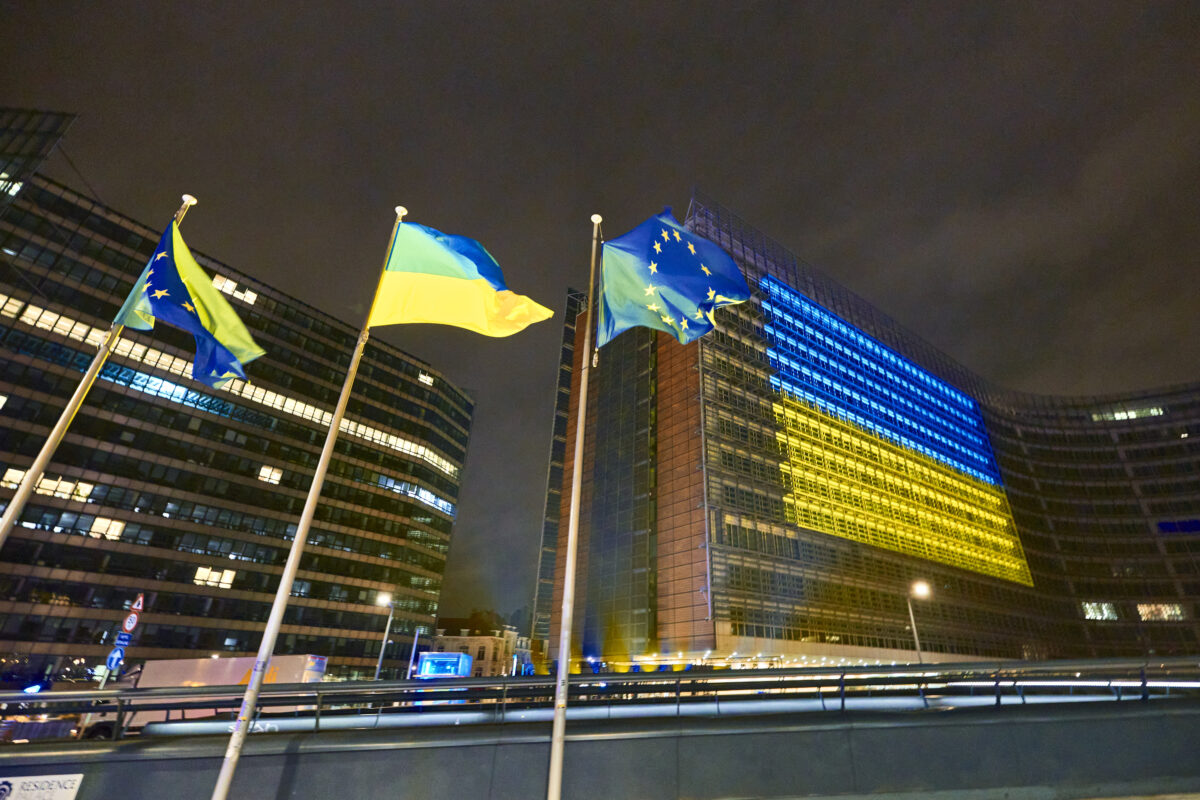
Hungarian leader was “shameful” and doing the bidding of “external autocrats,” said the centre-left Spanish MEP Iratxe García Pérez.
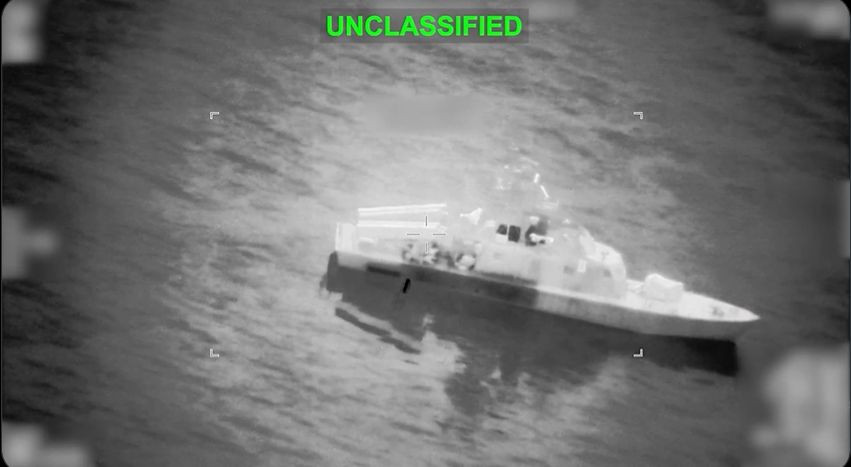
As Qatar’s gas stops flowing to Europe and Iran chokes the Strait of Hormuz, energy prices are surging and tensions have spiked. US threats raise the stakes — but reopening this vital artery is far from simple, with risky military options, asymmetric warfare, and the looming threat of mined waters hanging over global trade. Here are some basic questions and answers.
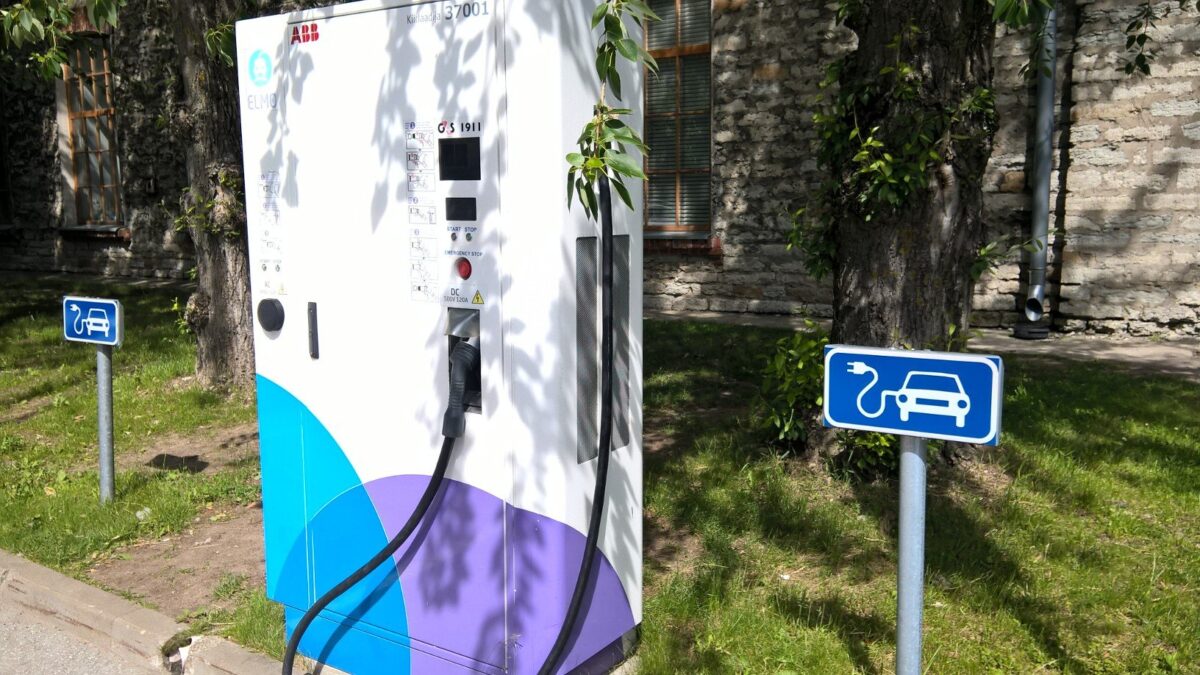
European industry faces a difficult year, but for some companies there may be an exception: these are mainly suppliers and installers of solar systems.
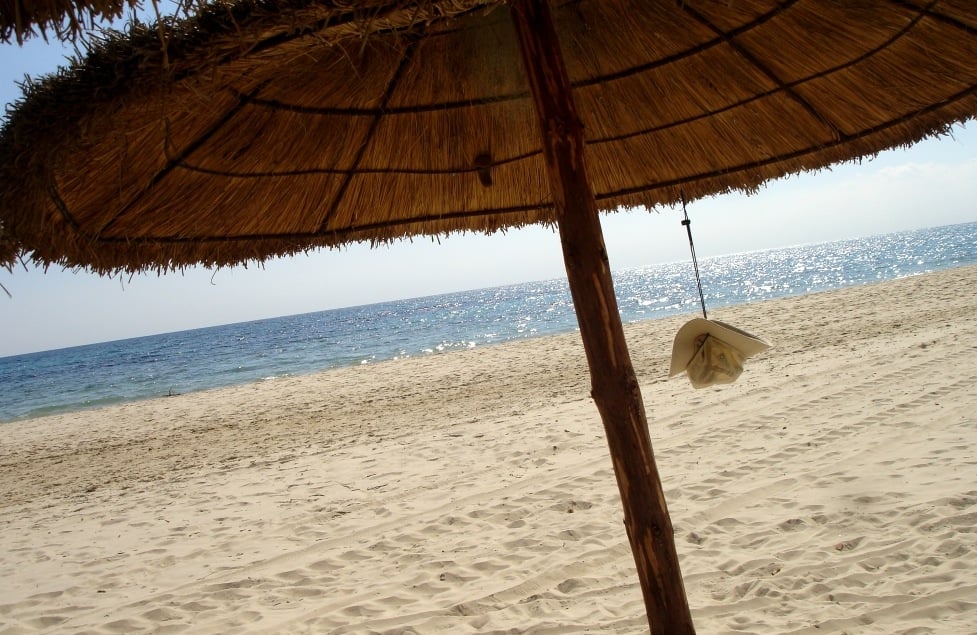
A new report finds Brussels has made little headway in opening up Europe’s services markets since the landmark Services Directive came into force in 2006.
“Mechanised armies of the 20th century have lost their meaning and the infantryman has reached the limits of human capability,” said one Russian military expert.
The initiative aims to give the government power to arbitrarily persecute anyone, including universities, activists, media, NGOs and others. Those who opt not to register would face fines of up to €600,000.
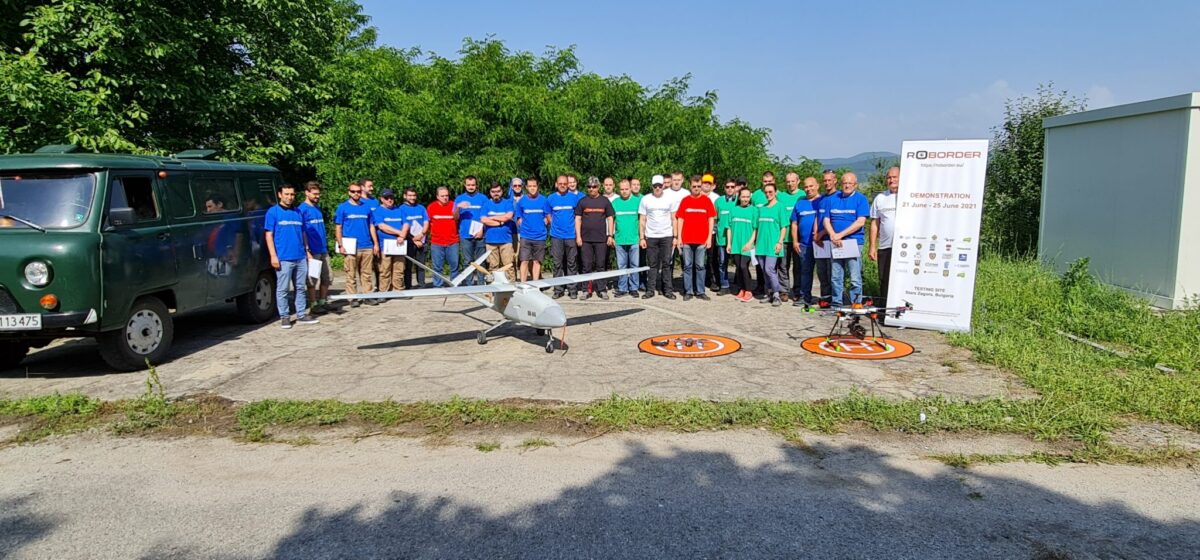
Universities play a significant, if often obscured, role in the development, perpetuation and expansion of Fortress Europe, says the Transnational Institute report.
Is Giorgia Meloni’s grip on power slipping? After a stinging referendum defeat over judicial reforms, the Italian PM faces her first major domestic setback. Could this first setback weaken her both in Italy and internationally?
In case you missed it
Russian oil deliveries to Hungary jumped from 61 percent of its imports in 2021 to 93 percent in 2025 despite the Ukraine war.
Viktor Orbán’s Fidesz needs fewer votes than the opposition Tisza party to stay in power, as the electoral system still favours the incumbent. In this article, we examine the most likely developments after the Hungarian elections on 12 April.
A report by the All Eyes on Wagner investigative group listed 1,417 fighters from 35 African countries who had joined the Russian army between 2023 and mid-2025, 316 of whom have been killed. Ghana’s West African neighbour Cameroon has suffered the highest losses: 94 of its 335 recruits have been killed during Russia’s war in Ukraine.
Europe should recognise that Japan has already confronted dilemmas we are only now fully acknowledging: how to stay open without becoming exposed, and how to deepen security ties without trading away a rules-based identity.
The deal grants Australia quota-based access for beef, lamb, and dairy products to the EU, while European exporters gain near-zero tariffs on vehicles, dairy, and other goods.
Debates are becoming more muted as equality experts and activists learn to be silent on questions like Gaza and the illegal US and Israeli attack on Iran for fear of losing their access to much-needed EU funding. It is, as one conference participant says wryly: “The new Brussels effect”.
Roughly a third of the world’s fertiliser exports pass through the Strait of Hormuz, a narrow chokepoint now blocked by Iran in response to being attacked. Within days of the latest escalation, fertiliser prices surged, with urea (a nitrogen-based fertiliser) jumping sharply across global markets.
Chemical pollution remains one of the world’s most under-recognised crises. Dr Marcos A. Orellana, UN special rapporteur on toxics and human rights since 2020, talks to EUobserver about the wide gap between the science and the political will, the hidden risks of hazardous chemicals.
New research by the Brussels NGO Corporate Europe Observatory (CEO) details an intense lobbying campaign by Big Tech to weaken the upcoming EU Digital Fairness Act — a proposal that aims to protect consumers from deceptive or addictive online features.
The EU and US are pushing for reform of the WTO’s most favoured nation principle which is supposed to offer tariff and quota free trade.
Twenty years ago as a mid-ranking official in the European Commission, I was told to develop an EU regulation requiring products to be labelled “Made in Europe”. That particular poisoned chalice did not go ahead, but now it’s coming around again, writes former EU trade negotiator John Clarke.


Geen opmerkingen:
Een reactie posten