Good morning.
With the four-week anniversary of the unprovoked US-Israeli attack on Iran tomorrow (Saturday 28 March), a quick 'tour of horizon' of where we are with the incoming and impending fuel restrictions and energy price rises across Europe (and a bit beyond).
On Wednesday, the head of Europe's largest oil company, Shell, warned an oil industry conference in Texas that Europe could face a fossil-fuel shortage within weeks (it's best to listen to the money men on this stuff, rather than the politicians).
CEO Wael Sawan said: “South Asia was first to get that brunt. That’s moved to south-east Asia, north-east Asia and then more so into Europe as we get into April.”
That seems broadly correct. The Philippines has already declared a national emergency. That will last a minimum of 12 months.
Japan and South Korea have announced their largest-ever release of strategic oil reserves. India’s prime minister Narendra Modi has warned the country’s 1.45 billion people to prepare for a Covid-like situation.
No European country has - yet - imposed serious fuel rationing.
Spain has led the bloc, as Madrid has in its opposition to the US-Israeli war. Pedro Sánchez announced a €5bn, 80-strong package of measures, reducing VAT on electricity and taxes on petrol and diesel, and sector-specific for lorries, farmers and fishermen.
Non-EU Norway was voting on Thursday to cut taxes on petrol and diesel. Slovenia has imposed limits on fuel sales for both private and commercial vehicles. Greece has imposed a three-month cap on fuel profit margins.
And my native UK? Er…nothing really. Chancellor Rachel Reeves said this week she is keeping the situation under review. There will be an update on fuel “next month”. But quietly on Thursday, the government reopened a mothballed CO2 plant in the north of England, whose gas is needed for medicines and food.
Seems pretty bleak.
Matt Tempest, comment editor
What else you need to know
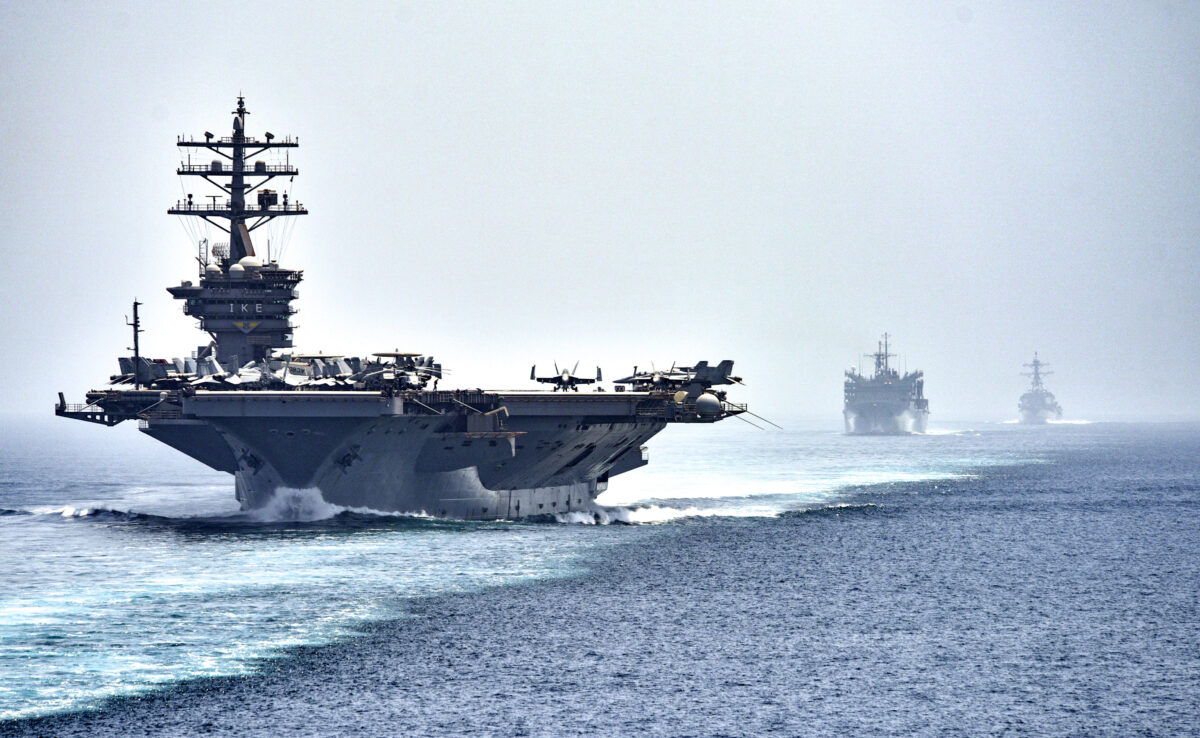
Sole military options are proving inadequate to re-open the Strait. Strategic thinking on diplomatic solutions are needed. The EU’s experience and leadership could be key.
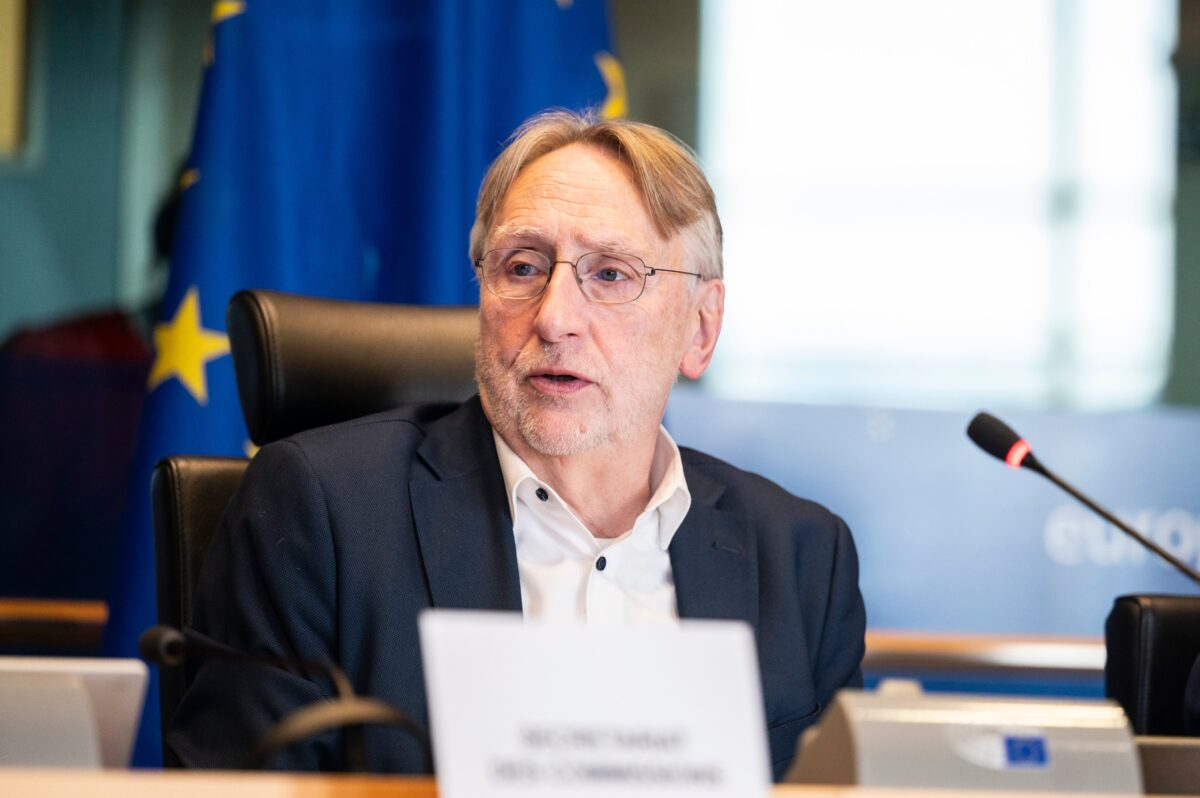
MEPs have inserted a series of safeguards into the EU-US trade tariff deal that will require Washington’s approval, as US urges the EU to sign it off.
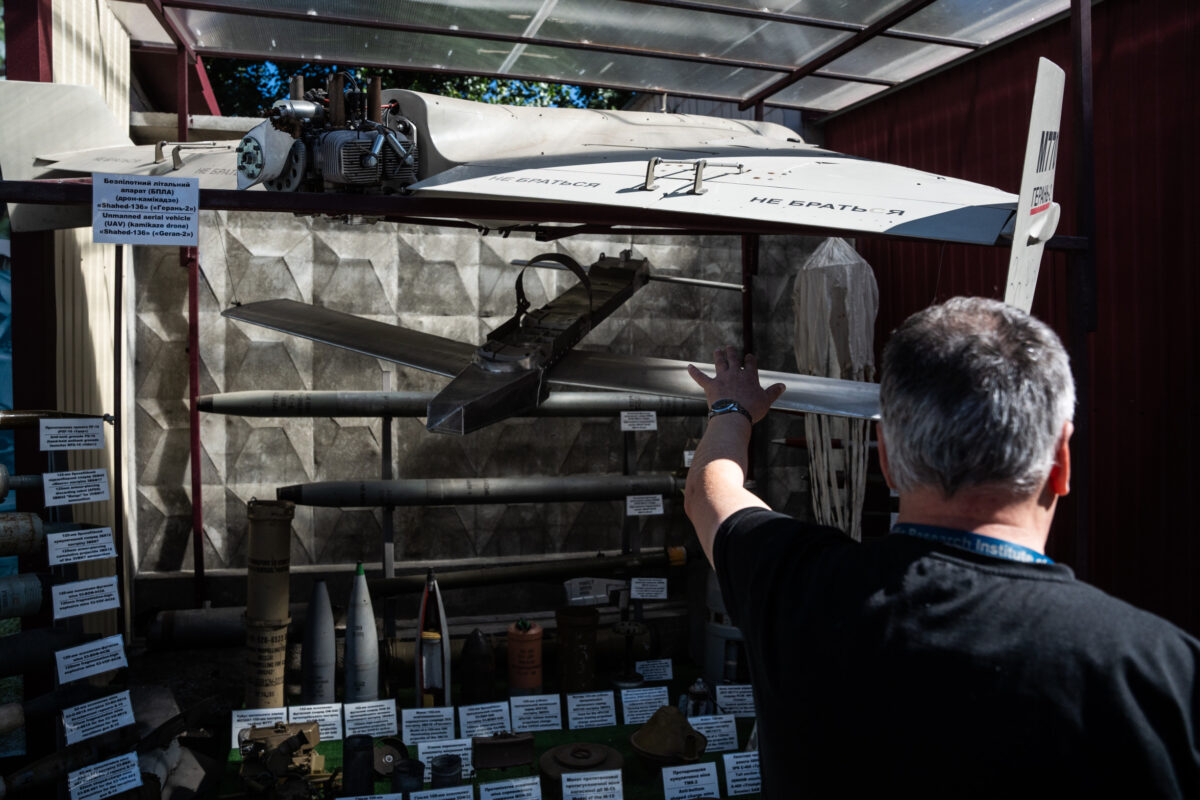
Several stray drones from Ukraine, affected by electronic warfare, have crashed in Baltic states as local air defence systems struggled to detect them. Meanwhile, Ukraine is leading the way with new interceptor systems.
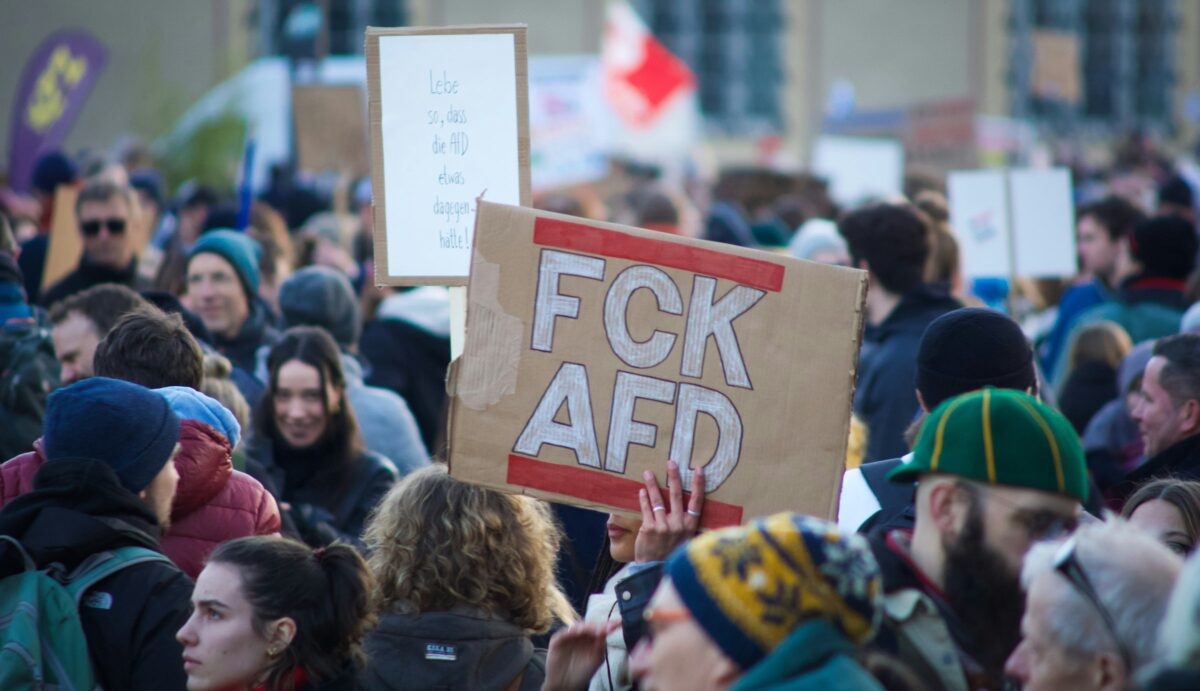
The far-right’s unity unravels when the debate shifts from domestic grievances on migration and climate-change denial to foreign policy. Nowhere is this clearer than in their response to the US-Israeli war of choice in Iran. Far-right parties across Europe are divided – both internally and among themselves – over how to respond to the US-Israeli war of choice in Iran – and so are their voters.
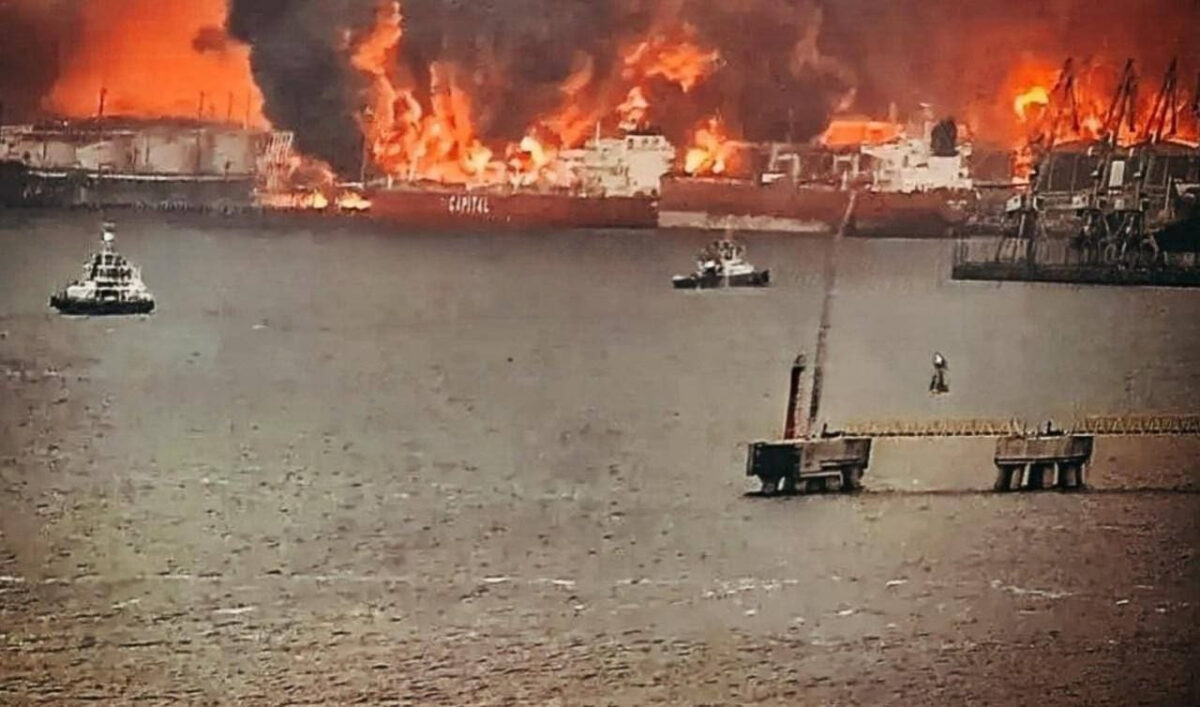
Russia’s revenues from oil and natural gas sales fell by 47 percent compared to the same period a year earlier.
High gas prices are hitting European households hard amid the ongoing war in the Middle East. Can the EU effectively cut consumption?
In case you missed it
The political groundwork for Thursday’s likely decision was already laid years ago when the EPP crushed the European Commission’s original 2018 proposal for a return directive in order to usher in more restrictive measures.
As Qatar’s gas stops flowing to Europe and Iran chokes the Strait of Hormuz, energy prices are surging and tensions have spiked. US threats raise the stakes — but reopening this vital artery is far from simple, with risky military options, asymmetric warfare, and the looming threat of mined waters hanging over global trade. Here are some basic questions and answers.
Hungarian leader was “shameful” and doing the bidding of “external autocrats,” said the centre-left Spanish MEP Iratxe García Pérez.
European industry faces a difficult year, but for some companies there may be an exception: these are mainly suppliers and installers of solar systems.
Viktor Orbán’s Fidesz needs fewer votes than the opposition Tisza party to stay in power, as the electoral system still favours the incumbent. In this article, we examine the most likely developments after the Hungarian elections on 12 April.
A new report finds Brussels has made little headway in opening up Europe’s services markets since the landmark Services Directive came into force in 2006.
The initiative aims to give the government power to arbitrarily persecute anyone, including universities, activists, media, NGOs and others. Those who opt not to register would face fines of up to €600,000.
Universities play a significant, if often obscured, role in the development, perpetuation and expansion of Fortress Europe, says the Transnational Institute report.



Geen opmerkingen:
Een reactie posten