| Good morning.Schadenfreude. The Germans always have a word for it. There are no silver linings to the US-Israeli war on Iran. But the sight of Dubai's tens of thousands of European tax-exile immigrants waking up to the fact they are living in a hot war zone certainly provided some ... Schadenfreude. Dubai is perched on the Strait of Hormuz, the global chokepoint of oil supplies. It faces Iran. Behind it is Saudi Arabia. Across the water are those havens of tranquillity and calm, Afghanistan and Pakistan. Close by is Iraq. Next door are Bahrain and Oman, non-countries created in the 1970s. They only needed to look at a map. A boiling hot desert empire, built by slaves, which has to import 85-90 percent of its food. What could possibly go wrong? Perhaps there is a price to pay, after all, for paying zero-percent income tax. Iran has already hit the US consulate in Dubai on Tuesday night. While they wait for escape flights or hope it all "blows over", the high-rise influencers can only hope the Iranian Revolutionary Guard can keep that level of accuracy. Matt Tempest, comment editor Top story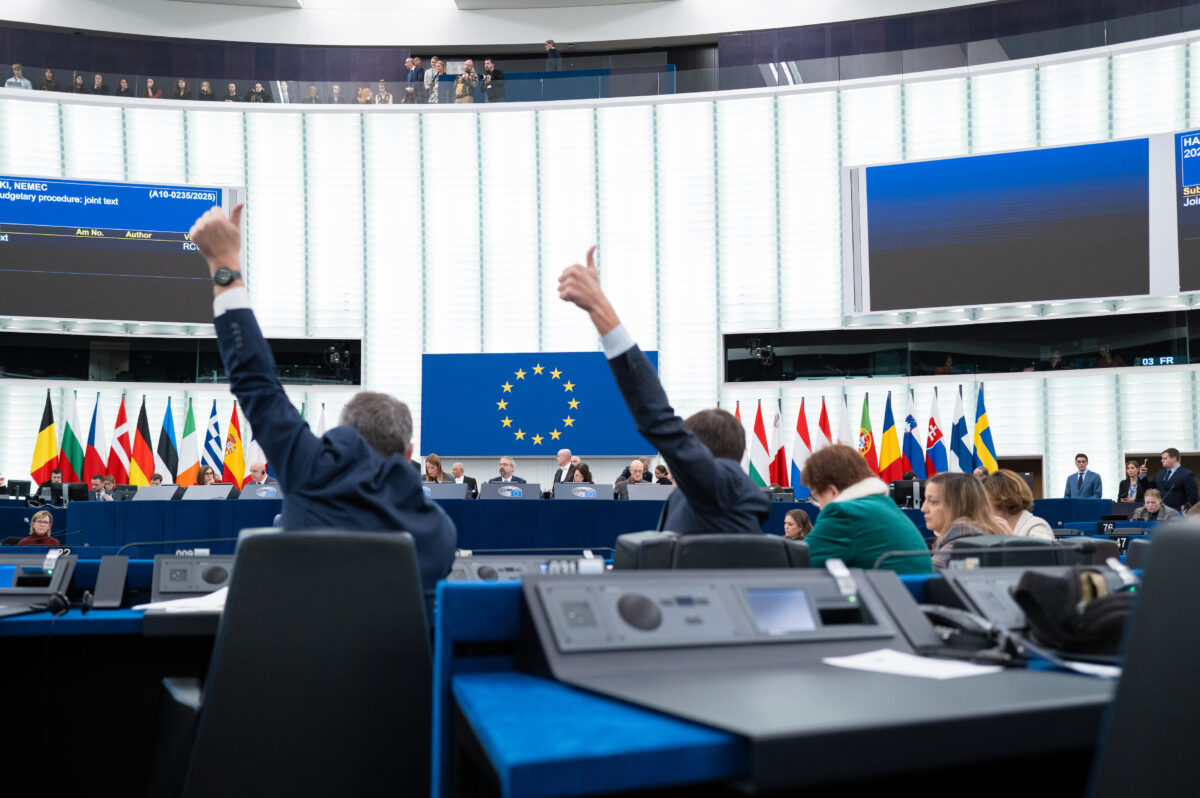 The EU Parliament should — at the least — hold a plenary debate on Gaza to hold Israel to account despite the Iran crisis, leftwing, Green, and liberal groups told press in Brussels on Wednesday. What else you need to know Ukraine has backed US action against Iran, seeking favour with Donald Trump and strategic gains against Russia, despite risks of reduced US support and Patriot shortages. Meanwhile, Emmanuel Macron has expanded France’s nuclear umbrella to Europe, including Poland — while disputes intensify over Ukraine’s Druzhba pipeline shutdown.  A senior EU diplomat told reporters that ministers will focus on ways to compel people to return home voluntarily, amid wider migration talks on working with Lebanon and Libya. If a European airline chooses to delay a flight due to extraordinary circumstances, causing later flights to be delayed, it must compensate the subsequent passengers, according to a new European Court of Justice ruling on Wednesday. Migration control is at the heart of a planned ‘strategic partnership’ between the EU and Senegal. 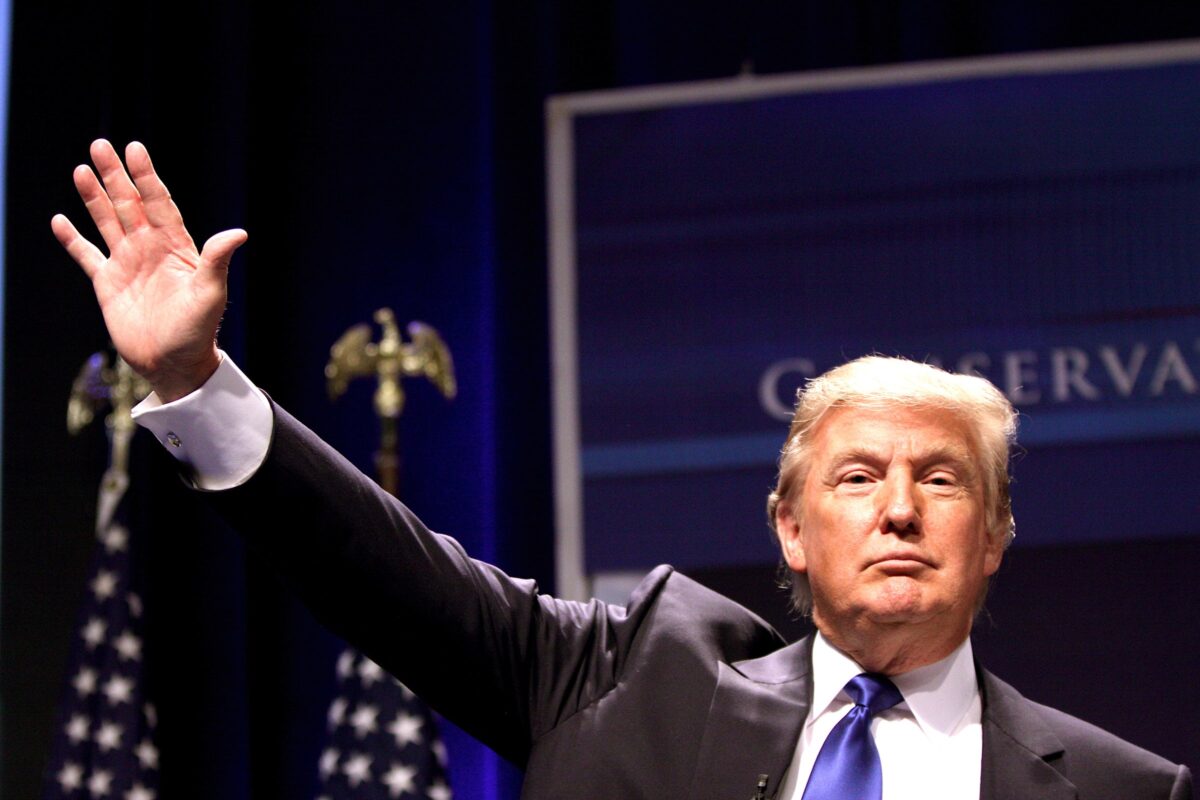 The European Commission’s remarks follow the threat by Donald Trump to halt all trade with Spain, following PM Pedro Sánchez denial of the use of military bases in the peninsula for further attacks against Iran. Like much recent EU migration legislation, the proposal was presented without a comprehensive fundamental rights impact assessment. Sixteen UN experts have already raised concerns about its compatibility with international law. Yet EU institutions are rushing the file through the legislative process. 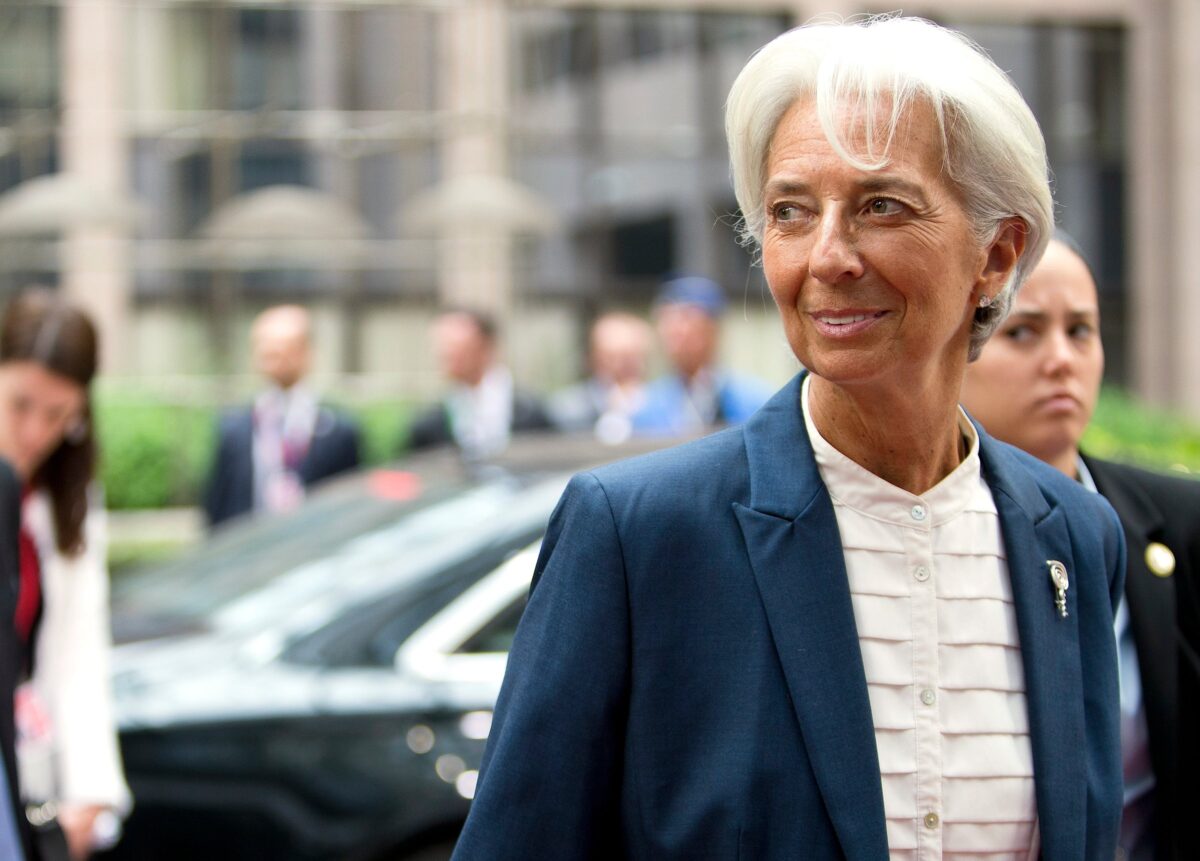 The European Central Bank itself has repeatedly said over the years that its policies are ineffective when dealing with energy shocks. Iran is now blocking the Strait of Hormuz, through which one in five barrels of oil and a quarter of the world’s liquefied natural gas transit. As oil and gas prices rise, should Europeans be worried about a new energy crisis? In case you missed it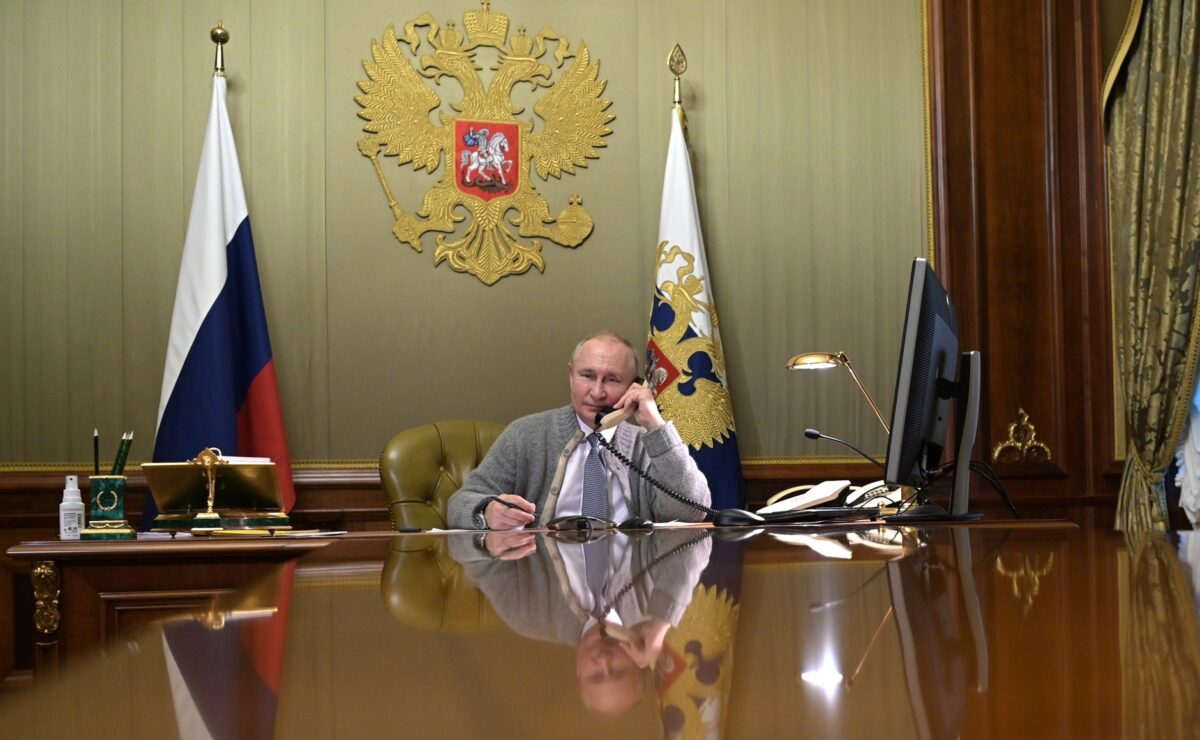 Russian president Vladimir Putin phoned his ally, Hungarian prime minister Viktor Orbán, on Tuesday to “commend” his “principled” and “sovereign” Ukraine foreign policy, according to a Kremlin readout. 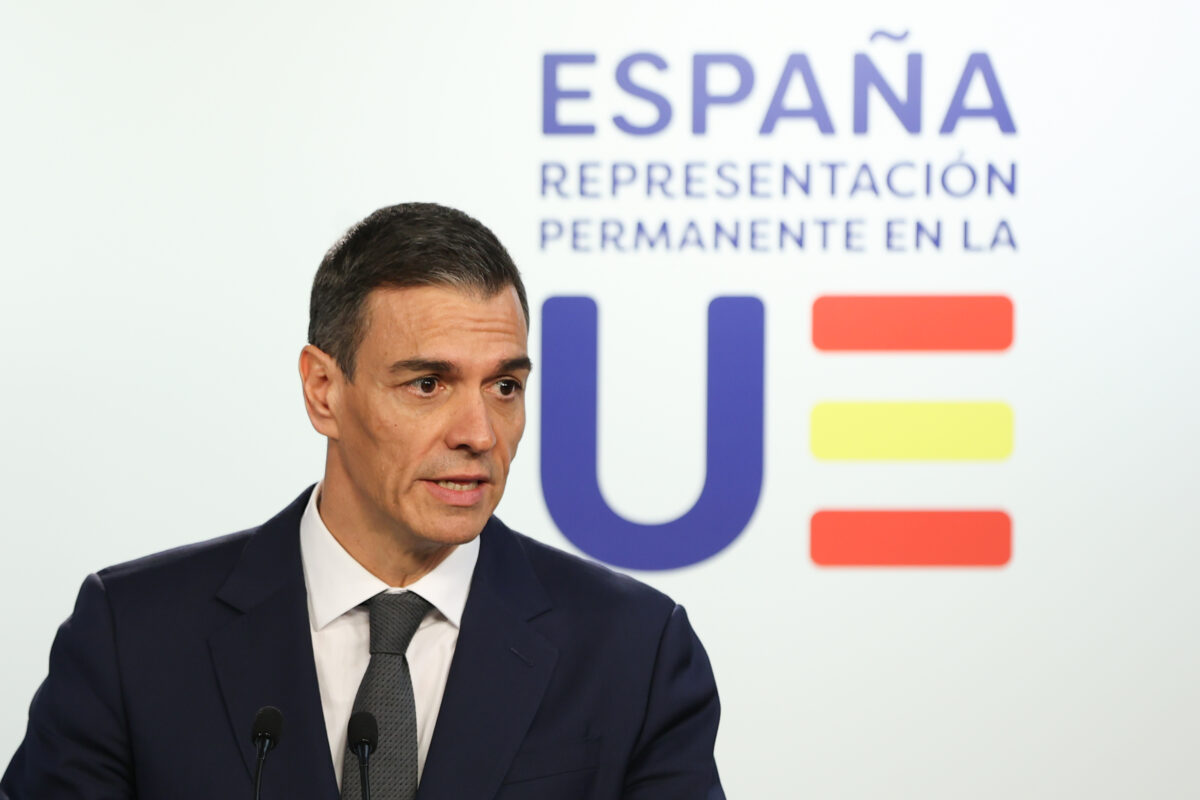 European leaders have been carefully drafting cautious statements urging ‘de-escalation’ and ‘respect for international law’. But one voice has sounded different. And it speaks Spanish. After the college of commissioners failed to agree on many of the details of the Industrial Accelerator Act again on Monday, it will now be published in more limited form. Plans to bar non-EU producers from government contracts and funding have been delayed by six months. Iran is the second-largest refugee-hosting country in the world, spooking leaders in Europe of any possible mass exodus, with the commission stepping up monitoring and cooperation with relevant UN agency and countries in the region. “Law is stronger than force”, said Ursula von der Leyen on Greenland. Last week, the EU rightly stressed once more the illegality of Russia’s invasion of Ukraine. Four days later the US and Israel attacked Iran and the EU forgot about international law. 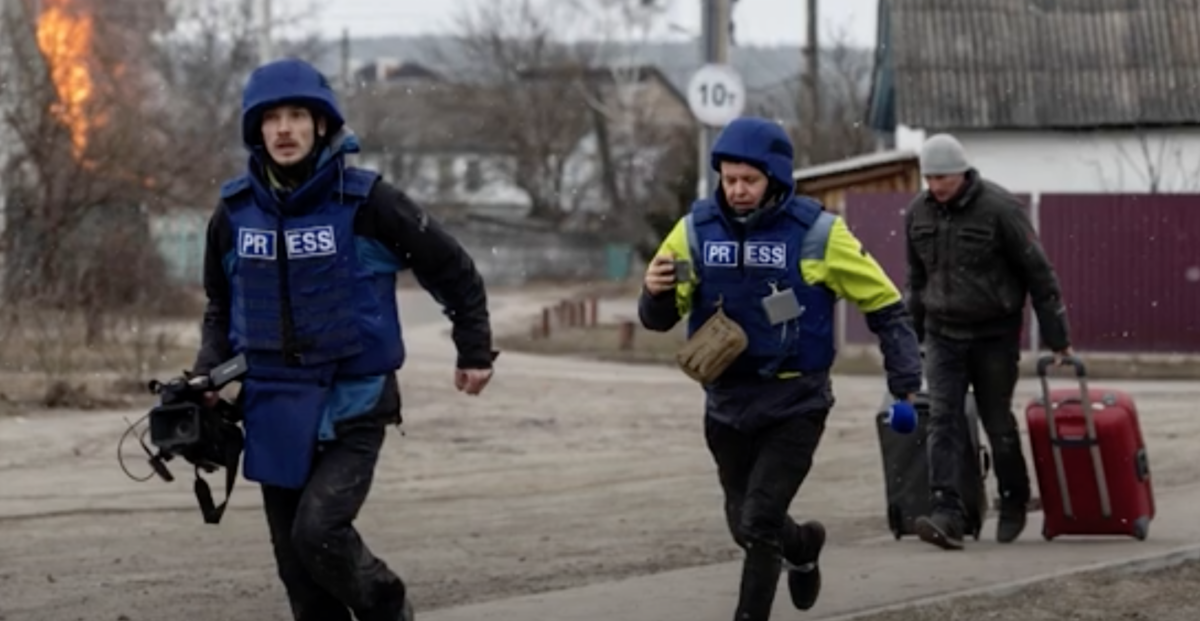 A decade after the Strasbourg-based Council of Europe launched its journalist safety platform, threats have surged: over 2,300 alerts in more than 40 countries, yet fewer than one-in-three receive government responses. Impunity persists, journalists face violence, and democracy pays the price. Responding to alerts, resolving cases and addressing systemic problems should be the rule, not the exception. Donald Trump is inspiring European states to consider how to avoid the omnipresent services of US tech giants in everyday life. 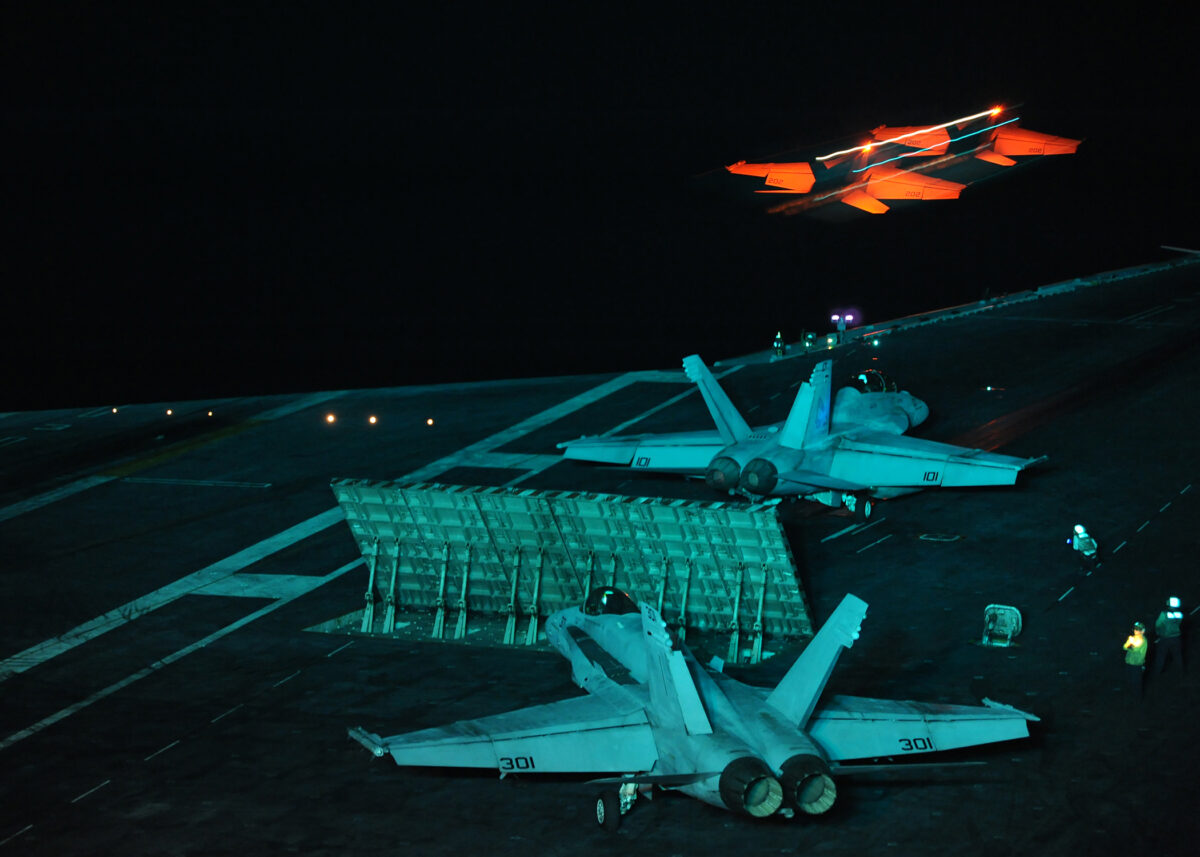 Iran has shown EU cities could be hit in the Middle East war, as tens of thousands of European nationals try to flee the region. |
|



Geen opmerkingen:
Een reactie posten