Good morning.
European energy ministers gathered online on Tuesday (31 March), facing a crisis the International Energy Agency described as the "worst oil supply shock in history."
Most of Europe’s initial response has been aimed at artificially lowering fuel prices. This helps protect consumers in the short term and dampens inflation, but it will only end up making matters worse.
Another fun fact: most oil and liquid natural gas (LNG) shipments from the Gulf to Europe will stop next week.
After that, Europe faces an undefined period of severe shortages—primarily in oil, but also in refined products like jet fuel, diesel, and other materials such as fertiliser and helium used in chip production.
Zooming in on oil, Wall Street analysts are already preparing for oil prices above $200 a barrel, in which case a global recession would be almost certain.
Comparisons with the energy crisis of 2022 are unavoidable. But price increases this time around could be just the first stage.
Where Russian gas and oil could be replaced relatively quickly, the current supply shock is more than ten times as big.
Compared to roughly one million barrels of oil lost to the market in 2022, today's shortfall amounts to around 11 million barrels.
This is literally irreplaceable.
The truly generational impact, as commodity analyst Rory Johnston (who describes himself as an optimist) has argued since early March, is that prices will rise to such levels that people are simply going to have to stop buying fossil fuels altogether.
In Europe, that means poorer households start cutting back first.
Globally, it means poorer countries will dramatically cut back on fuel imports, something that is already beginning to happen in parts of South and Southeast Asia.
Bangladesh has shut all public and private universities. Pakistan has urged cricket fans to watch matches from home to conserve fuel, and in India, some restaurants have stopped serving rice.
Across Asia, flights have already been cancelled. And the disruption is spreading to Europe. The UK is set to receive its last tanker of jet fuel from the Middle East this week.
Danish energy commissioner Dan Jørgensen tried in vain to convince EU ministers not to respond to a looming fuel shortage by subsidising fuel consumption, and instead to focus on getting people to use less of it.
“The European Union's security of supply remains guaranteed. But we must be ready for a potentially prolonged disruption of international energy trade,” he said on Tuesday. "Now more than ever it is extremely important that we act together.”
But national governments are mostly waiting for Brussels to come up with solutions.
Meanwhile, many, if not most, EU countries have set up generous fiscal support measures for fuel consumption, which only postpones the inevitable and will make matters worse, not better.
"No one wants to talk about rationing. It's not pretty economic policy," economist Isabella Weber argued on social media. "But the ugliest form of rationing is rationing by price explosions. It's high time for emergency rationing protocols. Shortages are already here."
Wester van Gaal, economy editor
What else you need to know
Oil and gas push Europe’s inflation to steepest monthly rise since Russia’s invasion of Ukraine in 2022, Eurostat announces.
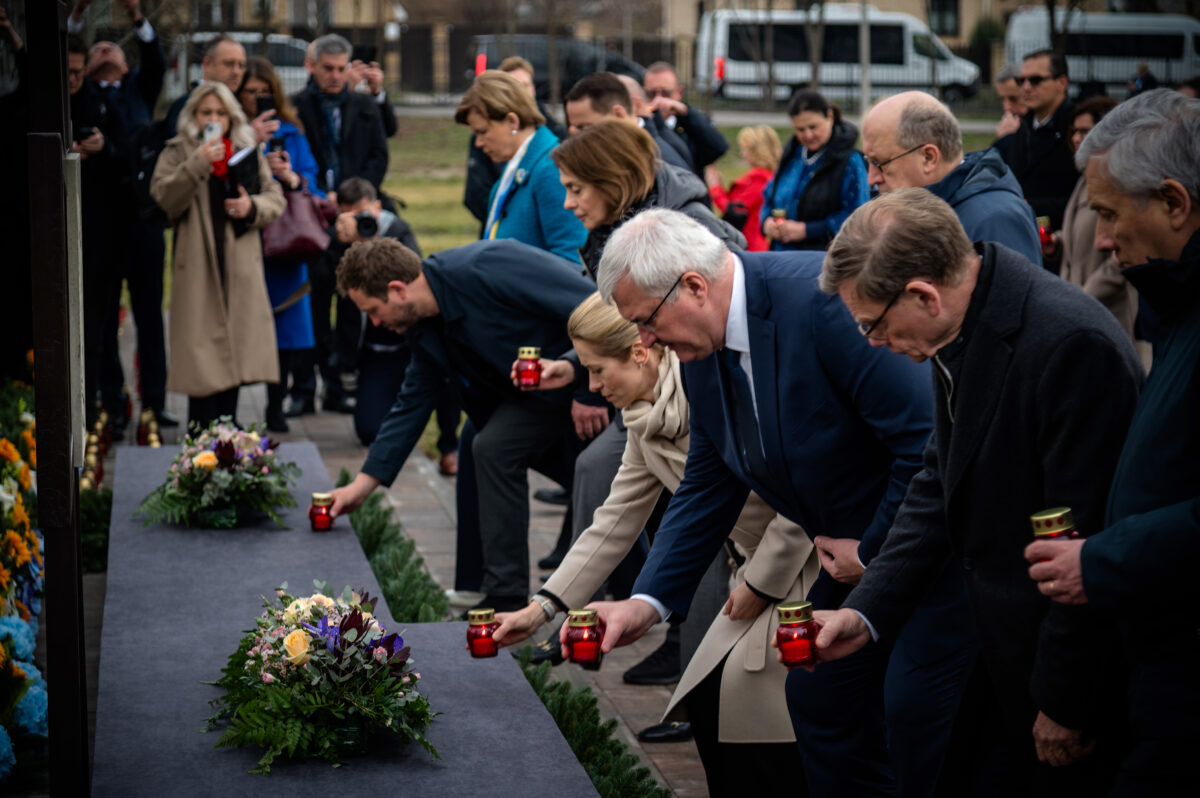
“Anybody who claims that Putin is not a war criminal should come and see for themselves”, said Polish minister Sikorski.
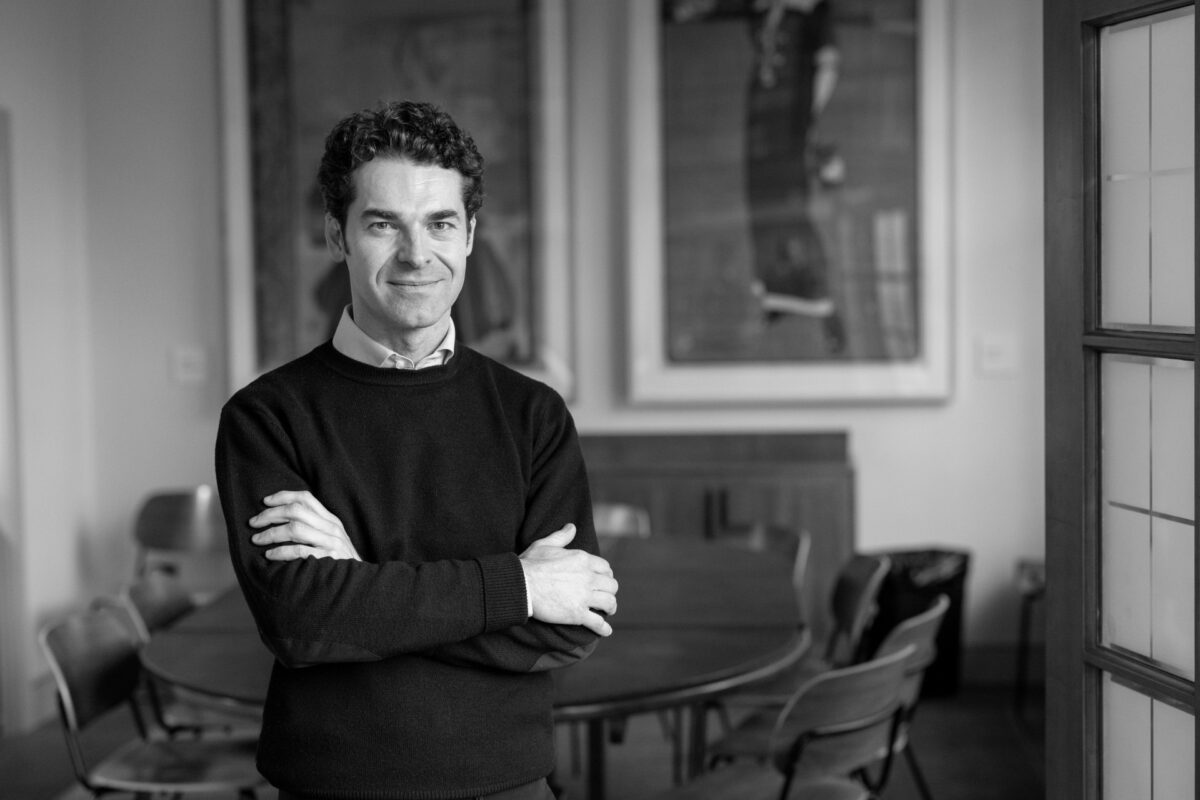
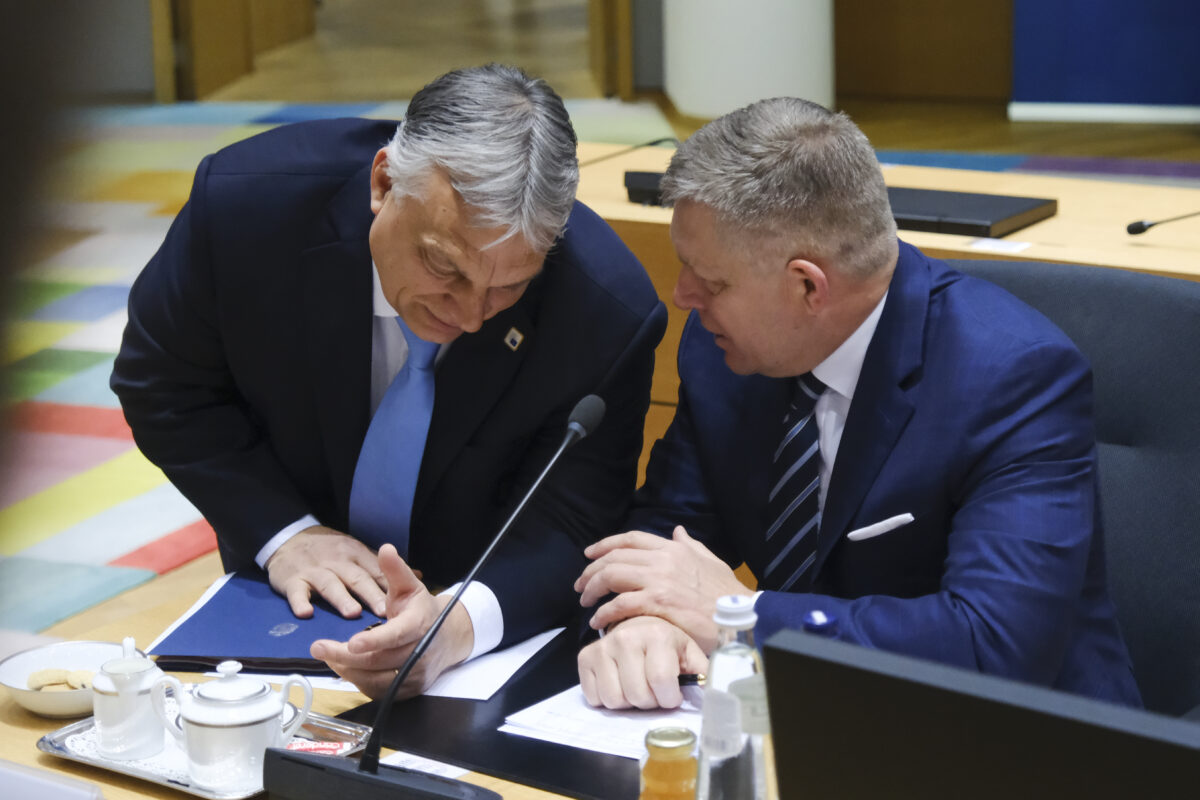
Whatever happens on 12 April, the EU will emerge after the Hungarian elections without a suitable plan for the country and its future relations with the Union. Its entire Hungary strategy amounts to a single wager: that Orbán loses, writes Alberto Alemanno.
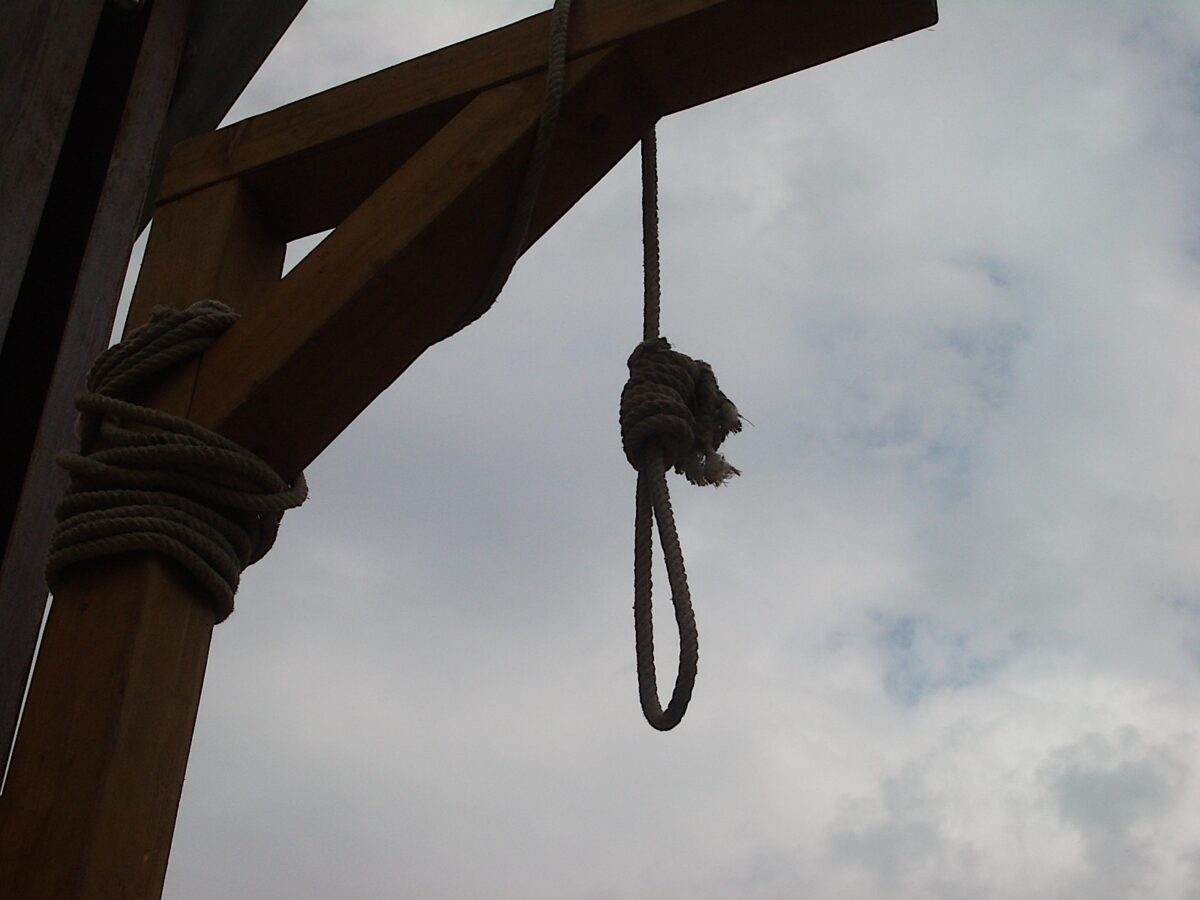
“I say to the people of the European Union who have applied pressure … We are not afraid,” said Israel’s Ben-Gvir, while wearing a noose lapel-pin.
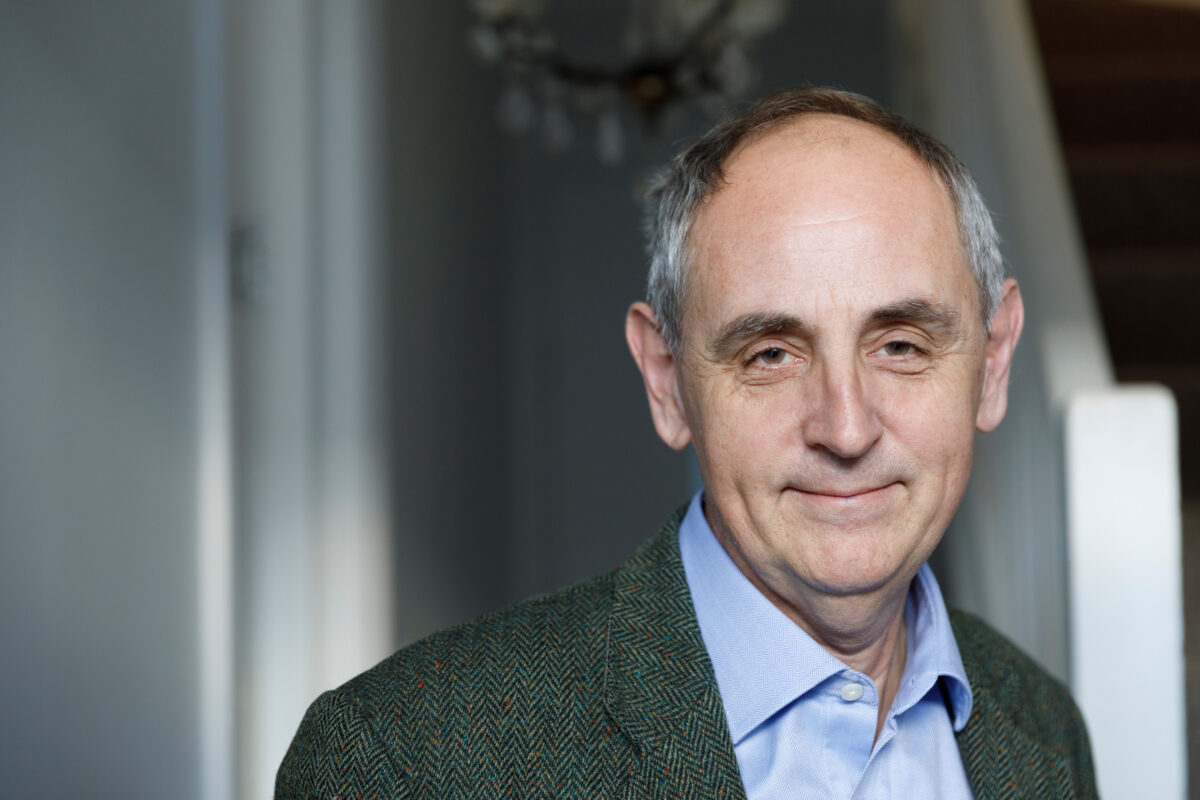
The real problem for the Baltics is not an unlikely Russian military attack in the future, but the divide-and-rule information operation going on right now, warns former editor at The Economist Edward Lucas.

“In their kitchens they [Ukrainians] have 3D printers and produce parts for drones … this is not the technology of companies like Lockheed Martin, General Dynamics, or Rheinmetall,” said Rheinmetall boss.
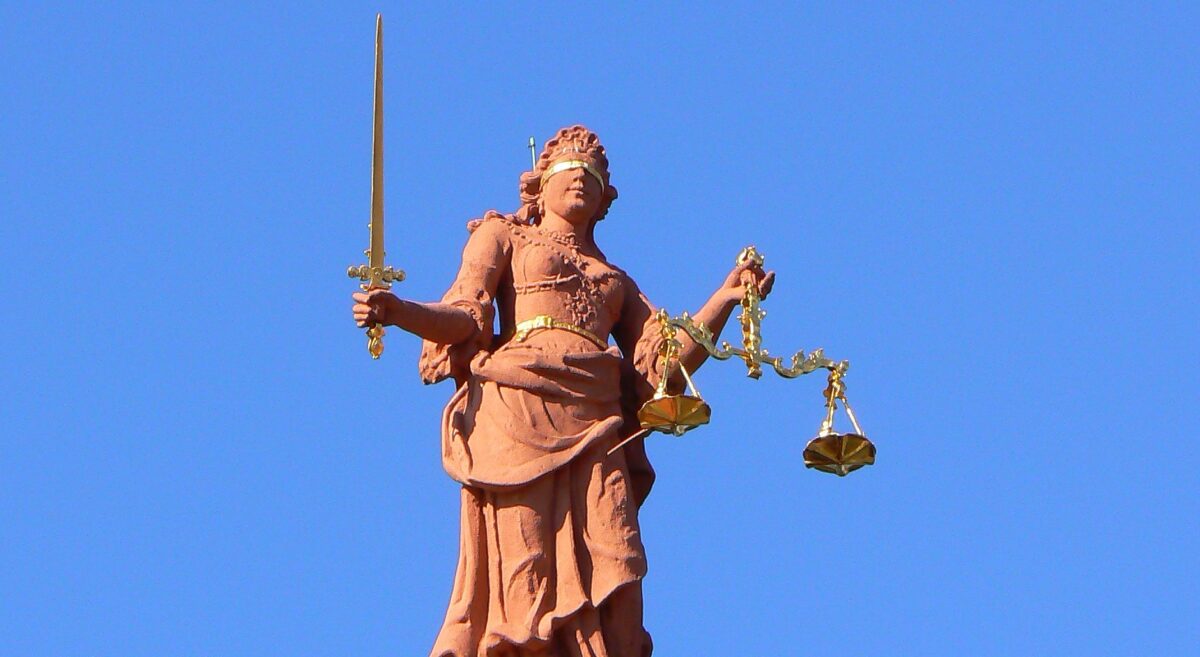
Corruption, judicial bias and threats to media freedom – plenty of it exists across the EU, despite the institutions in Brussels making their absence a prerequisite for joining the bloc. In truth, the EU has been very reluctant to impose sanctions for rule of law breaches.
Is the EU’s democratic foundation crumbling? A new report from 40 organisations warns of a concerted dismantling of the rule of law across Europe. From Hungary to surprising “sliders” like Germany, Denmark or France, EU commission recommendations are being ignored. But what does this mean?



Geen opmerkingen:
Een reactie posten